 English
 русский
News
Home / News / Industry News / Why Is CNC Machining Service Essential for Custom Precision Parts Production?

 English
 Search
Suzhou Heimat Precision Machinery Co., Ltd.
+86-18118122885
joy.qian@szhengmai.com
CNC machining service is a computer-controlled precision manufacturing solution that processes metal and plastic materials into custom-designed parts with high dimensional accuracy, complex structural integrity, and consistent batch quality. It is an irreplaceable core service in modern industrial manufacturing, supporting rapid prototyping, small-batch customized production, and large-scale mass production for almost all high-tech and traditional industrial fields. The most prominent advantage of this service is ±0.005 mm precision control, which can stably produce parts that manual processing cannot complete, and effectively shorten production cycles and reduce comprehensive costs for enterprises.
CNC machining service relies on digital control technology to achieve automated processing, and its technical characteristics determine its wide application and high reliability in industrial production. Unlike traditional manual processing, all processing actions of CNC machine tools are completed according to pre-programmed instructions, eliminating human errors and ensuring the stability of each part.
The precision of professional CNC machining service far exceeds that of traditional processing methods. Conventional CNC machining can achieve ±0.01 mm dimensional tolerance, and high-precision CNC machining centers can reach ±0.005 mm or higher precision. This precision remains consistent in batch production, with almost no deviation between the first part and the thousandth part. This characteristic is critical for industries such as aerospace, medical equipment, and automotive manufacturing, where even tiny errors can lead to product failure.
CNC machining service supports multi-axis linkage processing, mainly including 3-axis, 4-axis, and 5-axis machining. 3-axis machining is suitable for conventional plane and hole processing; 4-axis machining adds rotary processing, suitable for curved surface parts; 5-axis machining can process complex three-dimensional structures from multiple angles at one time, such as impellers, molds, and special-shaped structural parts. This capability makes CNC machining service the preferred solution for complex custom parts, and no other processing technology can match its flexibility and precision in complex structure manufacturing.
CNC machining service can stably process almost all common industrial materials, covering metal and non-metal categories. This material adaptability allows the service to meet the needs of different application scenarios, whether it is high-strength mechanical parts, corrosion-resistant chemical equipment parts, or lightweight electronic equipment shells.
Complete CNC machining service is not a single processing method, but an integrated solution combining multiple processing technologies. According to different processing requirements, service providers will combine multiple processes to ensure that parts meet design drawings and performance requirements. The following are the most commonly used core processing categories in CNC machining services.
Milling is the most widely used processing method in CNC machining service, which removes excess materials through rotating milling cutters to form the required shape and structure. It is suitable for processing planes, grooves, gears, curved surfaces, and special-shaped parts. Combined with multi-axis equipment, it can complete high-complexity parts processing, covering more than 60% of CNC processing requirements in industrial production.
Turning processing fixes the material on the rotating spindle, and the stationary cutter moves along the set track to process rotary parts such as shafts, discs, and sleeves. CNC turning service has high processing efficiency and excellent surface finish, and is often used for high-precision rotary parts production. For parts requiring both turning and milling, a CNC turn-mill composite center can complete all processing in one clamping, improving accuracy and efficiency.
These are auxiliary processing links indispensable in CNC machining service, mainly used to make internal connection structures of parts. High-precision drilling ensures verticality and position accuracy of holes; tapping processes standard internal threads; reaming improves inner hole surface roughness and dimensional accuracy. These processes are widely used in assembly parts, fasteners, and mechanical connection components.
Most CNC machined parts require surface treatment to improve corrosion resistance, wear resistance, appearance, and insulation performance. Professional CNC machining service providers usually support one-stop surface treatment services, avoiding secondary clamping and transportation errors, and improving overall production efficiency.
Standardized CNC machining service has a fixed and complete process flow, from customer demand communication to final part delivery, each link is strictly controlled to ensure that products meet customer requirements. Understanding this process helps customers better cooperate with service providers and avoid delays or quality problems caused by information asymmetry.
The first step of CNC machining service is to review customer 2D or 3D drawings, and conduct DFM (Design for Manufacturability) analysis. Professional engineers will check whether the part structure, tolerance, material, and processing technology are reasonable, and put forward optimization suggestions. This link can effectively reduce the risk of processing failure and save 20%-30% of unnecessary costs for customers.
After confirming the drawings, engineers compile CNC processing programs according to part structure and select appropriate tools, fixtures, and processing parameters. For complex parts, offline programming and simulation processing are used to verify program feasibility, ensuring no collision or over-cutting during formal processing.
Service providers select raw materials that meet customer requirements and conduct incoming inspection. Then operators clamp materials on CNC equipment and start automatic processing according to the program. During processing, real-time monitoring is carried out to ensure dimensional stability and surface quality.
After processing, parts undergo full-dimensional inspection using calipers, micrometers, projectors, coordinate measuring machines (CMM), etc. Qualified parts enter surface treatment (if required), and finally undergo secondary inspection, packaging, and delivery. Complete inspection reports are provided to ensure traceability of all quality data.
When selecting a manufacturing solution, customers often compare CNC machining service with 3D printing, injection molding, casting, and other processes. Each process has its applicable scenarios, and CNC machining has obvious advantages in precision, material adaptability, and part performance. The following table clearly compares the core characteristics of CNC machining and other common processes.
| Processing Technology | Dimensional Accuracy | Material Range | Applicable Production Volume |
|---|---|---|---|
| CNC Machining | High (±0.005mm) | Extremely Wide | Prototyping to Mass Production |
| 3D Printing | Medium | Limited | Small-batch Prototyping |
| Injection Molding | Medium | Plastics Mainly | Large-scale Mass Production |
| Casting | Low | Metals Mainly | Large-scale Mass Production |
From the comparison, CNC machining service has absolute advantages in precision and material adaptability, and is more flexible than injection molding and casting. It is the best choice for parts requiring high strength, high precision, and complex structures. Although 3D printing is suitable for rapid prototyping, it cannot meet the strength and precision requirements of industrial-grade parts.
CNC machining service supports the R&D and production of almost all advanced manufacturing industries, thanks to its high precision, high reliability, and material versatility. Different industries have different requirements for precision, materials, and surface treatment, and professional CNC machining service providers can formulate targeted solutions for each field.
The aerospace industry has the highest requirements for CNC machining service, requiring ultra-high precision and extremely stable material performance. Parts such as engine components, fuselage structural parts, and satellite components are mostly made of titanium alloy, aluminum alloy, and high-temperature alloy, and must meet strict tolerance and quality standards. CNC machining is the only process that can stably produce these high-performance parts.
Medical parts such as surgical instruments, implantable devices, and diagnostic equipment shells require biocompatible materials and ultra-smooth surfaces. CNC machining service can process medical-grade stainless steel, titanium alloy, and PEEK plastic, with precision up to ±0.005mm, fully meeting the safety and reliability requirements of the medical industry.
Traditional automobiles and new energy vehicles require a large number of CNC machined parts, including engine parts, battery components, chassis parts, and customized decorative parts. CNC machining service supports small-batch customized trial production and large-scale mass production, with high efficiency and stable quality, helping automakers shorten R&D cycles and reduce production costs.
Smartphones, laptops, drones, and other electronic products use a large number of CNC machined metal and plastic parts, such as shells, brackets, and connectors. These parts require high appearance consistency and precise assembly dimensions, and CNC machining service can achieve high-quality surface effects and assembly matching accuracy.
Automated production lines, robotic arms, sensors, and transmission equipment rely on high-precision CNC machined parts. These parts bear large loads and require high wear resistance and dimensional stability. CNC machining service can select high-strength materials and formulate strict processing techniques to ensure the long-term stable operation of equipment.
Choosing a reliable CNC machining service provider directly determines part quality, delivery cycle, and comprehensive cost. Enterprises should comprehensively evaluate multiple dimensions when selecting services, rather than only focusing on price. The following are the core evaluation indicators that must be paid attention to.
High-quality CNC machining service must be supported by advanced equipment, including 3-axis, 4-axis, and 5-axis machining centers, turn-mill composite machines, and high-precision testing equipment. Equipment performance directly determines the upper limit of processing precision and the range of complex parts that can be processed. Service providers with complete equipment can meet diversified processing needs.
Experienced engineers and designers are the core of CNC machining service. A professional technical team can provide perfect DFM analysis, optimize unreasonable designs, reduce processing risks, and improve part performance. Service providers with independent R&D and programming capabilities can respond quickly to complex customized needs.
Formal CNC machining service providers have complete quality management systems, such as ISO 9001 certification. Quality control runs through the entire process from incoming material inspection, processing monitoring, to finished product inspection, with complete inspection records and traceability. Strict quality control can reduce the defective rate to less than 0.5%, ensuring customer interests.
For enterprises, rapid delivery is critical to product R&D and listing. High-quality CNC machining service providers have efficient production scheduling and supply chain management capabilities, ensuring on-time delivery. In addition, perfect after-sales service can quickly respond to quality problems and provide solutions, avoiding impacts on customer production plans.
In the era of intelligent manufacturing, CNC machining service has become the core support of customized production and flexible manufacturing, with irreplaceable advantages compared with traditional processes. These advantages not only improve production efficiency but also create greater value for enterprise innovation and development.
With the development of automation and digital technology, CNC machining services will be more intelligent and efficient. The combination with automated production lines, robotic arms, and digital management systems further improves processing efficiency and precision, making it occupy a more important position in global manufacturing.
The future of CNC machining service will develop in the direction of intelligence, digitization, high efficiency, and greenness, adapting to the transformation needs of global manufacturing. The following trends will profoundly change the delivery mode and technical level of CNC machining service.
AI technology will be applied to CNC programming, parameter optimization, and fault prediction, realizing autonomous adjustment of processing parameters and real-time monitoring of equipment status. Unmanned workshops composed of robotic arms and automated production lines will become mainstream, further improving processing efficiency and reducing labor costs.
Cloud-based CNC machining service platforms will realize online drawing uploading, DFM analysis, quotation, scheduling, and progress tracking. Customers can remotely monitor production status and inspection data in real time, making the service process more transparent and efficient.
With the miniaturization of electronic and medical devices, CNC machining service will develop towards micro-nano precision, processing smaller and more sophisticated parts. Higher-precision equipment and testing tools will enable processing precision to break through existing limits and meet the needs of cutting-edge technology fields.
Future CNC machining service will focus on reducing energy consumption, improving material utilization rate, and using environmentally friendly cutting fluids and surface treatment processes. Green production will become an important indicator for evaluating high-quality CNC machining service providers, adapting to global low-carbon development requirements.
If you have any questions, please fill out the contact form at the bottom of the page and contact us.
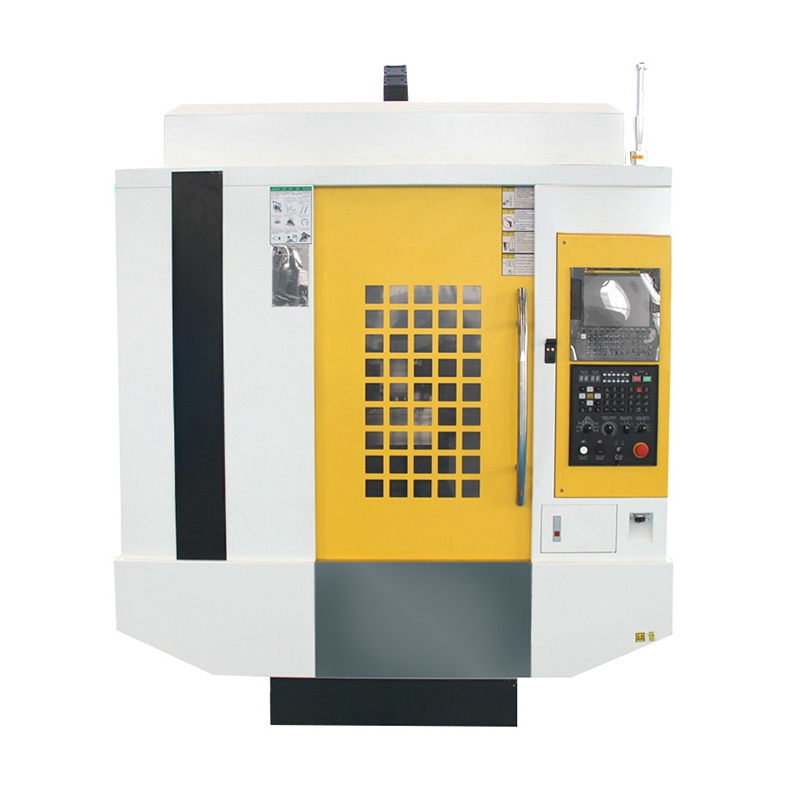 CNC Drilling and Tapping Machin
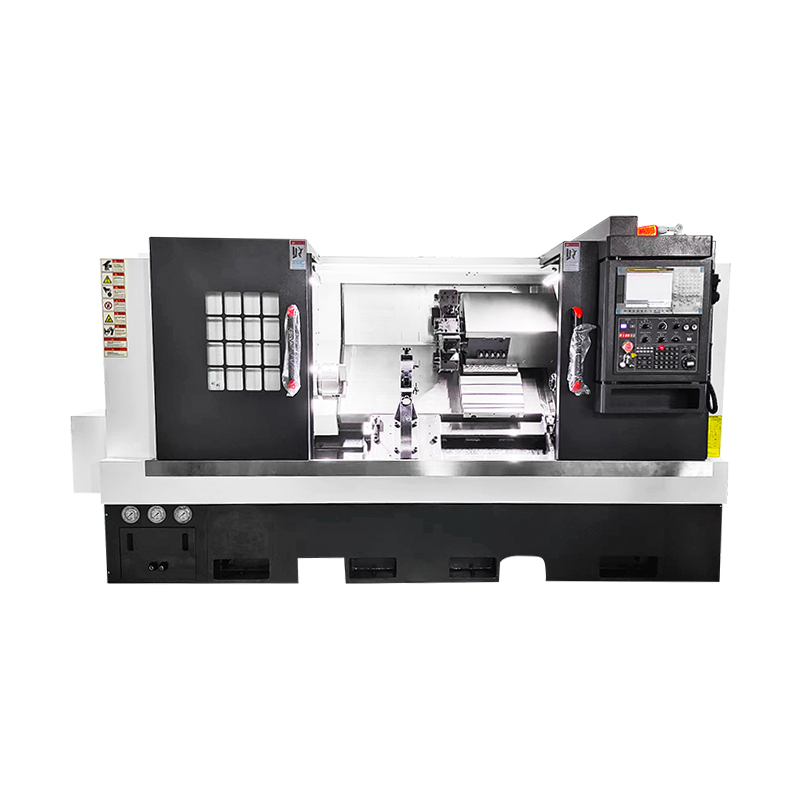 CNC Lathe Machine
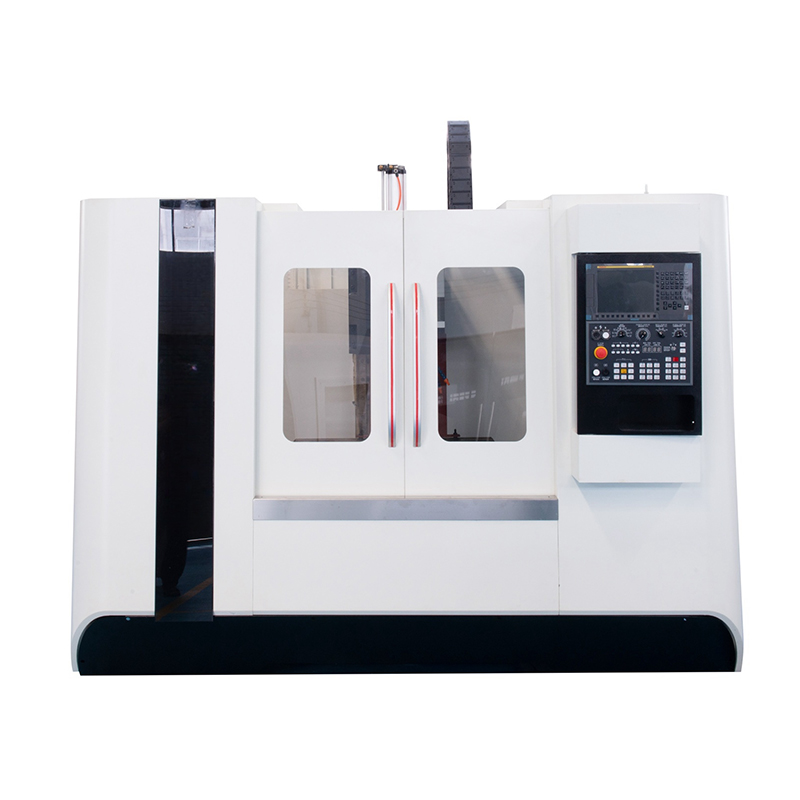 CNC Machine
 Cutomized Die-Cutting Products for Electronics Industry
 New Energy Automation Die Cutting Products
 Customeized Die-Cut Products in Package Industry
 Bespoke Touch Screen for Gaming and Entertainment Devices
 Custom Touch Screen in Smart Home Industry
 Customized Personalized Touch Panel Screen
 Design Manufacturing and Assembly of Special Customized Custom Electrical Cabinet
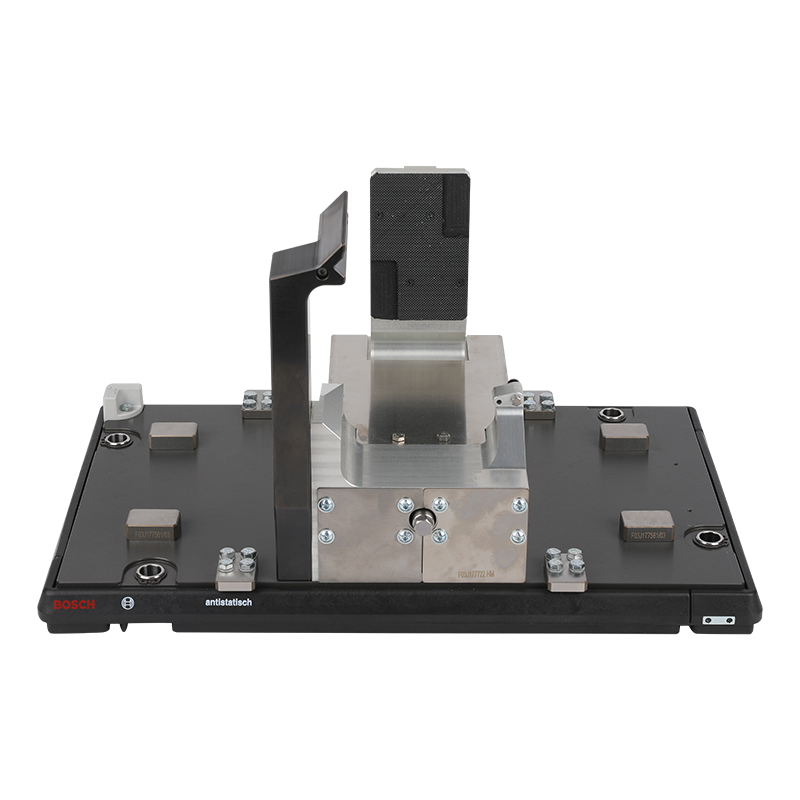 Industrial Robot Automatic Production Line Design Manufacture and Assembly
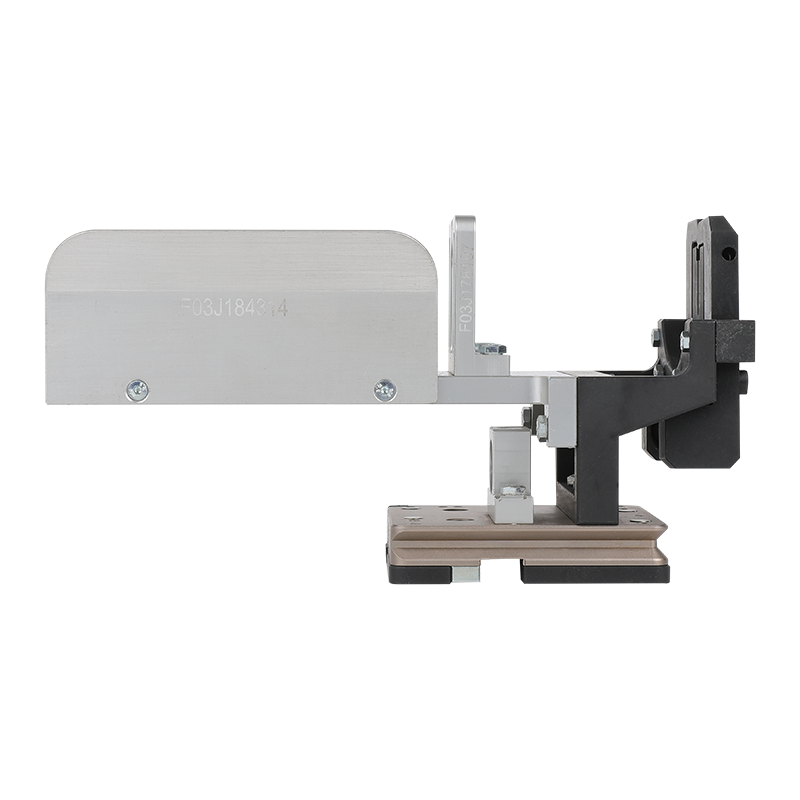 Customized Design Automation Equipment

+86-18118122885

+86-512-66233336

joy.qian@szhengmai.com

No. 8, Guangdian Road, Guangfu Town, Wuzhong District, Suzhou, Jiangsu, China.
Copyright © 2023 Suzhou Heimat Precision Machinery Co., Ltd. All Rights Reserved.Custom CNC Parts Processing Manufacturers

|
 Previous