 English
 русский
News
Home / News / Industry News / Standard vs Customized Automation Equipment Parts: Which Is Better for Your Line?

 English
 Search
Suzhou Heimat Precision Machinery Co., Ltd.
+86-18118122885
joy.qian@szhengmai.com
When manufacturers face persistent bottlenecks, frequent equipment failures, or an inability to meet stringent product specifications, the root cause is almost always a reliance on generic, off-the-shelf components. Customized automation equipment parts directly solve these problems by providing exact dimensional compatibility, material superiority, and function-specific engineering that standard parts simply cannot achieve. Instead of forcing a production line to adapt to the limitations of a catalog component, custom parts are engineered from the ground up to serve the exact operational need, resulting in immediate and measurable improvements in throughput, reliability, and overall equipment effectiveness.
Off-the-shelf automation parts are designed with a one-size-fits-all philosophy, meaning they are built to accommodate a wide variety of generic applications rather than excel at any single specific task. While this approach works well for prototyping or very simple mechanisms, it introduces severe limitations in high-volume or high-precision production environments. Standard parts often require additional adapters, brackets, or shims to fit into an existing machine footprint, which inherently introduces unnecessary points of failure and alignment errors.
Furthermore, standard components are typically manufactured from the most common, cost-effective materials available. If a production environment involves extreme heat, corrosive chemicals, or constant high-friction contact, these standard materials will degrade rapidly. Engineers often try to compensate for this by oversizing standard parts, but this practice consumes valuable space on the factory floor, increases the power required to move the heavier components, and does not address the core issue of material incompatibility.
Using standard parts in complex automated systems frequently leads to hidden operational costs. Machine builders must spend significant engineering hours designing workaround assemblies. When a standard pneumatic cylinder has slightly different mounting dimensions than the required space, an entire custom mounting plate must be designed, machined, and assembled. This adds labor costs, extends lead times, and creates a complex assembly where the mounting plate itself can warp or fail under stress. The initial savings of buying a standard catalog part are quickly erased by the engineering and integration overhead required to make it function.
Transitioning from standard to customized automation equipment parts shifts the engineering paradigm from adaptation to optimization. When a part is designed specifically for a single station on a production line, every millimeter of its geometry and every aspect of its material composition serves a deliberate purpose. This focused approach yields several distinct advantages that compound over the lifespan of the equipment.
In automated manufacturing, space within a machine enclosure is strictly limited. Custom parts are modeled to fit the exact available envelope, interfacing directly with adjacent components without the need for transition pieces. For example, a custom robotic gripper can be designed so that its pneumatic ports exit exactly where the facility's air lines are routed, eliminating tangled hoses and reducing the overall profile of the robot arm. This tight integration allows engineers to design smaller, more agile machines or fit additional processing stations into the same factory footprint.
Different production environments demand vastly different material properties. A custom part allows the manufacturer to select the exact alloy, polymer, or composite required for the specific stress, chemical, and thermal conditions of the application. Beyond the base material, custom parts allow for targeted surface treatments. Instead of applying an expensive, universal anti-corrosive coating to an entire standard part, a custom part can be engineered with a specialized hardening process applied only to the specific edge or surface that experiences wear, optimizing both performance and cost.
One of the most impactful benefits of custom parts is the ability to consolidate complex assemblies into single, monolithic components. An assembly that previously required five standard brackets, ten fasteners, and various washers can often be redesigned as a single machined or 3D-printed part. Consolidating a multi-part assembly into a single custom piece can reduce assembly time by significant margins while entirely eliminating the fastener fatigue that often causes machine failures. Fewer parts mean fewer procurement transactions, less inventory to manage, and a drastically reduced chance of an operator assembling the components incorrectly during routine maintenance.
The ultimate measure of any automation component is its effect on the bottom line, which is most visibly reflected in overall equipment effectiveness (OEE). Customized parts influence OEE primarily by reducing unplanned downtime and increasing the speed at which a machine can safely operate. When a standard component fails, the resulting downtime is not just the time it takes to replace the part; it includes the time required to diagnose the issue, retrieve the replacement, realign the new part, and recalibrate the machine. Because custom parts are designed for exact drop-in replacement within a specific machine, the maintenance process is drastically simplified.
Additionally, custom parts enable higher operational speeds. Standard components are often rated with conservative speed and force limits to account for unknown application variables. When a custom part is engineered, the exact dynamic loads are calculated, allowing the designer to optimize the part's geometry for high-speed movement without adding unnecessary mass. This results in faster cycle times. Even a fraction of a second reduction in cycle time, multiplied across thousands of production hours, translates into millions of additional units produced annually without requiring any additional factory floor space.
Custom parts can be designed with integrated sensors or specific geometric failure points that make predictive maintenance highly accurate. Instead of waiting for a standard bearing to seize unexpectedly, a custom drive shaft can be designed with a specific shoulder geometry that is monitored by a proximity sensor. As the shaft wears, the sensor detects a microscopic change in position, alerting the maintenance team to replace the part during a scheduled break rather than in the middle of a production run. This shift from reactive to predictive maintenance is a cornerstone of modern smart manufacturing.
The necessity for customized automation equipment parts spans nearly every sector of modern industry, though the specific requirements vary drastically depending on the operational environment. Understanding these varied applications highlights the versatility and necessity of custom engineering in today's complex manufacturing landscape.
Creating a customized automation part is a rigorous engineering process that bridges the gap between conceptual design and physical reality. The workflow typically begins with a thorough failure mode and effects analysis (FMEA) of the existing standard component to identify exactly why it is underperforming. From there, engineers utilize advanced CAD software to model the new part within the exact digital twin of the machine, ensuring spatial clearance and kinematic compatibility before any material is cut.
Before committing to full-scale production, custom parts undergo extensive prototyping. While traditional machining is still prevalent, additive manufacturing (3D printing) has revolutionized this phase by allowing engineers to test complex geometries in functional engineering plastics or soft metals within days. These prototypes are subjected to simulated operational stresses to validate the design assumptions. Only after the prototype passes mechanical, thermal, and fatigue testing is the design released for final manufacturing using production-grade materials and processes.
The final production of custom automation parts relies on various advanced manufacturing methods, each chosen based on the part's geometry, material, and required tolerances.
| Manufacturing Method | Best Suited For | Typical Material Options |
|---|---|---|
| CNC Machining | High-precision structural components, complex brackets | Aluminum, Steel, Titanium, Engineering Plastics |
| Additive Manufacturing | Internal fluid channels, lightweight lattice structures | Nylon, PEEK, Stainless Steel, Titanium alloys |
| Die Casting | High-volume production of identical housing components | Aluminum, Zinc, Magnesium alloys |
| Wire EDM | Extremely tight tolerance cutting of hard conductive metals | Hardened Tool Steels, Tungsten Carbide |
The most common hesitation regarding customized automation equipment parts is the initial upfront cost. It is undeniable that the engineering design fee and the initial setup costs for custom tooling or programming are higher than simply placing an order for a catalog part. However, evaluating this decision purely on the purchase price is a fundamental accounting error that ignores the total cost of ownership over the lifespan of the machine.
To accurately assess the value of custom parts, manufacturers must calculate the long-term return on investment (ROI). This calculation includes the direct savings from reduced scrap rates, as custom parts inherently improve process precision. It must also factor in the financial impact of avoided downtime. If a custom fixture prevents a recurring jam that previously halted production, the value of that custom part is immediately tied to the profit margin of the units that would have been lost during that downtime. In the majority of high-volume manufacturing scenarios, the initial premium paid for a customized part is recovered within the first few months of operation due to drastic reductions in unplanned downtime and material waste.
Custom parts also simplify inventory management. When a machine relies on a standard part that is prone to failure, the manufacturer must maintain a large safety stock of those parts to avoid stockout-related downtime. This ties up capital in warehouse inventory. Because custom parts are highly reliable and designed for exact drop-in replacement, the required safety stock is significantly lower. Furthermore, custom parts remove the dependency on volatile catalog supply chains. If a standard component is suddenly discontinued by a supplier, re-engineering the machine can take weeks. A custom part is owned entirely by the manufacturer, meaning its production can be transferred to alternative machining facilities without any redesign required.
Implementing customized automation equipment parts does not necessarily require a complete factory overhaul. A highly effective strategy is to conduct a targeted audit of an existing production line to identify the weakest links—specifically, the stations or components that cause the most frequent stoppages or generate the highest scrap rates. By focusing the initial custom engineering efforts strictly on these bottleneck points, a facility can achieve a disproportionate improvement in overall line speed without the massive capital expenditure of replacing entire machines.
The field of customized automation equipment parts is evolving rapidly, driven by advancements in digital manufacturing and materials science. One of the most significant trends is the integration of topology optimization software. This technology allows algorithms to determine the absolute minimum amount of material required to withstand a specific load, resulting in custom parts that look organic and skeletal rather than traditional. These optimized parts are significantly lighter, which reduces the inertial loads on the motors moving them, thereby saving energy and allowing for even faster machine cycle times.
Another emerging trend is the rise of digital twin technology in the custom part lifecycle. Before a custom part is physically manufactured, its digital twin is subjected to computational fluid dynamics (if it handles liquids or air) or finite element analysis (if it handles mechanical loads) within a virtual replica of the entire factory floor. This means potential issues like thermal expansion interference or vibration resonance are identified and solved in the software phase, virtually guaranteeing that the physical part will perform flawlessly upon installation. As these digital tools become more accessible, the lead times and costs associated with custom parts will continue to decrease, making them the standard choice for any serious manufacturing operation.
The transition from standard off-the-shelf components to customized automation equipment parts represents a fundamental shift from reactive machine building to proactive, optimized engineering. While the initial engineering effort and upfront costs are higher, the long-term benefits—ranging from exact spatial integration and material optimization to massive reductions in downtime and inventory overhead—make custom parts the only logical choice for high-performance manufacturing environments. As production demands continue to increase in complexity and speed, the ability to design and deploy parts engineered for exact, singular purposes will remain the defining competitive advantage for modern industrial enterprises.
If you have any questions, please fill out the contact form at the bottom of the page and contact us.
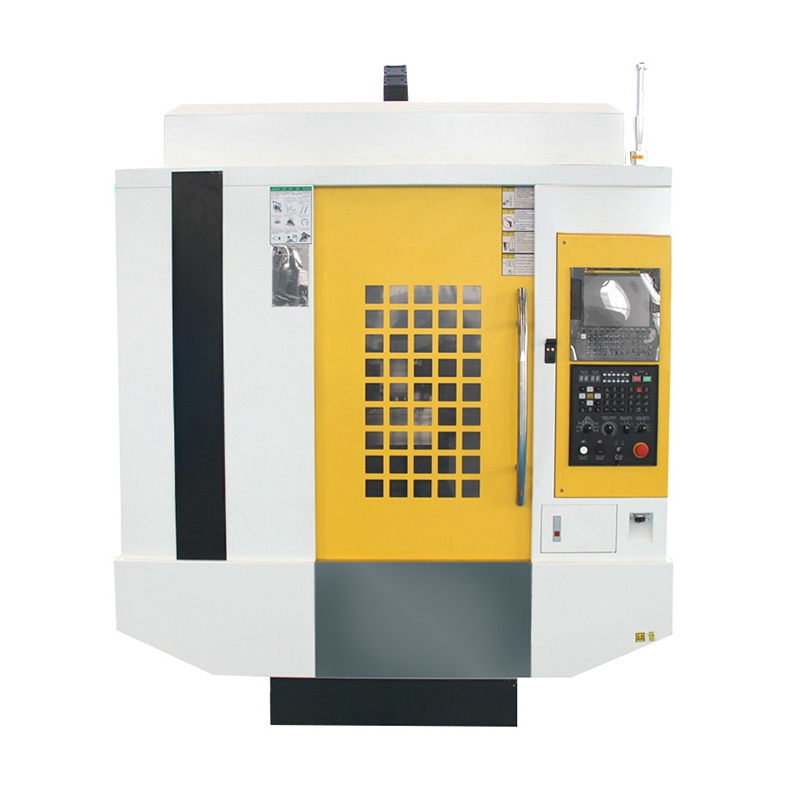 CNC Drilling and Tapping Machin
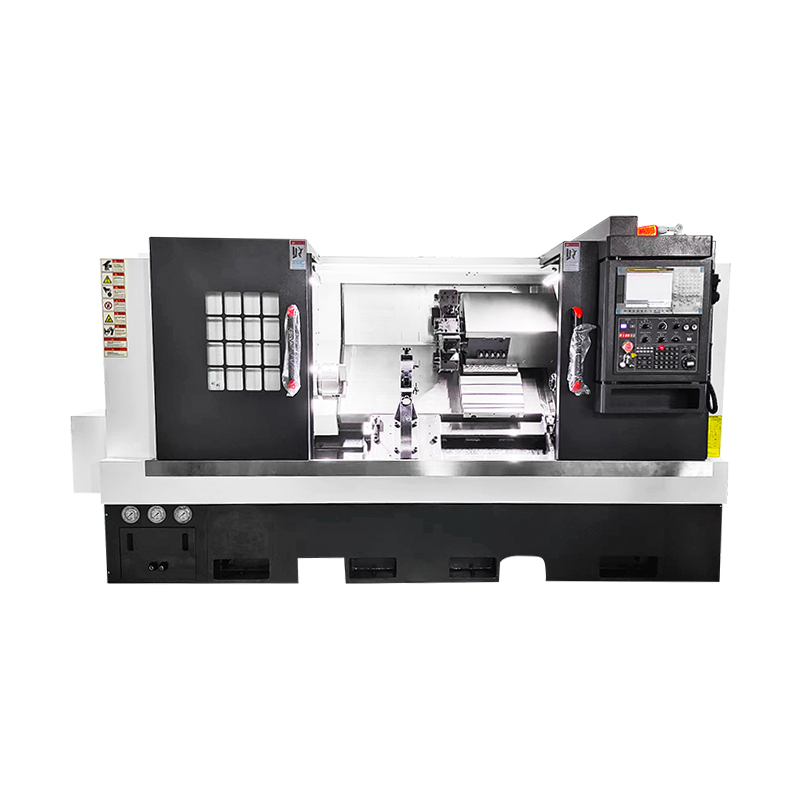 CNC Lathe Machine
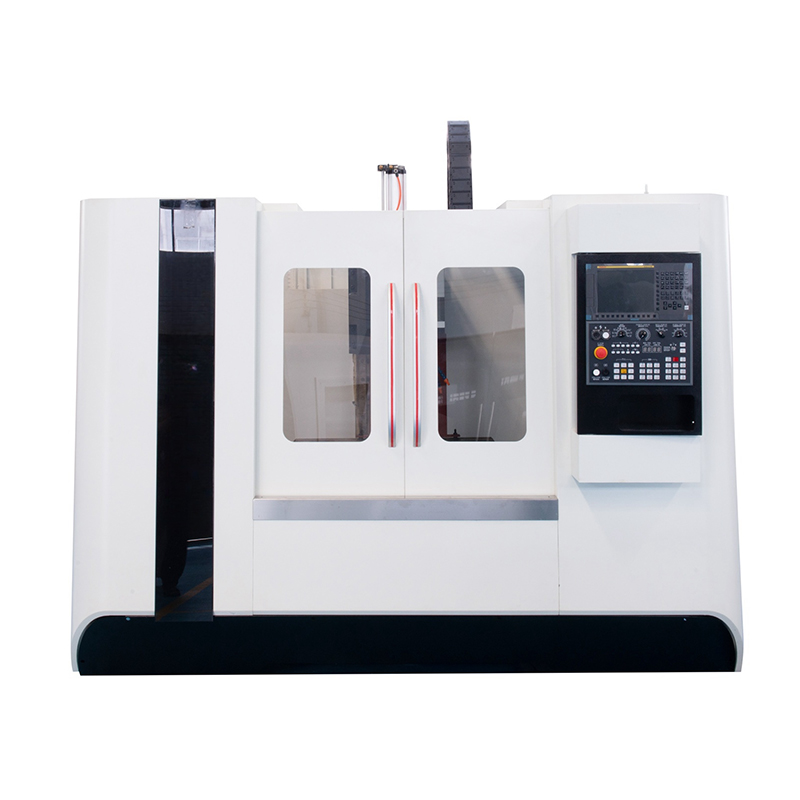 CNC Machine
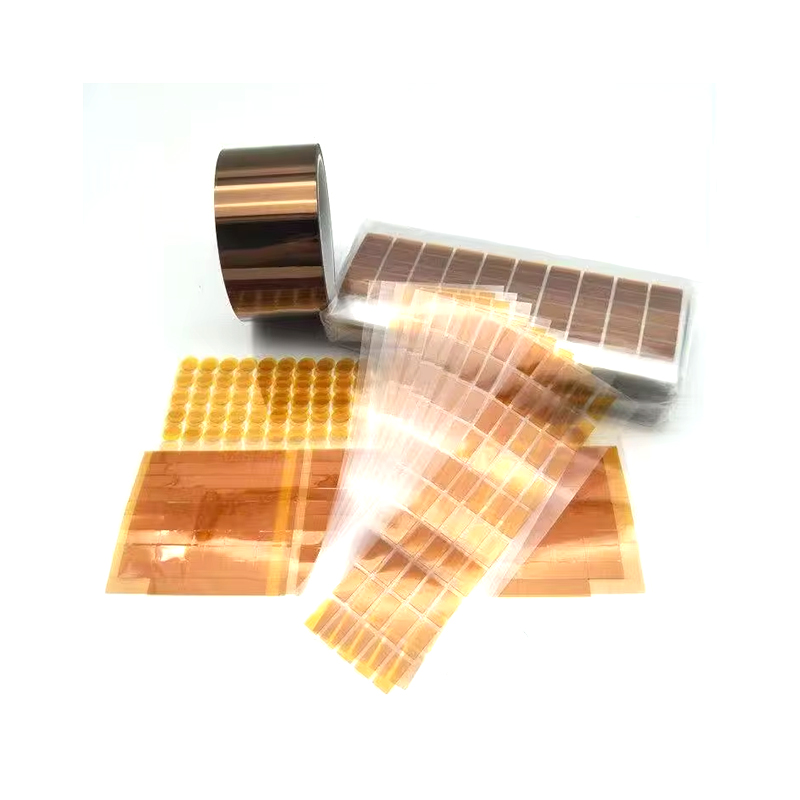 Cutomized Die-Cutting Products for Electronics Industry
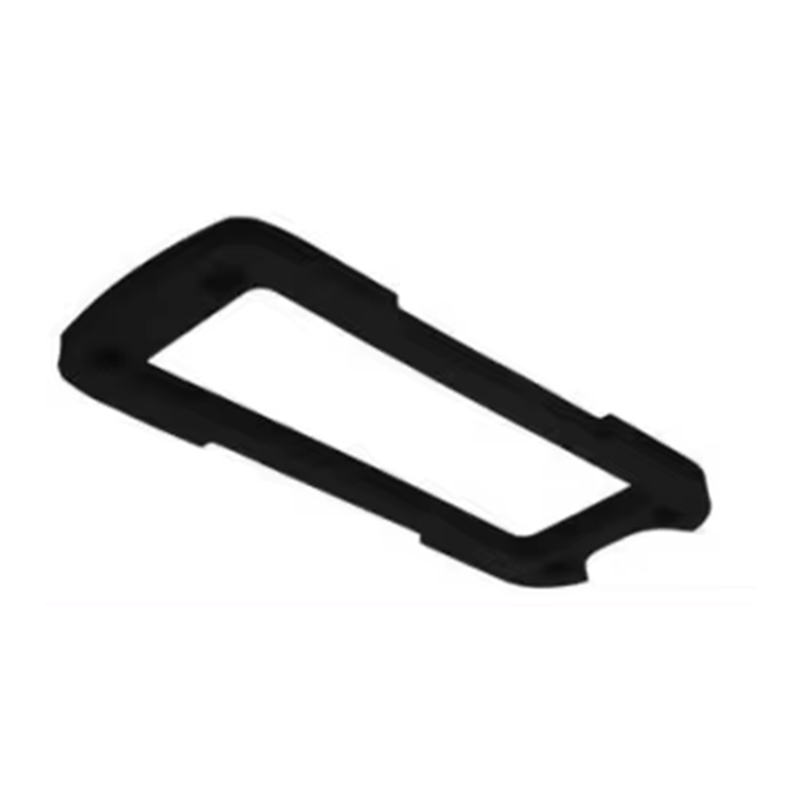 New Energy Automation Die Cutting Products
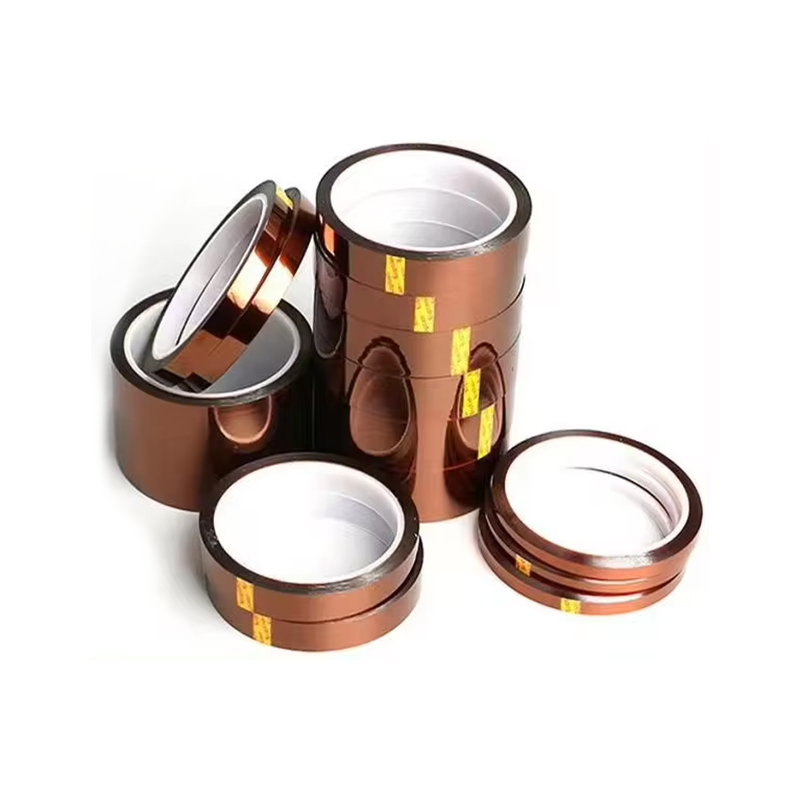 Customeized Die-Cut Products in Package Industry
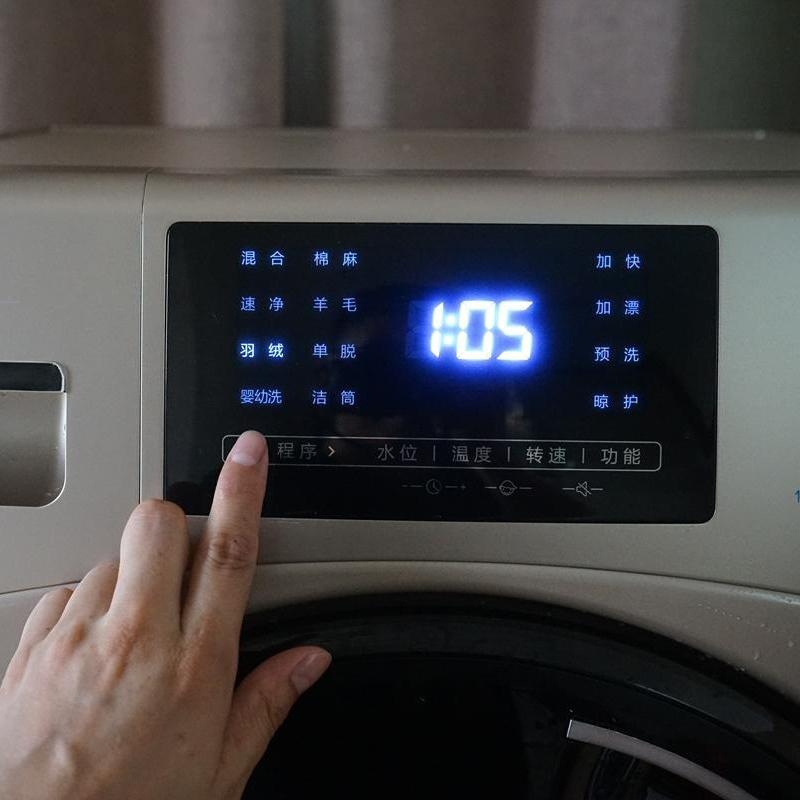 Bespoke Touch Screen for Gaming and Entertainment Devices
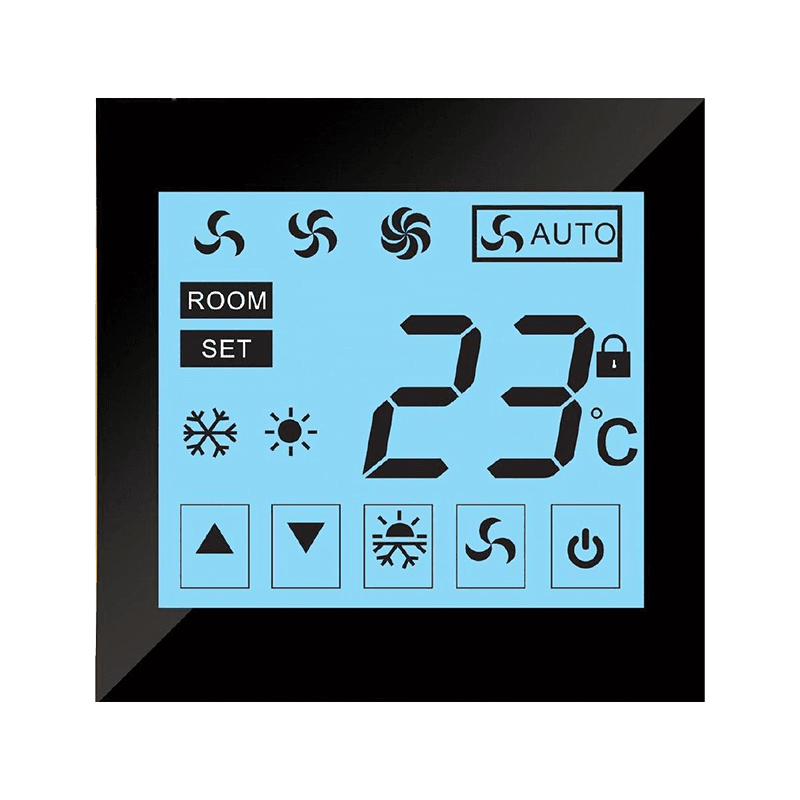 Custom Touch Screen in Smart Home Industry
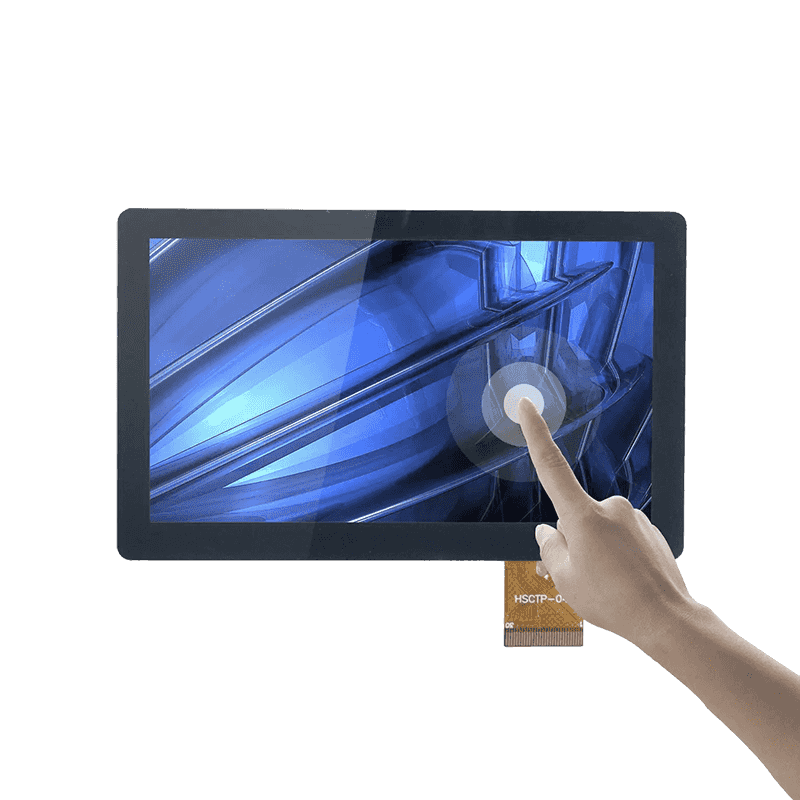 Customized Personalized Touch Panel Screen
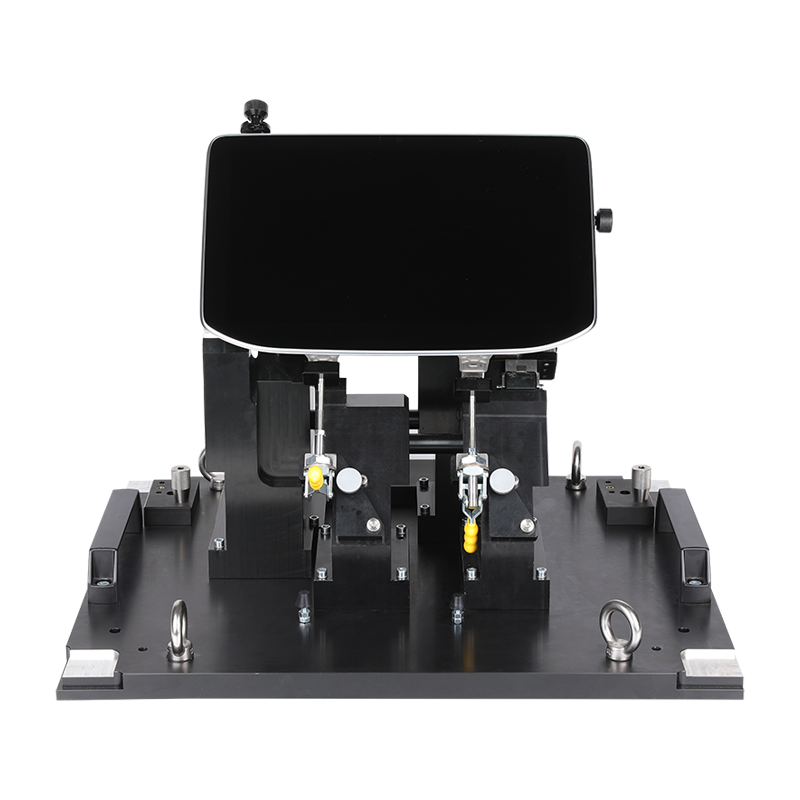 Design Manufacturing and Assembly of Special Customized Custom Electrical Cabinet
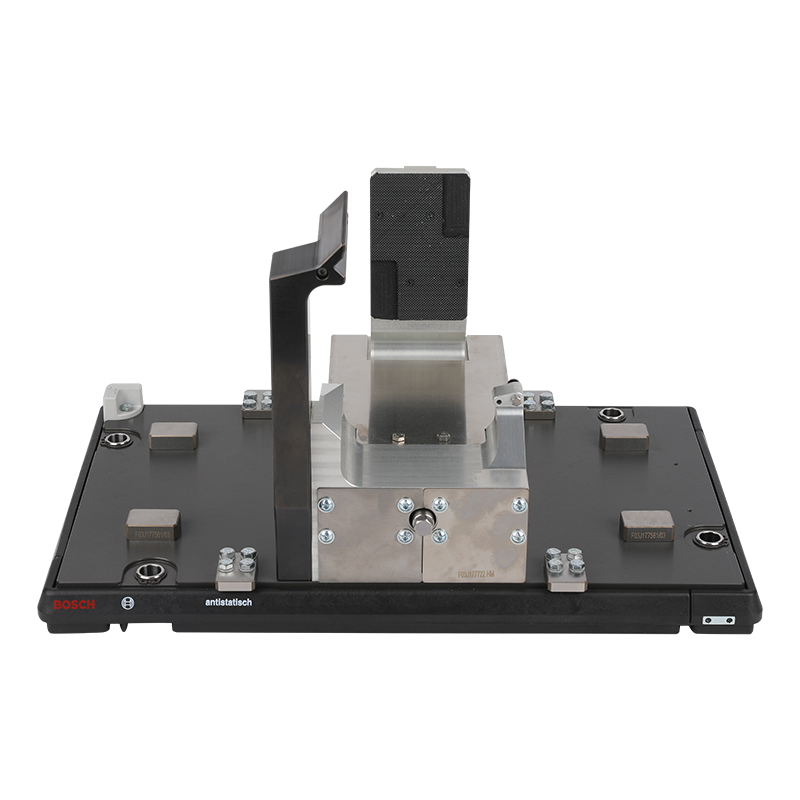 Industrial Robot Automatic Production Line Design Manufacture and Assembly
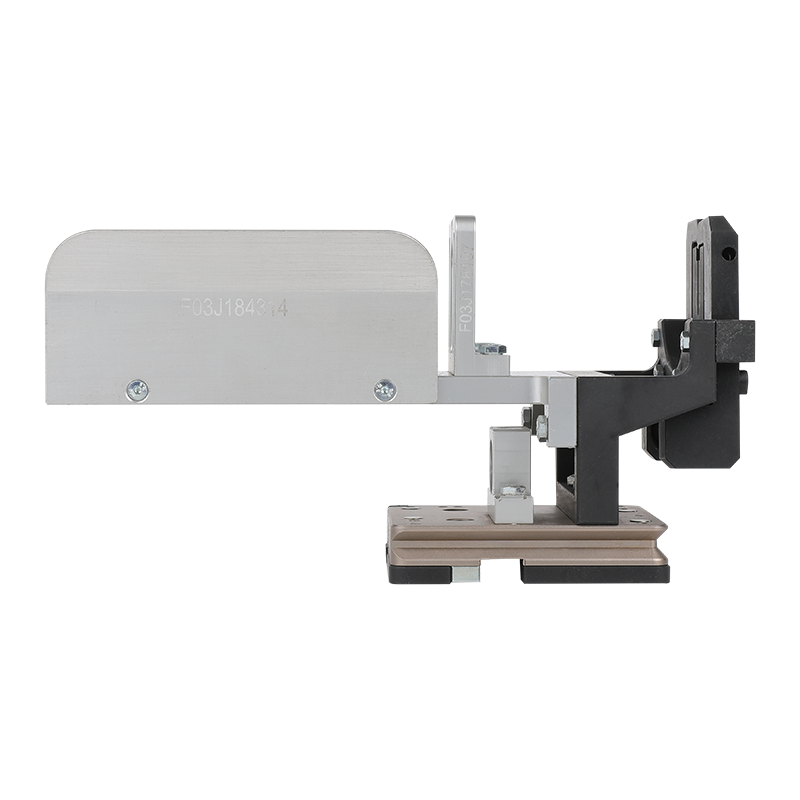 Customized Design Automation Equipment

+86-18118122885

+86-512-66233336

joy.qian@szhengmai.com

No. 8, Guangdian Road, Guangfu Town, Wuzhong District, Suzhou, Jiangsu, China.
Copyright © 2023 Suzhou Heimat Precision Machinery Co., Ltd. All Rights Reserved.Custom CNC Parts Processing Manufacturers

|
 Previous