 English
 русский
News
Home / News / Industry News / Why Do Top Engineers Prefer Custom Mechanical Parts Over Standard Components?

 English
 Search
Suzhou Heimat Precision Machinery Co., Ltd.
+86-18118122885
joy.qian@szhengmai.com
Custom mechanical parts are uniquely designed and manufactured components tailored to meet specific functional, dimensional, and performance requirements that standard off-the-shelf products cannot fulfill. They serve as the fundamental building blocks for specialized machinery, directly determining the operational efficiency, reliability, and lifespan of complex equipment. Rather than forcing engineers to compromise their designs to fit available standard parts, custom manufacturing reverses this paradigm, ensuring the component integrates perfectly into the overall system. In high-stakes industries where precision and durability are non-negotiable, relying on bespoke components is not merely an option but a strict operational necessity. The ability to dictate exact material composition, geometric tolerances, and surface treatments provides an unmatched competitive advantage in product development.
Standard components are highly convenient and cost-effective for generalized applications, but they fall short when machinery operates under extreme or highly specialized conditions. Engineers must transition to custom solutions when facing specific physical and operational constraints that generic parts simply cannot withstand. Understanding these scenarios helps manufacturing teams avoid premature equipment failure and costly unplanned downtime.
When machinery operates in environments characterized by severe temperature fluctuations, continuous exposure to corrosive chemicals, or high-pressure vacuums, standard materials and dimensions often fail rapidly. For example, a standard steel bearing will degrade quickly in a marine environment due to saltwater corrosion. A custom mechanical part can be manufactured from specialized marine-grade alloys or treated with advanced anti-corrosive coatings, extending its operational lifespan significantly. Similarly, in cryogenic applications, standard metals become brittle and fracture, necessitating custom components made from specific austenitic stainless steels or titanium alloys that retain ductility at sub-zero temperatures.
Modern engineering frequently demands miniaturization or the integration of mechanisms into irregular, pre-existing spaces. Aerospace actuators, medical surgical tools, and advanced robotics all require parts that fit within highly specific volumetric envelopes. Standard gears or housings are rarely available in the exact asymmetric shapes or ultra-compact sizes required. Custom mechanical parts allow designers to optimize every millimeter of available space, removing unnecessary bulk while maintaining structural integrity. This spatial optimization often leads to lighter overall assemblies, which directly improves energy efficiency and payload capacity in mobile machinery.
In applications such as CNC machine tools, optical alignment equipment, and semiconductor manufacturing, the margin for error is microscopic. Standard components generally come with wide commercial tolerances that introduce unacceptable backlash, vibration, or misalignment. Custom parts can be machined to microscopic tolerances, ensuring that moving parts interact with zero unnecessary play. By specifying exact gear profiles, shaft alignments, and surface finishes, engineers achieve a level of kinematic accuracy that mass-produced items fundamentally cannot provide.
The method used to create a custom mechanical part dictates its physical properties, dimensional accuracy, surface finish, and overall production cost. Selecting the appropriate manufacturing process is a critical engineering decision that must align with the part's geometry, material, and intended application. While dozens of subprocesses exist, the following represent the core methodologies utilized in modern custom part fabrication.
Computer Numerical Control (CNC) machining is the backbone of custom mechanical part manufacturing. It utilizes computer-directed cutting tools to remove material from a solid block, achieving exceptionally tight tolerances and complex geometries. CNC milling is ideal for creating flat surfaces, pockets, and complex 3D contours, while CNC turning excels at producing cylindrical components like shafts, bushings, and flanges. Multi-axis CNC machines can manufacture highly intricate parts in a single setup, which minimizes the cumulative error associated with repositioning the workpiece. This process is highly versatile, capable of working with metals, plastics, and composites, and it produces parts with excellent surface finishes straight off the machine.
Commonly known as 3D printing, additive manufacturing builds parts layer by layer from digital models. Unlike subtractive methods, it generates virtually zero material waste and can create internal geometries—such as conformal cooling channels or lattice structures—that are physically impossible to machine. Metal additive manufacturing techniques, such as Direct Metal Laser Sintering (DMLS), are increasingly used to produce custom mechanical parts for aerospace and medical industries. While traditionally used for rapid prototyping, advances in material science have made additive manufacturing viable for producing end-use functional components that withstand high mechanical loads.
For custom mechanical parts that require thin, durable structures—such as enclosures, brackets, chassis, and ducting—sheet metal fabrication is the optimal choice. This process involves cutting, bending, welding, and stamping flat metal sheets into desired shapes. Laser cutting provides highly precise and burr-free edges, while CNC press braking ensures accurate angular bends. Sheet metal fabrication is highly scalable; once the initial tooling or programming is established, producing additional units is rapid and cost-effective, making it ideal for custom structural components needed in medium to high volumes.
The performance of a custom mechanical part is only as good as the material it is made from. Material selection is a complex balancing act between mechanical properties, environmental resistance, manufacturability, and economic feasibility. Engineers must evaluate how a material behaves under static loads, dynamic fatigue, thermal cycling, and chemical exposure to ensure the custom part performs reliably throughout its intended service life.
Metals remain the dominant choice for custom mechanical parts due to their exceptional strength, stiffness, and thermal conductivity. Aluminum alloys are favored for their high strength-to-weight ratio, making them perfect for aerospace and automotive applications where reducing mass is critical. Steel alloys provide superior tensile strength and wear resistance, ideal for gears, shafts, and structural load-bearing components. Stainless steel is selected when corrosion resistance is paramount, though it is more challenging to machine than carbon steel. For the most extreme thermal and corrosive environments, exotic metals like titanium and Inconel are utilized, offering high performance at a significantly higher material and machining cost.
Not all custom mechanical parts require the brute strength of metal. Engineering plastics such as PEEK, Nylon, UHMW, and Delrin offer unique advantages, including natural lubricity, chemical inertness, and electrical insulation. These materials are significantly lighter than metals and can absorb vibrations, making them excellent for custom bushings, wear pads, and fluid handling components. Furthermore, plastics can be machined much faster than metals, drastically reducing cycle times and production costs for low-volume custom runs. However, engineers must account for their lower thermal limits and higher coefficients of thermal expansion when designing the part geometry.
| Material Category | Key Advantages | Typical Custom Applications |
|---|---|---|
| Aluminum Alloys | Lightweight, excellent machinability | Aircraft brackets, robotic arms |
| Stainless Steel | High corrosion resistance, durable | Food processing valves, marine hardware |
| Engineering Plastics | Self-lubricating, chemically inert | Insulating bushings, fluid seals |
| Titanium | Extreme strength, biocompatible | Medical implants, racing engine parts |
Transitioning a conceptual mechanical need into a physical custom part requires a rigorous, structured design workflow. Skipping steps or lacking proper communication between the designer and the manufacturer frequently results in parts that fail in the field or are prohibitively expensive to produce. A methodical approach ensures that the final component is fully optimized for both performance and manufacturability.
The process begins with a comprehensive definition of the part's operational environment, load-bearing requirements, mating components, and lifecycle expectations. Engineers must ask critical questions: Will this part experience continuous cyclic loading? What is the maximum operating temperature? Are there specific regulatory standards it must meet? Once these parameters are established, a feasibility analysis is conducted to determine if the desired geometry can actually be manufactured using available processes. Identifying potential manufacturing roadblocks at this initial stage prevents costly redesigns later in the development cycle.
Using advanced Computer-Aided Design (CAD) software, engineers create a precise digital twin of the custom mechanical part. Modern CAD platforms allow for parametric modeling, where dimensions can be easily adjusted to test different design iterations. Crucially, this digital model is then subjected to Finite Element Analysis (FEA) and Computational Fluid Dynamics (CFD). These simulation tools apply virtual physical forces to the model, highlighting areas of high stress, thermal hotspots, or fluid turbulence before any metal is ever cut. This virtual testing phase allows designers to add material where it is needed and remove it where it is not, resulting in a highly optimized, lightweight component.
Despite advanced simulations, physical prototyping remains an essential step for custom mechanical parts. Prototypes are typically manufactured using rapid processes like 3D printing or soft tooling to quickly validate the part's fit, form, and function within the actual assembly. Engineers physically test the prototype, checking for interference with adjacent parts, ease of assembly, and real-world performance against the simulated data. Feedback from this testing phase inevitably leads to minor dimensional tweaks or material changes, which are updated in the CAD model before final production authorization is granted.
A perfectly functional design on a computer screen is useless if it cannot be efficiently manufactured. Design for Manufacturability (DFM) is the practice of designing parts with the specific capabilities and limitations of the manufacturing process in mind. Applying DFM principles significantly reduces production time, minimizes material waste, and lowers the overall cost of custom mechanical parts without compromising their structural integrity.
Complex geometries often require multiple machine setups, specialized cutting tools, or manual intervention, all of which drive up costs. DFM principles dictate designing parts with standard tool radii, avoiding deep pockets with sharp internal corners, and minimizing undercuts. By designing a custom bracket so that it can be machined in two or three orientations rather than five, a manufacturer can drastically reduce machining hours. Simplifying the geometry does not mean dumbing down the design; rather, it means achieving the same functional outcome through the most efficient manufacturing path.
One of the most common mistakes in custom part design is over-tolerancing. Specifying a tight tolerance on a non-critical dimension exponentially increases the machining time, as the operator must slow down the cutting process, use finer tools, and perform multiple inspection passes. Engineers must rigorously analyze which surfaces are truly critical for the part's function—such as bearing journals or sealing faces—and assign tight tolerances only to those specific features. Non-critical dimensions, such as external fillets or non-mating edges, should be assigned standard commercial tolerances to keep the part economical to produce.
Custom surface finishes and secondary operations—such as anodizing, plating, or heat treating—add time and expense to the manufacturing process. DFM encourages designers to use standard surface finish callouts, like standard machining marks, wherever visual aesthetics are not the primary concern. Additionally, using standard threaded hole sizes and counterbore dimensions ensures that the manufacturer can use off-the-shelf taps and tools, avoiding the delay and cost of ordering custom tooling for a single unique feature.
Because custom mechanical parts are often integrated into safety-critical or high-value systems, rigorous quality assurance is mandatory. Unlike mass-produced items where statistical sampling might be acceptable, custom manufacturing frequently requires 100% inspection of critical dimensions to guarantee that every single part meets the engineering specifications.
Verifying the accuracy of a custom part requires sophisticated measurement tools. Coordinate Measuring Machines (CMMs) use a probing system to map the physical XYZ coordinates of a part and compare them directly to the CAD model, identifying any deviations down to the micron level. For parts with complex internal geometries or freeform surfaces, 3D optical scanners and laser trackers are utilized to capture millions of data points rapidly. Surface roughness is measured using profilometers to ensure that finishes meet the specifications required for proper sealing or bearing functionality.
Dimensional accuracy does not guarantee structural integrity. Custom mechanical parts, particularly those made from castings, weldments, or high-strength alloys, are often subjected to non-destructive testing (NDT) to detect subsurface flaws invisible to the naked eye. Techniques such as dye penetrant inspection reveal surface cracks, while magnetic particle inspection identifies near-surface defects in ferromagnetic materials. For the most critical components, X-ray or ultrasonic testing is employed to peer deep inside the part, ensuring there are no internal voids, porosity, or inclusions that could lead to catastrophic failure under operational stress.
The true value of custom mechanical parts is best understood by examining how they are applied across different sectors. Each industry presents unique challenges that standard components cannot resolve, demonstrating the versatility and necessity of bespoke manufacturing solutions.
The aerospace industry operates under extreme weight restrictions and uncompromising safety standards. Custom mechanical parts are used extensively in jet engines, landing gear assemblies, and flight control actuators. For instance, engine turbine blades are custom-designed with complex internal cooling passages that can only be manufactured using advanced additive manufacturing or multi-axis EDM (Electrical Discharge Machining). These bespoke parts allow engines to operate at higher temperatures, which directly improves fuel efficiency and thrust. In aerospace applications, custom components frequently reduce part weight while simultaneously increasing structural lifespan by significant margins.
Medical devices, particularly surgical instruments and implantable orthopedic hardware, must be tailored to the unique anatomical requirements of human patients. Standard plates and screws are rarely a perfect fit for complex bone fractures. Custom mechanical parts, machined from biocompatible materials like titanium or PEEK, are designed based on patient CT scans to match the exact contour of the bone. Furthermore, custom surgical tools allow surgeons to access tight anatomical spaces with specialized articulating joints and grips that standard instruments lack, improving surgical outcomes and reducing patient recovery times.
As factories transition to highly automated environments, the demand for custom robotic end-effectors, specialized grippers, and precision linear actuators has surged. A robotic arm designed to package fragile food items requires a custom gripper with specific force-limiting mechanisms and food-grade surface treatments. Standard grippers are either too harsh or lack the necessary sanitary certifications. Custom mechanical parts allow automation engineers to design exactly what the system needs, resulting in faster cycle times, reduced product damage, and improved overall equipment effectiveness (OEE) on the production line.
While custom mechanical parts offer unparalleled performance benefits, they inevitably require an investment of both time and money compared to ordering from a catalog. Successful project management requires a deep understanding of the factors that influence these variables and strategies to optimize them without sacrificing quality.
The cost of a custom part is driven by material expenses, machine setup time, machining hours, and secondary operations. Setup time is often the largest hidden cost in low-volume custom manufacturing; the time spent programming the machine, fixturing the raw material, and proving out the first article is amortized over the total number of parts ordered. Therefore, ordering ten parts is not simply ten times the cost of one. Additionally, exotic materials and tight tolerances require slower machining speeds and specialized tooling, which drastically increases the per-hour machining cost.
Lead time is frequently just as critical as cost, especially in research and development or emergency maintenance scenarios. To accelerate the delivery of custom mechanical parts, engineers can employ several strategies. Utilizing standardized raw material stock sizes prevents delays associated with sourcing special billets. Designing parts that can be manufactured in a single setup eliminates the queue time associated with moving the part between different machines. Furthermore, leveraging multi-process manufacturing facilities that offer both rapid 3D printing for prototypes and CNC machining for final parts under one roof eliminates the logistical delays of shipping between multiple suppliers.
The landscape of custom mechanical parts is evolving rapidly, driven by advancements in digital technology and material science. These trends are breaking down the traditional barriers of cost and lead time, making custom components accessible to a wider range of industries and applications.
Artificial intelligence is beginning to play a transformative role in the custom manufacturing process. Generative design software uses AI algorithms to explore thousands of geometric permutations based on defined load paths and constraints, producing organic, highly optimized part designs that a human engineer would never conceive. These AI-generated parts often use significantly less material while maintaining or exceeding the strength of traditional designs. Furthermore, AI is being integrated into CNC machining controllers to optimize cutting paths in real-time, reducing machining time and preventing tool breakage.
The future of custom mechanical parts lies in hybrid manufacturing—the seamless combination of additive and subtractive processes within a single machine. A hybrid machine might 3D print a complex metal near-net shape, adding material only where it is needed, and then automatically switch to CNC milling tools to machine the critical mating surfaces to precise tolerances. This approach offers the geometric freedom of 3D printing with the dimensional accuracy of CNC machining, eliminating the need for multiple setups, manual material handling, and the errors associated with transferring parts between different manufacturing stations.
As custom mechanical parts become more integrated into complex systems, the use of digital twins is expanding. A digital twin is a live, data-driven virtual replica of the physical part operating in the field. By feeding real-time sensor data—such as vibration, temperature, and strain—into the digital twin, engineers can monitor the exact health of the custom component. This predictive capability allows maintenance teams to replace custom parts exactly when they approach their fatigue limit, preventing catastrophic failure while avoiding the waste of replacing parts that still have useful life remaining.
If you have any questions, please fill out the contact form at the bottom of the page and contact us.
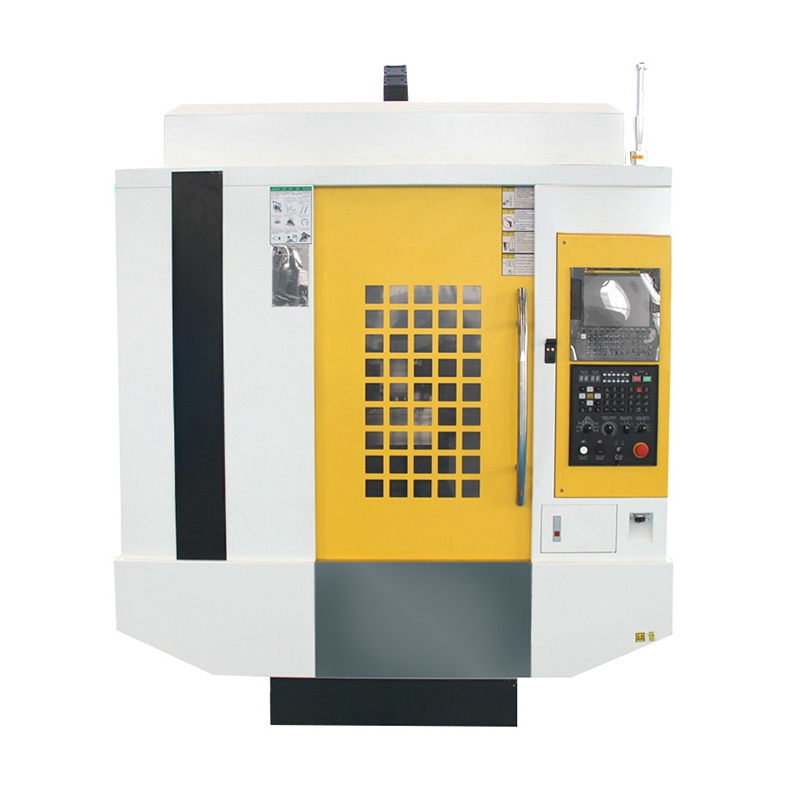 CNC Drilling and Tapping Machin
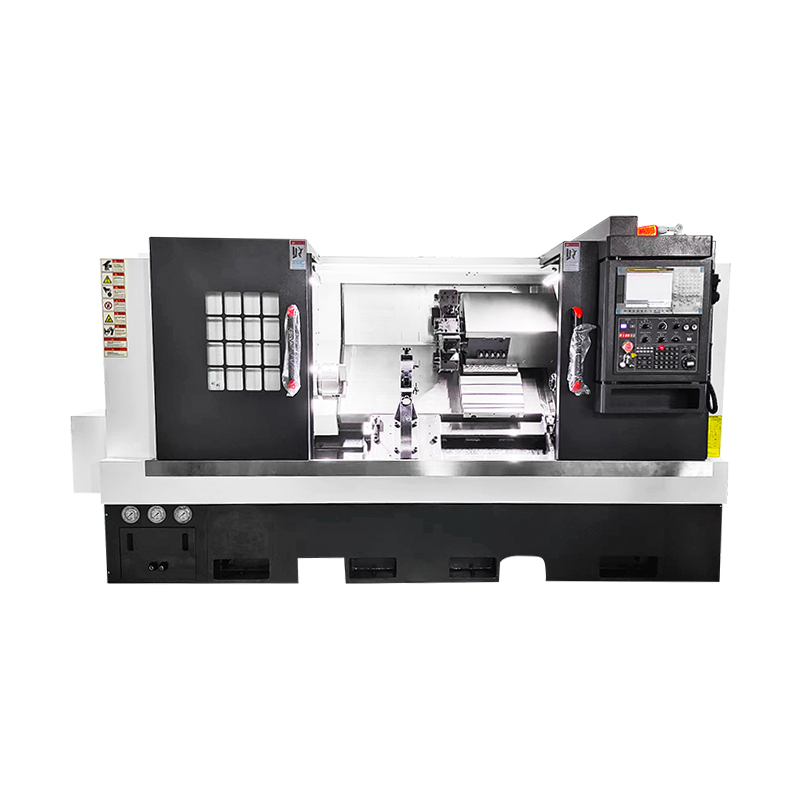 CNC Lathe Machine
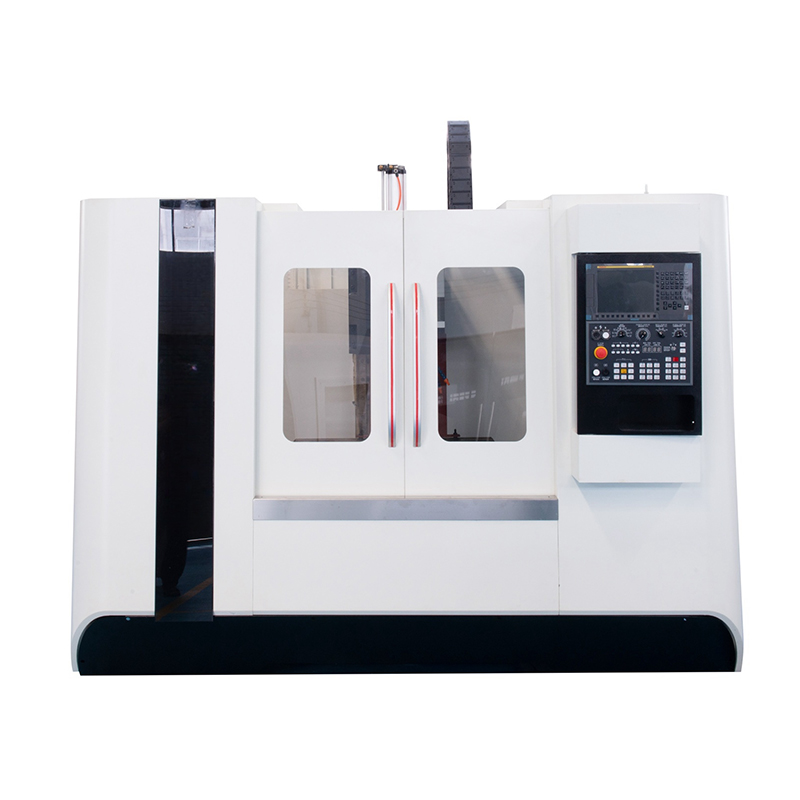 CNC Machine
 Cutomized Die-Cutting Products for Electronics Industry
 New Energy Automation Die Cutting Products
 Customeized Die-Cut Products in Package Industry
 Bespoke Touch Screen for Gaming and Entertainment Devices
 Custom Touch Screen in Smart Home Industry
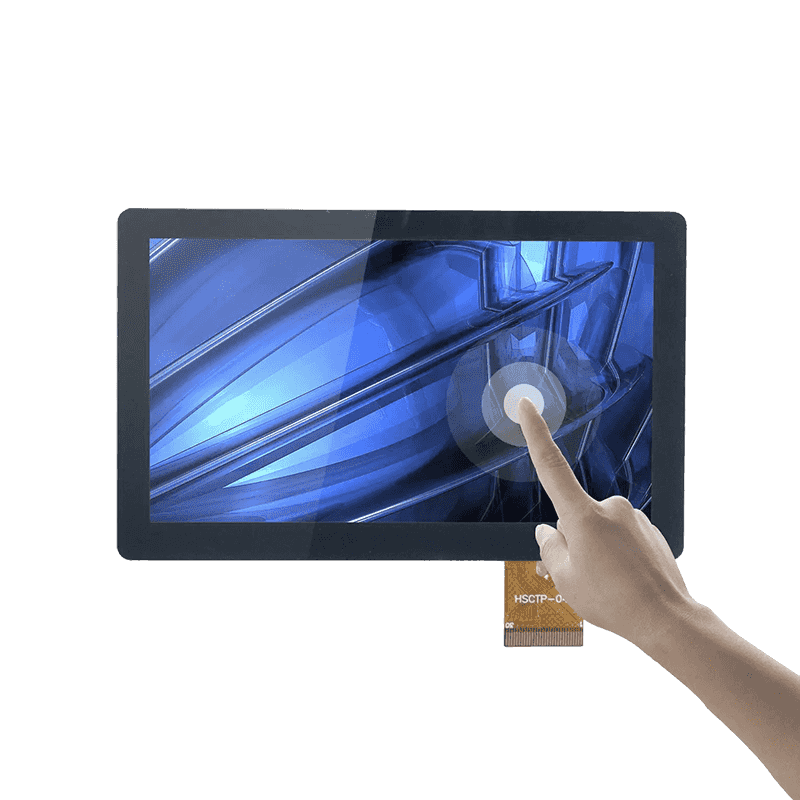 Customized Personalized Touch Panel Screen
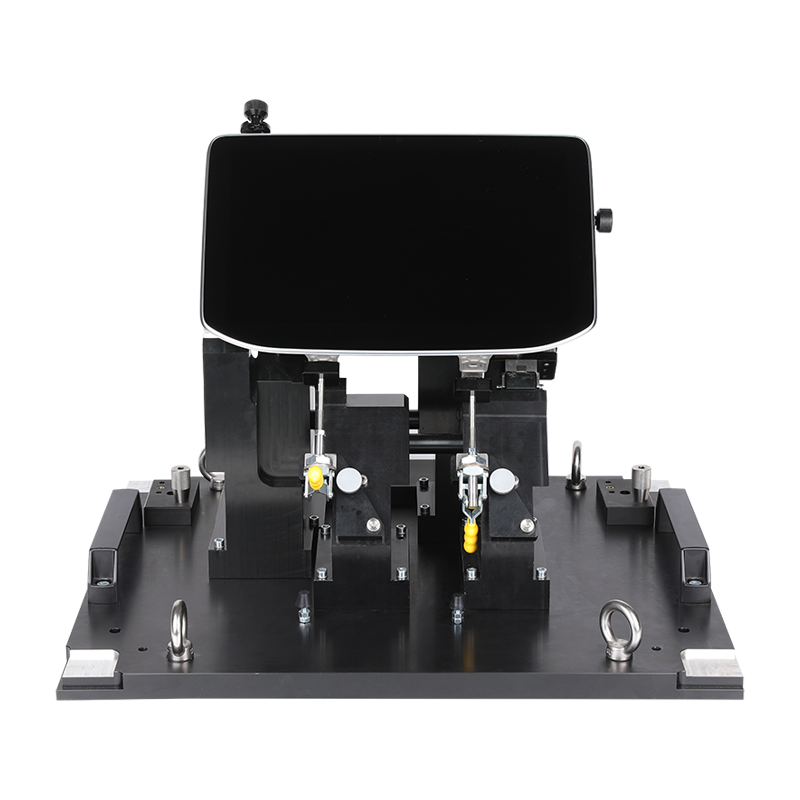 Design Manufacturing and Assembly of Special Customized Custom Electrical Cabinet
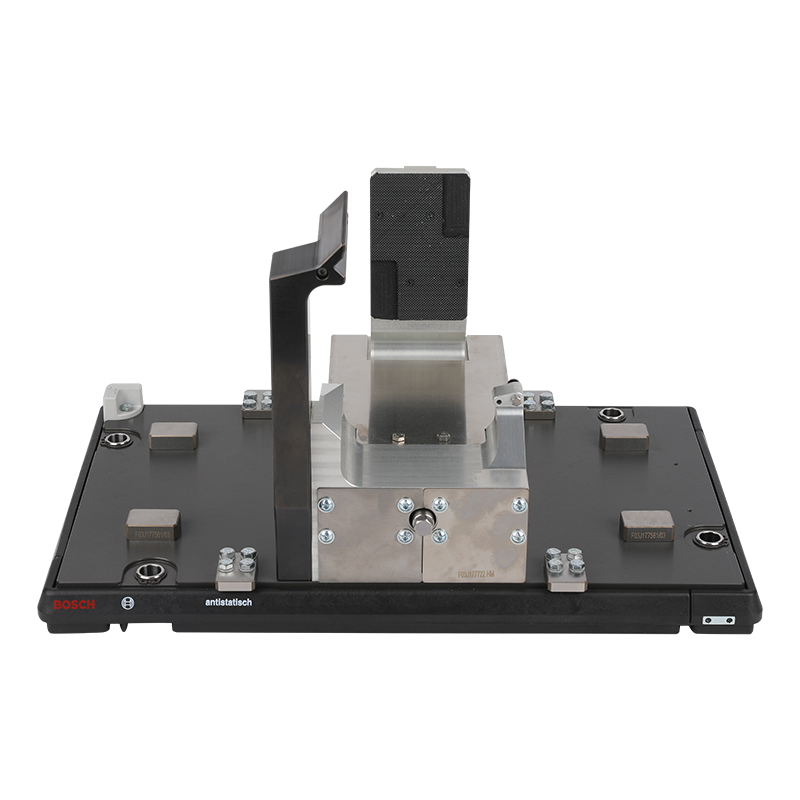 Industrial Robot Automatic Production Line Design Manufacture and Assembly
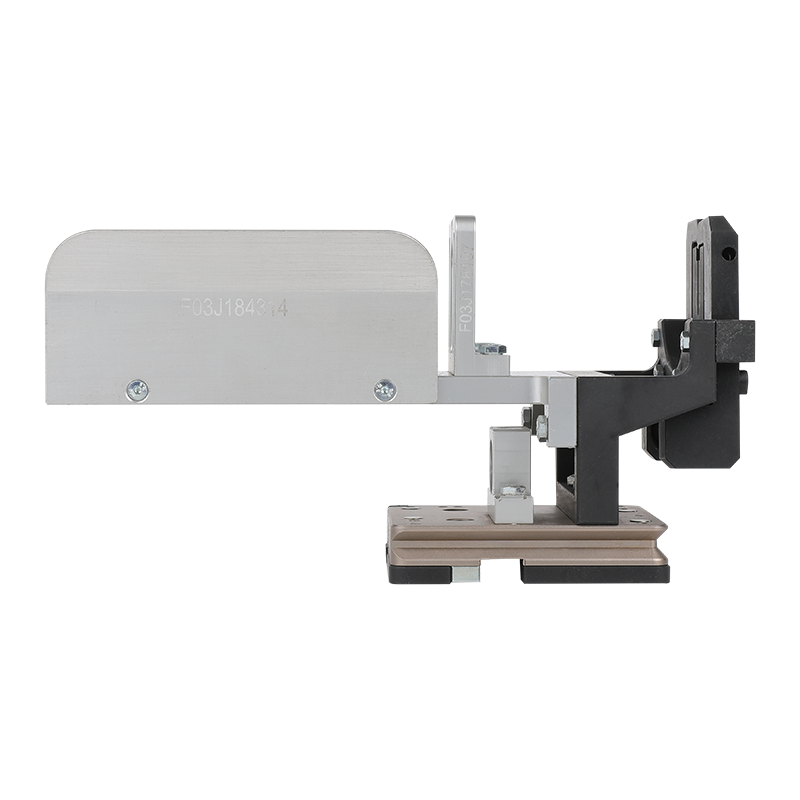 Customized Design Automation Equipment

+86-18118122885

+86-512-66233336

joy.qian@szhengmai.com

No. 8, Guangdian Road, Guangfu Town, Wuzhong District, Suzhou, Jiangsu, China.
Copyright © 2023 Suzhou Heimat Precision Machinery Co., Ltd. All Rights Reserved.Custom CNC Parts Processing Manufacturers

|
 Previous