 English
 русский
News
Home / News / Industry News / What core capabilities must a high-quality CNC machining manufacturer possess?

 English
 Search
Suzhou Heimat Precision Machinery Co., Ltd.
+86-18118122885
joy.qian@szhengmai.com
Choosing the right CNC machining manufacturer is the most critical decision for ensuring the precision, quality, and functional reliability of custom-machined parts. A professional manufacturing partner does much more than simply execute a design; they provide comprehensive engineering insights, optimize production efficiency, and guarantee that the final components meet strict industry standards. By leveraging advanced multi-axis machinery and rigorous quality control protocols, a top-tier manufacturer directly transforms raw materials into high-value, dimensionally accurate products, significantly reducing lead times and minimizing costly material waste.
For any industry requiring custom components—whether aerospace, medical, automotive, or industrial equipment—the fundamental answer to achieving manufacturing excellence lies in collaborating with an experienced and well-equipped CNC machining manufacturer. They serve as the vital bridge between conceptual design and physical reality, ensuring that every machined feature adheres strictly to the required geometric tolerances and surface finish specifications.
Understanding the technical capabilities of a CNC machining manufacturer is essential for evaluating whether they can handle specific project requirements. Modern CNC facilities encompass a wide range of subtractive manufacturing processes, each designed to address different geometric complexities and material characteristics.
CNC milling is the cornerstone of custom part fabrication. While standard 3-axis milling is suitable for simpler geometries, advanced manufacturers utilize 4-axis and 5-axis CNC machining centers. 5-axis CNC machining allows the cutting tool to move along five different axes simultaneously, which is crucial for manufacturing complex parts with intricate features, deep cavities, or contoured surfaces. This capability eliminates the need for multiple setups, thereby reducing the accumulation of positioning errors and ensuring superior geometric accuracy.
For cylindrical or conical components, CNC turning is the primary method. Modern CNC lathes are often equipped with live tooling, enabling them to perform milling, drilling, and tapping operations in a single setup. This combination of turning and milling, known as mill-turn machining, drastically reduces cycle times and improves concentricity for parts that feature both rotational and prismatic elements.
A reliable CNC machining manufacturer does not just deliver parts straight off the machine. They offer an array of post-processing and surface finishing services to enhance both the aesthetics and functional performance of the components. Common finishing techniques include anodizing, powder coating, bead blasting, polishing, and plating. These treatments improve corrosion resistance, surface hardness, and electrical conductivity, ensuring the part performs reliably in its intended environment.
One of the defining characteristics of an expert CNC machining manufacturer is their ability to process a diverse range of materials. The choice of material directly dictates the machining parameters, tooling selection, and ultimate performance of the part.
Metals remain the most commonly machined materials due to their excellent mechanical properties. Aluminum alloys are widely favored for their exceptional strength-to-weight ratio and superior machinability. Stainless steel is chosen for its high strength and outstanding corrosion resistance, making it ideal for harsh environments. Titanium, while more challenging to machine, is indispensable in the aerospace and medical sectors due to its high temperature tolerance and biocompatibility. Brass and copper are frequently utilized for electrical components because of their excellent thermal and electrical conductivity.
Plastics offer unique advantages such as chemical resistance, electrical insulation, and low density. Materials like Nylon, PEEK, Acetal, and Polycarbonate are frequently machined for prototyping and end-use applications. PEEK, for instance, is highly sought after in the medical and aerospace industries due to its ability to withstand extreme temperatures and aggressive chemicals. Machining plastics requires specialized knowledge, as they behave differently from metals—exhibiting thermal expansion and flexibility during the cutting process.
| Material Group | Key Characteristics | Typical Applications |
|---|---|---|
| Aluminum Alloys | Lightweight, excellent machinability | Aerospace brackets, automotive housings |
| Stainless Steel | High strength, corrosion resistance | Medical instruments, marine hardware |
| Titanium | High temperature tolerance, biocompatible | Aerospace fasteners, orthopedic implants |
| Engineering Plastics | Chemical resistance, electrical insulation | Insulators, wear-resistant bushings |
Precision machining is meaningless without verifiable quality control. A reputable CNC machining manufacturer invests heavily in advanced metrology equipment and standardized inspection processes to guarantee that every part meets the customer's exact specifications.
Quality assurance should not be an afterthought; it must be integrated into the entire manufacturing workflow. In-process inspections are conducted during machining to catch deviations early, preventing the accumulation of errors and reducing scrap rates. Final inspections are comprehensive evaluations performed before shipment, ensuring that all dimensions, surface finishes, and material properties conform strictly to the design blueprints.
To verify complex geometries and tight tolerances, manufacturers utilize advanced measuring tools. Coordinate Measuring Machines (CMM) use contact probes to capture precise three-dimensional data, comparing physical dimensions against the CAD model. Optical comparators and laser scanners are employed for non-contact measurement, which is particularly useful for delicate or highly flexible parts. Statistical Process Control (SPC) is often applied to monitor production trends and maintain consistent quality over large production runs.
The versatility of CNC machining makes it indispensable across a wide spectrum of high-tech and heavy industries. Each sector demands specific certifications, material traceability, and geometric tolerances from their chosen CNC machining manufacturer.
In aerospace, components are subjected to extreme stress, temperature fluctuations, and pressure differentials. Parts such as turbine blades, landing gear components, and structural brackets require exceptional precision and high-strength materials like titanium and Inconel. Manufacturers serving this industry must comply with strict aviation quality standards and maintain full material traceability to ensure absolute safety and reliability.
Medical machining requires the fabrication of intricate, miniature parts such as orthopedic implants, surgical instruments, and diagnostic equipment housings. The use of biocompatible materials is mandatory, and surface finishes must often be flawless to prevent bacterial contamination or tissue irritation. Manufacturers in this space operate under stringent cleanroom and regulatory requirements to guarantee patient safety.
The automotive sector relies on CNC machining for both prototyping and high-volume production of engine components, custom gearboxes, and suspension parts. Industrial equipment manufacturing requires robust, heavy-duty components such as hydraulic manifolds and pump housings. In both fields, efficiency and durability are paramount, and manufacturers must deliver consistent quality at scale to keep production lines running smoothly.
While a skilled CNC machining manufacturer can produce incredibly complex parts, optimizing the design for the machining process—known as Design for Manufacturability (DFM)—can drastically reduce costs, accelerate production, and improve the final product's functionality.
Custom tooling adds significant cost and lead time to a project. Designers should ensure that internal radii, hole diameters, and slots match standard cutter sizes readily available in the manufacturer's inventory. This allows the manufacturer to use existing tools, reducing setup times and eliminating the need for custom tool fabrication.
Extremely deep pockets or cavities require long-reach tools, which are prone to deflection and vibration, leading to poor surface finishes and tool breakage. Similarly, excessively thin walls can vibrate during machining, compromising dimensional accuracy. A practical DFM approach involves maintaining reasonable depth-to-width ratios and increasing wall thickness wherever the application allows, ensuring the part remains structurally rigid during the cutting process.
Sharp internal corners are impossible to achieve with standard round cutting tools; they require time-consuming and expensive electrical discharge machining (EDM). Designing internal corners with standard fillets reduces machining complexity and cost. Likewise, adding chamfers to the edges of holes and part perimeters helps deburr the part naturally during the machining cycle, saving time on manual finishing operations.
Choosing the right CNC machining manufacturer is a strategic decision that directly impacts the success of your project. Beyond basic pricing, several critical factors must be evaluated to ensure a reliable and productive partnership.
The CNC machining industry is undergoing rapid technological evolution. Forward-thinking manufacturers are embracing digital transformation to stay competitive and meet the increasingly sophisticated demands of modern engineering.
To maximize efficiency and reduce operational costs, manufacturers are increasingly implementing robotic arms, automated pallet changers, and tool monitoring systems. Lights-out manufacturing allows CNC machines to operate continuously without human intervention during overnight shifts and weekends, dramatically increasing output and reducing lead times for high-volume orders.
The use of cloud-based manufacturing software and real-time data analytics is revolutionizing production management. Manufacturers can now monitor machine performance, predict tool wear, and schedule preventive maintenance remotely. This data-driven approach minimizes unexpected downtime and ensures that every machine in the facility operates at peak efficiency, resulting in faster turnaround times and higher consistency for the end customer.
The development of new tool coatings and micro-grain carbide materials enables CNC machines to cut harder metals at much higher speeds. These advanced tools dissipate heat more effectively and resist wear, allowing manufacturers to achieve tighter tolerances and superior surface finishes on challenging materials, further expanding the possibilities of what a CNC machining manufacturer can accomplish.
A highly capable CNC machining manufacturer is an indispensable partner in modern product development and industrial production. By understanding their core capabilities, respecting material characteristics, and implementing design for manufacturability principles, engineers and businesses can fully leverage the power of precision machining. The key to success lies in selecting a manufacturing partner that combines advanced technical infrastructure with rigorous quality assurance and proactive engineering support. This collaboration ultimately ensures that custom components are delivered with the utmost precision, efficiency, and reliability, driving innovation across every sector of the manufacturing industry.
If you have any questions, please fill out the contact form at the bottom of the page and contact us.
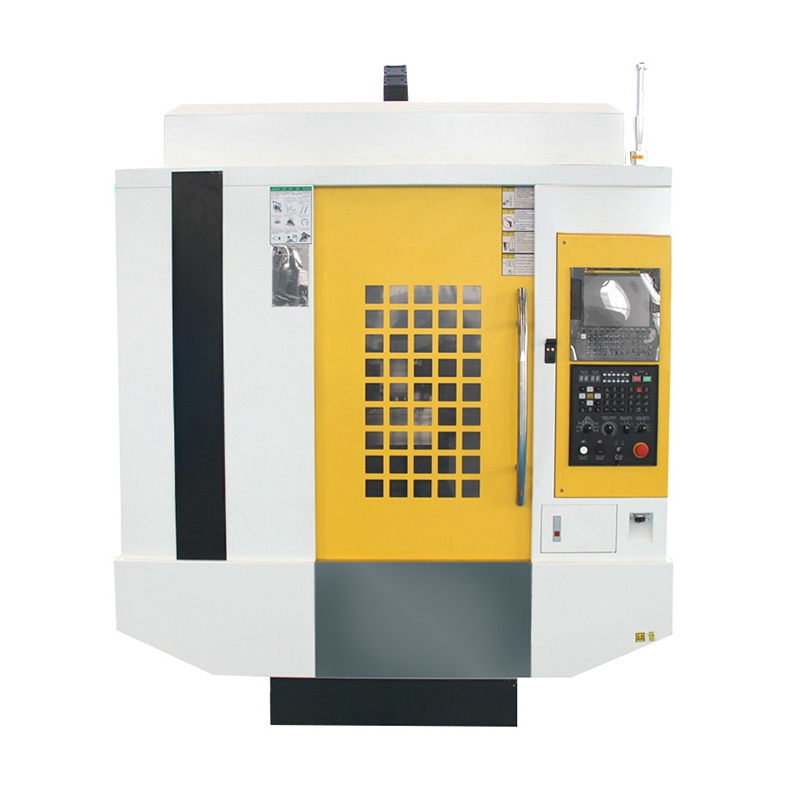 CNC Drilling and Tapping Machin
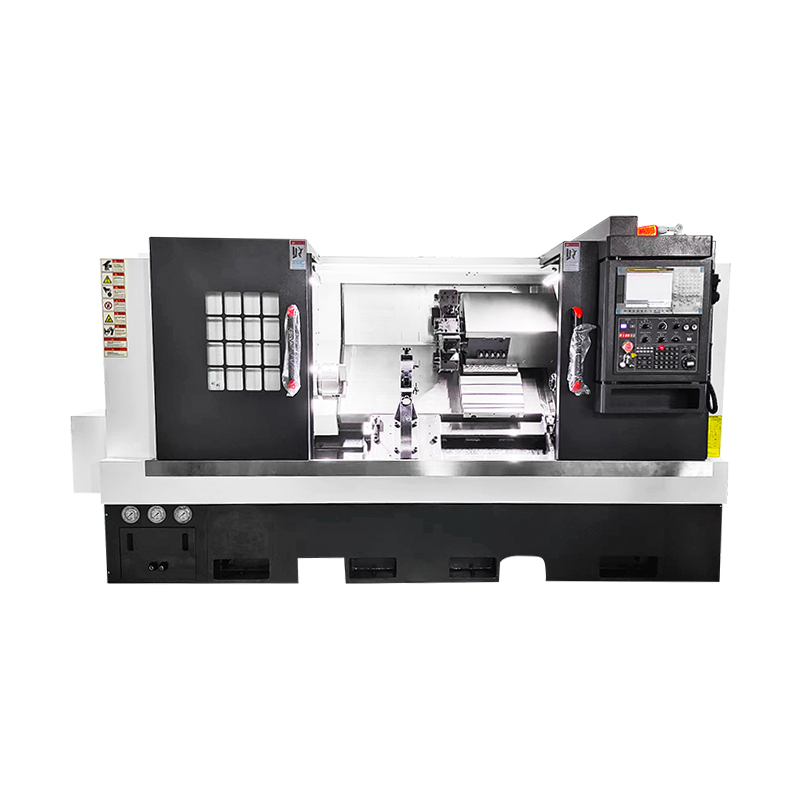 CNC Lathe Machine
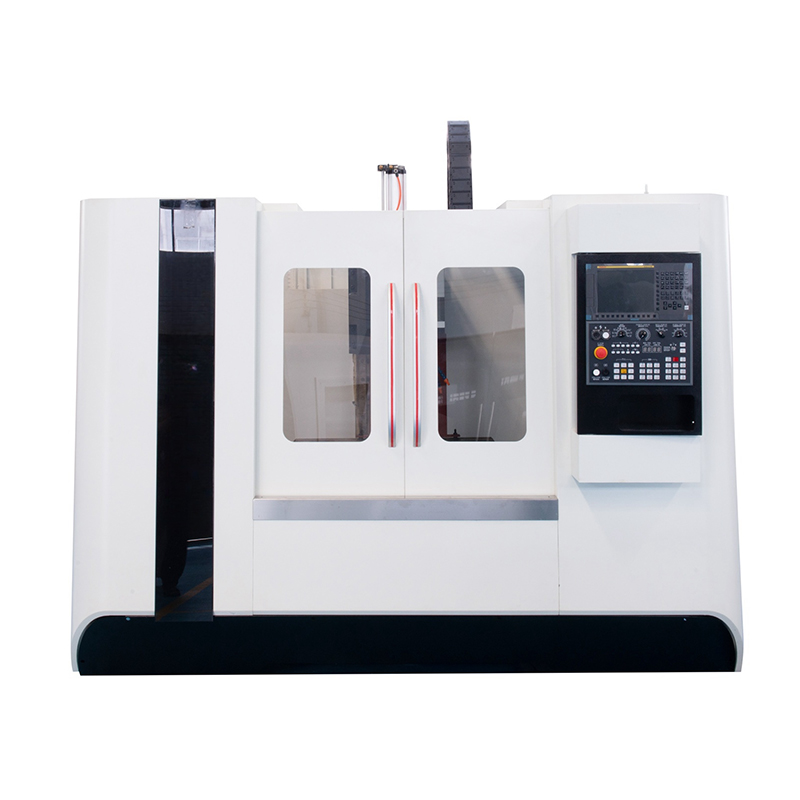 CNC Machine
 Cutomized Die-Cutting Products for Electronics Industry
 New Energy Automation Die Cutting Products
 Customeized Die-Cut Products in Package Industry
 Bespoke Touch Screen for Gaming and Entertainment Devices
 Custom Touch Screen in Smart Home Industry
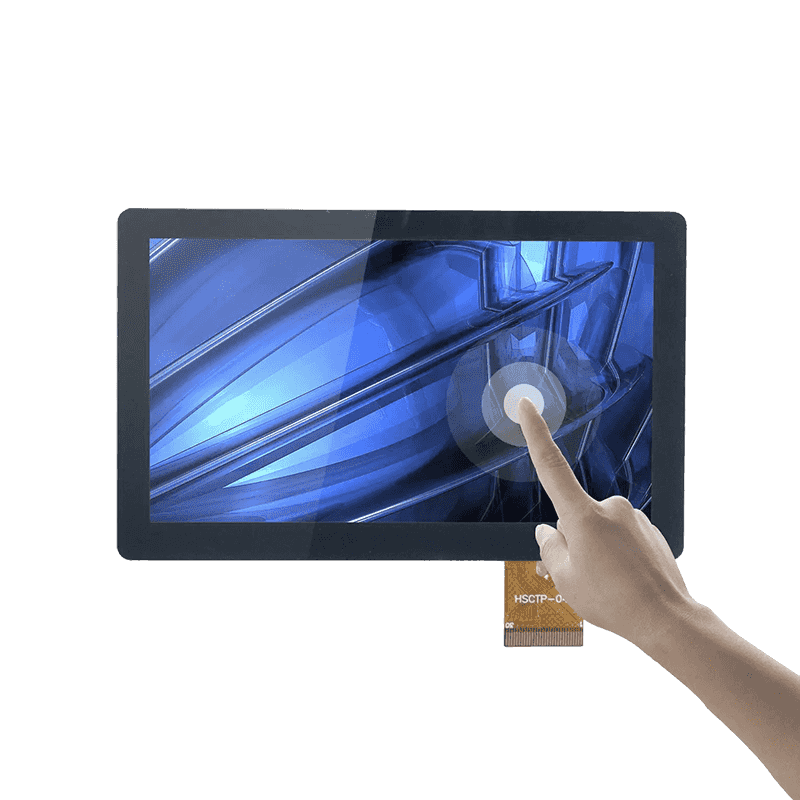 Customized Personalized Touch Panel Screen
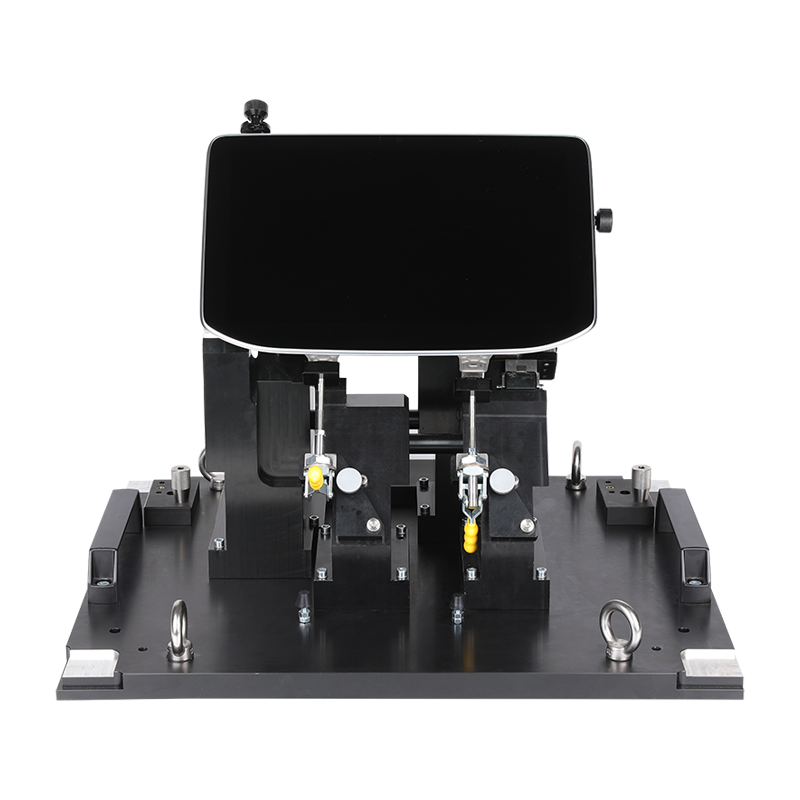 Design Manufacturing and Assembly of Special Customized Custom Electrical Cabinet
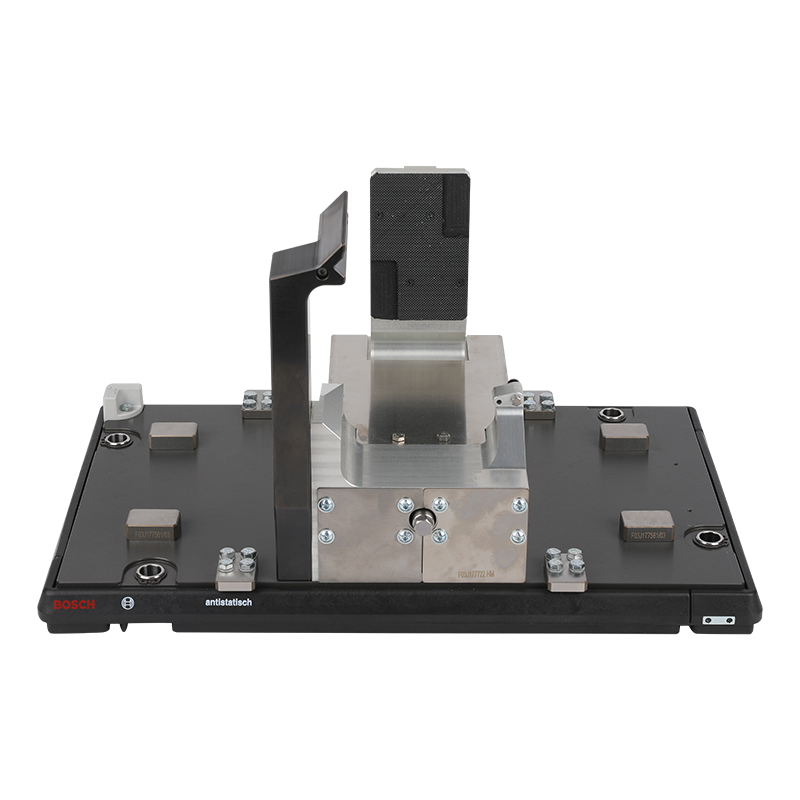 Industrial Robot Automatic Production Line Design Manufacture and Assembly
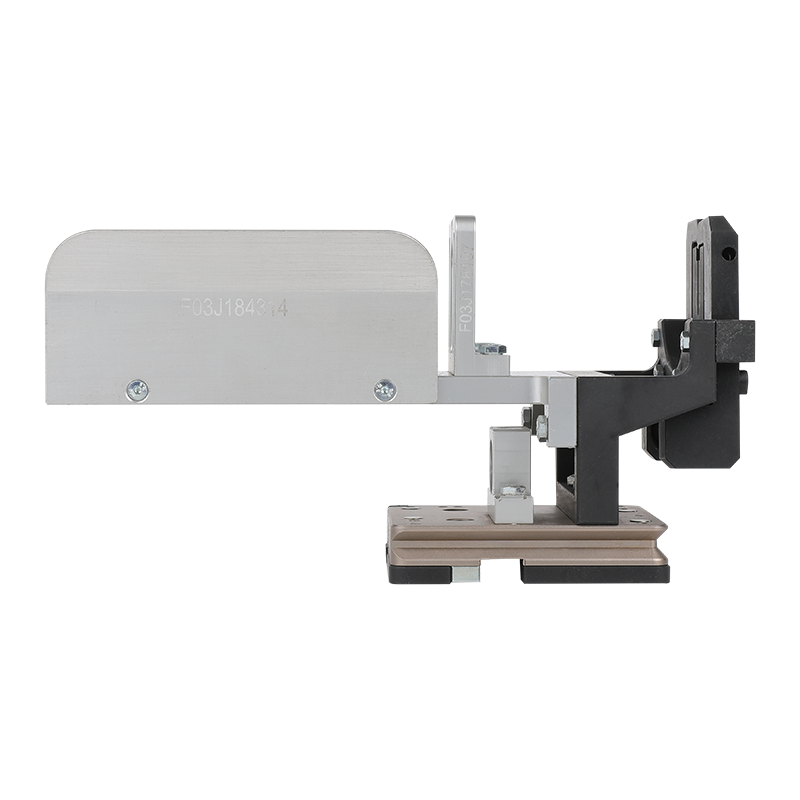 Customized Design Automation Equipment

+86-18118122885

+86-512-66233336

joy.qian@szhengmai.com

No. 8, Guangdian Road, Guangfu Town, Wuzhong District, Suzhou, Jiangsu, China.
Copyright © 2023 Suzhou Heimat Precision Machinery Co., Ltd. All Rights Reserved.Custom CNC Parts Processing Manufacturers

|
 Previous