 English
 русский
News
Home / News / Industry News / Which industries need long-term cooperation with professional CNC machinery parts producer?

 English
 Search
Suzhou Heimat Precision Machinery Co., Ltd.
+86-18118122885
joy.qian@szhengmai.com
A professional CNC machinery parts producer is defined by precision machining capabilities, stable material supply chains, complete quality control systems, customized production capacity, and efficient after-sales support. These producers are not only component suppliers but also long-term technical partners for industrial manufacturing, capable of delivering high-performance, dimensionally accurate parts that meet strict industry standards.
For industrial users, choosing a qualified CNC machinery parts producer directly determines product stability, production efficiency, and operational costs. Top producers maintain a machining accuracy within ±0.005mm, support multi-material processing, and provide one-stop services from design optimization to mass production, fully matching the needs of automotive, aerospace, medical, automation and other high-demand fields.
Advanced production equipment is the foundation of a CNC machinery parts producer. Professional producers are equipped with 3-axis, 4-axis, 5-axis machining centers, CNC lathes, grinding machines, milling machines and other automated equipment, which support continuous and stable processing of complex structural parts. The technical team masters programming, tool selection, fixture design and other core skills, ensuring that each part meets drawing requirements.
In actual production, high-precision equipment can reduce errors caused by manual operation. Mature producers use digital control systems to realize automatic tool change and real-time parameter adjustment, improving processing efficiency while ensuring consistency. For precision components used in medical devices and aerospace equipment, the machining accuracy can reach ±0.002mm to ±0.005mm, fully meeting the most stringent industrial application scenarios.
A qualified CNC machinery parts producer has rich experience in processing various metal and non-metal materials, and can formulate targeted processing plans according to material characteristics to avoid defects such as deformation, cracking and burrs. Common processing materials include aluminum alloy, stainless steel, carbon steel, copper, brass, engineering plastics and special alloys.
Most industrial scenarios require non-standard customized CNC machinery parts, so customized service capacity is one of the core competitiveness of producers. Professional producers can provide structural optimization, processing technology improvement and cost reduction suggestions based on customer drawings or functional requirements, helping users improve product performance and reduce production costs.
Customized services cover the whole cycle from prototype trial production to mass production. Producers can complete rapid prototyping within a short period, verify the feasibility of parts, and then carry out large-scale stable production. This model greatly shortens the research and development cycle of industrial products and improves the market response speed of enterprises.
Quality control runs through the entire production process of CNC machinery parts, and is a key indicator to measure the professionalism of producers. A complete quality management system includes incoming material inspection, production process monitoring, finished product testing and shipment inspection, ensuring that each batch of parts meets dimensional accuracy, surface roughness and mechanical performance requirements.
Professional CNC machinery parts producers are equipped with coordinate measuring machines (CMM), height gauges, calipers, micrometers, surface roughness testers and other testing equipment, which can conduct comprehensive testing of part size, shape, position and surface quality. All testing processes are carried out in accordance with international or industry standards to ensure objectivity and accuracy of data.
For mass-produced parts, producers adopt sampling inspection or full inspection according to customer requirements, and provide complete inspection reports. This strict control mechanism reduces the defective rate to below 0.5%, avoiding losses caused by unqualified parts to customers' assembly and production lines.
Formal CNC machinery parts producers usually pass ISO9001 quality management system certification, and some high-end application-oriented producers also obtain ISO13485 (medical), IATF16949 (automotive) and other industry-specific certifications. These certifications represent standardized production processes and stable quality output capacity.
Standardized management covers production scheduling, tool management, employee operation training, equipment maintenance and other links. Regular equipment calibration and maintenance ensure the long-term stability of processing accuracy, and standardized operation procedures reduce human errors and improve overall production efficiency.
For industrial manufacturing enterprises, on-time delivery of CNC machinery parts is directly related to the continuity of production plans. Excellent CNC machinery parts producers balance production efficiency and delivery cycle through reasonable production scheduling, automated equipment and optimized processing technology.
Professional producers support both small-batch prototype trial production and large-scale long-term stable supply, with strong production flexibility. For small-batch customized parts, they can complete production and delivery quickly; for mass orders, they can arrange continuous production through multi-equipment linkage to ensure a stable supply cycle.
This flexible production model adapts to the diverse needs of different industries. For example, the medical equipment industry requires small-batch high-precision parts, while the automotive and automation industries need large-scale, high-consistency parts, and professional producers can meet these needs at the same time.
A reliable CNC machinery parts producer has a stable raw material supply chain, which can ensure the timeliness of material procurement and avoid delivery delays caused by material shortages. At the same time, through large-scale procurement and optimized processing technology, producers can effectively control production costs and provide customers with cost-effective parts solutions.
Reasonable cost control does not mean reducing quality. Top producers improve material utilization rate and processing efficiency through technological innovation, reducing unnecessary waste, so as to achieve a balance between quality and cost, and create long-term value for customers.
CNC machinery parts are basic components of modern industry, and professional producers provide supporting parts for multiple key industries, promoting the development and technological progress of industrial manufacturing. The following are the main application fields and corresponding part requirements:
| Application Industry | Typical Parts | Core Requirements |
|---|---|---|
| Automotive Industry | Engine parts, chassis components, fixture parts | High consistency, high strength, mass stability |
| Aerospace | Structural components, instrument parts, fasteners | Ultra-high precision, high temperature resistance, lightweight |
| Medical Equipment | Surgical instrument parts, device housings, connectors | Hygiene standards, precision, corrosion resistance |
| Industrial Automation | Robotic parts, transmission components, fixture plates | Wear resistance, high stability, customization |
In each application field, CNC machinery parts producers need to adjust processing technology, material selection and quality control standards according to industry characteristics. For example, medical parts require strict cleaning and sterile treatment, while aerospace parts need complete material certification and inspection records. Professional producers have rich industry experience and can provide targeted solutions for different fields.
Choosing the right CNC machinery parts producer is crucial for enterprises to ensure product quality, control costs and stabilize supply. The selection process can be carried out from the following core dimensions, which can effectively screen out reliable partners:
First, confirm whether the producer's equipment and precision meet the processing needs of parts. For high-precision parts, priority should be given to producers with 5-axis machining centers and complete testing equipment. At the same time, understand the producer's processing cases in the same industry to verify their practical experience.
Enterprises should give priority to CNC machinery parts producers with formal quality certification. In addition, understand their inspection processes, testing equipment and record-keeping system to ensure that quality can be traced and controlled throughout the process.
For non-standard customized parts, evaluate the producer's design optimization and prototype trial production capacity. For mass orders, focus on delivery stability and production capacity. Producers with flexible production scheduling can better meet the dynamic needs of enterprises.
Reliable producers provide perfect after-sales service, including part replacement, technical consultation, solution improvement and other support. Good after-sales service can solve the problems encountered in the use of parts in a timely manner and ensure the normal operation of enterprise production.
With the development of intelligent manufacturing and industrial automation, CNC machinery parts producers are moving towards high precision, intelligence, digitization and green production. These trends will further improve production efficiency, quality stability and service level of producers.
Intelligent equipment and automated production lines reduce manual intervention, and machining accuracy and production efficiency are further improved. Digital management systems realize real-time monitoring of the entire production process, from order placement to delivery, improving transparency and management efficiency. Green production focuses on reducing material waste and energy consumption, meeting the global requirements of environmental protection and sustainable development.
In the future, CNC machinery parts producers will strengthen the integration with upstream and downstream industries, provide more comprehensive one-stop services, and become an indispensable part of the modern industrial manufacturing system. For users, cooperating with forward-looking producers will gain more technical advantages and market competitiveness.
If you have any questions, please fill out the contact form at the bottom of the page and contact us.
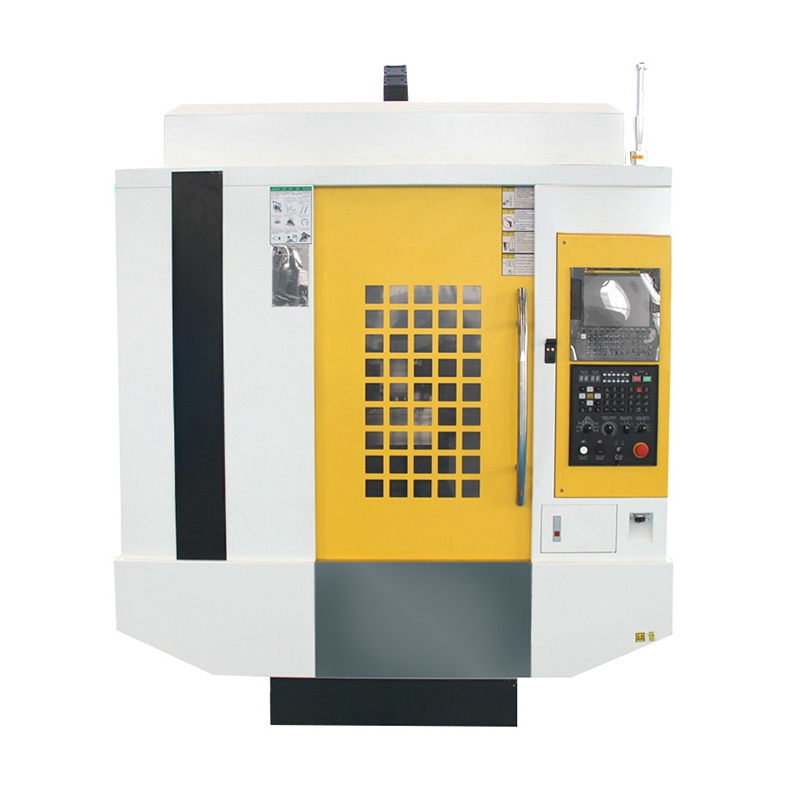 CNC Drilling and Tapping Machin
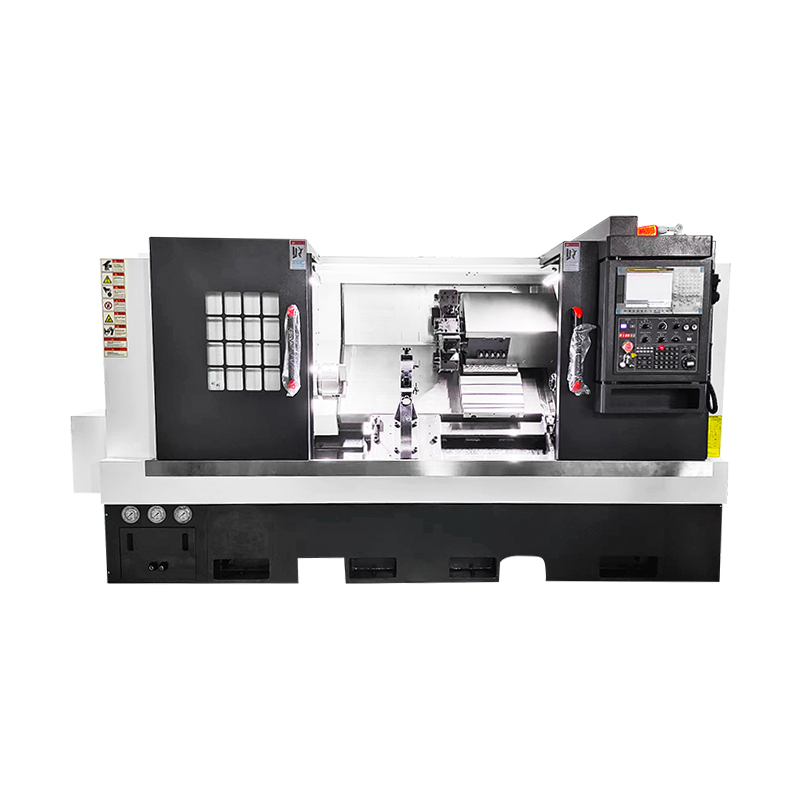 CNC Lathe Machine
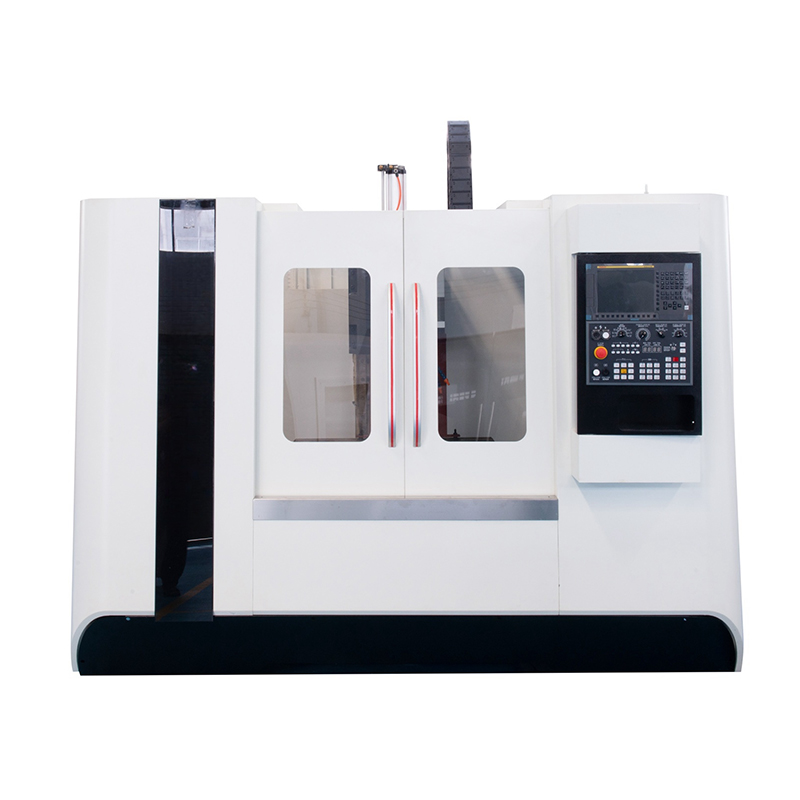 CNC Machine
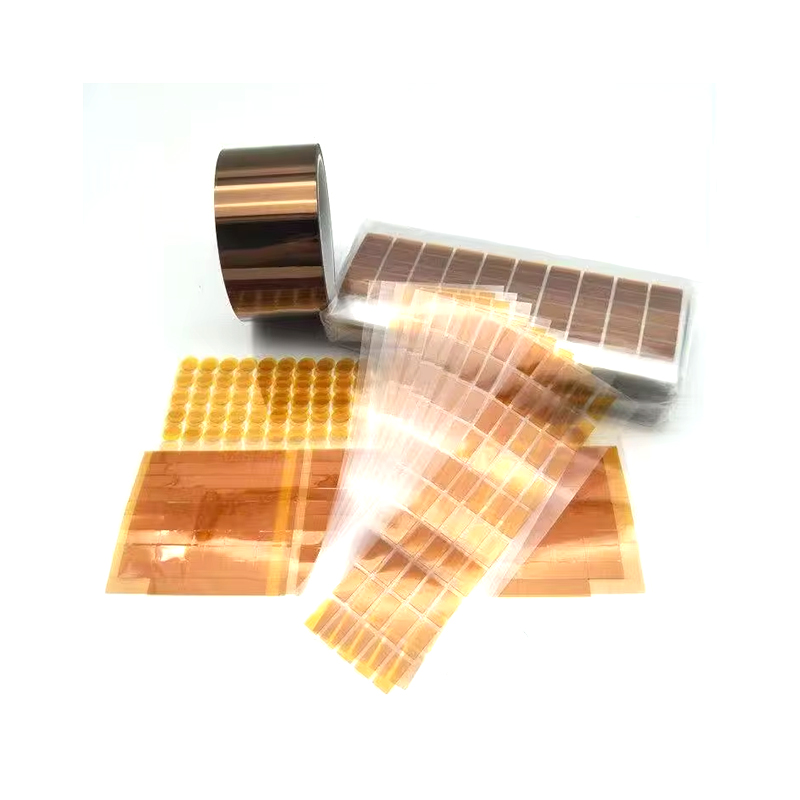 Cutomized Die-Cutting Products for Electronics Industry
 New Energy Automation Die Cutting Products
 Customeized Die-Cut Products in Package Industry
 Bespoke Touch Screen for Gaming and Entertainment Devices
 Custom Touch Screen in Smart Home Industry
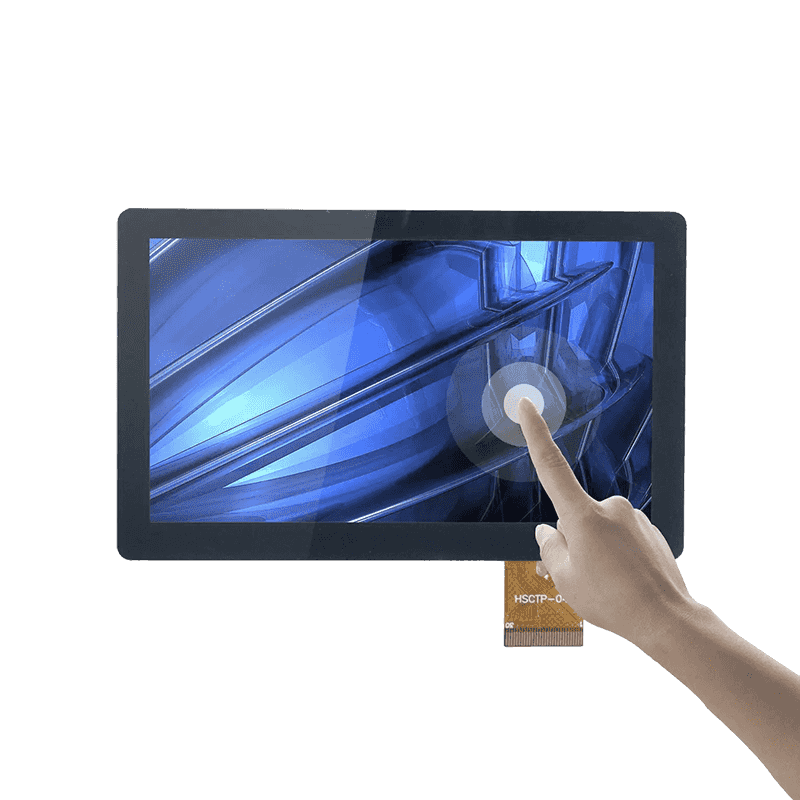 Customized Personalized Touch Panel Screen
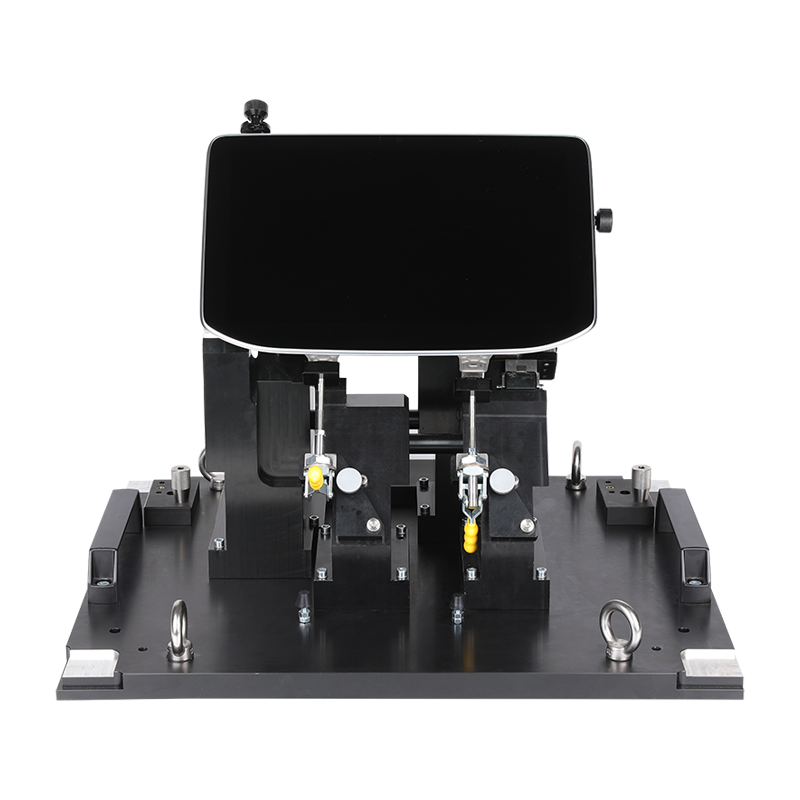 Design Manufacturing and Assembly of Special Customized Custom Electrical Cabinet
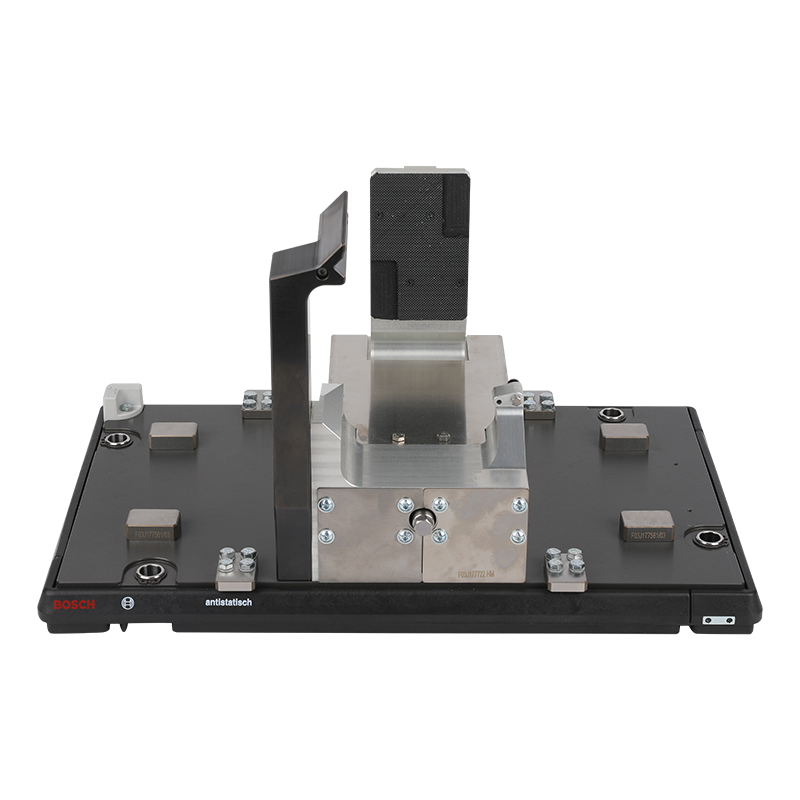 Industrial Robot Automatic Production Line Design Manufacture and Assembly
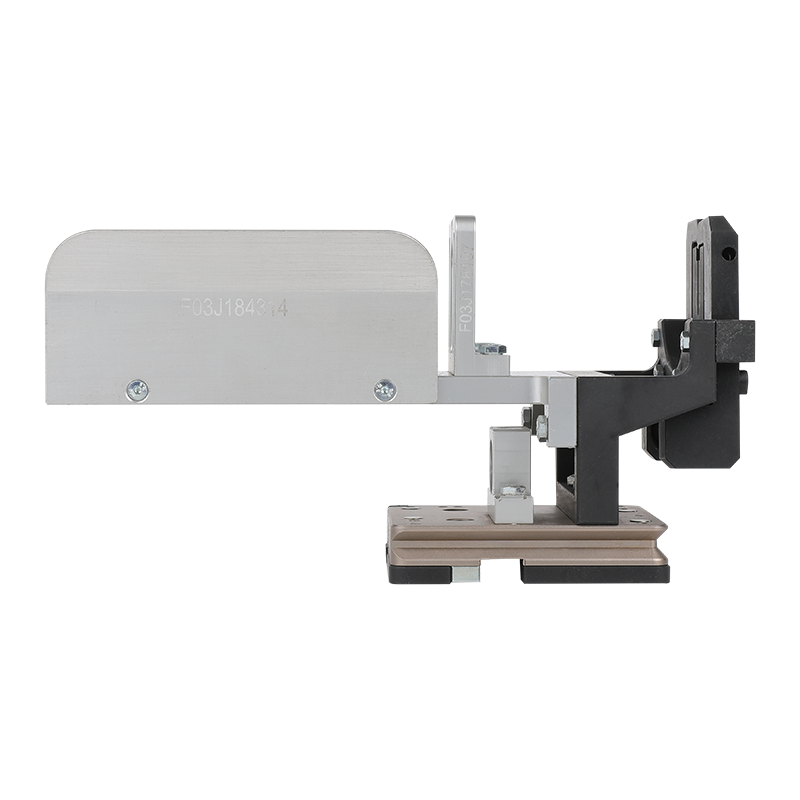 Customized Design Automation Equipment

+86-18118122885

+86-512-66233336

joy.qian@szhengmai.com

No. 8, Guangdian Road, Guangfu Town, Wuzhong District, Suzhou, Jiangsu, China.
Copyright © 2023 Suzhou Heimat Precision Machinery Co., Ltd. All Rights Reserved.Custom CNC Parts Processing Manufacturers

|
 Previous