 English
 русский
News
Home / News / Industry News / CNC Billet Parts: Materials, Tolerances, and Custom Machining Explained

 English
 Search
Suzhou Heimat Precision Machinery Co., Ltd.
+86-18118122885
joy.qian@szhengmai.com
Billet is shop-floor shorthand for a solid block of metal that is carved into a finished component instead of being cast or forged close to shape. When an engineer asks for CNC billet parts, the request usually means one thing: strength, consistency and detail that only subtractive machining from solid stock can deliver. At Suzhou Heimat Precision Machinery Co., Ltd., we have been turning aluminum, stainless steel, titanium and engineering plastics into custom billet components since 2010, and our parts now run in equipment across more than 20 countries.
A billet is a piece of wrought metal, such as extruded bar, rolled plate or a sawn block, that arrives at the machine shop as raw stock. CNC billet parts are produced by removing material from that stock through milling, turning, drilling and tapping until the final geometry appears. Nothing is poured into a mold or pressed between dies, so the metallurgical quality of the original mill product survives all the way to the finished surface.
Because the process is subtractive, changes are cheap and fast. A new revision needs a new program, not a new tool. That is why billet machining is the default route for prototypes, low to mid volume production, and any component where load path, fit or appearance matters more than unit cost at very high volumes.
Material selection usually decides how a billet part performs, how it finishes and what it costs. The table below summarizes the grades we machine most often for customers in motorsport, aerospace, automation, energy and medical work.
| Material and Grade | Key Properties | Typical Billet Parts |
|---|---|---|
| Aluminum 6061-T6 | Good strength, excellent machinability, clean anodized finish | Housings, brackets, mounts, panels |
| Aluminum 7075-T6 | High strength-to-weight ratio, good fatigue resistance | Suspension arms, linkages, high-load structures |
| Aluminum 2024-T4 | High fatigue strength, aerospace heritage | Fittings, ribs, structural brackets |
| Stainless 303 / 304 | Corrosion resistance, toughness, fine surface finish | Shafts, bushings, medical and food-grade parts |
| Alloy steel 1045 / 4140 | Hardness and wear resistance after heat treatment | Drive shafts, gears, flanges, tooling |
| Titanium Grade 5 | Outstanding strength-to-weight, biocompatible | Aerospace fittings, implants, motorsport hardware |
All three routes produce metal parts, but they behave differently once the part is loaded, heated or cycled in service.
For prototypes, low volumes and any part where a failure is expensive, billet machining is normally the safest and fastest answer.
Simple prismatic parts, plates and housings run efficiently on three-axis machines, where the tool moves in X, Y and Z while the workpiece stays fixed. Adding a fourth rotary axis lets us machine several faces in one setup and improves accuracy on parts with features on multiple sides.
Five-axis machining tilts the tool or the workpiece, which shortens the cutting tool, reduces vibration and reaches contours that would otherwise need several fixtures. Sculpted, organic and multi-face billet parts, such as aluminum handles, covers and structural arms, come off the machine with better surface quality and fewer setups.
Most billet parts are delivered within plus or minus 0.01 mm on critical features, with general tolerances looser on non-functional surfaces. Threads, bore fits and mating faces get the tightest attention, and geometric dimensioning and tolerancing callouts are verified on calibrated instruments rather than by eye. If you want a deeper look at what is realistic on a shop floor, our engineers wrote a detailed note on the tolerances CNC machining can actually hold and why tool wear, fixturing and thermal drift matter as much as machine specifications.
Finishing options include clear or colored anodizing for aluminum, passivation and electropolishing for stainless steel, bead blasting for a matte surface, and polishing where reflection or cleanliness counts. Each finish is chosen to match the operating environment, not simply the look of the part.
Enthusiast and racing projects are one of the most visible homes for billet work. Five-axis machined aluminum door handles, shift components, pedal pads, brackets and custom trim pieces replace flimsy cast originals and add a machined precision that enthusiasts notice immediately. For limited runs, no mold or die is required, so a small batch of bespoke parts stays economically sensible.
Aircraft and instrument builders need parts that are light, stiff and repeatable. Customized high-precision axis parts, bushings and structural fittings are machined from aerospace aluminum, stainless steel and titanium, then inspected before they ship.
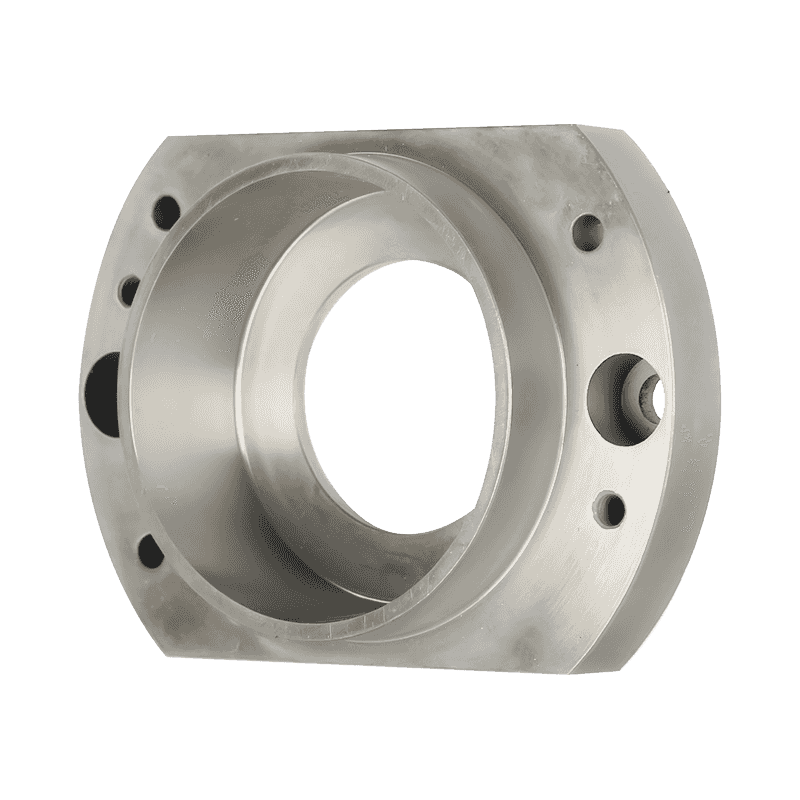 Customized High Precision Axis PartsPrecision axis parts for aerospace equipment need stringent quality control and testing to meet the high standards required. Such parts should have advantages of high-...View Product →
Automated assembly lines and robotic arms demand parts that hold position under constant motion. High-precision arm components, mounting plates and gripper bodies are machined to fit existing servos and bearings without rework on site.
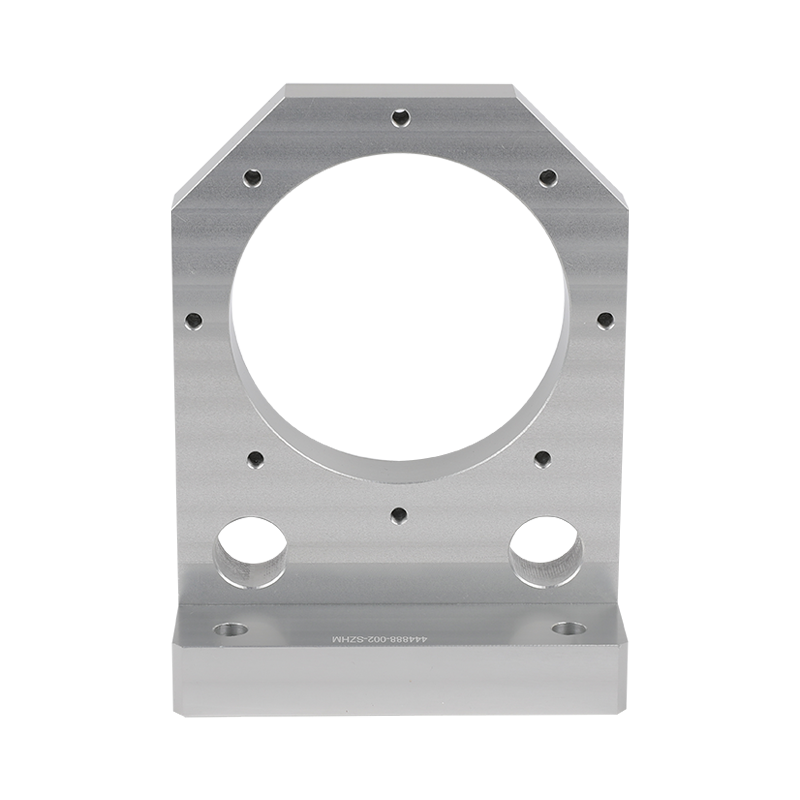 Automated Robotic Arm High-Precision PartsThis is a mechanical part manufactured through milling processes. Milling is a common metal processing method. It makes parts by removing material from a workpiece to ...View Product →
Wind power systems, distribution cabinets and medical devices rely on billet parts where vibration, corrosion or hygiene standards leave no room for weak points. Transmission shafts, installation plates and precision components for medical hardware are produced in small and mid-size batches with full traceability.
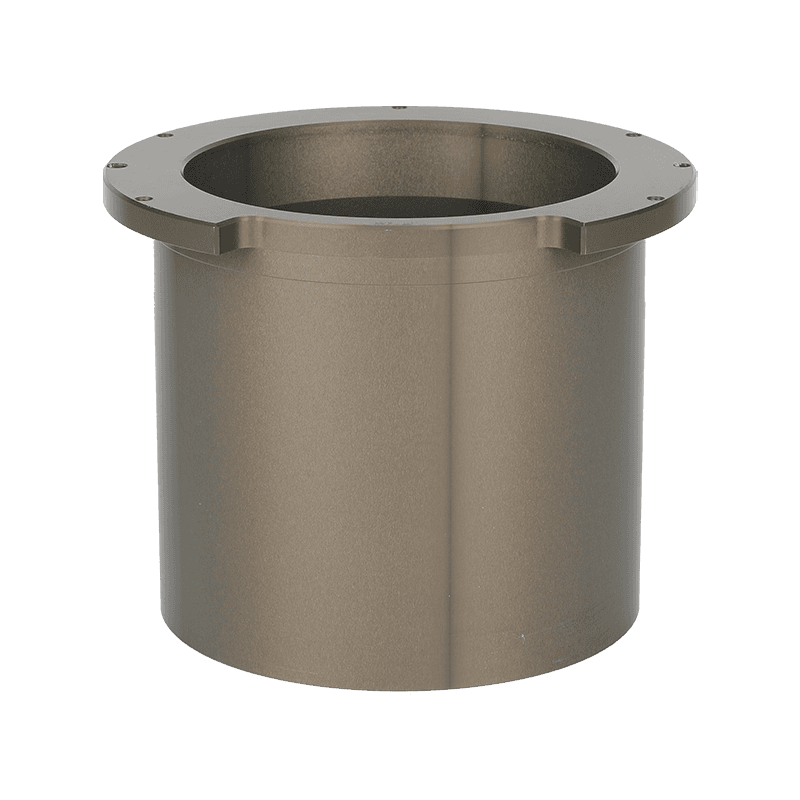 CNC Machining Transmission Shaft for Wind Power Generation SystemThe wind power drive shaft is an important component connecting the wind turbine blades and the gearbox, used to convert wind energy into mechanical energy and transmi...View Product →
The difference between an acceptable supplier and a great one usually shows up in the details: whether drawings receive real feedback, whether fixtures are designed for the part, and whether inspection data accompanies the shipment. Look for a partner with in-house milling, turning, wire cutting and assembly capacity, a documented quality system, and experience shipping to overseas customers.
Our own CNC machining precision parts range covers aerospace, automation, energy and medical categories, and every project benefits from the same design, machining, finishing and assembly chain under one roof, supported by ISO 9001 and ISO 14001 based management practices.
Whether you are producing a short run of custom hardware for a vehicle project or a production batch of structural components, billet machining gives you control over strength, tolerance and finish that few other processes can match. Send us your drawings or a sample part, and our team will review the geometry, recommend a material and grade, and return a clear quotation with realistic lead times.
If you have any questions, please fill out the contact form at the bottom of the page and contact us.
 CNC Drilling and Tapping Machin
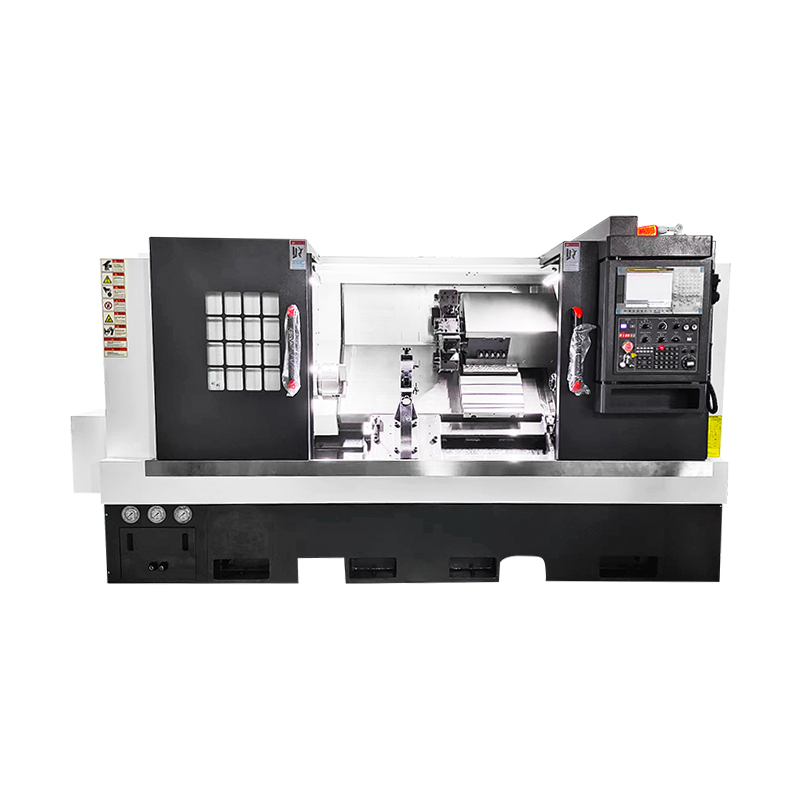 CNC Lathe Machine
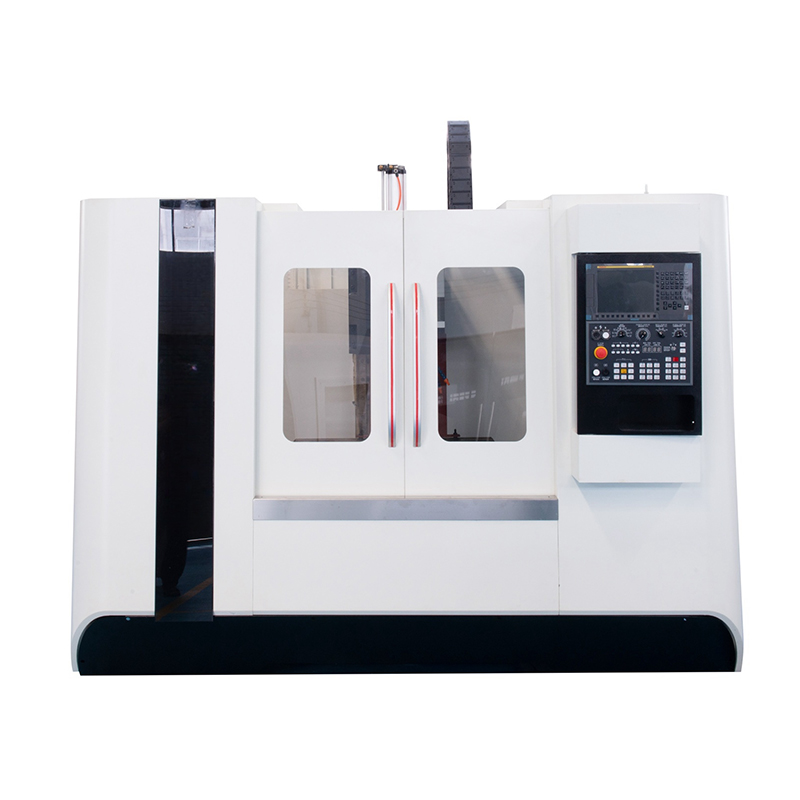 CNC Machine
 Cutomized Die-Cutting Products for Electronics Industry
 New Energy Automation Die Cutting Products
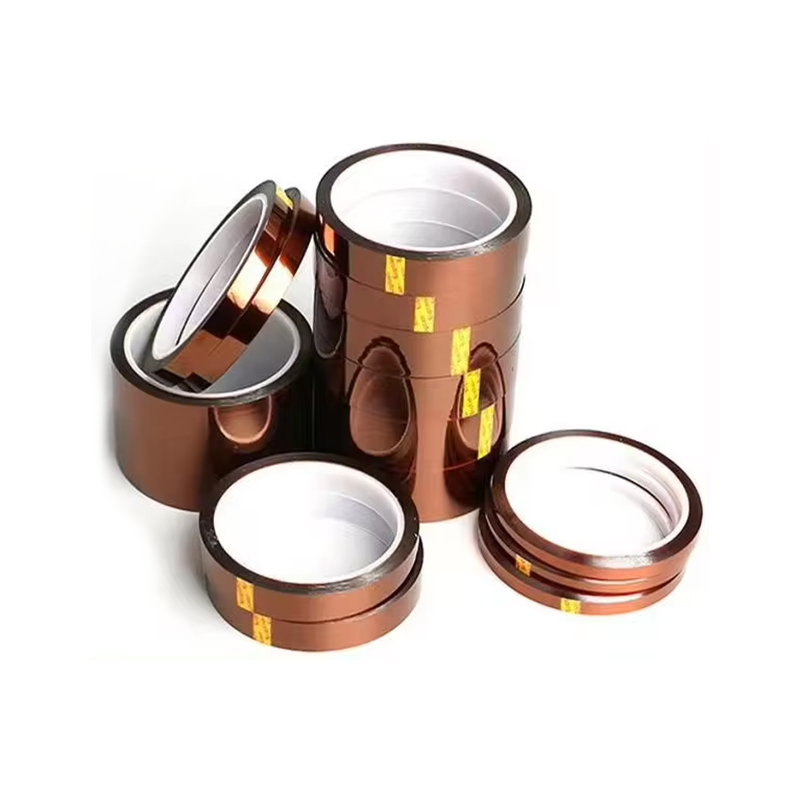 Customeized Die-Cut Products in Package Industry
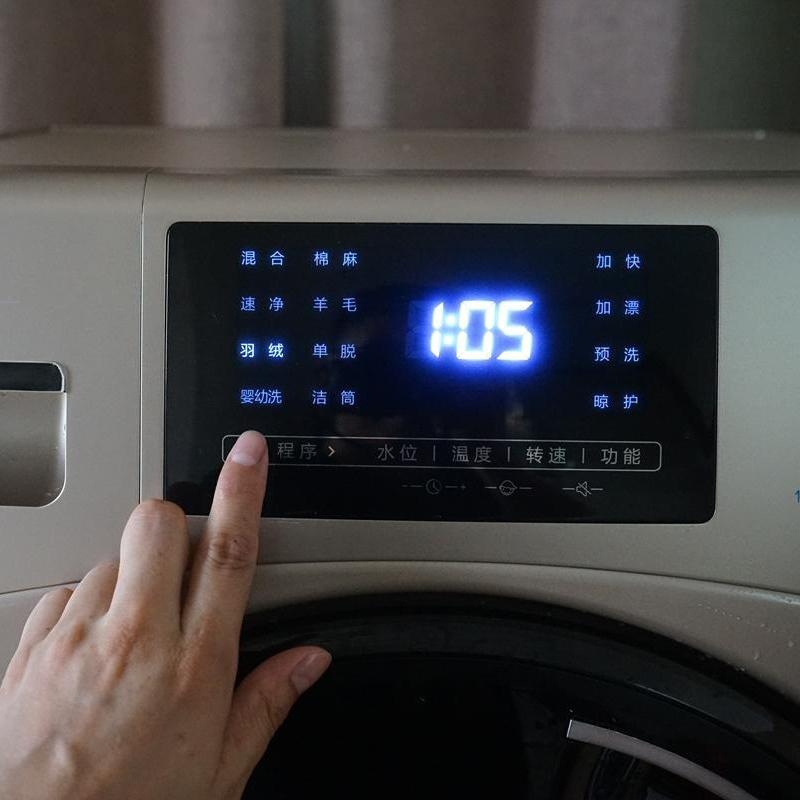 Bespoke Touch Screen for Gaming and Entertainment Devices
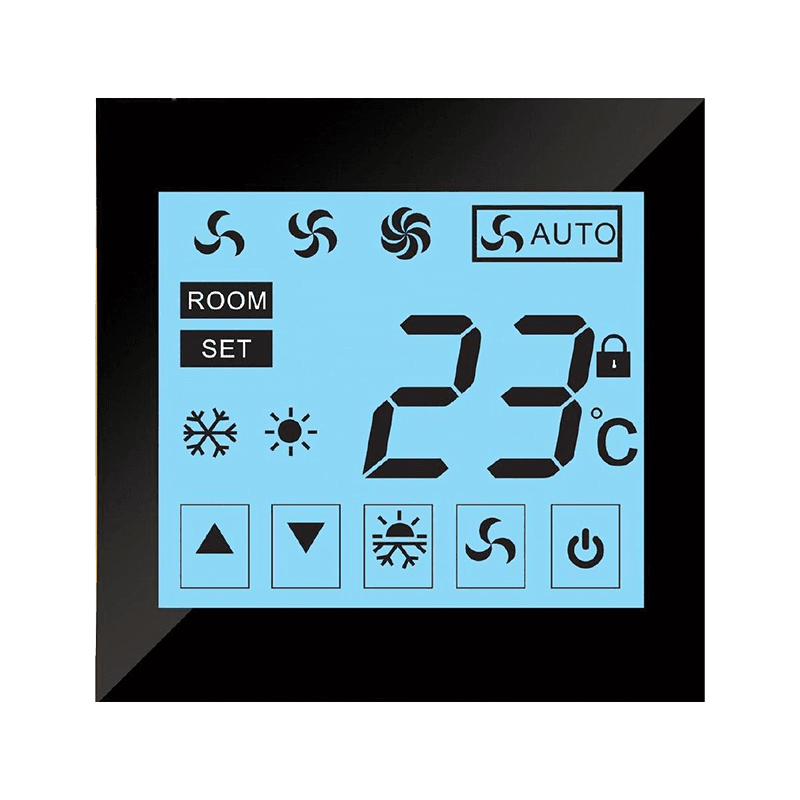 Custom Touch Screen in Smart Home Industry
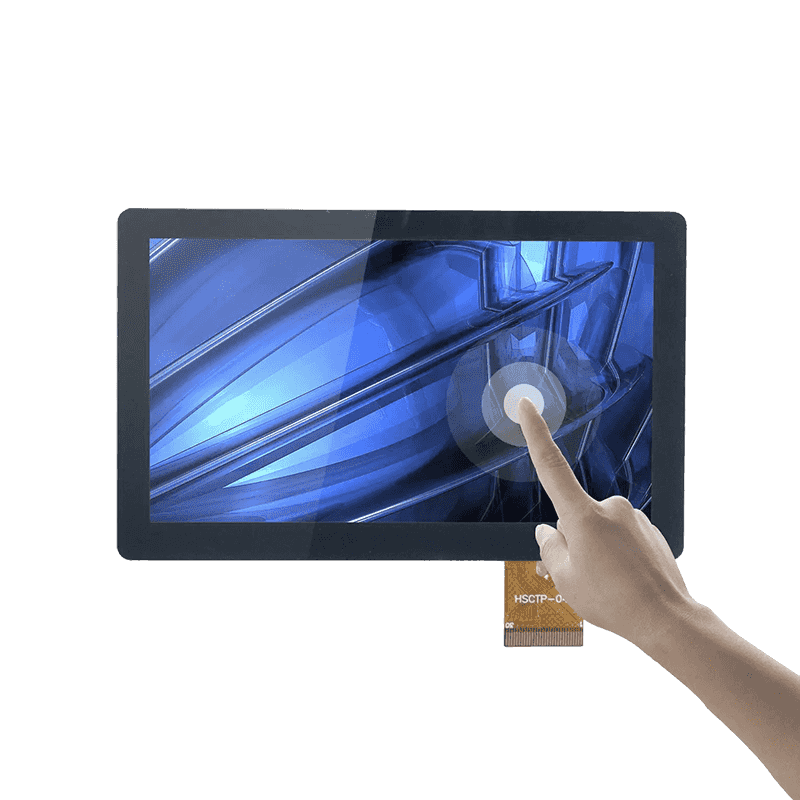 Customized Personalized Touch Panel Screen
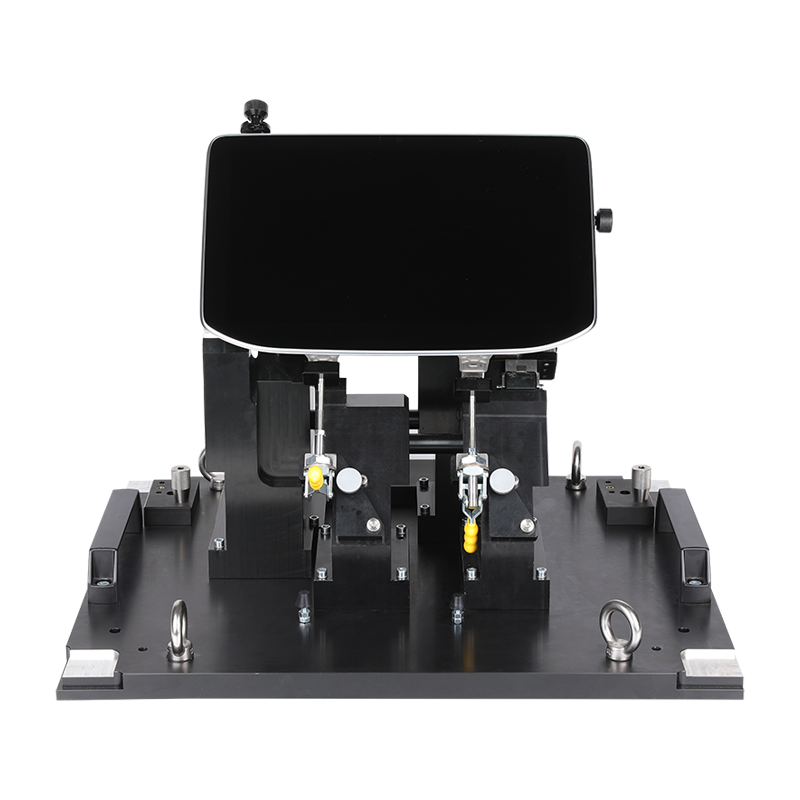 Design Manufacturing and Assembly of Special Customized Custom Electrical Cabinet
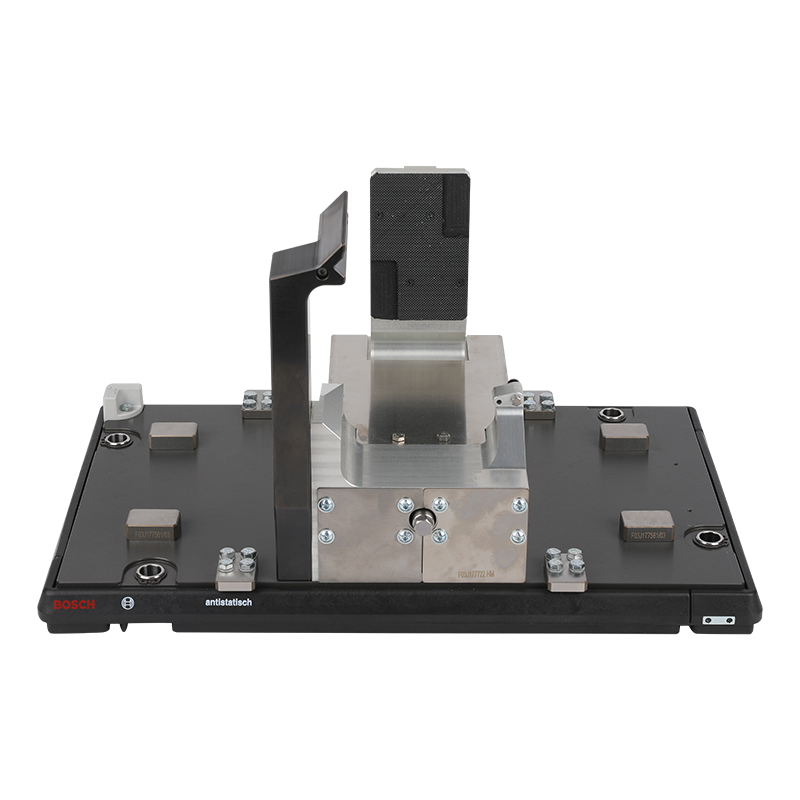 Industrial Robot Automatic Production Line Design Manufacture and Assembly
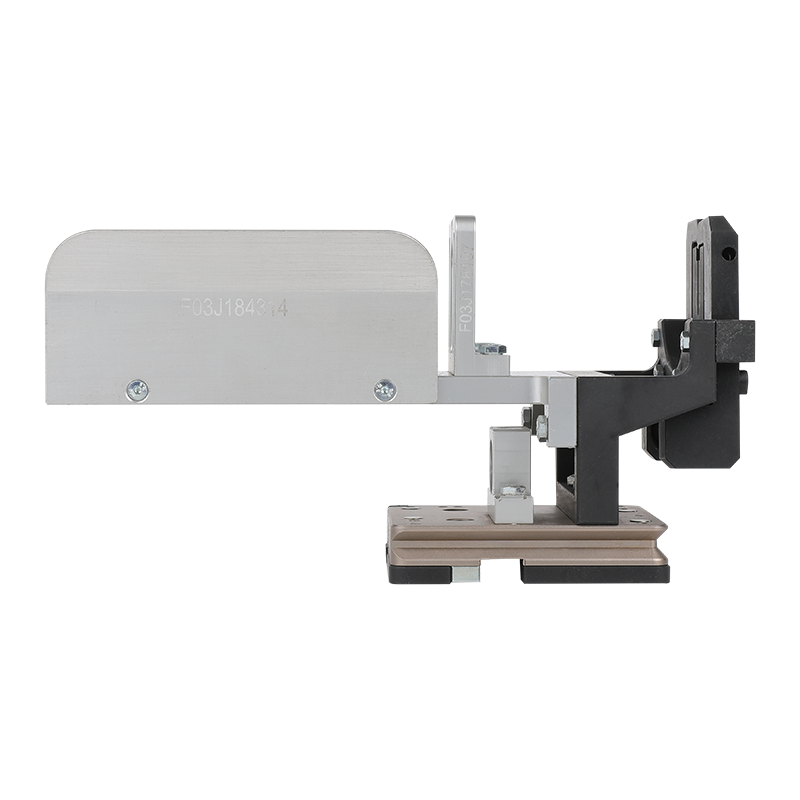 Customized Design Automation Equipment

+86-18118122885

+86-512-66233336

joy.qian@szhengmai.com

No. 8, Guangdian Road, Guangfu Town, Wuzhong District, Suzhou, Jiangsu, China.
Copyright © 2023 Suzhou Heimat Precision Machinery Co., Ltd. All Rights Reserved.Custom CNC Parts Processing Manufacturers

|
 Previous