 English
 русский
News
Home / News / Industry News / CNC Machining Small Parts: Precision, Fixturing, and Tolerances Explained

 English
 Search
Suzhou Heimat Precision Machinery Co., Ltd.
+86-18118122885
joy.qian@szhengmai.com
Small parts are where precision machining stops being routine. A bracket the size of a dinner plate forgives a lot. A component that fits on a fingertip, with walls a few tenths of a millimeter thick and holes smaller than a grain of rice, does not. Every weak point in the process, from the fixture and the toolholder to the coolant strategy and the inspection plan, shows up in the finished part.
Suzhou Heimat Precision Machinery Co., Ltd. has been machining custom components since 2010, and a good share of that work is exactly this: CNC machining small parts in batches from a few dozen pieces to hundreds of thousands. What follows is a practical look at how small-part machining actually works, where it tends to go wrong, and how to specify parts so what arrives matches the drawing.
There is no official threshold, but on the shop floor "small" usually means a part whose largest dimension sits under roughly 25 mm, with individual features measured in tenths of a millimeter or microns. Plenty of the parts we produce are considerably smaller, with a 3 mm envelope and details that need magnification to inspect.
What makes these parts a category of their own is not only size but feature density. A 10 mm part can carry a counterbore, two cross-holes, a thread, a knurled band, and a tight tolerance on an outside diameter, all within a few millimeters of each other. Typical characteristics look like this:
One commercial consequence is worth remembering: material is rarely the cost driver here. Setup, fixturing, tooling, and inspection dominate the price.
Ask any machinist what makes tiny work difficult and the answer usually starts with holding the part. A standard vise applies more clamping force than a thin-walled bushing can survive.
Then come the cutting tools. A 0.5 mm end mill is a fragile object. Run it slowly and it rubs and snaps; run it at the surface speed the material wants, often 20,000 rpm or more, and you need a machine and toolholder capable of supporting that. Deflection grows quickly with tool length, so every extra millimeter of projection costs accuracy.
Heat and chips follow. A small tool cannot carry heat away the way a 12 mm cutter does, so the part grows and shifts during the cycle, while chips pack into narrow slots and get recut, spoiling surface finish and breaking tools.
Handling and inspection add the last layer. A 2 mm bore has to be measured with styli small enough to enter without touching the walls, and finished parts must be deburred and packed without being damaged along the way.
The techniques that solve these problems are well known. Soft jaws machined to the part contour, micro vises and collet systems, vacuum plates for thin flat components, sacrificial tabs removed in a second operation, and five-axis setups that complete as many features as possible in a single clamping all help. Tooling held at the shortest possible projection, combined with high-pressure coolant or air blast, finishes the job.
Material choice drives both the achievable geometry and the finishing route. The table below summarizes what we see most often in small-part work.
| Material | Typical small-part use | Shop-floor note |
|---|---|---|
| Aluminum 6061 | Housings, brackets, sensor bodies | Fast to machine, good finish, low distortion |
| Aluminum 7075 | Structural aerospace fittings | Higher strength, needs sharper tooling |
| Stainless 303 / 316L | Shafts, sleeves, medical hardware | 303 machines freely; 316L work-hardens |
| Brass C360 | Connectors, pins, fluid fittings | Excellent finish, supports very small threads |
| Titanium Grade 5 | Fasteners, aerospace and medical parts | Heat-sensitive, low cutting speeds required |
| Copper C110 | Busbars, thermal and electrical contacts | Gummy, needs sharp edges and generous coolant |
| POM, PEEK, PTFE | Insulators, seals, non-metal components | Clamp lightly, allow for thermal expansion |
| Hardened tool steel | Dies, wear pins, cutting components | Often finished by grinding or wire EDM |
Tolerance is the other half of the conversation. For most small parts we quote a general tolerance of plus or minus 0.05 mm across non-critical features, reserving plus or minus 0.01 mm or better for the dimensions that genuinely govern fit and function. It also helps to know what tolerances CNC machining can actually hold and why some callouts cost far more than others before the drawing is finalized.
Small parts rarely come off one machine type alone. A single component may be turned, milled, drilled, deburred, and finished across several steps. The main options we work with are:
Choosing between them is a conversation about quantity, tolerance, and geometry rather than preference. A part turned from bar stock at 5,000 pieces may be better milled from plate at 50.
Small machined parts sit inside equipment far larger than themselves, and the requirements differ by industry. Aerospace work emphasizes material traceability and consistent geometry on fasteners, bushings, and shafts, where one out-of-tolerance diameter can stop an assembly line.
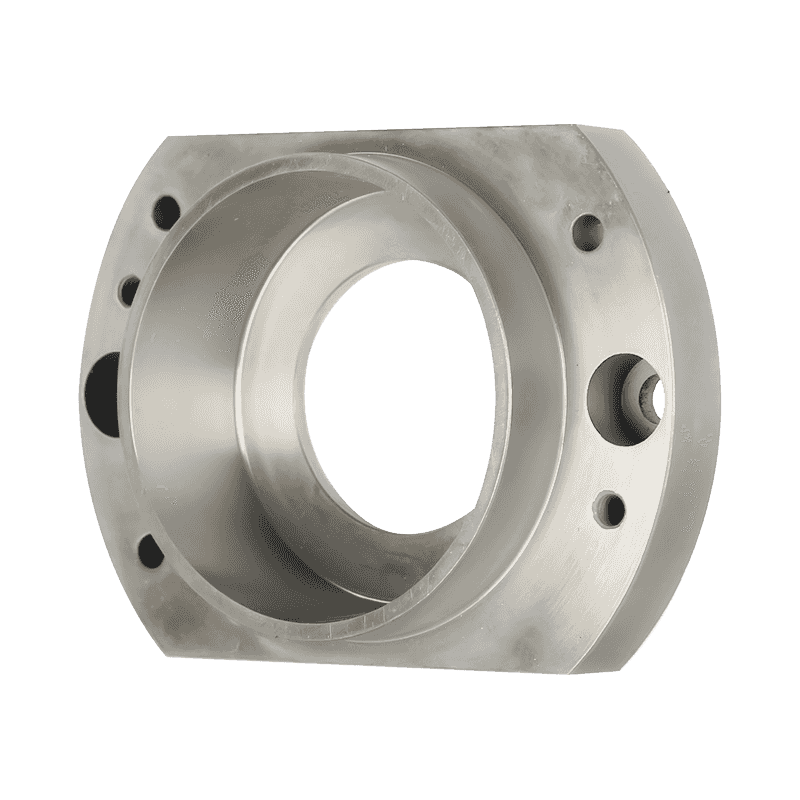 Customized High Precision Axis PartsPrecision axis parts for aerospace equipment need stringent quality control and testing to meet the high standards required. Such parts should have advantages of high-...View Product →
Automation is the second major market. Gripper jaws, end-effector mounts, sensor housings, and linear-motion components are produced in repeat batches, and each one has to fit the same way on the ten-thousandth unit as on the first.
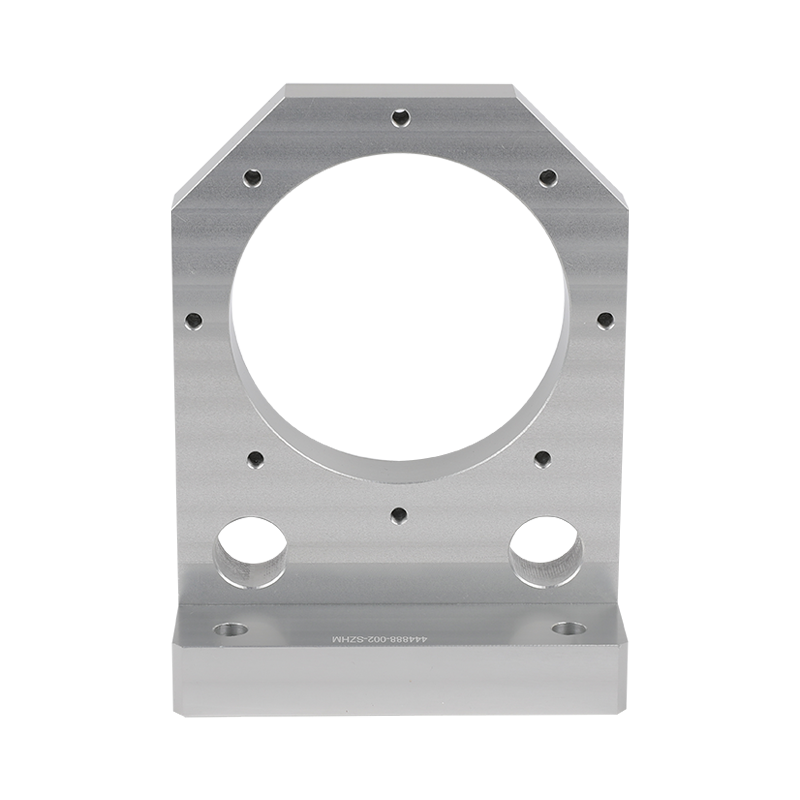 Automated Robotic Arm High-Precision PartsThis is a mechanical part manufactured through milling processes. Milling is a common metal processing method. It makes parts by removing material from a workpiece to ...View Product →
Energy equipment adds its own constraints, with small flanges, mounting plates, and transmission components that must survive years of vibration and temperature cycling. In medical devices, small metal and plastic parts are inspected against documented criteria, cleaned to specification, and packed ready for assembly.
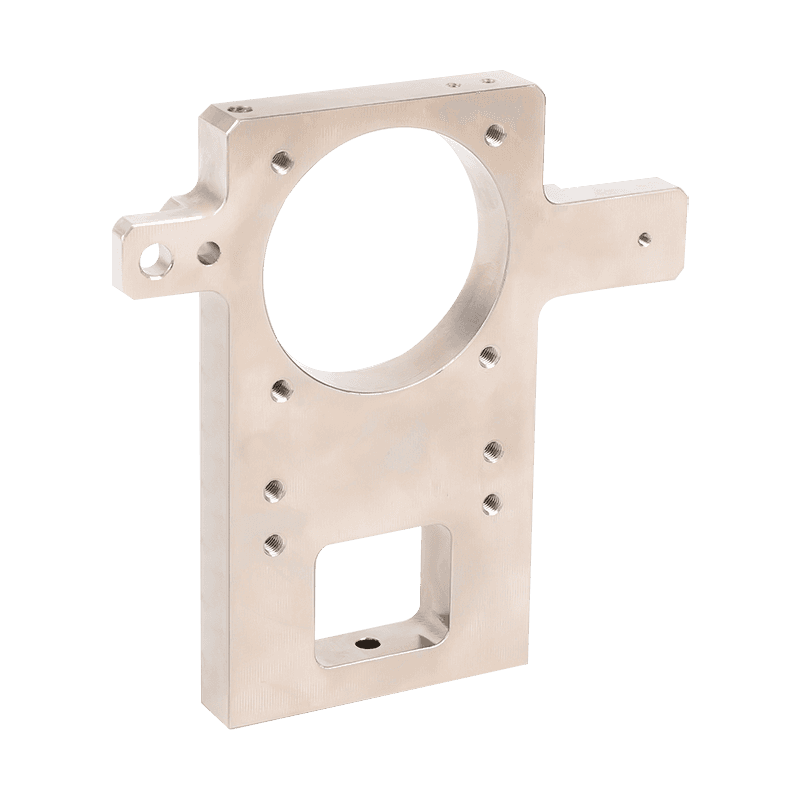 Customized Medical Equipment High-Precision PartsMedical equipment parts generally need high precision and reliable quality. Our machines and experience can meet such high demands for medical equipment.316L raw mater...View Product →
The sequence below is how a typical small-part program runs with us, whether the starting point is a finished drawing or just a concept and a target function.
When comparing suppliers for CNC machining small parts, the equipment list matters less than the process around it. Useful questions include:
Good answers to those questions often mean the difference between a first article that passes and a production run that keeps passing. If you have a small part in mind, whether it is a prototype, a redesign, or a program that needs a more reliable source, we are glad to review the drawing and tell you honestly what it will take. Reach out to our engineering team and we will go through the geometry, material, and volumes with you.
If you have any questions, please fill out the contact form at the bottom of the page and contact us.
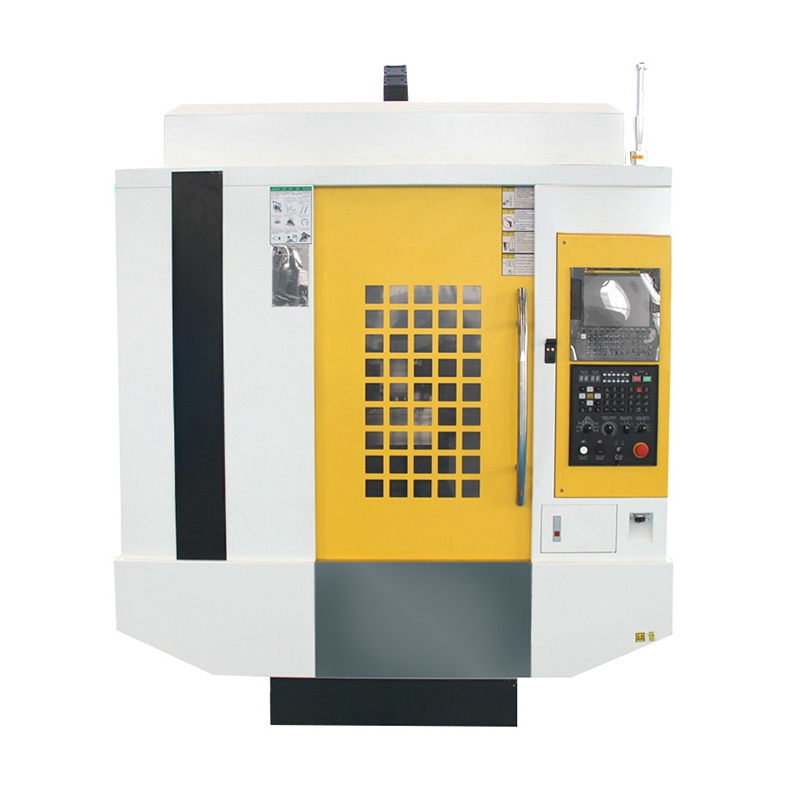 CNC Drilling and Tapping Machin
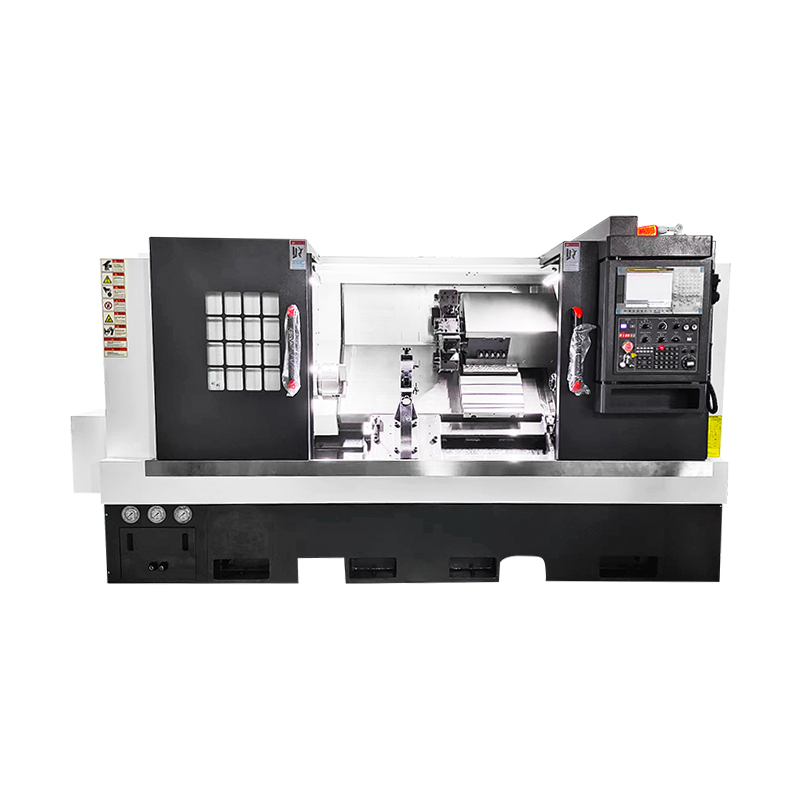 CNC Lathe Machine
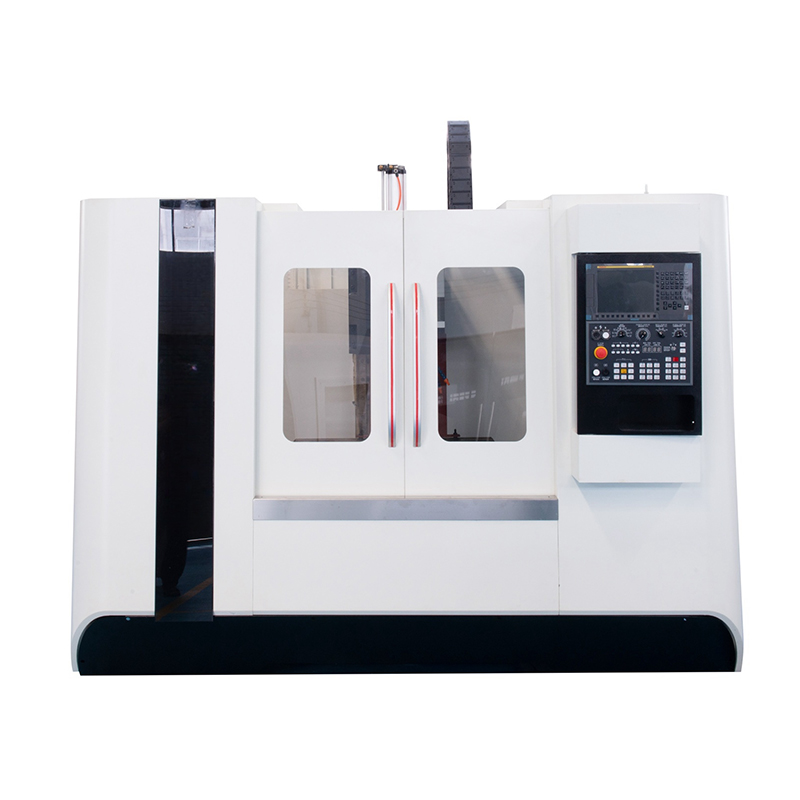 CNC Machine
 Cutomized Die-Cutting Products for Electronics Industry
 New Energy Automation Die Cutting Products
 Customeized Die-Cut Products in Package Industry
 Bespoke Touch Screen for Gaming and Entertainment Devices
 Custom Touch Screen in Smart Home Industry
 Customized Personalized Touch Panel Screen
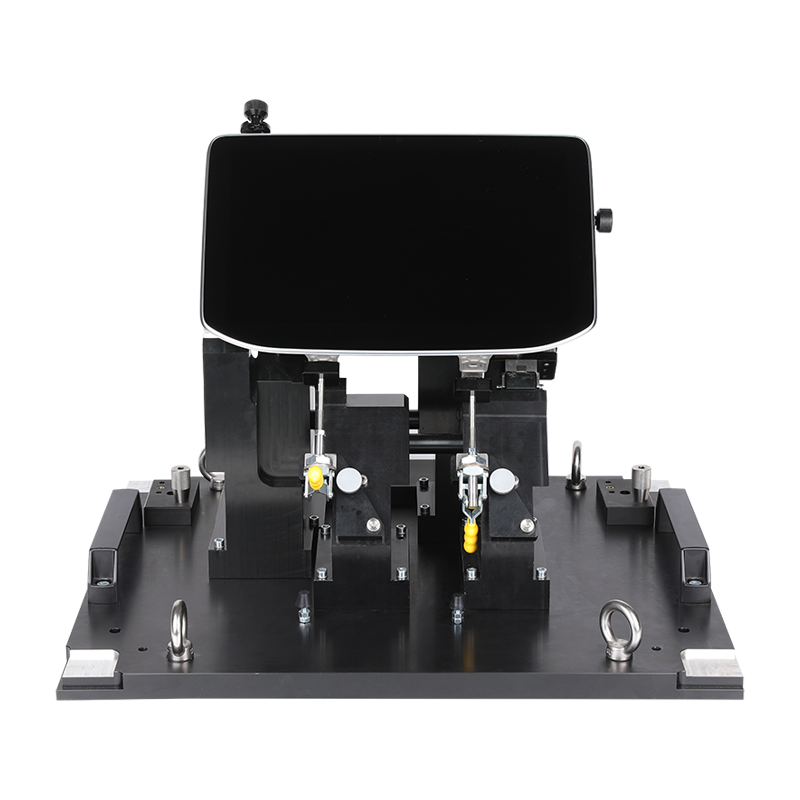 Design Manufacturing and Assembly of Special Customized Custom Electrical Cabinet
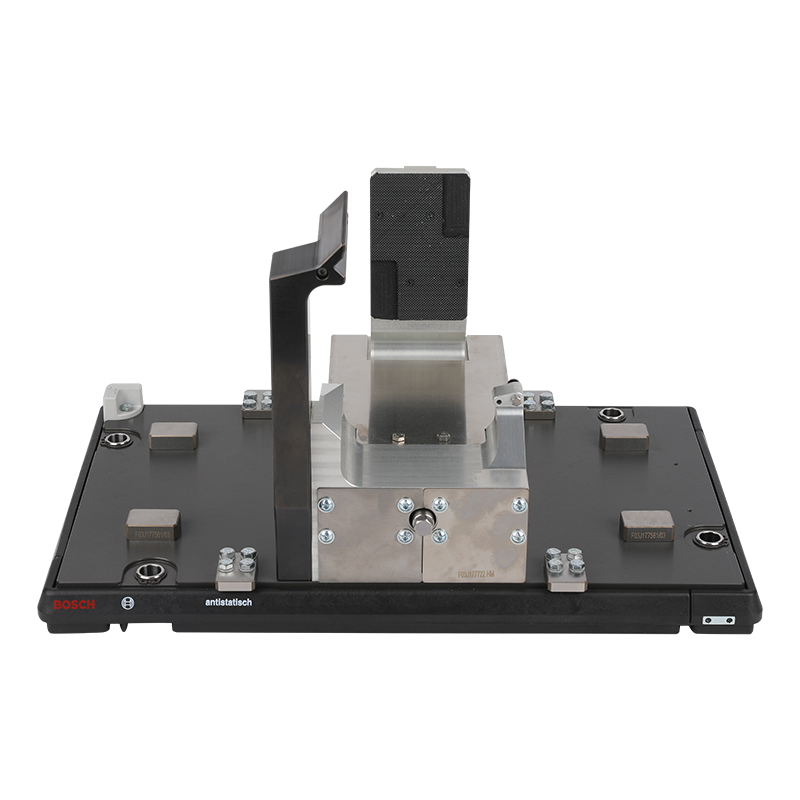 Industrial Robot Automatic Production Line Design Manufacture and Assembly
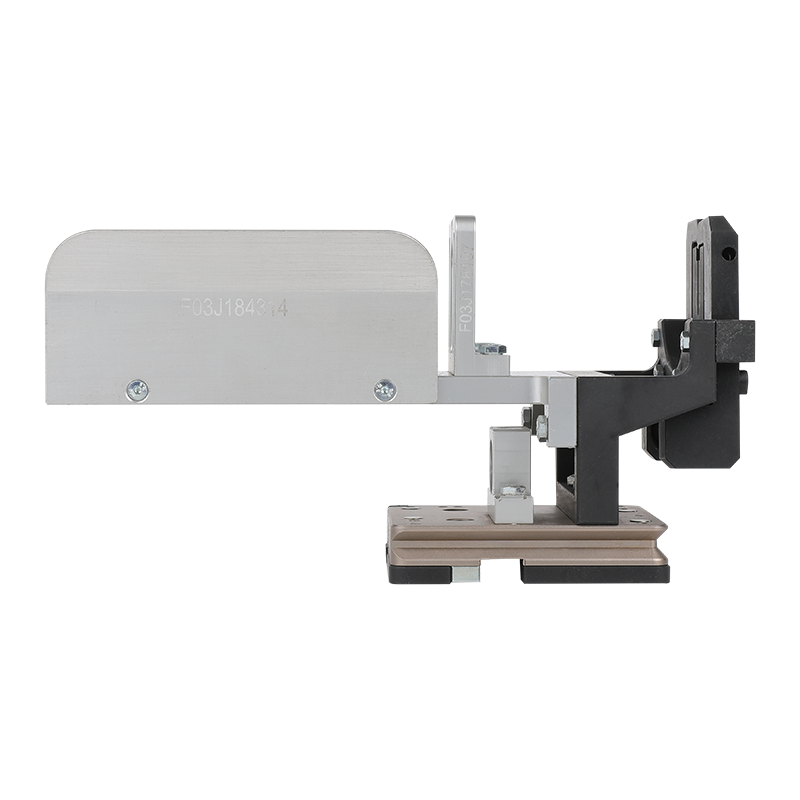 Customized Design Automation Equipment

+86-18118122885

+86-512-66233336

joy.qian@szhengmai.com

No. 8, Guangdian Road, Guangfu Town, Wuzhong District, Suzhou, Jiangsu, China.
Copyright © 2023 Suzhou Heimat Precision Machinery Co., Ltd. All Rights Reserved.Custom CNC Parts Processing Manufacturers

|
