 English
 русский
News
Home / News / Industry News / CNC Plastic Parts: A Practical Guide to Materials, Tolerances & Machining

 English
 Search
Suzhou Heimat Precision Machinery Co., Ltd.
+86-18118122885
joy.qian@szhengmai.com
Plastic parts tend to be quiet problem solvers. They do not corrode, they shrug off most chemicals, they keep assemblies light, and they can be cut into shapes that would be far too expensive to mold in small volumes. If you are sourcing CNC plastic parts, the questions that decide the project are usually practical ones: which plastic, which tolerances are realistic, and who can hold them run after run. We have been machining plastics alongside metals since 2010, and the notes below come straight out of that daily work.
Molding is wonderful at volume. Below that volume, tooling cost sits on top of every part price, and any design change means paying for a new tool. Machining inverts that math. A machined plastic part can be produced from a drawing in days, revised between builds, and adjusted for a feature that only appears in one variant of the product. That flexibility matters for fixtures, covers, manifolds, wear strips, insulators and prototype housings.
Machining also handles what molding struggles with at small scale: flatness on a sealing face, a precise bore, a threaded hole, tight concentricity between two features. Because plastics cut at high spindle speeds with light loads, we can often finish both sides of a part in a single setup, which keeps the two faces parallel and the delivery date realistic.
Material choice drives everything else: cutting parameters, achievable tolerance, surface finish and how long the part survives in service. The table below covers the plastics that pass through our shop most often. It is not a substitute for a conversation about your application, but it is a reasonable starting point.
| Plastic | What It Does Well | Where We See It |
|---|---|---|
| ABS | Tough, easy to cut, low cost | Enclosures, housings, brackets |
| POM (Delrin) | Low friction, dimensionally stable | Gears, bushings, rollers |
| Acrylic (PMMA) | Clear, polishes beautifully | Guards, windows, displays |
| Polycarbonate | High impact resistance | Machine covers, protective panels |
| Nylon (PA) | Wear resistant, slightly flexible | Slide pads, wear strips |
| HDPE | Chemical resistance, low moisture uptake | Tank parts, guides, spacers |
| PEEK | High temperature, high strength | Medical, aerospace, sealing parts |
| PTFE | Very low friction, chemically inert | Seals, insulators, liners |
| PVC | Weather and chemical resistance | Ducting, panels, fixtures |
When two materials both look workable, we usually compare stiffness, moisture uptake and cost, then cut a test piece before committing to a batch.
Most of the difficulties we see in plastic machining are designed in long before the first cut. These are the points worth settling with your supplier early.
Thin walls are the most common source of trouble. Plastic deflects under clamping pressure far more than steel does, so a wall that looks perfectly fine on a drawing can chatter or bow in the vise. Where a section has to stay thin, adding a rib, leaving a temporary support, or holding the part in soft jaws machined to its own profile keeps the geometry honest.
Plastic grows and shrinks with temperature more than metal. A dimension measured on a warm afternoon may not repeat in a cold warehouse, so we agree on the measuring temperature and on which dimensions genuinely matter. General machining tolerances are usually comfortable to hold; it is better to call out two or three critical dimensions than to tighten everything on the print.
Sharp tooling, high spindle speed and a generous feed rate keep the cut cool and the chips moving. Plastic chips are light and pile up quickly, so we plan clearance and air blast rather than letting the tool re-cut material it already removed. Softer grades also want a slightly oversized roughing cut, so the finishing pass still has something to remove.
Most plastics cut dry or with air blast. Flood coolant can stain certain grades, and porous materials absorb fluid that later outgasses in a clean environment. Where coolant is genuinely needed for heat control, we match it to the material and clean the parts thoroughly afterwards.
A machined surface is not always the final surface. Depending on the application, we can leave parts as machined, deburr and radius edges by hand, bead blast for a uniform matte look, or polish transparent grades back to clarity. Common requests include:
Inspection follows the drawing. We confirm critical dimensions with calibrated instruments, check wall thickness where it affects function, and record results against the batch so the next order starts from a known baseline.
The application map for machined parts now stretches across a much wider network of modern industry, from packaging lines to wind turbines, and plastics increasingly fill the roles that used to default to metal.
Aerospace work uses machined plastic for interior brackets, spacers, ducting components and non-structural panels, where saving weight and repeating dimensions matter equally. Materials are chosen carefully, and every batch is documented.
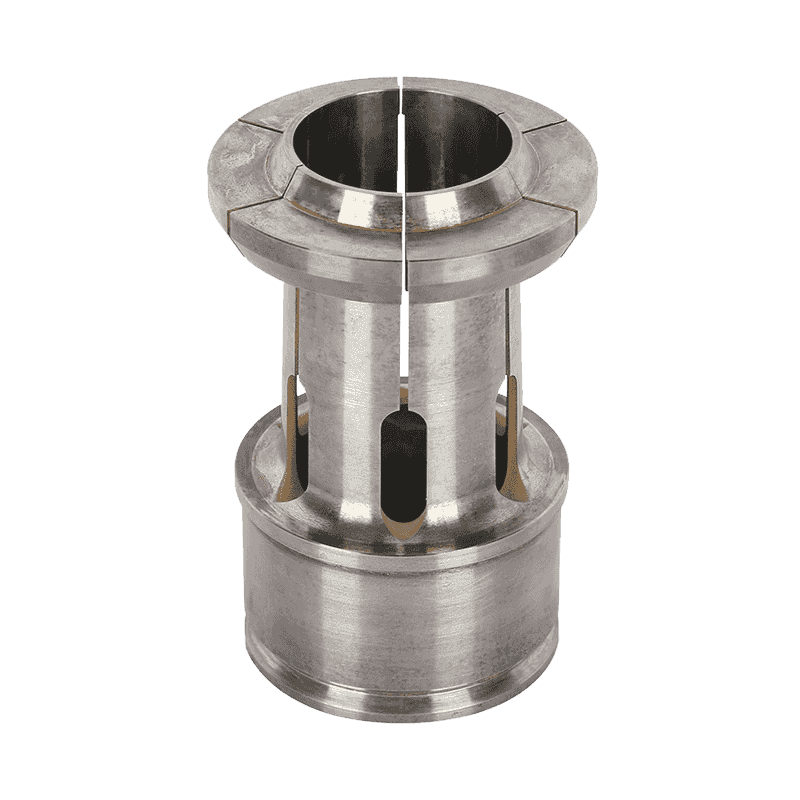 Custom CNC Machining Part for Aerospace EquipmentAerospace equipment calls for custom CNC-machined precision parts, with aluminum alloy, titanium alloy, or steel selected by purpose and working environment.View Product →
Automation is another steady customer. Guide blocks, sensor mounts, end-effector jaws and conveyor wear parts are often cut from POM, nylon or polycarbonate, because a plastic jaw will not mark a finished product the way a steel one can.
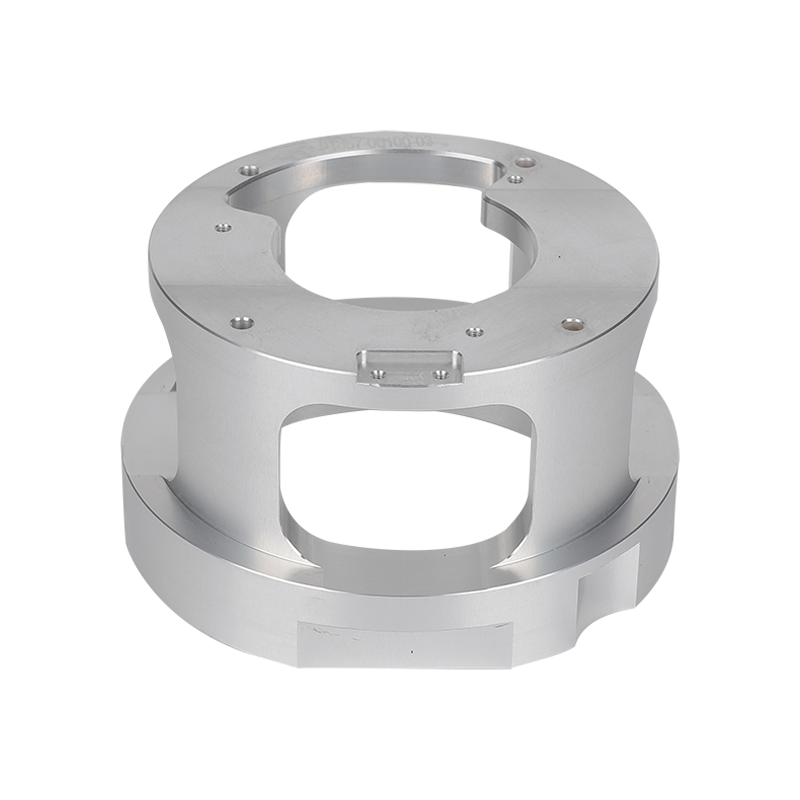 Custom CNC Machined Parts for Automation EquipmentMilled custom parts for production line equipment and robotic arms, suited to automation applications where guide blocks, sensor mounts, or end-effector jaws may be needed.View Product →
Medical and laboratory equipment brings a different set of expectations: clean surfaces, non-metallic options, and traceability that matches the batch. We machine housings, manifolds, fixtures and precision components in both metal and engineering plastics, and we keep the two material streams organised when a project needs both.
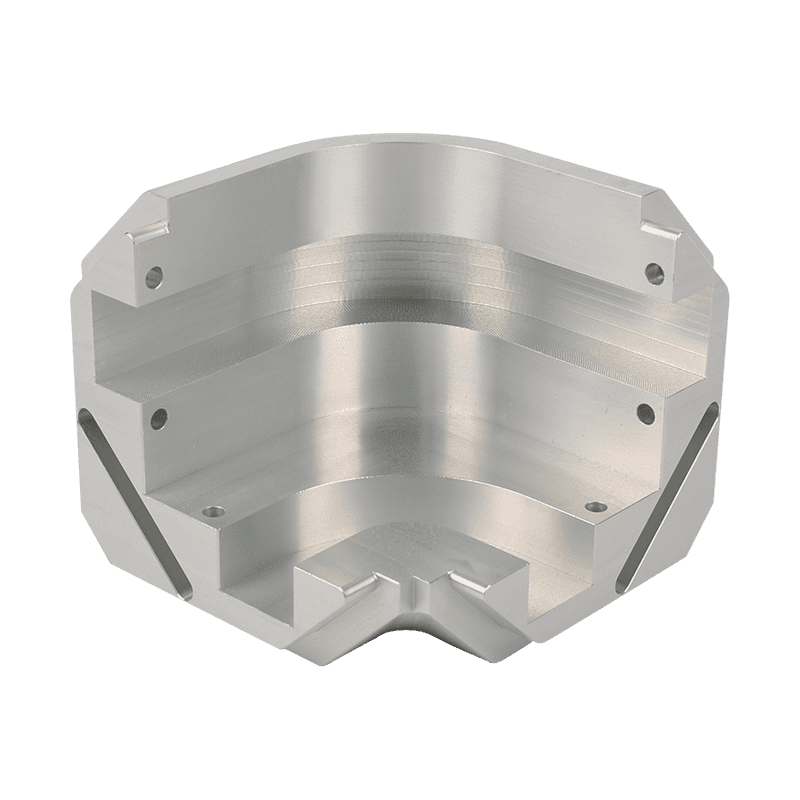 Custom OED Precision Metal and Non-metal Parts for Medical EquipmentCustom metal or engineering plastic parts for medical equipment, supported by over 14 years of machining experience and CNC drilling, tapping, and lathe capabilities.View Product →
Energy equipment leans on plastics for insulating plates, mounting brackets, cable guides and protective covers, where electrical isolation and weather resistance decide the material. Beyond these, everyday equipment benefits too: packaging machinery uses die-cut and machined plastic components, and control panels on smart-home and entertainment devices rely on precisely fitted plastic parts behind the touch surface.
Custom plastic work runs smoothly when the process is predictable. Our typical path looks like this:
If a part is still at the concept stage, this is the right moment to talk. You can send drawings and questions through our contact page, and we will tell you honestly what is straightforward, what needs a design tweak, and what the realistic lead time looks like.
Plastic is forgiving as a material and unforgiving as a machining challenge. The difference between a part that works for years and one that fails at the first assembly usually comes down to material choice, sensible tolerances, and a shop that understands how plastic behaves under the tool. Get those three right, and CNC plastic parts quietly do their job, order after order.
If you have any questions, please fill out the contact form at the bottom of the page and contact us.
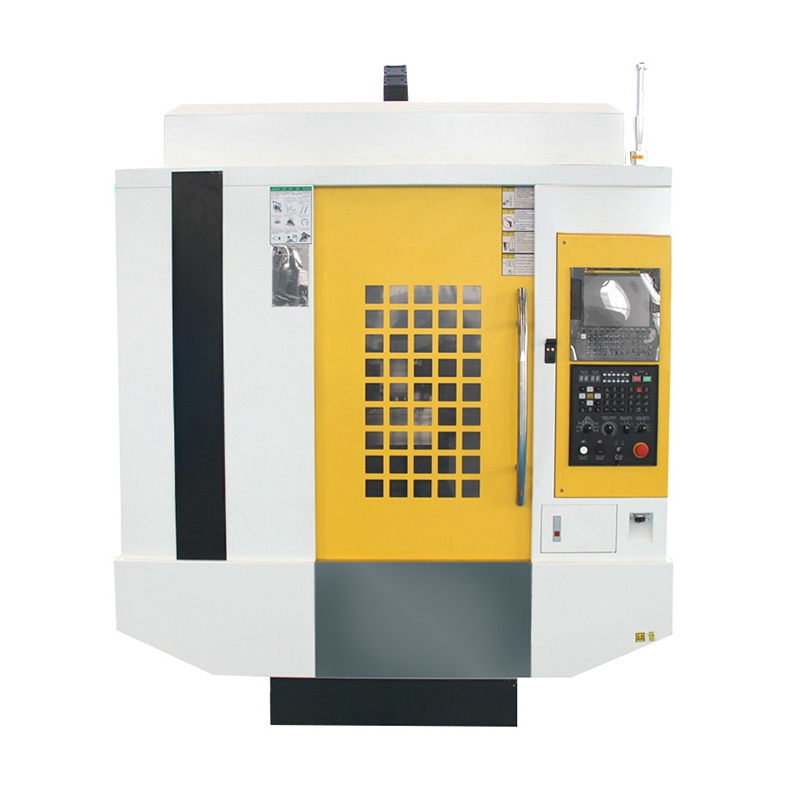 CNC Drilling and Tapping Machin
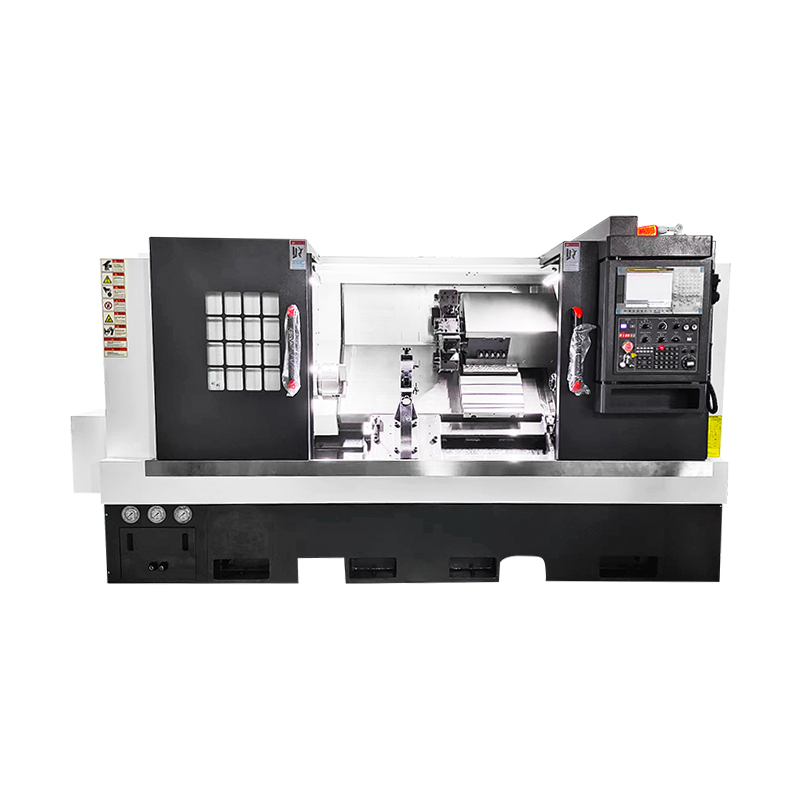 CNC Lathe Machine
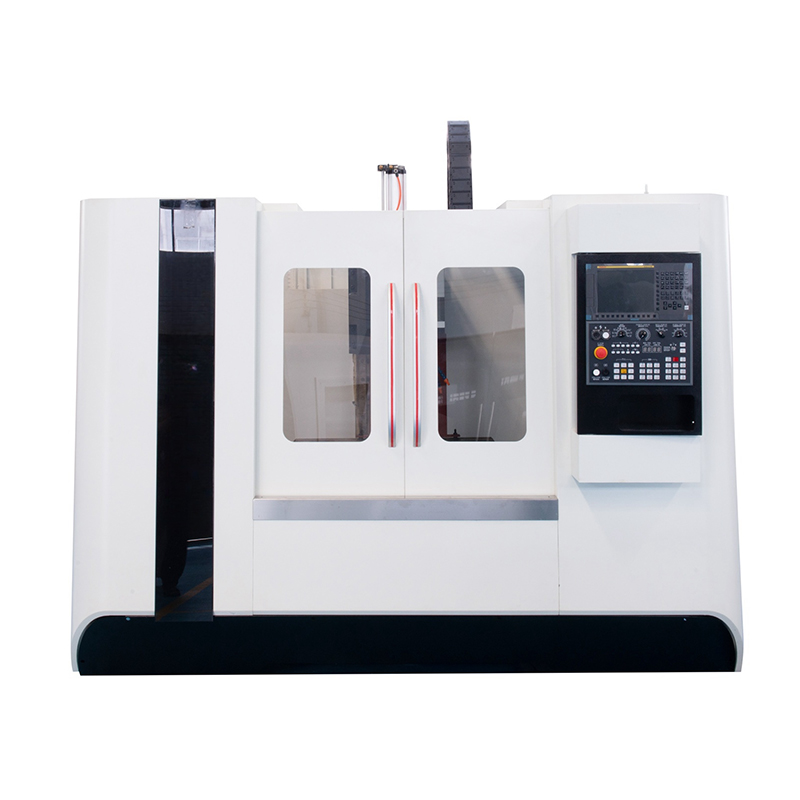 CNC Machine
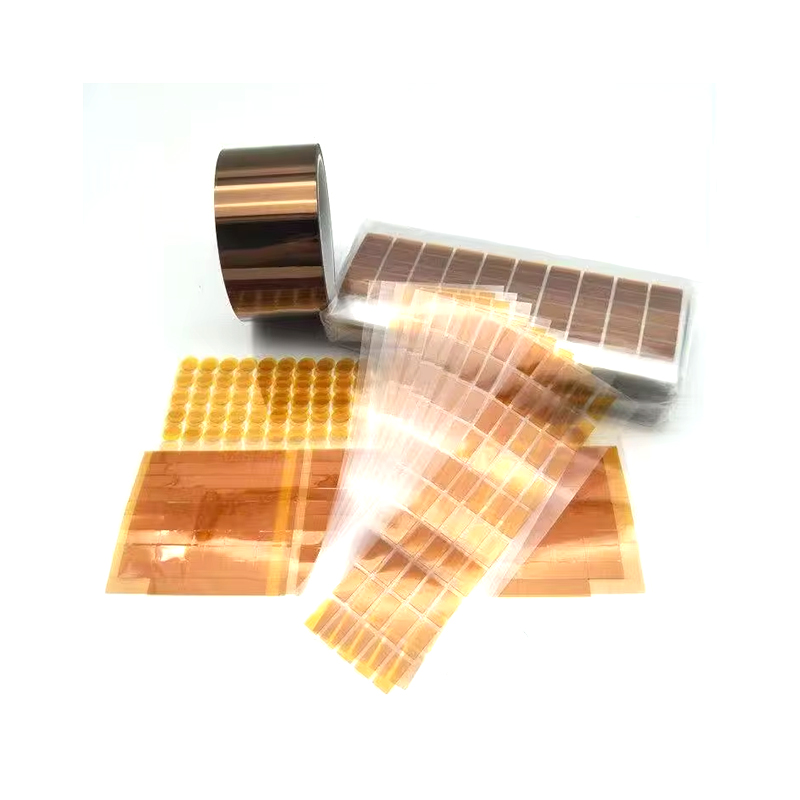 Cutomized Die-Cutting Products for Electronics Industry
 New Energy Automation Die Cutting Products
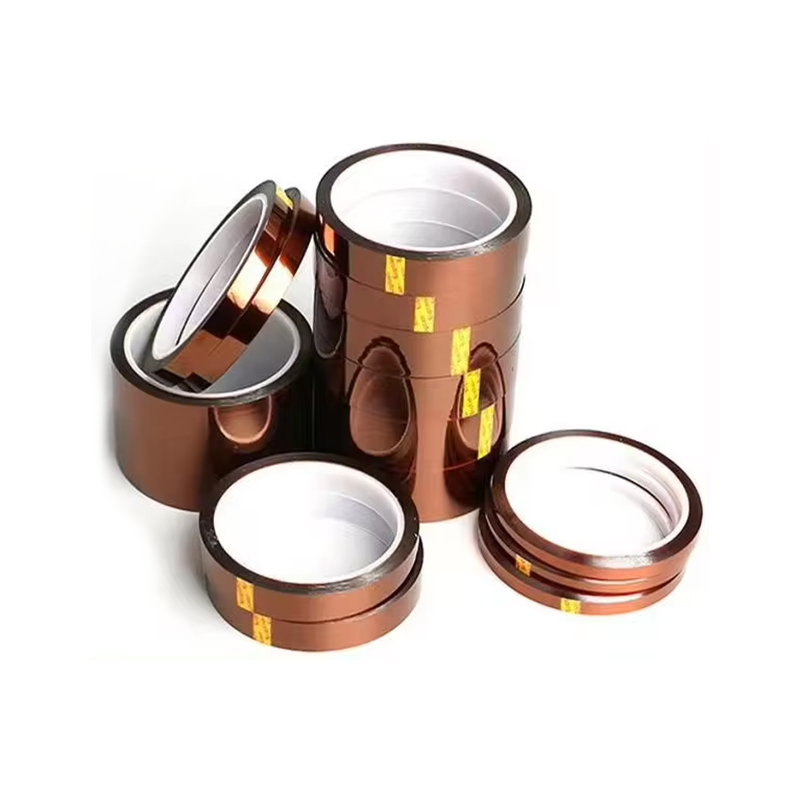 Customeized Die-Cut Products in Package Industry
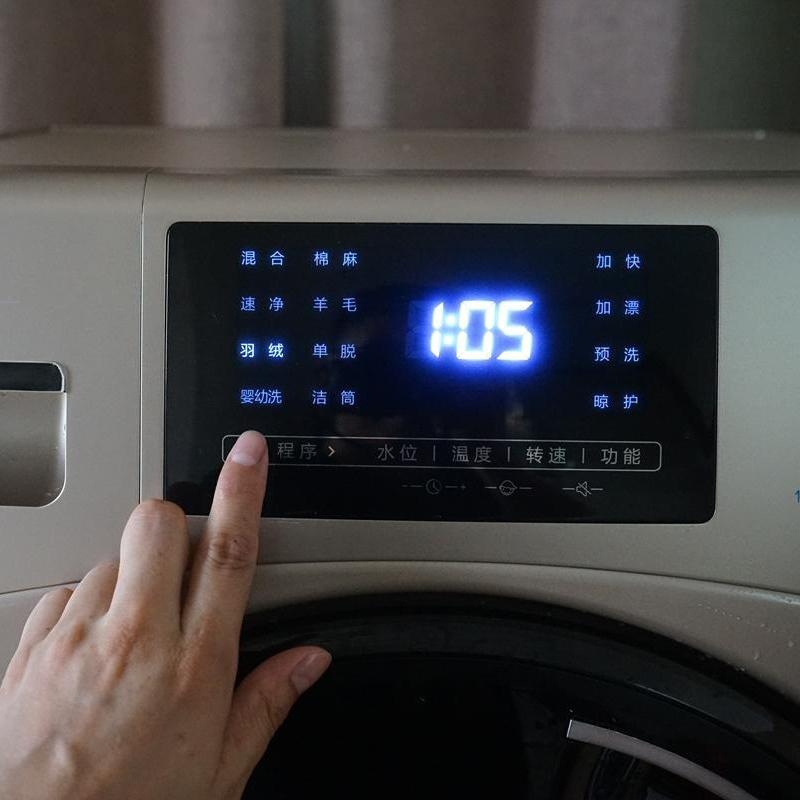 Bespoke Touch Screen for Gaming and Entertainment Devices
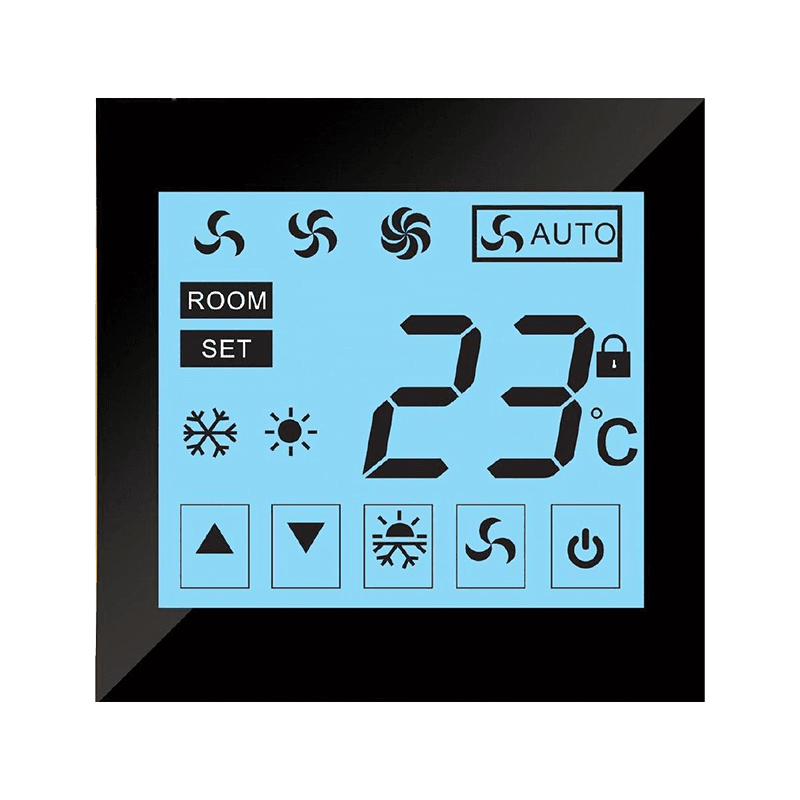 Custom Touch Screen in Smart Home Industry
 Customized Personalized Touch Panel Screen
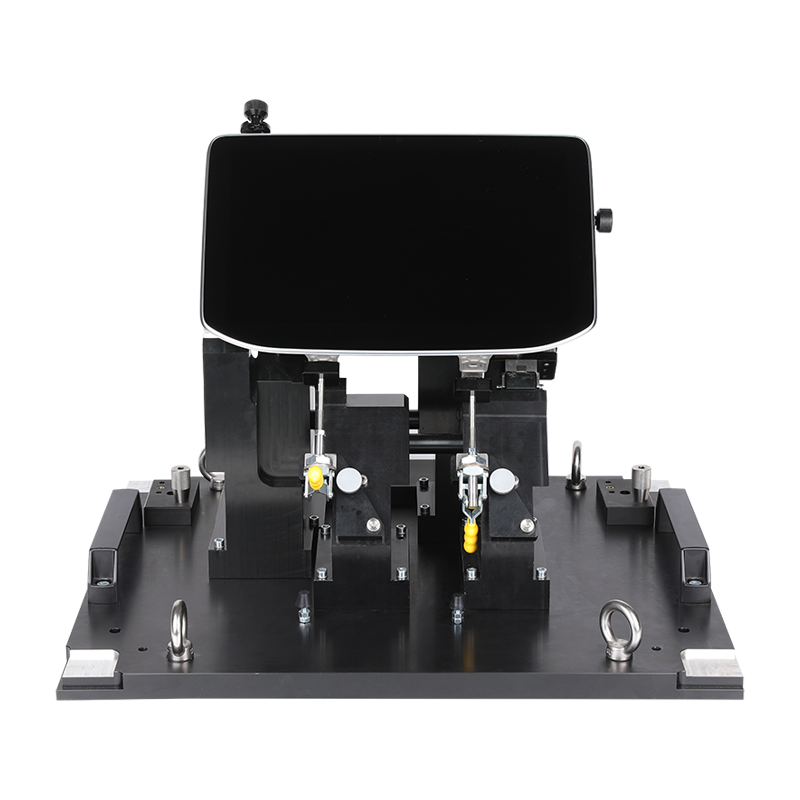 Design Manufacturing and Assembly of Special Customized Custom Electrical Cabinet
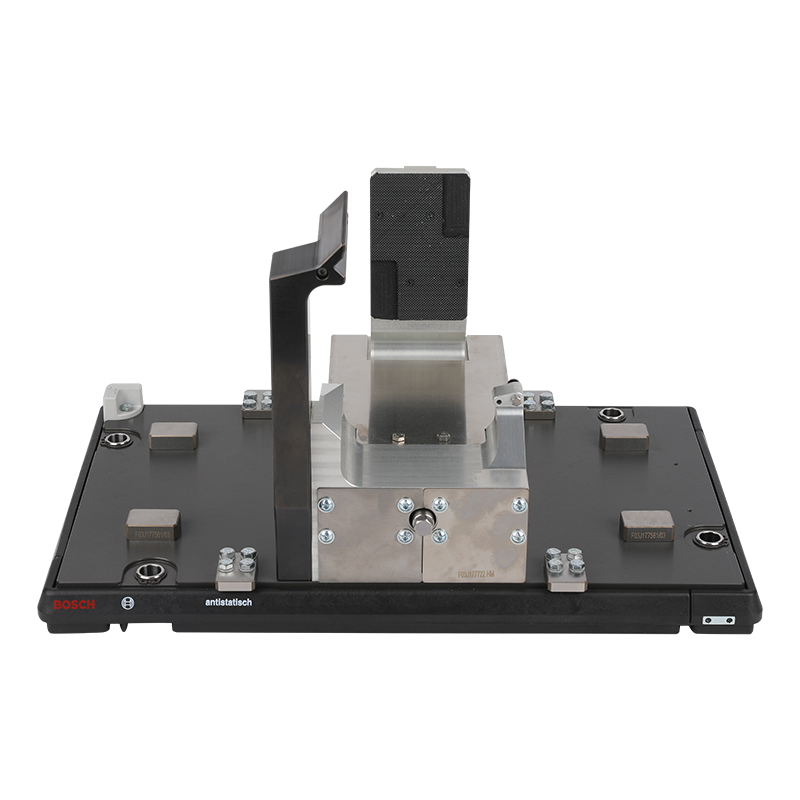 Industrial Robot Automatic Production Line Design Manufacture and Assembly
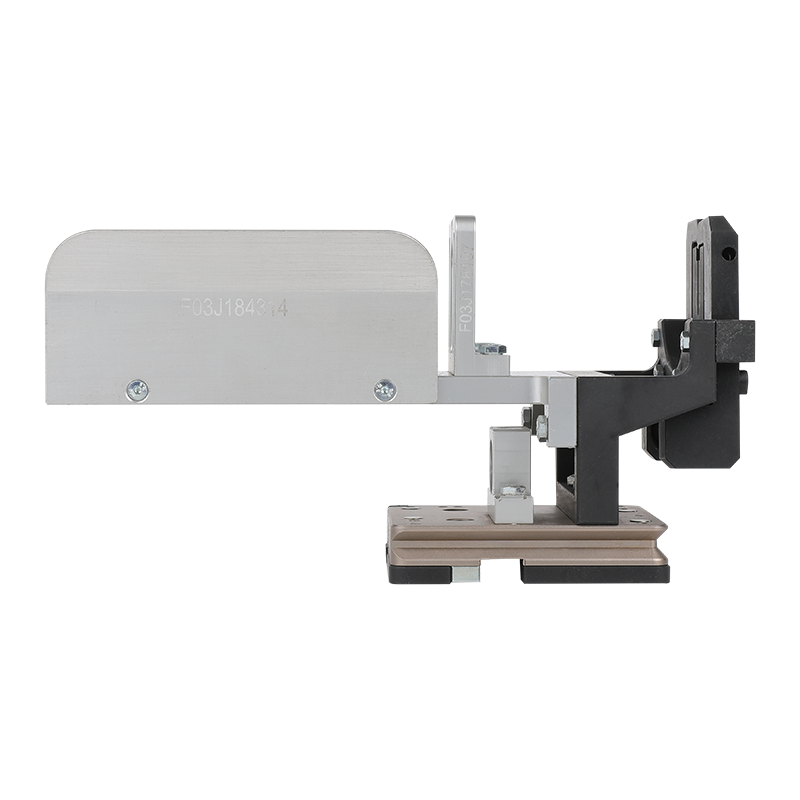 Customized Design Automation Equipment

+86-18118122885

+86-512-66233336

joy.qian@szhengmai.com

No. 8, Guangdian Road, Guangfu Town, Wuzhong District, Suzhou, Jiangsu, China.
Copyright © 2023 Suzhou Heimat Precision Machinery Co., Ltd. All Rights Reserved.Custom CNC Parts Processing Manufacturers

|
