 English
 русский
News
Home / News / Industry News / CNC Titanium Parts: Grade Choices, Tolerances, and Practical Machining Tips

 English
 Search
Suzhou Heimat Precision Machinery Co., Ltd.
+86-18118122885
joy.qian@szhengmai.com
Titanium has a reputation, and it is usually earned at the spindle. Anyone who has stood beside a machine with a block of Ti-6Al-4V clamped inside knows the pattern: parts that come out beautiful, made from a material that fights you the entire way. Our shop has been cutting custom components in Suzhou since 2010, and titanium work still gets a little extra respect on the floor — slower speeds, sharper tools, and a machinist watching the chip color change.
What follows is roughly the conversation we have with customers before a titanium project begins: which grades matter, where the process bites, and how to keep a sensible part from quietly turning into an expensive one.
Titanium sits at about 4.4 g/cm³, roughly 40 percent lighter than steel with comparable strength. That ratio is why it appears wherever mass is a real cost — a rotating assembly, a bracket on a fast-moving axis, a handheld instrument someone has to hold for an hour. It also shrugs off seawater, chlorides and most industrial chemicals, and it keeps its strength at temperatures where aluminium has already given up.
The trade-off appears the moment the tool touches the stock. Titanium conducts heat poorly, so cutting heat stays in the cutting zone instead of leaving with the chip. It is also chemically reactive, meaning a freshly cut surface is more than willing to weld itself onto a cutting edge. Those two facts explain almost every difficulty described further down.
Grade selection usually comes from the design or regulatory side rather than the machine shop, but it helps to know what each one does to the process.
| Grade | What it is | Where it typically goes | Machining notes |
|---|---|---|---|
| Grade 2 | Commercially pure titanium | Chemical handling, brackets, trays, covers | Softer and more forgiving; behaves like a tough stainless |
| Grade 5 | Ti-6Al-4V, the workhorse alloy | Aerospace structures, fasteners, robotics, instruments | Hard on tooling; rigidity and coolant pressure matter most |
| Grade 9 | Ti-3Al-2.5V | Tubing, hydraulic lines, lightweight frames | Moderate strength; less galling than Grade 5 |
| Grade 23 | Ti-6Al-4V ELI, low interstitial | Implants, surgical devices, cryogenic hardware | Similar to Grade 5; keep heat low to protect ductility |
Because titanium carries heat away slowly, the cutting edge runs hotter than it would in steel or aluminium, and the workpiece itself stays relatively cool. That sounds harmless until you notice the tool dulling twice as fast as expected. Generous coolant pressure, sharp geometry with a positive rake, and a feed rate high enough to keep the tool cutting rather than rubbing are the usual countermeasures.
Titanium's reactivity shows up as smearing on the flank and a built-up edge that changes the geometry mid-cut. Once that starts, dimensional consistency goes with it. Fresh inserts, polished flutes, and avoiding dwell time in the cut all help. So does keeping the workpiece clean — a chip recut even once will work-harden the surface beneath it.
Titanium is stiff but springy, so slender tools and thin walls deflect. We lean toward shorter tool extensions, trochoidal paths that spread the load, and fixtures that support the part close to the cut. Climb milling with a rigid setup usually beats trying to sneak up on the final dimension.
None of these are exotic, but each one removes time from a process that is already slower than working in aluminium or steel.
On titanium, general machining typically lands around ±0.05 mm on non-critical features, with critical bores, fits and diameters held to ±0.005–0.01 mm depending on size and geometry. As-machined surfaces usually sit in the Ra 0.8–3.2 µm range, and finer finishes are best reached by controlled finishing passes or a dedicated lapping step rather than by chasing the number on the same setup.
Verification is where titanium rewards patience. Our inspection room covers dimensional checks on finished parts, and we work inside ISO 9001 and ISO 14001 management frameworks, with material traceability kept from mill certificate to shipment. If you want a deeper walkthrough of drawing conventions, we put together a guide on how to specify titanium parts correctly that covers callouts, datum choices and the details that most often come back as questions.
Aerospace work tends to involve structural brackets, shaft components and fasteners where the weight saving pays for the machining time. Wall thickness and grain direction both matter here, and the documentation trail is as important as the part itself.
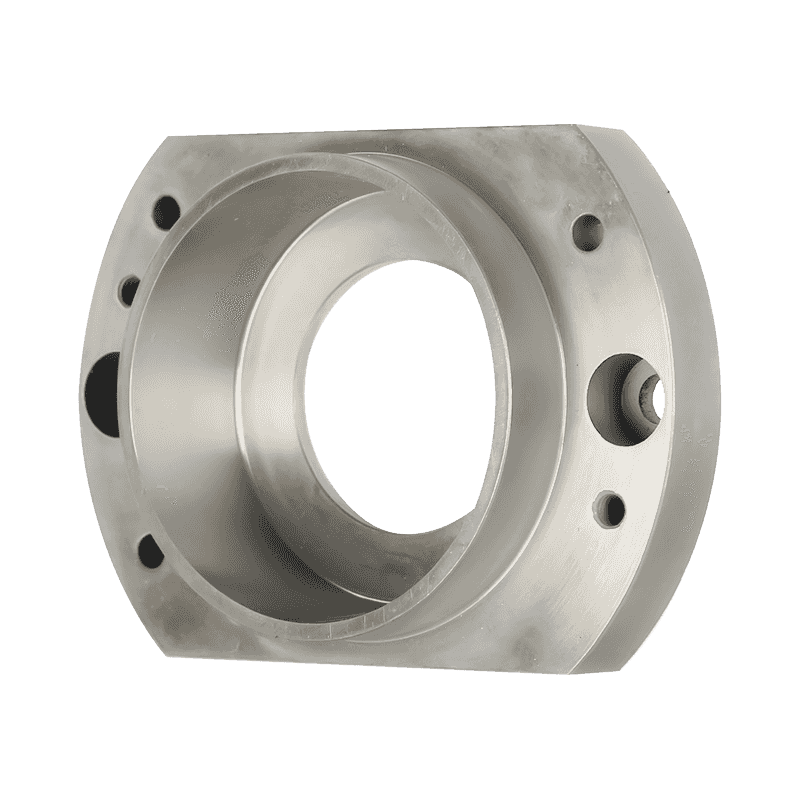 Custom High-Precision Axis Parts for Aerospace EquipmentPrecision axis components for aerospace equipment, presented with high precision, strength, light weight, corrosion resistance and reliability for demanding structural and shaft applications.View Product →
Medical projects are stricter still. Implant housings, instrument bodies and non-metal components must survive repeated sterilization and meet surface requirements that leave little room for interpretation. We machine both metal and non-metal medical parts and treat process validation as part of the job rather than an afterthought.
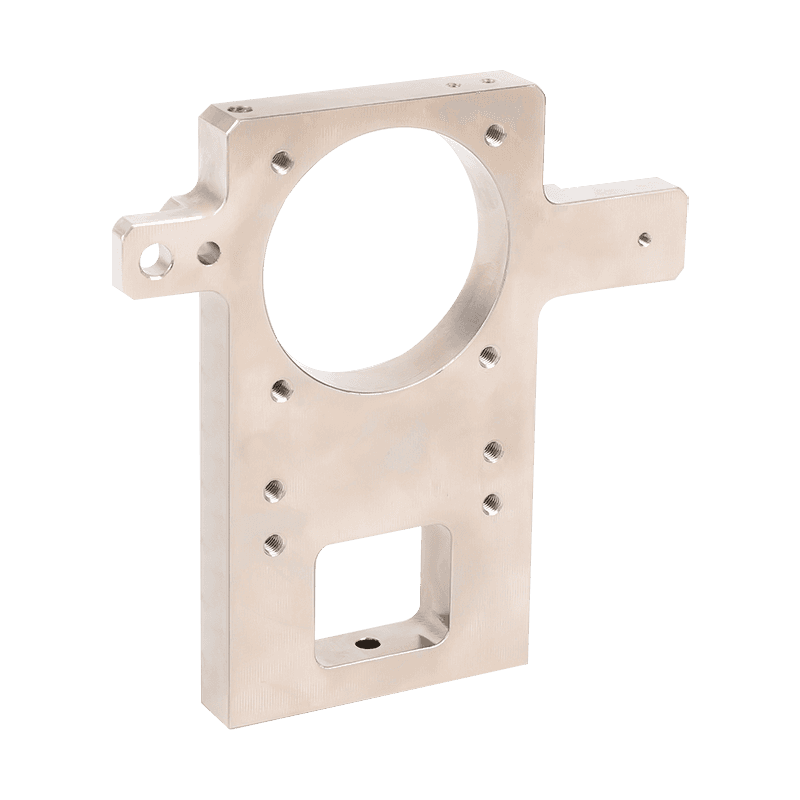 Customized High-Precision Parts for Medical EquipmentMedical equipment parts focused on high precision and reliable quality, with 316L machining experience supporting strict sterilization and surface requirements in medical projects.View Product →
Automation and robotics absorb a lot of titanium too — end-effector components, lightweight linkage parts and structural pieces for arms where every gram reduces the load on the drive train. Energy hardware, from wind turbine transmission parts to distribution box mounting plates, rounds out the picture.
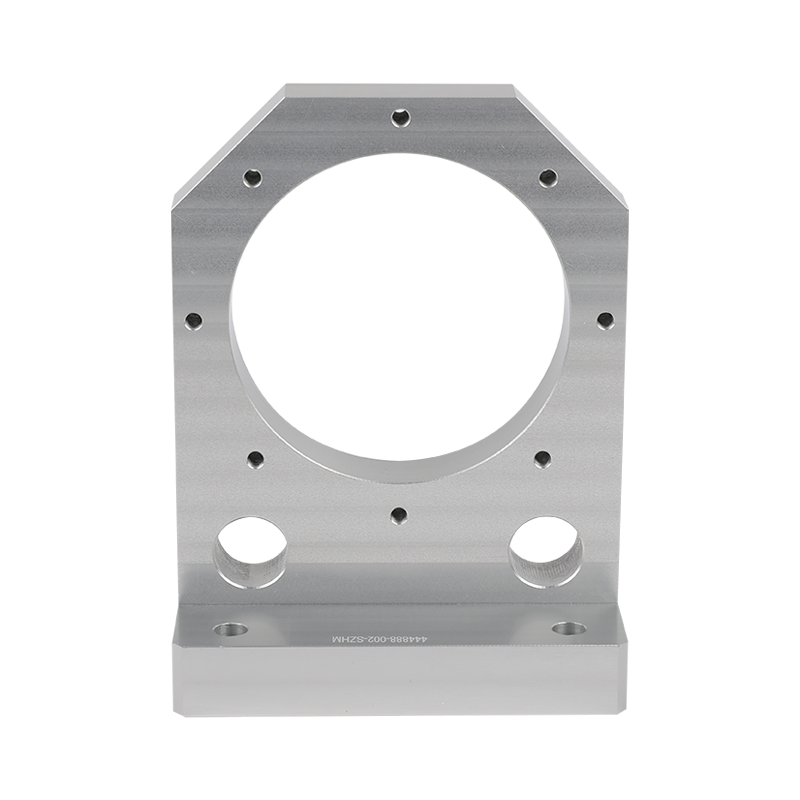 High-Precision Parts for Automated Robotic ArmsMilled mechanical parts for production line equipment and automatic robotic arms, suited to lightweight linkage and end-effector components where precision and reduced drive-train load matter.View Product →
A complete request shortens the back-and-forth dramatically. Useful material to include:
If you are still at the drawing stage, that is fine too. New sample design work is part of what we do, and a short review before the model is frozen is usually cheaper than a revision afterward. You can reach our team through the contact page and we will tell you honestly whether titanium is the right call for the part.
Titanium parts are not difficult because machinists lack skill — they are difficult because the material demands respect at every step, from grade choice to fixture design to the last finishing pass. Get those steps right and you end up with a component that outlasts the assembly around it. Get them wrong and the scrap bin fills quickly. We have spent more than a decade on the second problem, and we are happy to help you avoid it.
If you have any questions, please fill out the contact form at the bottom of the page and contact us.
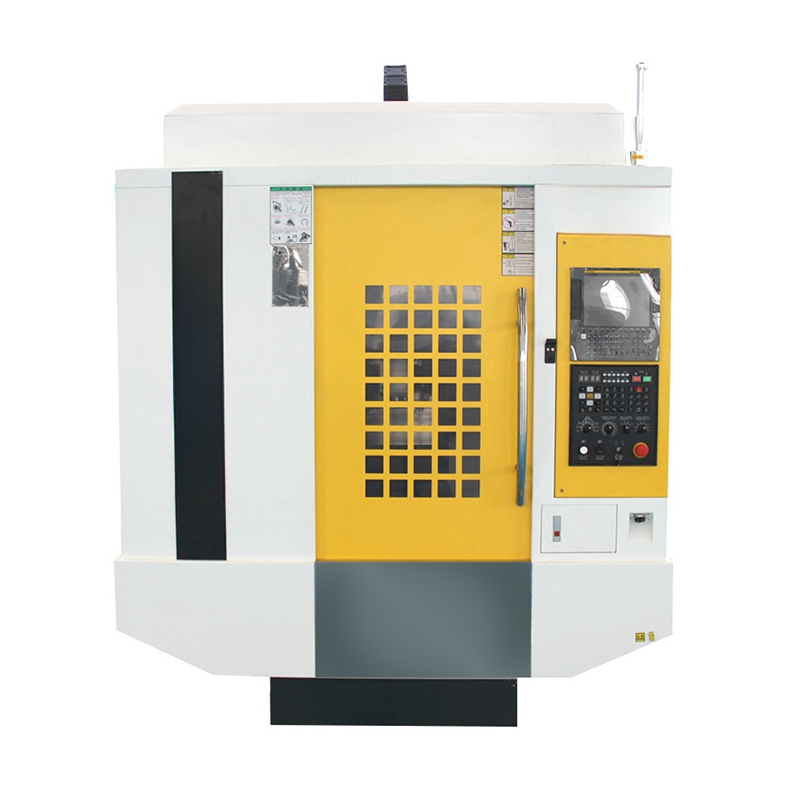 CNC Drilling and Tapping Machin
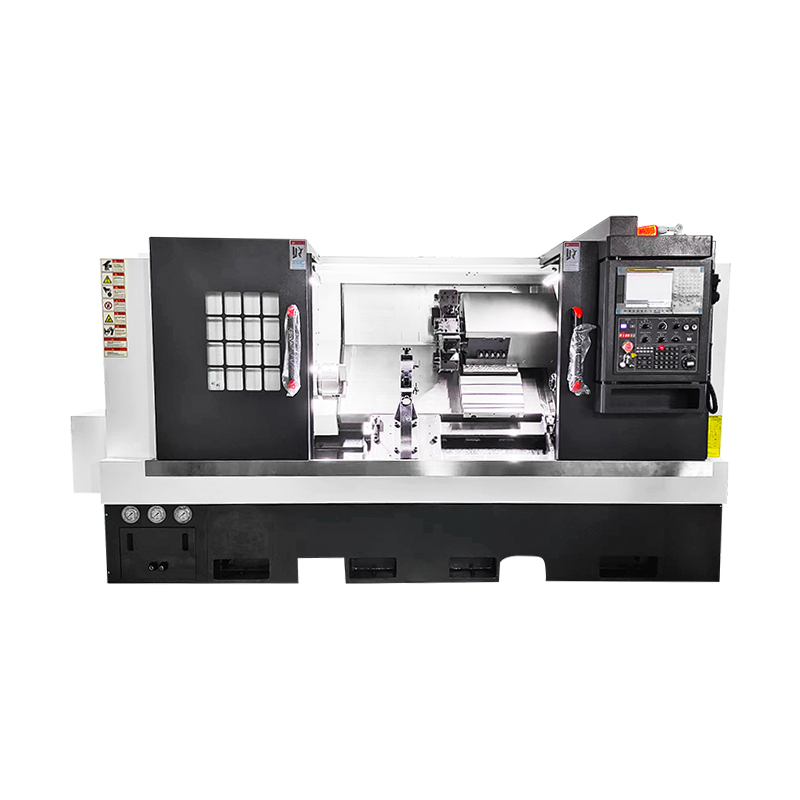 CNC Lathe Machine
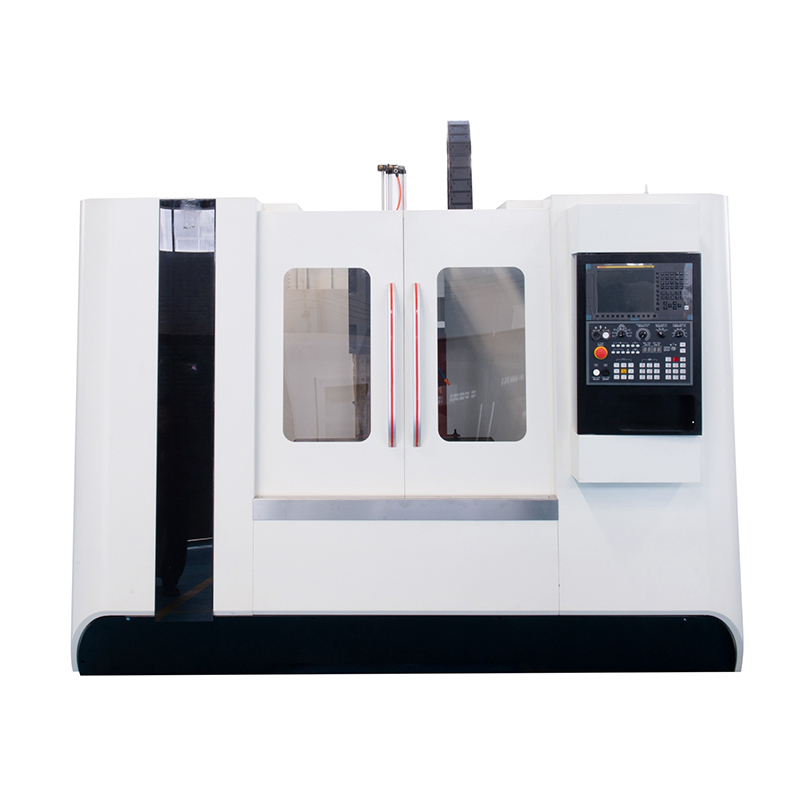 CNC Machine
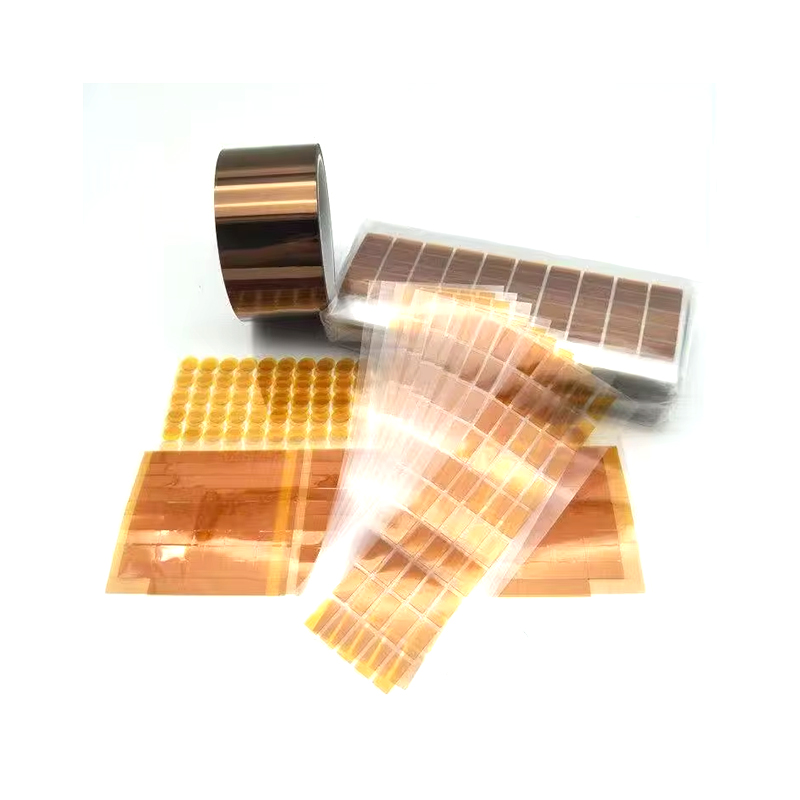 Cutomized Die-Cutting Products for Electronics Industry
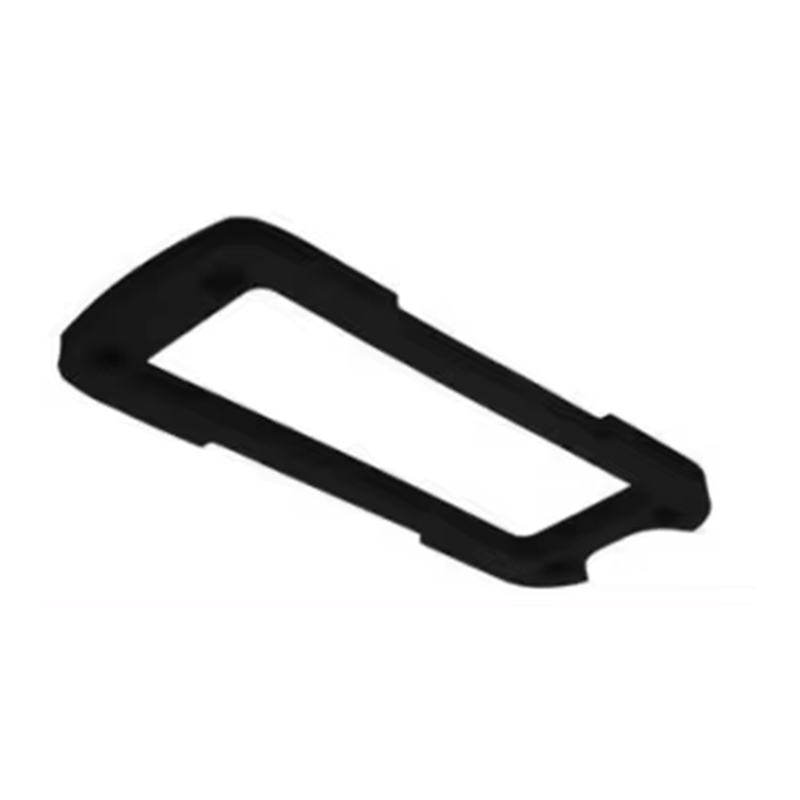 New Energy Automation Die Cutting Products
 Customeized Die-Cut Products in Package Industry
 Bespoke Touch Screen for Gaming and Entertainment Devices
 Custom Touch Screen in Smart Home Industry
 Customized Personalized Touch Panel Screen
 Design Manufacturing and Assembly of Special Customized Custom Electrical Cabinet
 Industrial Robot Automatic Production Line Design Manufacture and Assembly
 Customized Design Automation Equipment

+86-18118122885

+86-512-66233336

joy.qian@szhengmai.com

No. 8, Guangdian Road, Guangfu Town, Wuzhong District, Suzhou, Jiangsu, China.
Copyright © 2023 Suzhou Heimat Precision Machinery Co., Ltd. All Rights Reserved.Custom CNC Parts Processing Manufacturers

|
