 English
 русский
News
Home / News / Industry News / How to Make Reliable CNC Small Aluminum Parts: Alloys, Tools and Tolerances

 English
 Search
Suzhou Heimat Precision Machinery Co., Ltd.
+86-18118122885
joy.qian@szhengmai.com
Small aluminum parts rarely get the attention that large machined structures do, yet they cause a surprising share of assembly problems. A bracket the size of a postage stamp can decide whether a sensor sits square, whether a robot joint runs quietly, or whether an enclosure seals properly. After years of machining these little components for automation, medical, aerospace and energy customers, we have learned that the smaller the part, the less forgiving the process becomes.
This article walks through what actually matters when you specify, quote or produce CNC small aluminum parts: alloy selection, workholding, heat control, tooling, tolerances and finishing. It is written from the shop floor rather than the brochure, because most of the difficulties show up in the details.
A 200 mm aluminum plate absorbs cutting forces and heat fairly gracefully. A 20 mm aluminum housing does not. Wall sections of 1 mm or less deflect under clamping pressure, thin ribs vibrate at the slightest chatter, and the heat generated by a single finishing pass can move a bore by more than the tolerance you were trying to hold. When the finished weight is a few grams, the machining process itself is often the largest force acting on the workpiece.
The practical consequences appear in four places, and it is worth planning for each of them before the first chip is cut:
Alloy choice drives machinability, strength, corrosion behavior and how well the part will anodize. For small parts, the trade-off is usually between easy cutting and the mechanical properties the application demands. The table below summarizes the grades we see most often in customer drawings, and how they tend to behave on small work.
Our CNC machining precision parts are produced across all of these grades, from single prototypes to repeating production batches.
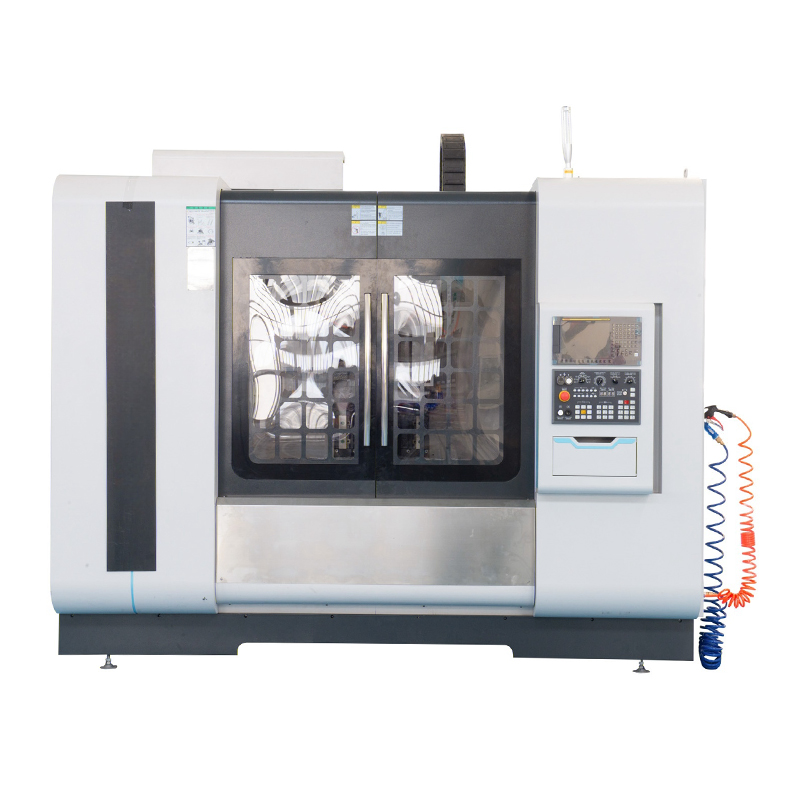 CNC Machining Precision Parts for Prototypes and ProductionCustom high-precision CNC machining across aluminum grades and other materials, from one-off prototypes to repeating production batches, with guidance on material choice and machinability.View Product →
| Alloy and temper | Relative machinability | Strength | Where it fits small parts |
|---|---|---|---|
| 6061-T6 | Good | Medium | Brackets, housings, jigs and general automation parts |
| 6082-T6 | Good | Medium | Close relative of 6061, often preferred by European customers |
| 7075-T6 | Fair | High | Small structural parts, robot linkages, aerospace fittings |
| 2024-T4 | Fair | High | Precision bushings and lightly loaded small shafts |
| 5052-H32 | Good but gummy | Low | Covers, guards and formed brackets that need corrosion resistance |
One practical note: 7075 machines beautifully but is less forgiving of sharp internal corners and thin unsupported walls, while 5052 tends to tear and smear unless cutters are sharp and feed rates are kept generous. If a drawing specifies 6061 by default, it is often worth asking whether 6082 would be acceptable, since plate availability and price can differ considerably from month to month.
For small aluminum parts we prefer to cut soft jaws or dedicated fixtures rather than rely on a general-purpose vise. Supporting the part across its full footprint and clamping on a sacrificial area lets us hold thin sections without marking the finished faces. Where quantities justify it, a plate fixture that holds ten or twenty parts at once keeps handling to a minimum and makes the clamping pressure identical for every piece.
Aluminum conducts heat away quickly, which is helpful, but small parts have very little mass to absorb it. We rough with generous coolant, allow the part to stabilize before finishing, and avoid dry cutting on thin walls. Chip evacuation matters just as much: a recutting chip in a 3 mm slot will damage the surface and wear the cutter far faster than the cutting itself. Through-spindle coolant or directed air blast solves most of these cases.
Sharp, uncoated or lightly coated carbide cutters with high helix angles work well in aluminum, provided the small-diameter tools are not pushed beyond their reach. As a rule, cutting depth should stay below roughly three times the tool diameter when rigidity is limited. For small high-precision shafts and turned features, we prefer to turn the geometry in a lathe with a subspindle wherever the design allows it.
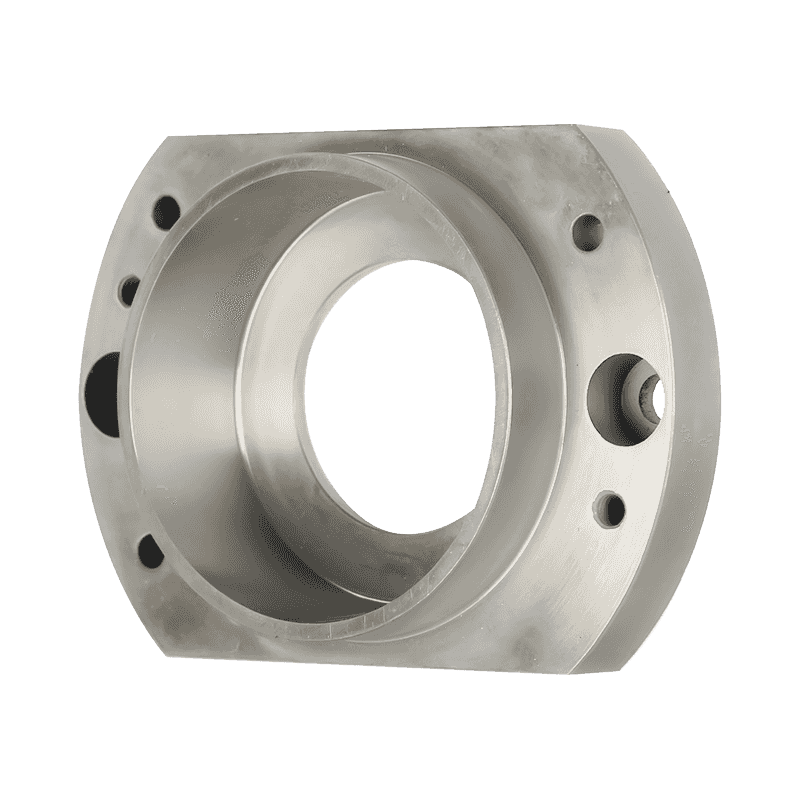 Customized High-Precision Axis Parts for Aerospace EquipmentCustomized high-precision axis parts for aerospace equipment, suited to small shafts and turned features where design allows, with high strength, corrosion resistance and reliability.View Product →
Deburring deserves its own line in the process plan. Hand finishing with a polished scraper and a light abrasive is still the most reliable method for small aluminum parts, and it is far cheaper to budget for it up front than to rework edges after anodizing.
Small aluminum parts are frequently asked to hold dimensions that are generous on paper but demanding in practice. A tolerance of 0.01 mm on a 5 mm bore is achievable; the same tolerance across a thin, unsupported 60 mm wall is a different conversation. It helps to know which dimensions actually govern function and which are simply carried over from a CAD model. Our engineers regularly review drawings with customers to flag features where the nominal value matters less than the fit at assembly.
Inspection follows the same logic. We measure small parts on a vision system or CMM with fixtures that replicate the mounting condition, because measuring a free-state part that will later be bolted flat gives misleading numbers. For production runs we keep first-article records and periodic sampling so that the tenth batch behaves like the first. If you would like a deeper look at how machine capability translates into real tolerances, this note on what tolerances CNC machining can actually hold explains the underlying reasons.
Anodizing adds a few microns per surface, which is negligible on a 50 mm bracket and significant on a 2 mm slot or a 4 mm pin hole. When a part is going to be anodized, we prefer to note critical fits before finishing so that the coating thickness is accounted for in the machined dimension. Type II decorative anodizing, hard anodizing for wear surfaces, bead blasting for a uniform matte look, and laser marking for identification are all routine options on small aluminum components.
Threaded inserts, dowel pins and press fits behave differently in small parts simply because there is less material around them. A short design review before machining often saves a revision later, particularly when an M2 thread sits close to an edge or when a bearing seat has only 1.5 mm of wall around it.
Our workflow is deliberately ordinary: review the drawing and the application, suggest material or tolerance changes where they reduce risk, machine a first sample, inspect it against the print, and only then move into batch production. Most of our small aluminum work ends up inside automation equipment, robotic arms, medical instruments and energy hardware, so we are used to parts that must fit into an assembly built somewhere else.
Because we also build automation equipment and electrical cabinets in-house, we often see the downstream consequence of a small component firsthand. That perspective tends to shorten the conversation about which features really need to be tight.
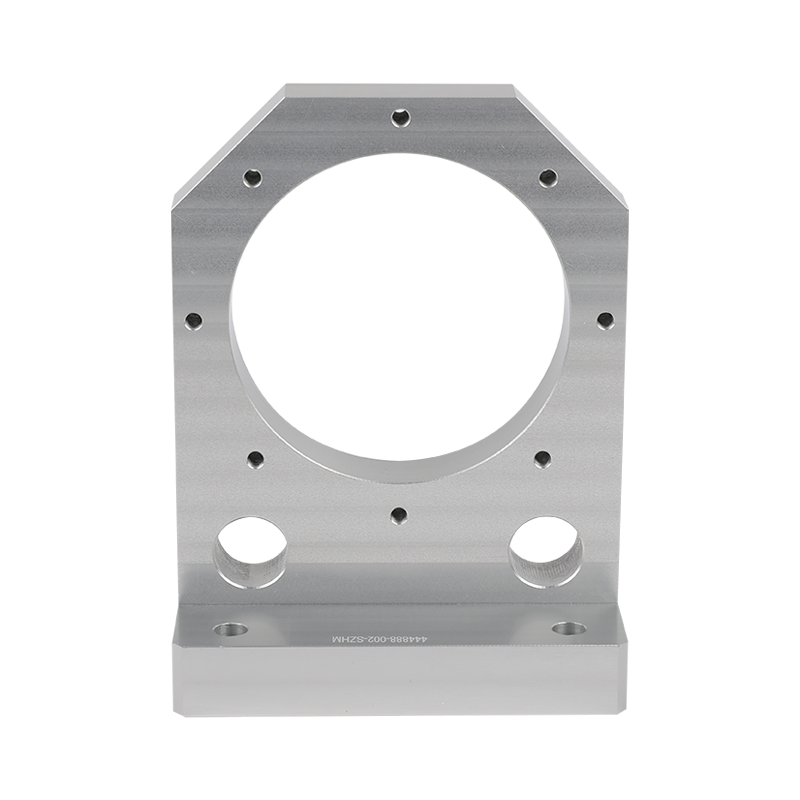 Automated Robotic Arm High-Precision Machined PartsCustom milled mechanical components for production line equipment and automatic robotic arms, useful where small part tolerances and assembly fit need practical manufacturing input.View Product →
If you have a small aluminum part that keeps causing trouble at assembly, or a new design that needs a manufacturing opinion before tooling is committed, send over the drawing and the working environment. We will tell you honestly whether the tolerances, material and finish are sensible for the quantity involved, and where a small change would make the part easier and cheaper to produce.
You can reach our team through the contact page with drawings in any common CAD format. Samples are usually the fastest way to settle a question about fit, finish or edge quality, and we are happy to start there.
If you have any questions, please fill out the contact form at the bottom of the page and contact us.
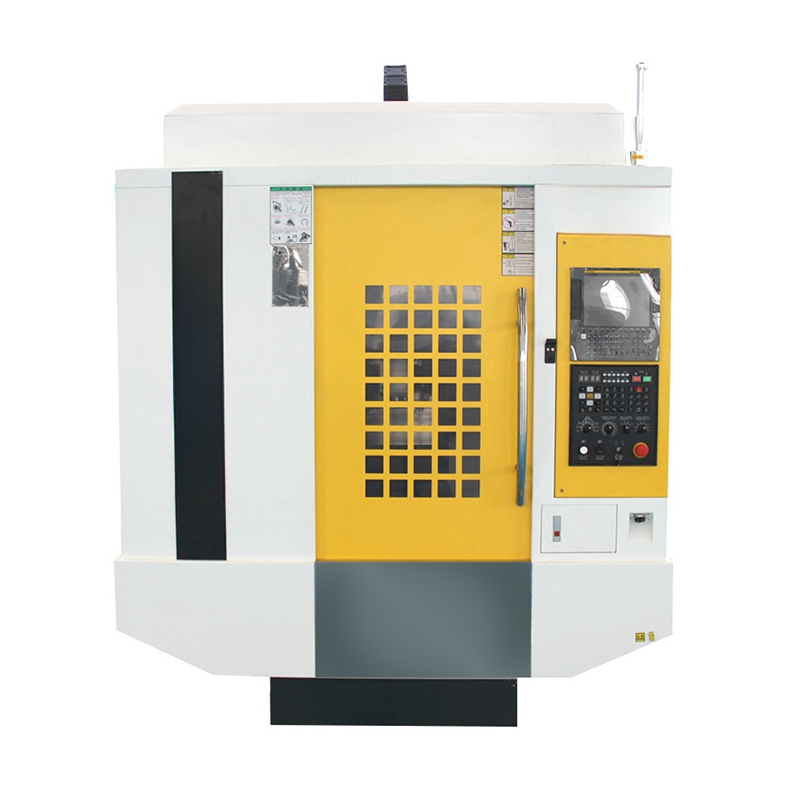 CNC Drilling and Tapping Machin
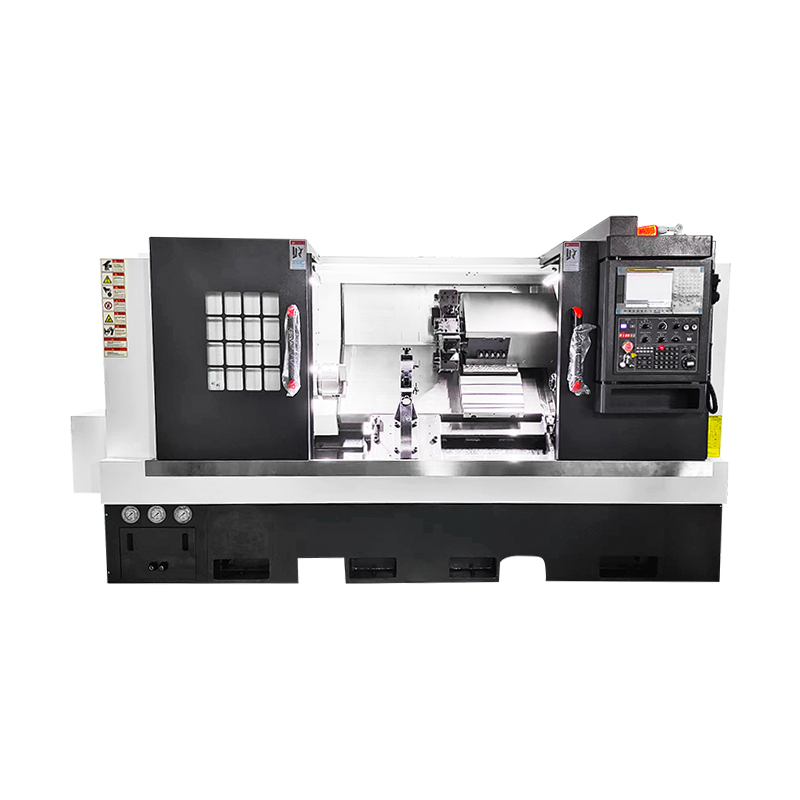 CNC Lathe Machine
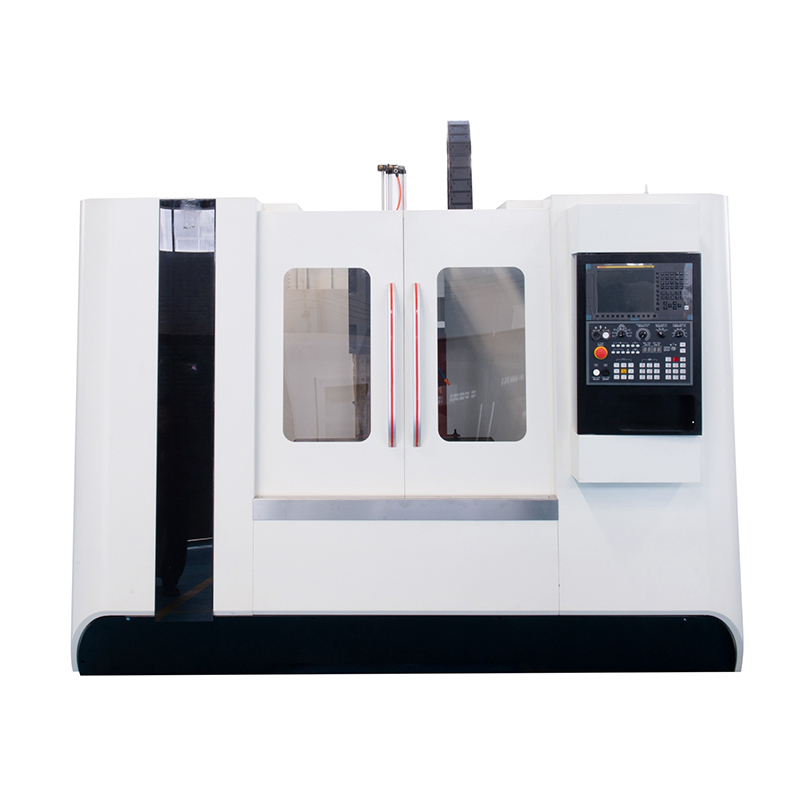 CNC Machine
 Cutomized Die-Cutting Products for Electronics Industry
 New Energy Automation Die Cutting Products
 Customeized Die-Cut Products in Package Industry
 Bespoke Touch Screen for Gaming and Entertainment Devices
 Custom Touch Screen in Smart Home Industry
 Customized Personalized Touch Panel Screen
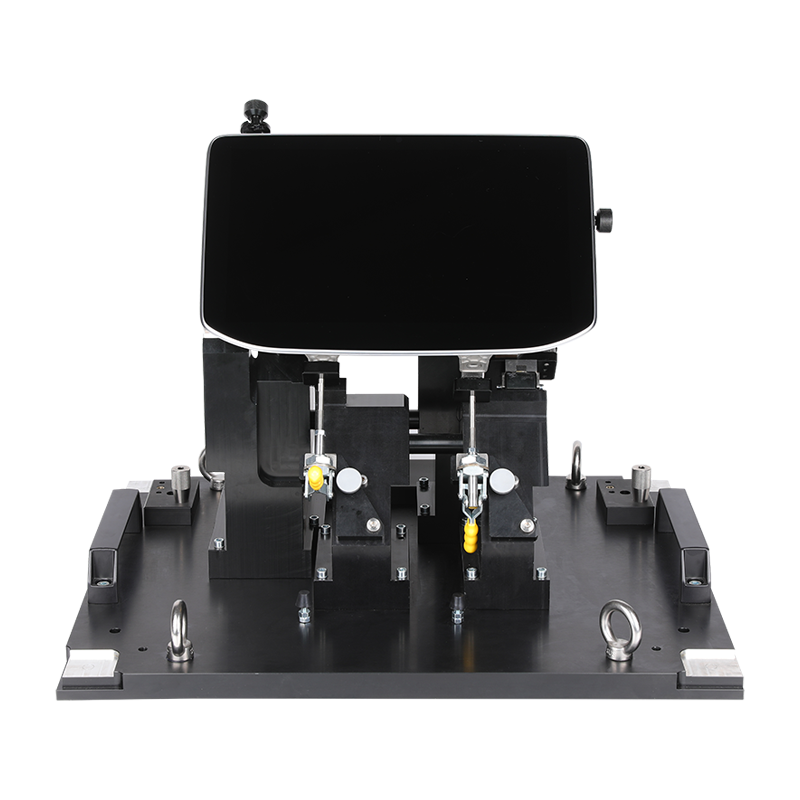 Design Manufacturing and Assembly of Special Customized Custom Electrical Cabinet
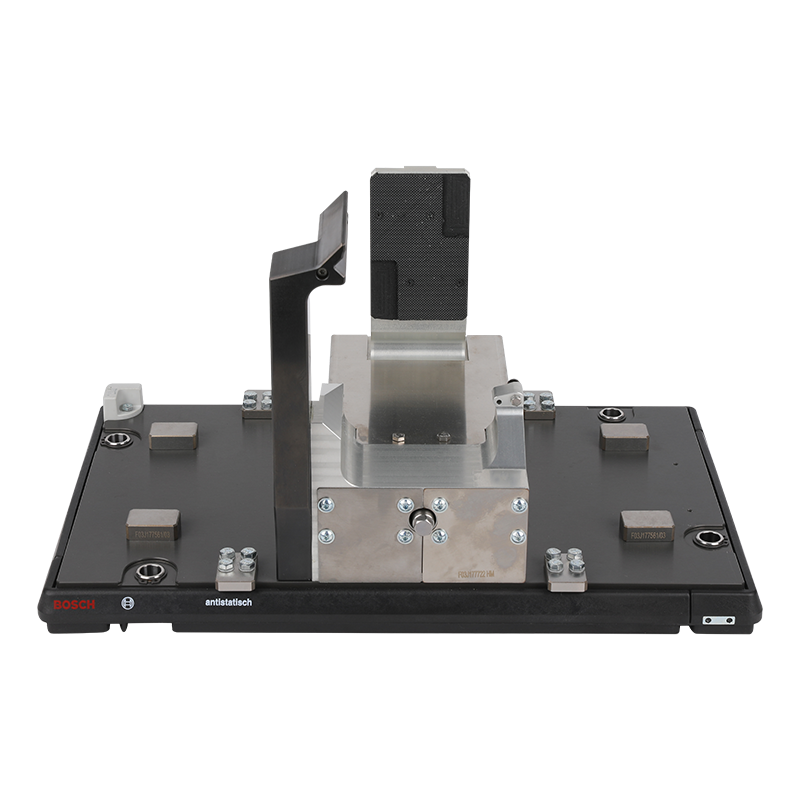 Industrial Robot Automatic Production Line Design Manufacture and Assembly
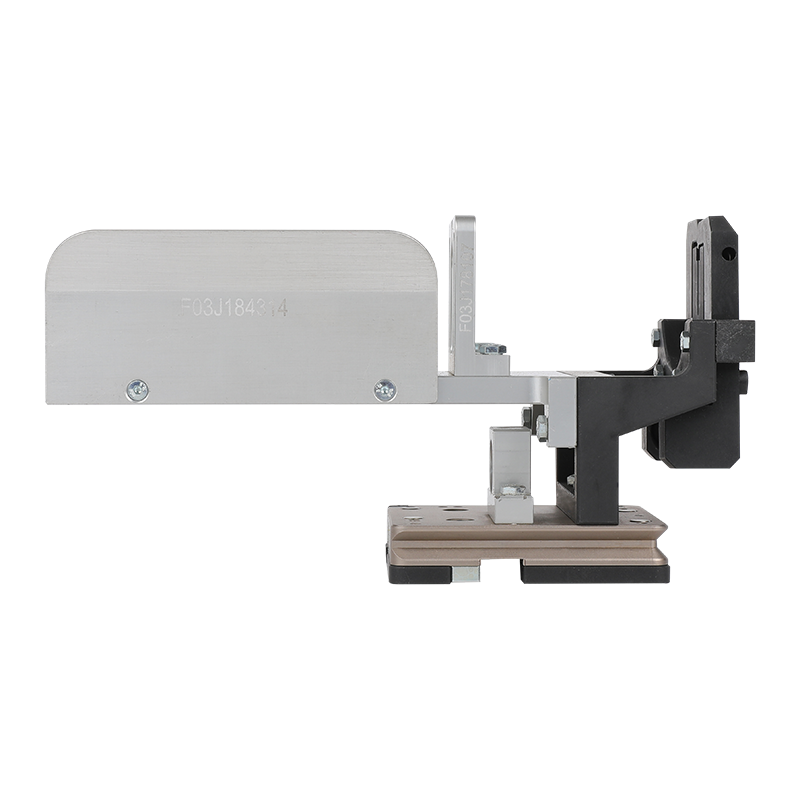 Customized Design Automation Equipment

+86-18118122885

+86-512-66233336

joy.qian@szhengmai.com

No. 8, Guangdian Road, Guangfu Town, Wuzhong District, Suzhou, Jiangsu, China.
Copyright © 2023 Suzhou Heimat Precision Machinery Co., Ltd. All Rights Reserved.Custom CNC Parts Processing Manufacturers

|
