 English
 русский
News
Home / News / Industry News / Aluminum CNC Turning Parts: Complete Custom Precision Machining Guide for Engineers

 English
 Search
Suzhou Heimat Precision Machinery Co., Ltd.
+86-18118122885
joy.qian@szhengmai.com
An engineer once sent us a drawing for an aluminum shaft. The shaft had a diameter of 12 mm, a tolerance of plus/minus 0.01 mm, and a surface finish requirement of 0.8 micron Ra. The part was designed for an automated indexing table that had to stop at precise positions. We quoted it, machined it, and delivered it within the specified limits. That experience is a good summary of what aluminum CNC turning parts are about. They look simple on paper, but the details decide whether your assembly runs reliably or stops your production line. The conclusion before the explanation is simple: precision is not optional, it is a requirement.
Aluminum CNC turning parts are components produced by rotating a workpiece while a cutting tool removes material. The process takes a solid bar of aluminum and shapes it into cylinders, shafts, sleeves, flanges, and other rotational geometries. Because aluminum is lightweight, corrosion-resistant, and easy to machine, it is one of the most common materials for CNC turned parts.
The key to a good aluminum turned part is control. Control comes from the machine, the tooling, the workholding, and the programmer who plans the toolpaths. A CNC lathe with a rigid spindle and accurate axis drives can hold consistent dimensions. Tool selection matters too. For aluminum, sharp carbide inserts with polished chip breakers help minimize built-up edge, which is a common cause of poor surface finish.
Not all aluminum alloys machine the same way. 6061-T6 is the workhorse for general-purpose turned parts because it offers good machinability and strength. 7075-T6 is used when higher strength is needed, but it requires slower speeds and a different cutting strategy. Other alloys like 2024 or 5052 appear in specific applications. If the drawing does not specify a grade, ask your supplier before quoting, because changing material after tooling is set up can cost time and money.
If you order aluminum CNC turning parts, the tolerance and surface finish values on your drawing will drive the cost and the production method. A good rule is that tighter tolerances and smoother finishes require more work, more inspection, and ultimately a higher price. In practice, a CNC lathe can hold a dimensional tolerance of plus/minus 0.01 mm under stable conditions, but that does not mean every feature should be specified that way.
The table below shows typical tolerance and surface finish ranges for common applications. Use it as a starting point when you evaluate a quotation.
| Application | Recommended Tolerance (ISO 286) | Typical Surface Finish (Ra in microns) |
|---|---|---|
| Automation equipment | IT7 to IT9 | 0.8 to 1.6 |
| Medical devices | IT6 to IT8 | 0.4 to 0.8 |
| Energy components | IT8 to IT10 | 1.6 to 3.2 |
| Aerospace fittings | IT6 to IT8 | 0.4 to 1.6 |
For a deeper look at how tolerances are actually achieved, our article on what tolerances CNC machining can actually hold explains the machine geometry, tool wear, and thermal effects that decide the final accuracy.
Surface finish in aluminum turning is also a matter of process. Finishing passes with a light depth of cut, a high spindle speed, and a small feed rate produce a fine, polished look. But if the part will be anodized, the raised texture around this style of finish is not just cosmetic, because the anodizing process can reveal hidden tool marks.
When you request a quote, you do not need to be a machining expert, but you do need to provide a few key items. The material grade is the first. If you specify 6061, the supplier will order 6061 bar stock. If you leave it open, you may receive a different alloy with different strength and corrosion properties. The second item is the drawing with clear tolerances. A tolerance of plus/minus 0.1 mm is easy for any shop. A tolerance of plus/minus 0.005 mm requires grinding or ultra-precision turning, so it costs more and takes longer.
The third item is surface treatment. Many aluminum turned parts are anodized, electroless nickel plated, or left in their natural finish. Anodizing adds a wear-resistant oxide layer and changes the color, but it also adds to lead time and requires controlled racking of the parts. The fourth item is deburring and edge cleanliness. A sharp edge left after turning can fail an assembly or cut an operator. A reliable supplier removes burrs and breaks edges.
Lastly, ask about inspection. A professional machining partner should have calibrated micrometers, bore gauges, and surface roughness testers. They should be able to provide a material certificate and a dimensional report. We at Suzhou Heimat Precision Machinery have a complete inspection facility and operate under ISO 9001 and ISO 14001 systems, which gives us a structured way to manage quality and environmental responsibilities.
Aluminum turned parts are used across many industrial sectors because they offer a balance of weight, strength, and machinability. Here are three common areas where custom CNC turning makes a meaningful difference.
In automation lines, aluminum shafts, pulleys, and housings are central to motion transfer. The parts often need to fit on commercial bearings and shafts with small clearances. A slight deviation in diameter or a poorly finished surface can cause vibration, noise, and early wear. For this reason, we manufacture custom CNC parts for automation equipment with tight control over concentricity and surface finish.
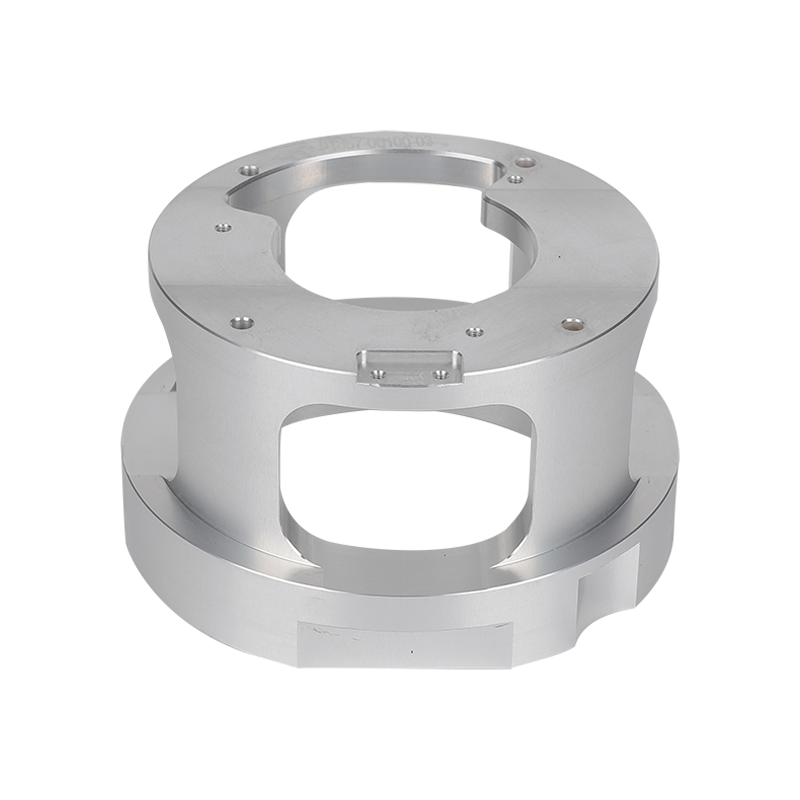 Custom CNC Machined Parts for Automation EquipmentThese custom CNC milled components are built for production lines and robotic arms, with tight control on concentricity and surface finish to prevent vibration and wear in motion systems.View Product →
Medical equipment demands clean, accurate, and biocompatible components. Aluminum is not always the first choice for inside-the-body parts, but it is widely used in medical device housings, instrument arms, and test equipment that come into contact with instruments. Clean machining, low surface roughness, and consistent diameters are critical. Our custom CNC parts for medical equipment are produced with the same attention to material traceability and dimensional stability that the medical sector requires.
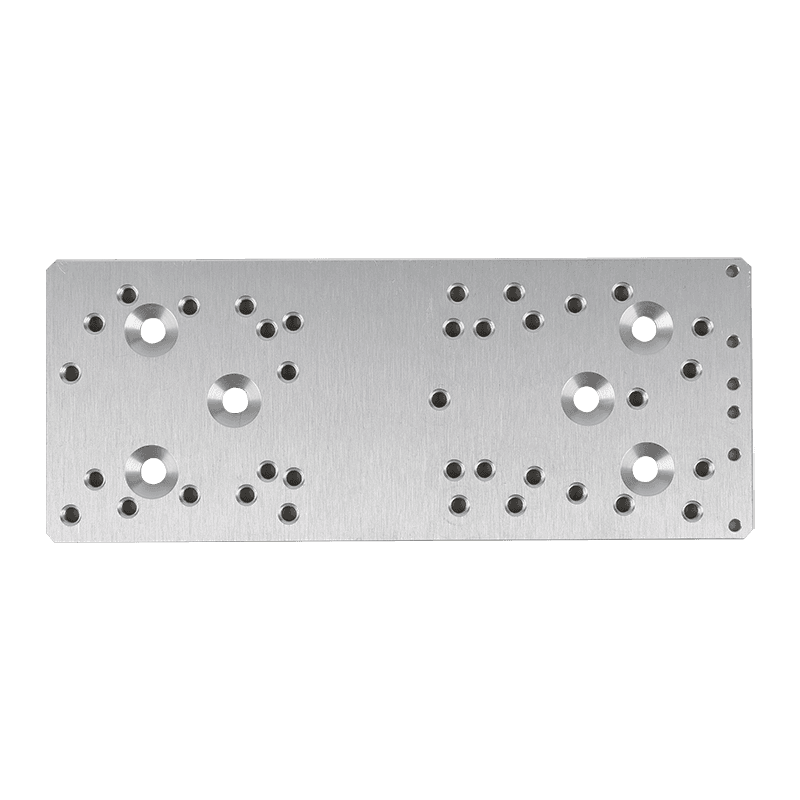 Precision CNC Machined Medical Equipment ComponentsManufactured with high precision and clean surfaces, these custom parts are suitable for medical housings and instrument arms, using materials like stainless steel 316 for biocompatibility and durability.View Product →
Wind power systems use aluminum and steel turned parts in generators, gearboxes, and structural frames. The transmission shaft for a wind turbine is a classic example where a turned part must carry torque and resist fatigue. Even a small machining error can lead to misalignment in the gear train. We offer CNC machining transmission shaft for wind power generation systems with verification of straightness and runout before shipment.
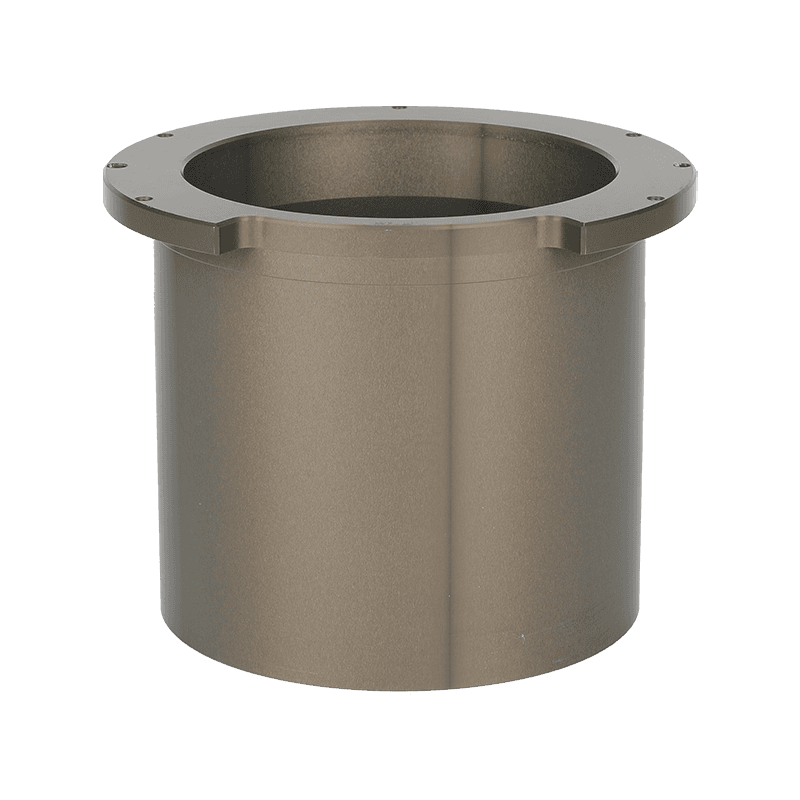 CNC Machined Transmission Shaft for Wind Power SystemsThese high-strength steel shafts connect turbine blades to gearboxes, machined to strict tolerances with verified straightness and runout to ensure reliable torque transmission and fatigue resistance.View Product →
When you buy aluminum CNC turning parts, the most common risk is not a sudden machine failure. It is the slow, quiet differences that add up. Consider material substitution. A supplier may use 6063 instead of 6061 because it is available, but 6063 has lower tensile strength. If the part is a load-bearing shaft, that substitution can cause failure during operation.
Another risk is dimensional drift. As a tool wears during a production run, diameters slowly shift outside the tolerance band. A good shop will do in-process checks and adjust offsets. Ask whether your supplier measures the first article and then monitors the run. Many suppliers do not, and that is why you see parts rejected at incoming inspection.
A third risk is hidden tool marks from the turning process. A fine feed leaves a spiral pattern that may be invisible before anodizing but becomes obvious afterward. If you plan to anodize, share that information with the machinist. They can adjust the finishing pass to leave a surface suitable for the anodizing thickness.
The fourth risk is poor packaging and delivery. Aluminum parts have a soft surface, so they mark easily if they rub together in a box. A trustworthy supplier uses separators or individual bags. They also understand that a change in material stock can affect lead time. Clear communication and a realistic delivery date prevent surprises.
Aluminum turned parts are rarely the whole story. They often end up in a larger assembly with brackets, sheet metal, or an electrical cabinet. If your supplier can also handle those elements, your project becomes simpler and faster. Suzhou Heimat Precision Machinery provides a one-stop service that covers custom precision machining, new sample drawing design, equipment production and assembly, and even automation equipment design. This means you can send us a concept, and we can help you turn it into a manufactured product.
Working with a single supplier reduces coordination effort, shortens delivery time, and gives you a single point of accountability for quality. It also means the supplier knows how the turned part fits into the final assembly, which is useful when you need to adjust a tolerance or add a mounting feature.
If you have an aluminum CNC turning part requirement that has not yet reached the drawing stage, or if you want to verify the manufacturability of an existing design, discuss your project with our engineers. We are located in Suzhou, China, and we export to countries including the United States, Germany, Russia, France, Iceland, and South Korea. We can help you move from a simple sketch to a finished component that meets your production schedule.
If you have any questions, please fill out the contact form at the bottom of the page and contact us.
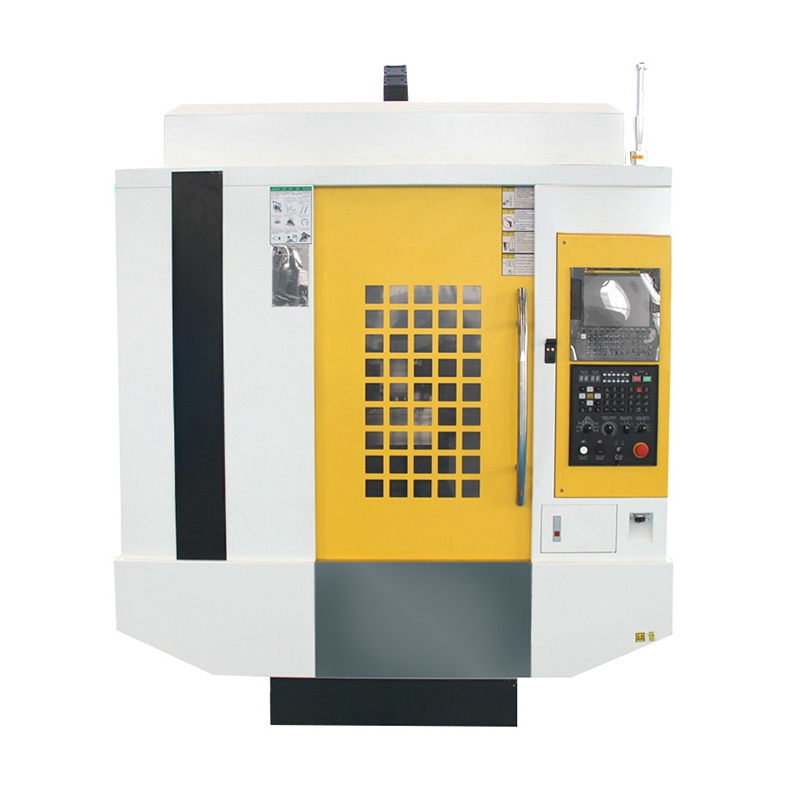 CNC Drilling and Tapping Machin
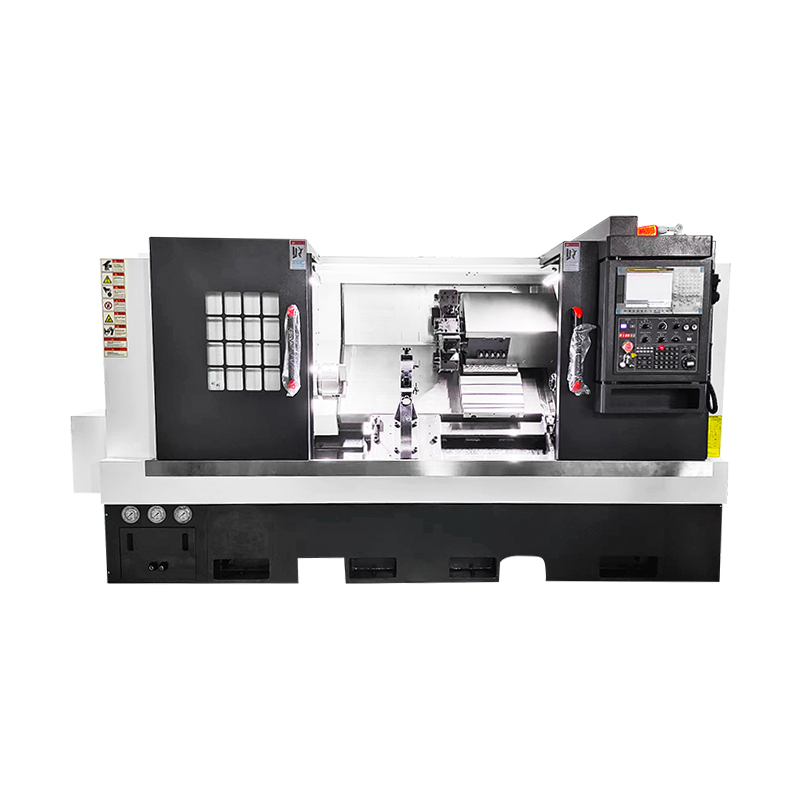 CNC Lathe Machine
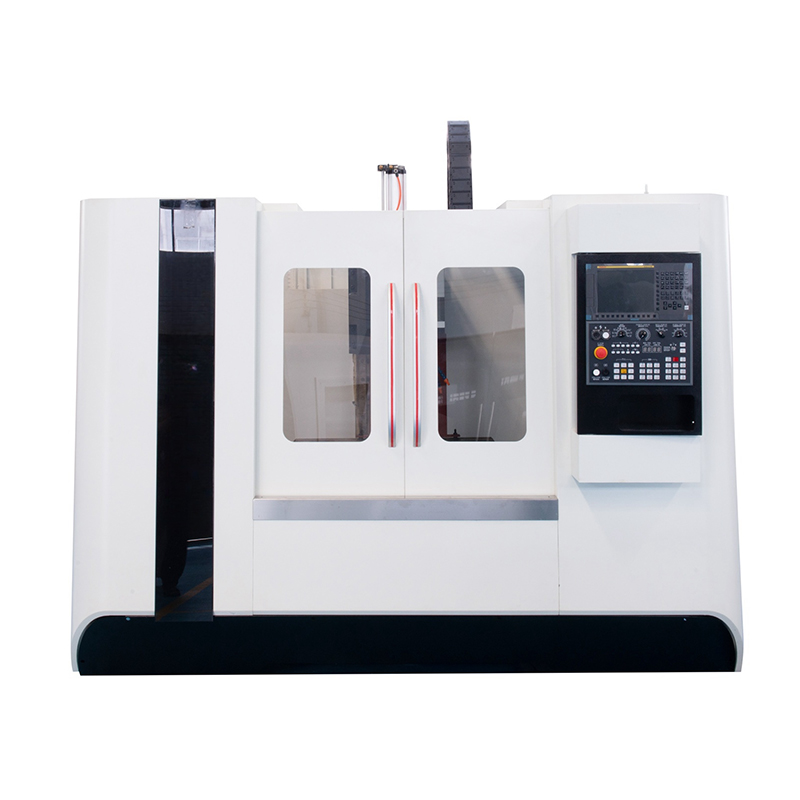 CNC Machine
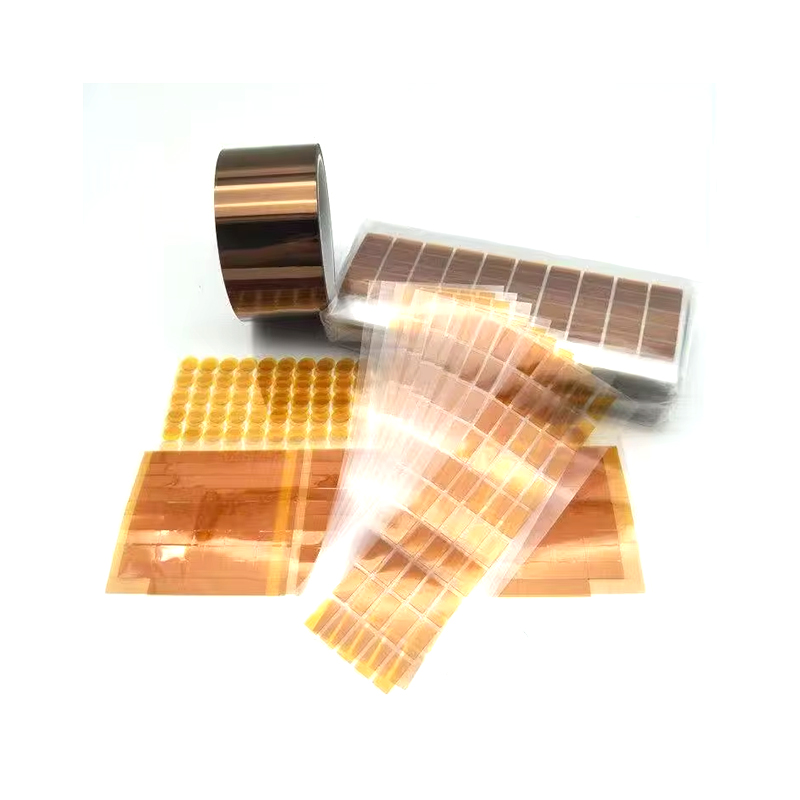 Cutomized Die-Cutting Products for Electronics Industry
 New Energy Automation Die Cutting Products
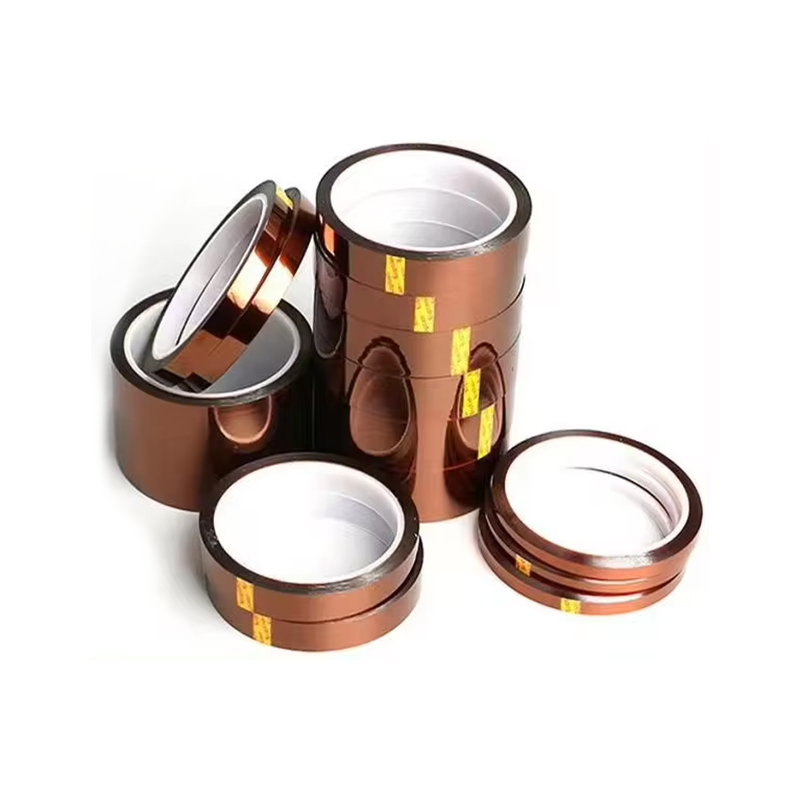 Customeized Die-Cut Products in Package Industry
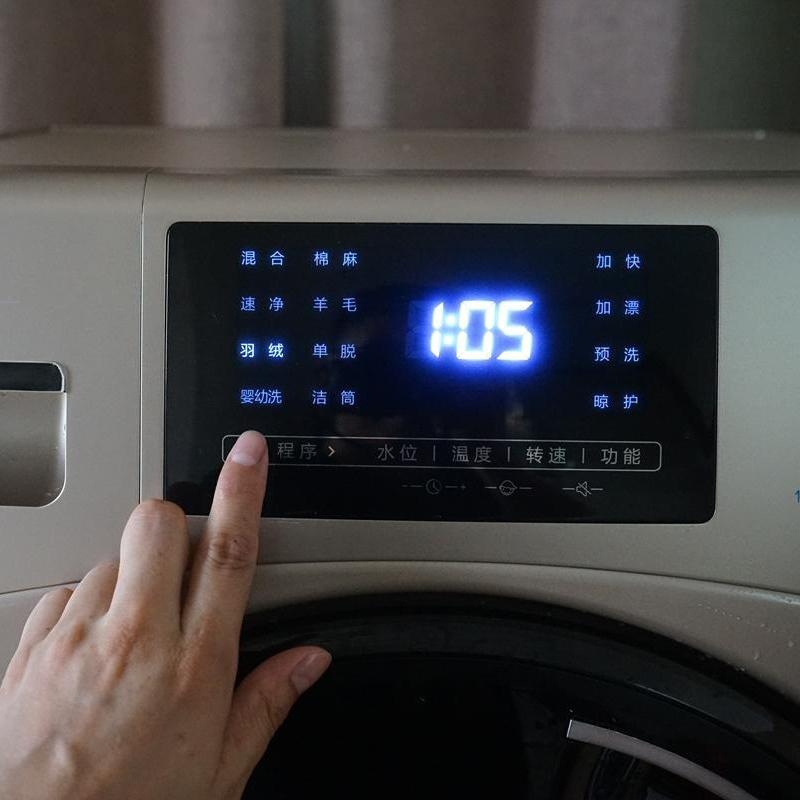 Bespoke Touch Screen for Gaming and Entertainment Devices
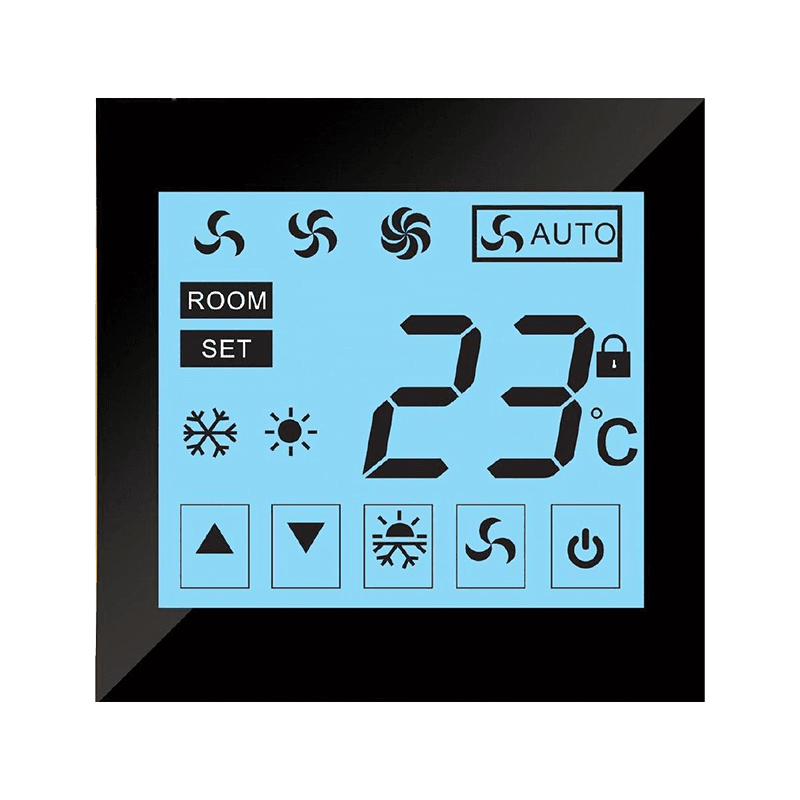 Custom Touch Screen in Smart Home Industry
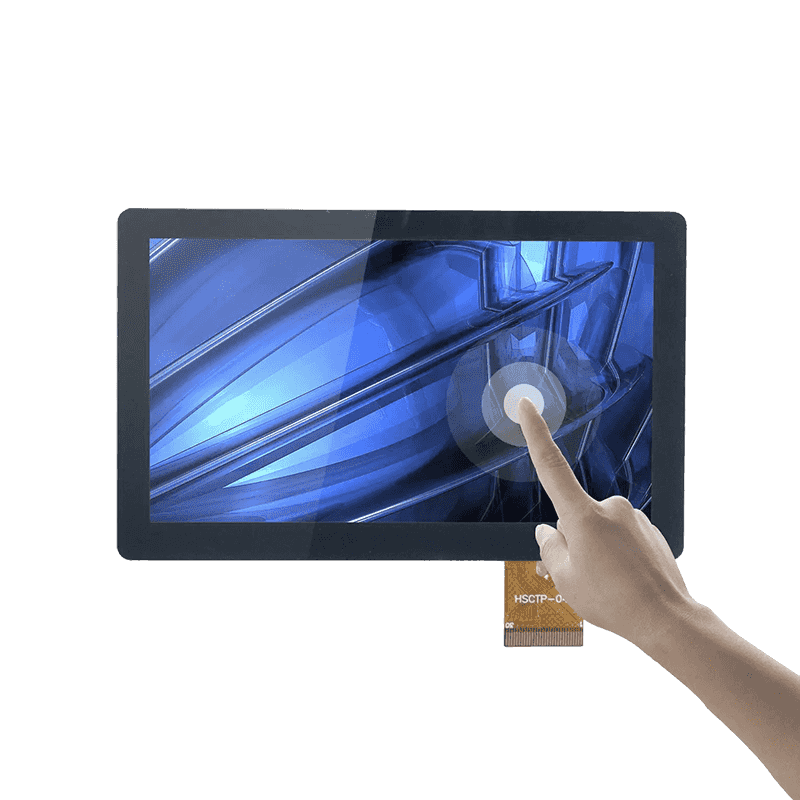 Customized Personalized Touch Panel Screen
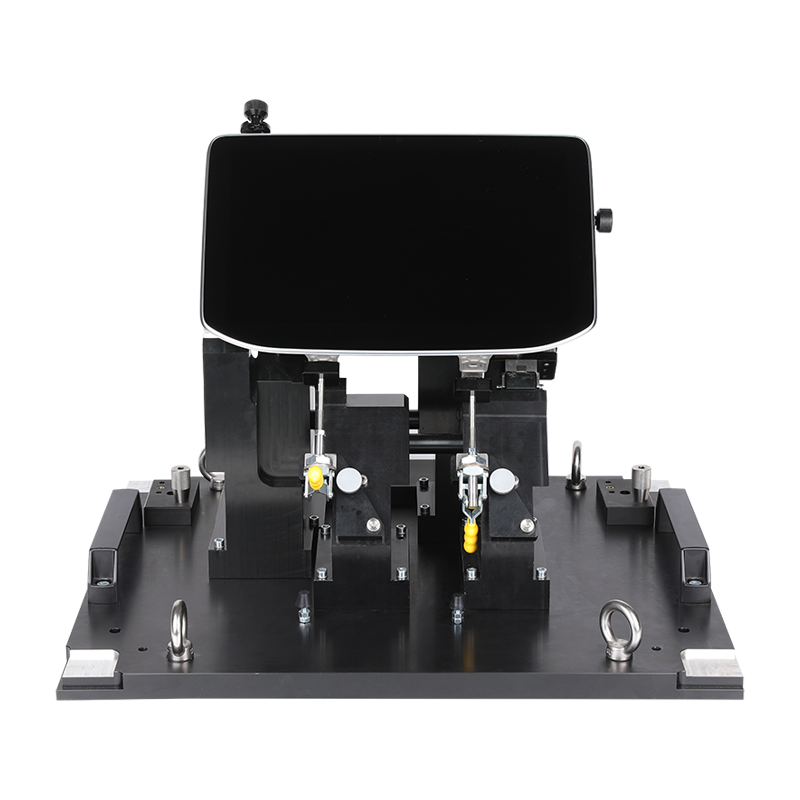 Design Manufacturing and Assembly of Special Customized Custom Electrical Cabinet
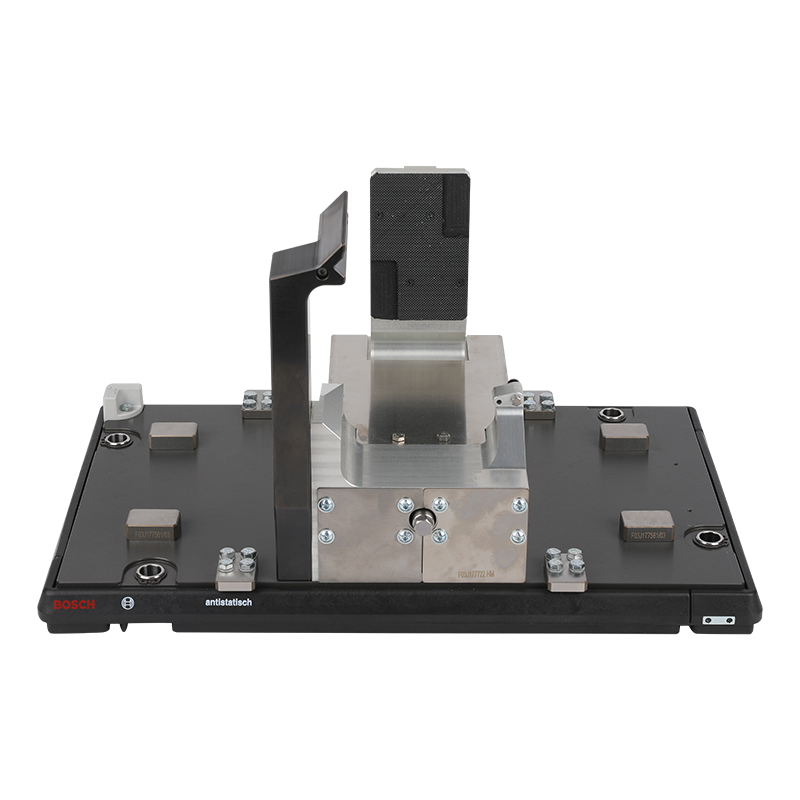 Industrial Robot Automatic Production Line Design Manufacture and Assembly
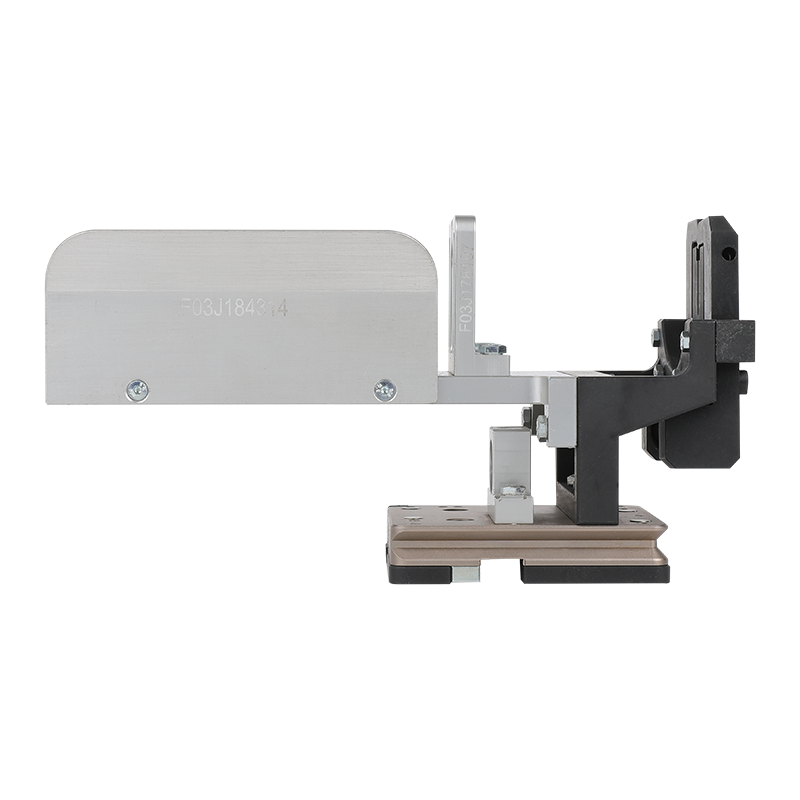 Customized Design Automation Equipment

+86-18118122885

+86-512-66233336

joy.qian@szhengmai.com

No. 8, Guangdian Road, Guangfu Town, Wuzhong District, Suzhou, Jiangsu, China.
Copyright © 2023 Suzhou Heimat Precision Machinery Co., Ltd. All Rights Reserved.Custom CNC Parts Processing Manufacturers

|
