 English
 русский
News
Home / News / Industry News / cnc stainless steel parts: Applications, Selection Criteria, and Practical Guidance

 English
 Search
Suzhou Heimat Precision Machinery Co., Ltd.
+86-18118122885
joy.qian@szhengmai.com
Some parts are asked to do a genuinely hard job. A pump housing that sees chlorinated water every day, a surgical instrument that goes through an autoclave a hundred times a year, a bracket on deck that never gets a break from salt spray. When a drawing reaches us with stainless in the title, it usually means the part has to survive something the mild steel version could not. We have been machining stainless steel at Heimat since 2010, and although the tooling keeps improving, the fundamentals have not moved: this material rewards patience and punishes shortcuts.
Stainless steel is not one material but a family. What the members share is chromium, at least 10.5 percent, which forms a thin passive oxide layer that re-forms itself when scratched. That layer is the whole point of the material, and it is also why the machining behaves so differently from carbon steel.
Two properties dominate the shop floor. First, austenitic grades such as 304 and 316 work harden quickly. Cut too lightly, or let the tool dwell in the cut, and the surface turns harder than the metal beneath it; the next pass then skims along that hardened skin instead of cutting under it. Second, stainless conducts heat poorly, roughly a third of what carbon steel manages, so much of the heat generated at the edge stays in the tool rather than leaving with the chip.
In practice that means sharp, tough carbide with a strong edge, positive rake where the geometry allows, high-pressure coolant aimed straight at the cutting zone, and feed rates that stay firmly in the cut. We climb mill wherever the setup permits, rough and finish in separate operations, and thread mill rather than tap on anything that has to hold a sealing fit. Tapping stainless is where galling and torn threads come from.
Grade selection is a conversation about corrosion, strength and cost, roughly in that order. Customers often arrive with a grade already written on the drawing, and sometimes it is exactly right. Other times the environment asks for something a little different, and it is cheaper to settle that before the first chip than after the first rejected batch. The table below is the short version we walk through together.
| Grade | Machinability | Corrosion resistance | Typical uses |
|---|---|---|---|
| 303 | Excellent, free-machining | Moderate | Turned shafts, fittings, high-volume parts in benign conditions |
| 304 / 304L | Good | Good in most indoor and food environments | Brackets, housings, covers, general fabrication |
| 316 / 316L | Moderate | Excellent against chlorides and dilute acids | Marine hardware, medical instruments, food and chemical service |
| 17-4 PH | Moderate, machined annealed | Good, with high strength after aging | Aerospace fittings, valve stems, highly stressed shafts |
| 430 | Good | Moderate, ferritic and magnetic | Decorative trim, appliance parts |
| 2205 duplex | Difficult | Very good, resists chloride stress cracking | Offshore hardware, chemical processing, heavy shafts |
| 440C | Difficult | Good, at high hardness | Bearings, wear plates, cutting components |
Two of these deserve a word of warning. Grade 303 machines beautifully, but its sulphur addition slightly reduces corrosion resistance and weldability, so it is the wrong answer for a part that will live in seawater. Grade 17-4 PH is machined in the annealed state and then aged to reach strength; aging shrinks the part a little, so we plan the finish passes around that dimensional change rather than discovering it at final inspection.
In automation, stainless appears wherever washdown or aggressive cleaning is part of daily life: food and packaging lines, pharmaceutical filling stations, and machine frames that must not rust. Robotic end effectors and gripper jaws are typical examples, thin-walled and awkward to hold, full of features that have to line up with something else on the line.
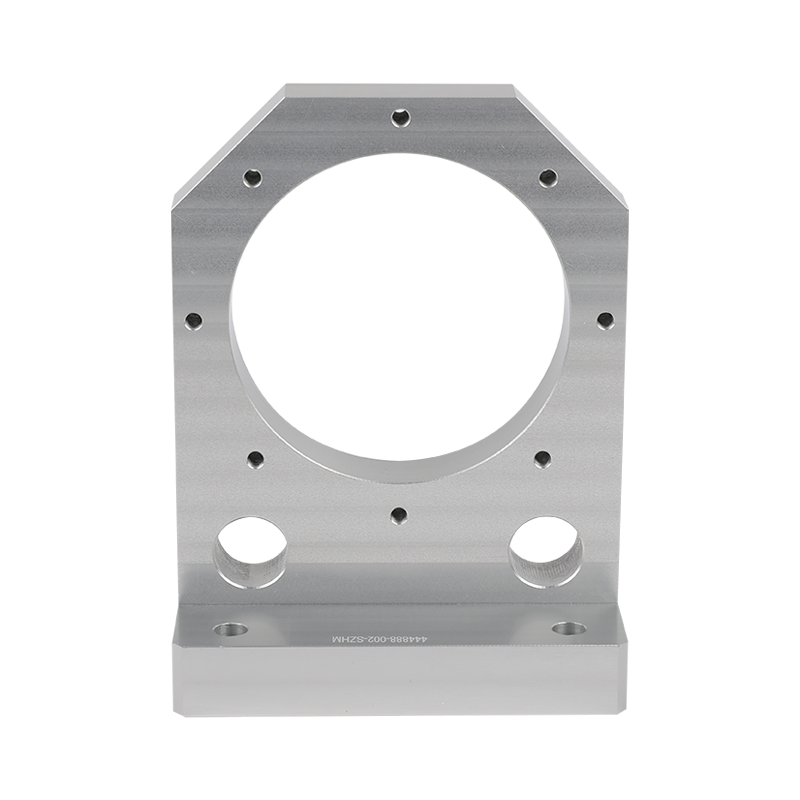 Custom High-Precision Machined Parts for Robotic AutomationPrecision milled components intended for automated robotic arms and production line equipment; review this customizable option for automation applications requiring precise machined parts.View Product →
Medical work is where the material really earns its cost. Instruments, housings, sterilisation trays and tooling combine 316L or 17-4 PH with fine surface requirements and full traceability. Edges need to be burr-free without becoming sharp, bores need to hold their size through repeated autoclave cycles, and every batch has to be traceable back to the mill certificate.
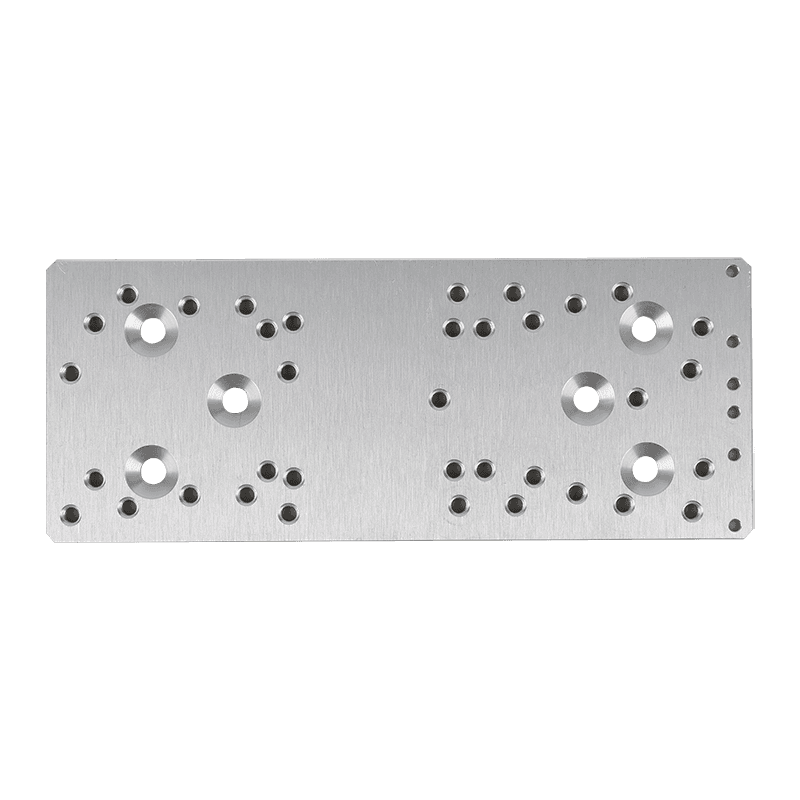 Custom CNC Machined Parts for Medical EquipmentCustomized CNC drilling, tapping and lathe parts for medical equipment, with 316 stainless steel noted as a common material for high-precision, appearance-sensitive components.View Product →
Not every stainless component starts as a billet. Guards, enclosures, brackets and electrical cabinets are usually laser cut and formed from sheet, then welded and finished, and the same corrosion rules apply. Mixing carbon steel tooling into that workflow is the classic way to plant free iron in a surface that was supposed to stay clean.
 Custom Sheet Metal Fabrication in Stainless Steel, Aluminum and CopperCustom sheet metal parts made from stainless steel, steel, aluminum alloy or copper plate, fabricated to customer requirements for varied equipment and enclosure needs.View Product →
Aerospace and energy work leans on the higher-strength grades: actuator components, fasteners, wind turbine transmission shafts and flanges, and fittings that see vibration plus a corrosive atmosphere at the same time.
Most of the cost in a stainless part is decided before the machine starts. A few habits make a real difference:
On a modern vertical machining centre we hold plus or minus 0.05 mm routinely across most features, and plus or minus 0.01 mm on critical diameters with the right setup and temperature control. Anything tighter usually moves to grinding, which is a different process with a different price. Surface finish is a separate budget line: a turned Ra 1.6 µm is ordinary work, while Ra 0.4 µm takes slower passes, fresh inserts and a little more time. If you would like a fuller picture of what is realistic to ask for, our note on CNC machining tolerances goes into more depth.
Corrosion resistance is not only a question of alloy. Machining can leave free iron embedded in the surface through tooling, brushes and abrasives, and those particles become the starting points for pitting. We keep stainless tooling separate from carbon steel work and finish with passivation to ASTM A967, or electropolishing where a bright, low-roughness surface is required.
Every stainless batch we ship carries the mill certificate with its heat number, so the bar on the machine can be traced back to the melt. First articles are inspected on a CMM against the drawing, and in-process checks catch the drift that tool wear introduces over a longer run. Our quality and environmental management follow ISO 9001 and ISO 14001, which is the framework our customers audit us against rather than a badge on a wall.
A clear request shortens the loop for everyone. Useful items include a 3D model plus a 2D drawing with revision and critical dimensions, the grade and any certificate requirement, the finish and passivation specification, quantity with an expected annual volume, and a sentence about what the part actually does.
If the grade is still open, send the drawing and describe the environment. We will suggest something sensible and explain the trade-off. You can reach the team through our contact page and we will come back with a process route, a lead time and a price you can plan around.
Stainless is an expensive material, and it is usually specified because failure is more expensive still. Getting the grade, the toolpath, the clamping and the finishing right the first time is what keeps a stainless project predictable, whether it is a hundred small fittings or a single welded frame that has to fit through a factory door.
If you have any questions, please fill out the contact form at the bottom of the page and contact us.
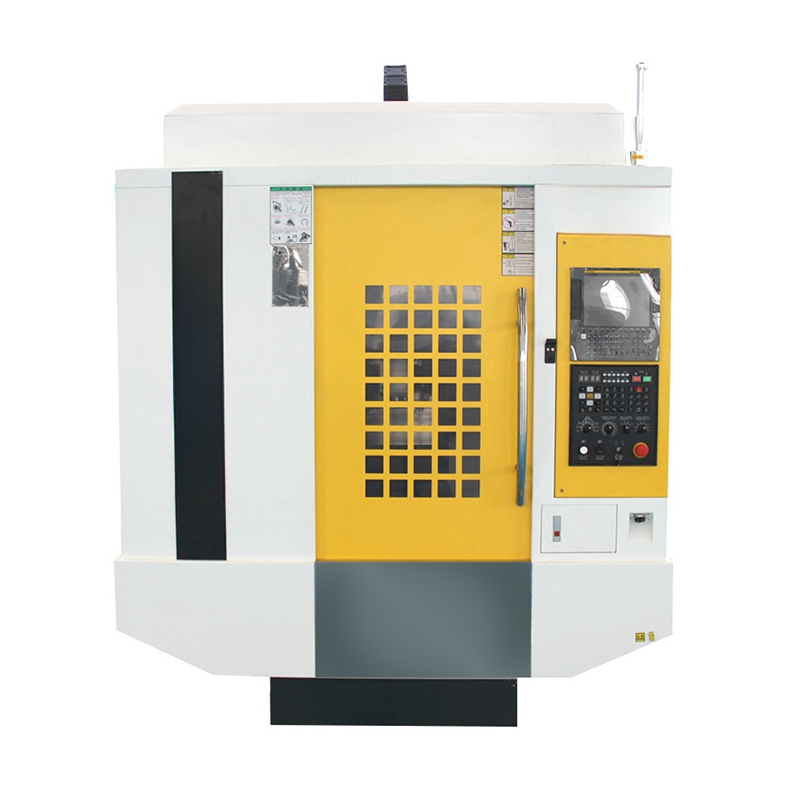 CNC Drilling and Tapping Machin
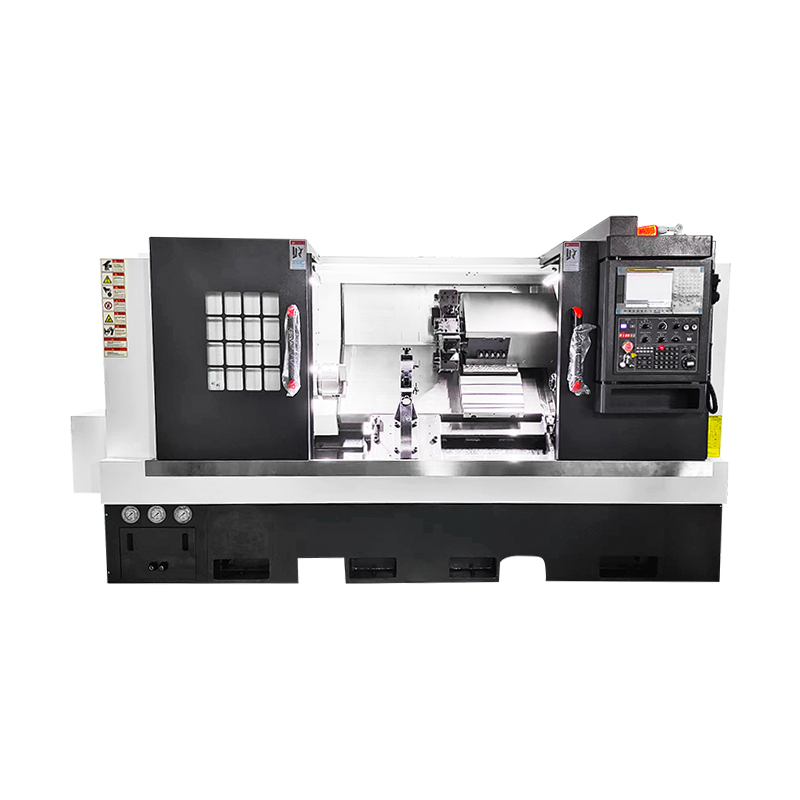 CNC Lathe Machine
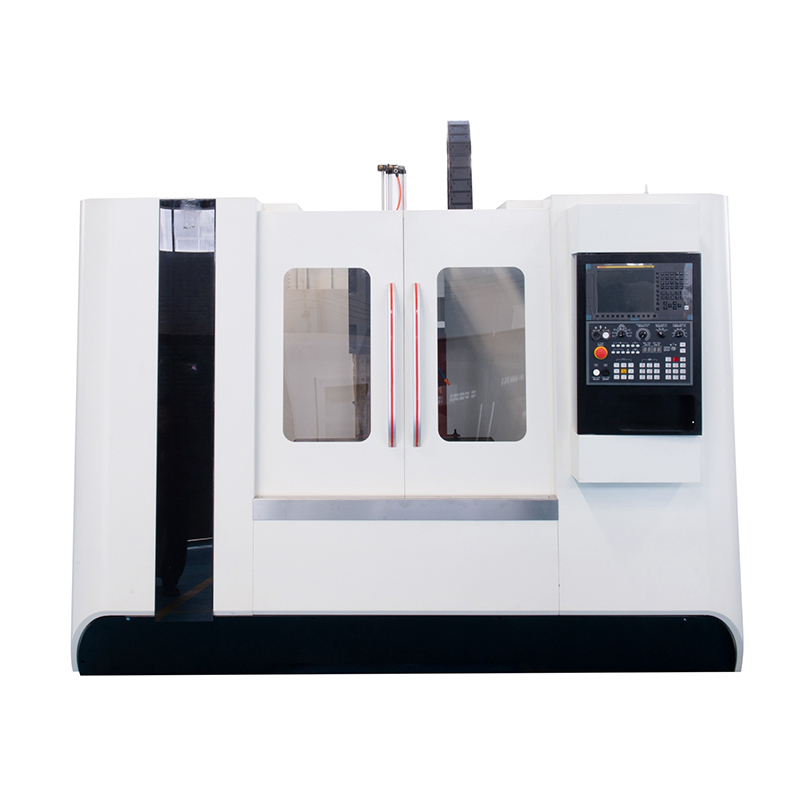 CNC Machine
 Cutomized Die-Cutting Products for Electronics Industry
 New Energy Automation Die Cutting Products
 Customeized Die-Cut Products in Package Industry
 Bespoke Touch Screen for Gaming and Entertainment Devices
 Custom Touch Screen in Smart Home Industry
 Customized Personalized Touch Panel Screen
 Design Manufacturing and Assembly of Special Customized Custom Electrical Cabinet
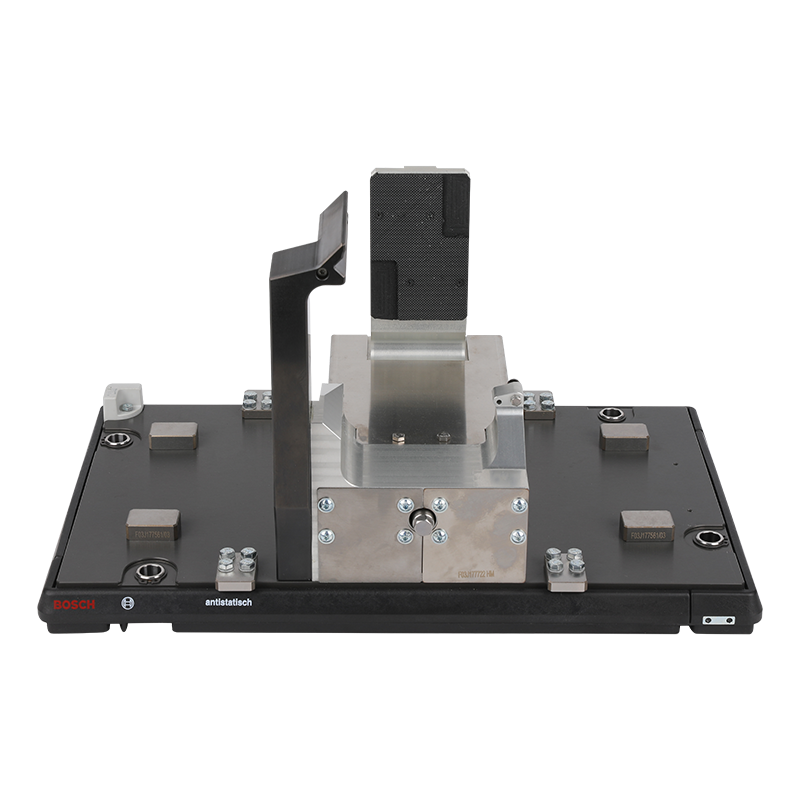 Industrial Robot Automatic Production Line Design Manufacture and Assembly
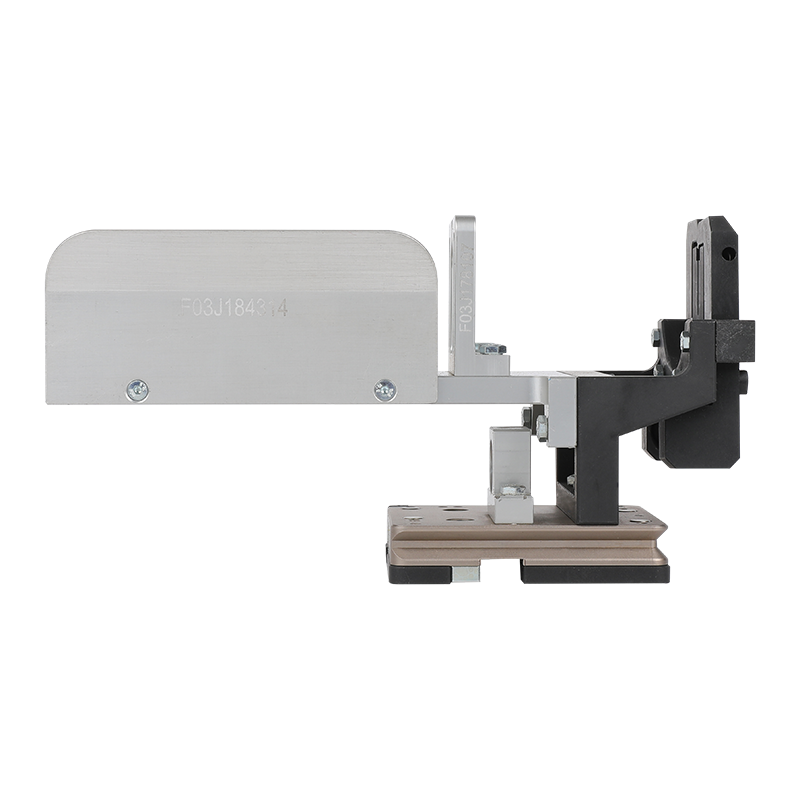 Customized Design Automation Equipment

+86-18118122885

+86-512-66233336

joy.qian@szhengmai.com

No. 8, Guangdian Road, Guangfu Town, Wuzhong District, Suzhou, Jiangsu, China.
Copyright © 2023 Suzhou Heimat Precision Machinery Co., Ltd. All Rights Reserved.Custom CNC Parts Processing Manufacturers

|
