 English
 русский
News
Home / News / Industry News / CNC Machining Shafts: Precision, Materials, and Applications | Heimat Precision

 English
 Search
Suzhou Heimat Precision Machinery Co., Ltd.
+86-18118122885
joy.qian@szhengmai.com
CNC machining shafts is one of the most demanding disciplines in precision manufacturing. A shaft is not just a cylindrical part; it transmits torque, supports rotating components, and often operates under high stress in critical equipment. Getting it right requires a combination of sound design, the right material, and a machining partner who understands the nuances of roundness, concentricity, and surface finish.
At Suzhou Heimat Precision Machinery, we have spent more than a decade producing customized high-precision shafts for industries ranging from aerospace to renewable energy. In this article, we walk through the essentials of CNC machining shafts—what they are, how they are made, and what to consider when sourcing them.
A shaft is a rotating mechanical element used to transmit power or motion from one point to another. In industrial equipment, shafts are found in motors, gearboxes, pumps, compressors, turbines, and countless other assemblies. CNC machining shafts refers to the computer-controlled process of turning, milling, grinding, and finishing these cylindrical components to exact dimensional specifications.
CNC shafts can range from a few millimeters in diameter to several meters in length, and their complexity varies just as widely. Some are simple straight shafts with keyways and threads; others are stepped, splined, or hollow with multiple precision features. Because shafts often rotate at high speeds and bear heavy loads, even tiny deviations in geometry can lead to vibration, premature wear, or catastrophic failure.
This is why CNC machining has become the standard for shaft production. Unlike manual methods, CNC machines hold tight tolerances consistently, repeat the same operations without fatigue, and can produce complex contours that would be difficult or impossible to achieve by hand.
Selecting the right material for a CNC machined shaft is as important as the machining itself. The material must meet the strength, hardness, wear resistance, and corrosion resistance required by the application. It also needs to be machinable enough to achieve the desired finish and tolerances economically.
| Material | Key Properties | Typical Applications |
|---|---|---|
| Carbon steel (e.g., 1045) | Good strength, low cost | General machinery, automotive |
| Alloy steel (e.g., 4140, 4340) | High toughness, fatigue resistance | Gear shafts, heavy equipment |
| Stainless steel (e.g., 304, 316) | Corrosion resistance, hygienic | Food, medical, marine |
| Aluminum (e.g., 6061, 7075) | Lightweight, good machinability | Robotics, aerospace components |
| Titanium (e.g., Ti-6Al-4V) | High strength-to-weight, biocompatible | Aerospace, medical implants |
| Brass and bronze | Excellent machinability, low friction | Bearings, bushings, instruments |
Each material brings its own challenges. Titanium, for example, is strong and lightweight but tends to work-harden and generates high cutting temperatures. Aluminum is easy to machine but can distort if internal stresses are not relieved. A reliable CNC machining partner will advise on material selection based on your specific operating conditions and production volume.
Precision is the heart of CNC machining shafts. The most common tolerances for finished shafts are in the range of ±0.01 mm to ±0.005 mm, and some applications require even tighter control. Achieving these numbers requires more than just a good CNC lathe; it demands proper fixturing, tooling, temperature control, and measurement.
Key geometric tolerances for shafts include roundness, concentricity, cylindricity, and runout. A shaft may have several bearing journals that must be perfectly coaxial, or keyways that must be aligned with a specific angular orientation. These features are typically verified with CMM (coordinate measuring machine) or precision micrometers after machining.
An experienced machinist also understands how to manage deflection. Long, slender shafts are prone to bending during cutting, so techniques such as steady rests, balanced tooling, and multiple passes are used to keep the part stable and accurate. As one of the leading discussions on CNC tolerances points out, the practical limits depend on the machine, the material, and the part geometry—not just the number printed on the drawing.
At Heimat Precision, we hold concentricities and runouts to within a few microns on our high-precision shaft work, and we document every critical dimension for customer review.
Producing a high-quality CNC machining shaft usually involves several steps. Here is a typical sequence we follow:
Depending on the quantity and complexity, some steps may be combined. Turn-mill machines, for example, perform both turning and milling in one setup, which reduces cycle time and improves accuracy by eliminating repositioning errors.
Good design makes machining easier and less expensive. If you are developing a new shaft, keep these guidelines in mind:
Your machining partner should be willing to review your design before production. A small change in geometry, such as adding a relief groove or adjusting a corner radius, can make a large difference in cost and reliability.
The versatility of CNC machining shafts means they appear in nearly every industrial sector. Here are a few areas where precision shaft production is especially critical:
Aerospace shafts must withstand extreme temperature changes, high rotational speeds, and rigorous safety standards. Titanium and high-temperature alloys are common, and traceability is mandatory. Our customized high-precision axis parts are manufactured with this level of rigor in mind, from material certificates to final inspection.
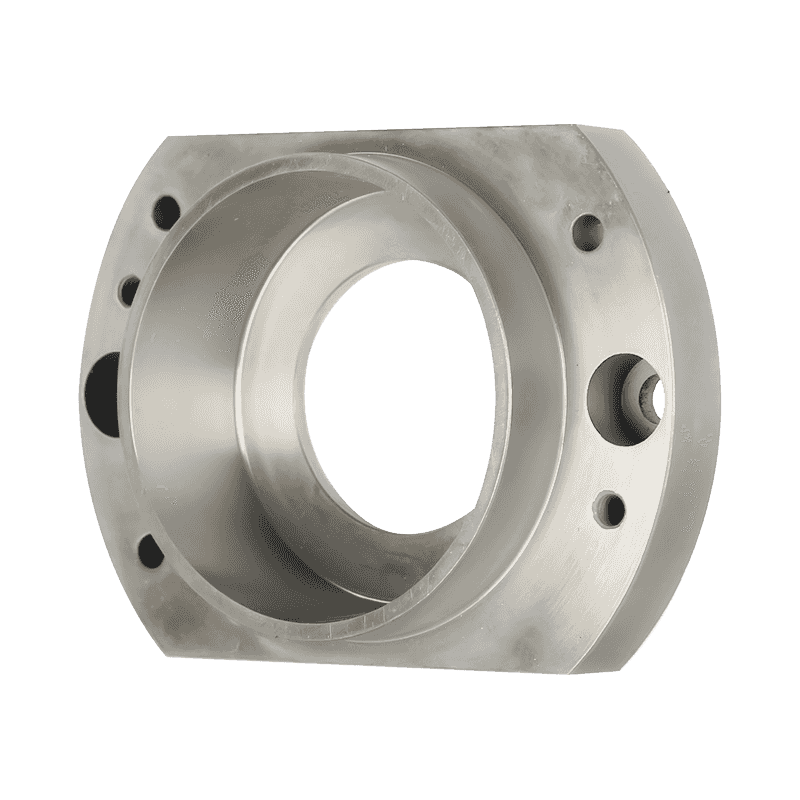 Custom High-Precision Axis Parts for Aerospace ApplicationsAerospace shafts demand strict quality control, material traceability, and reliability under extreme conditions. This product is positioned to meet those exacting requirements, making it a key consideration for engineers sourcing critical components.View Product →
Wind turbines rely on long, heavy-duty shafts that transfer torque from the rotor to the generator. These shafts are typically made from forged alloy steel and require heat treatment and large-capacity CNC turning and grinding. They must also tolerate high cyclical loads for decades of service.
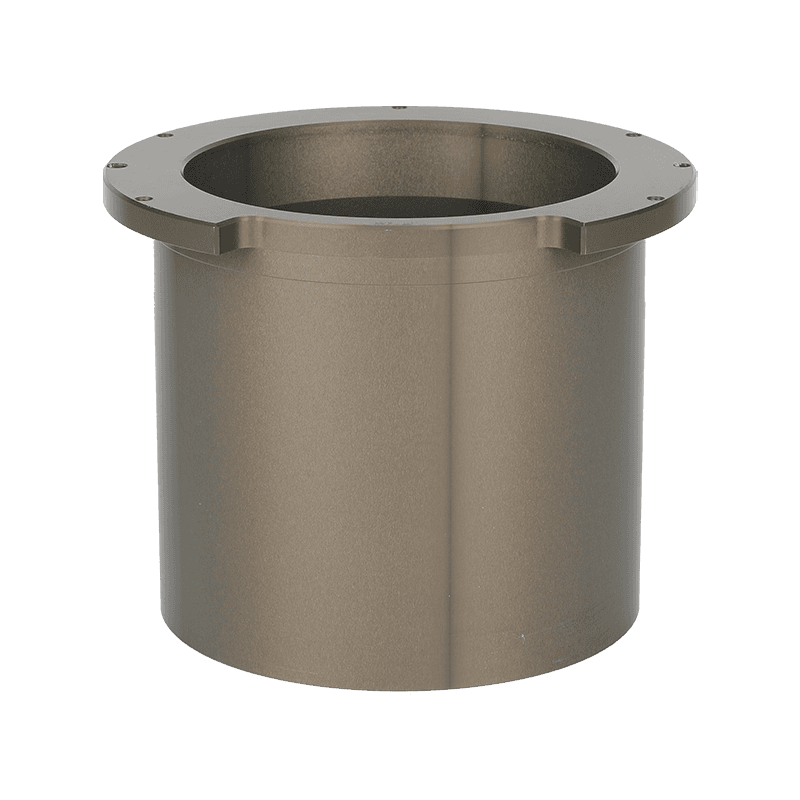 CNC Machined Transmission Shaft for Wind Power SystemsWind turbines require heavy-duty shafts that transfer torque from rotor to gearbox, often made of forged alloy steel with tight precision. This product is directly relevant for ensuring reliable performance over decades of cyclical loading.View Product →
Robotic arms and automated assembly equipment need lightweight, precisely machined shafts and axles that can move quickly without excessive inertia. Aluminum and stainless steel are popular here. Our production experience with automation components helps ensure smooth motion and long service life.
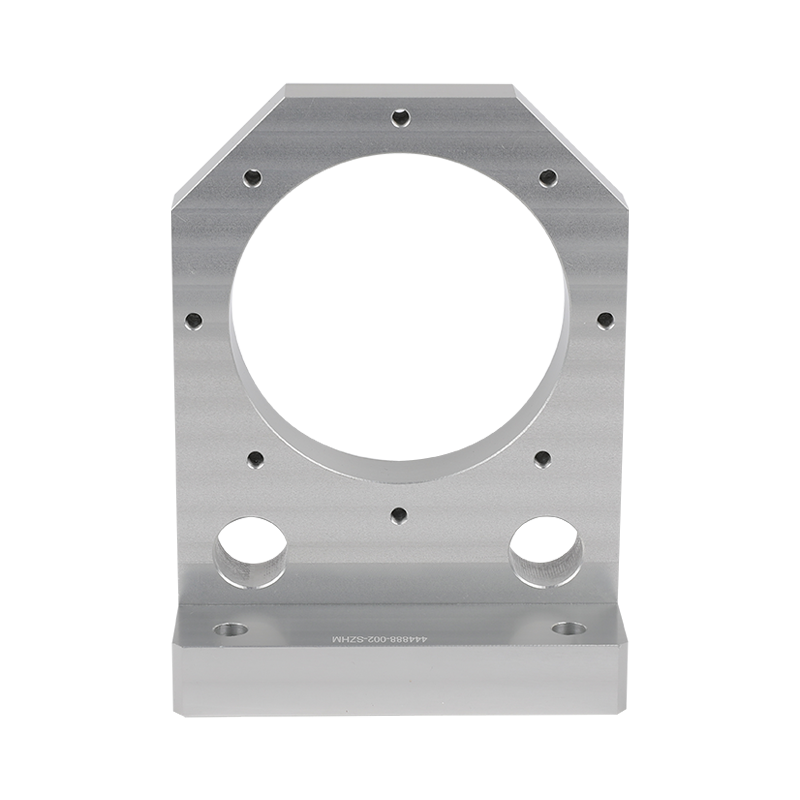 High-Precision Milled Parts for Robotic Arms and AutomationRobotic systems need lightweight, precision-machined components to minimize inertia and ensure smooth motion. This product is suited for production line equipment, offering the accuracy and durability required in automated assembly environments.View Product →
In the medical field, shafts may be used in surgical instruments, dental drills, or imaging equipment. These parts often demand biocompatible materials, mirror finishes, and extremely tight tolerances. We produce these under strict quality control and can adapt to low-to-medium volumes with full documentation.
Finding a supplier for CNC machining shafts is about more than comparing hourly rates. You need a partner who can manage the entire lifecycle—from material selection to surface treatment, and who can communicate clearly about tolerances and inspection. Here are some qualities to look for:
At Suzhou Heimat Precision Machinery, we combine extensive CNC equipment with a dedicated engineering support team to handle your shaft projects from prototype to production. Whether you need a one-off replacement shaft or a production run of thousands, we can deliver consistent quality with the documentation you need.
CNC machining shafts is a field where precision engineering meets real-world reliability. The right material, the right tolerances, and the right manufacturing process all make a difference—and so does the partner you choose. By working with an experienced manufacturer, you can avoid the common pitfalls of shaft design, reduce downtime, and extend the service life of your equipment.
If you are planning a new shaft project or looking to improve an existing design, contact our team today. We would be glad to review your drawings, suggest cost-effective process improvements, and provide a competitive quotation.
If you have any questions, please fill out the contact form at the bottom of the page and contact us.
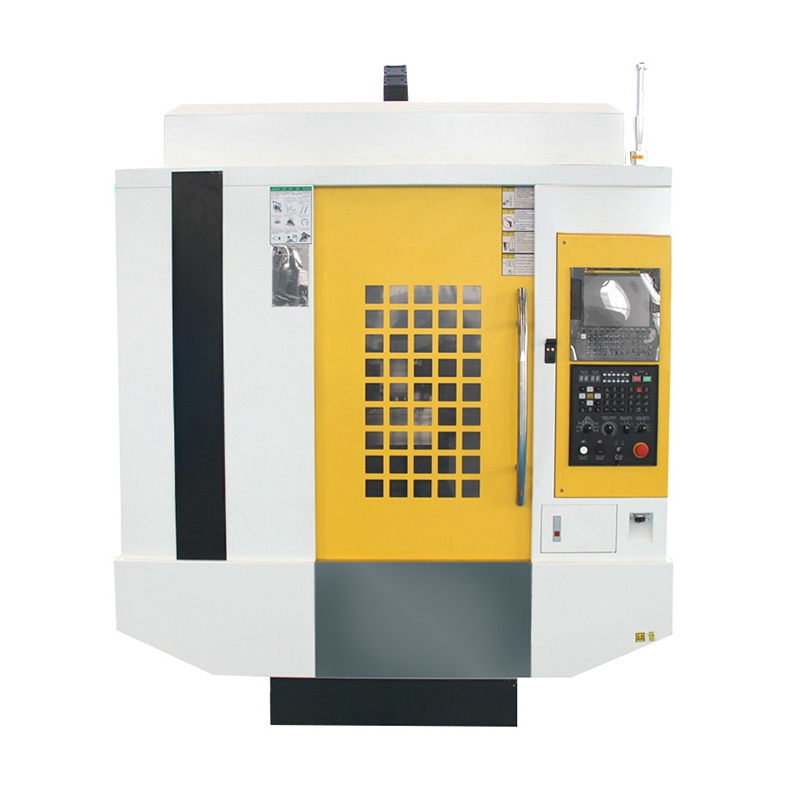 CNC Drilling and Tapping Machin
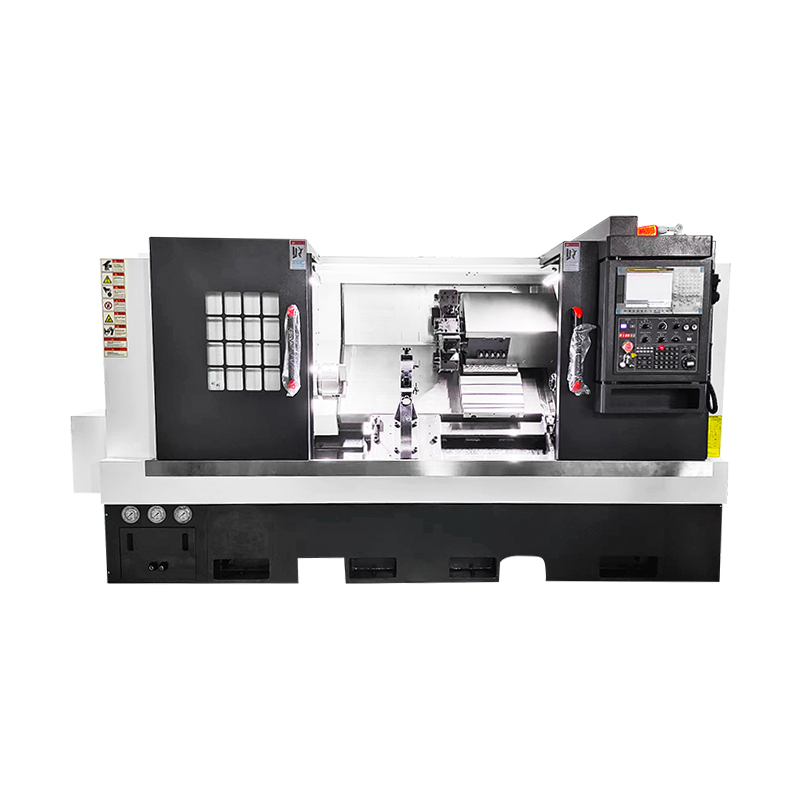 CNC Lathe Machine
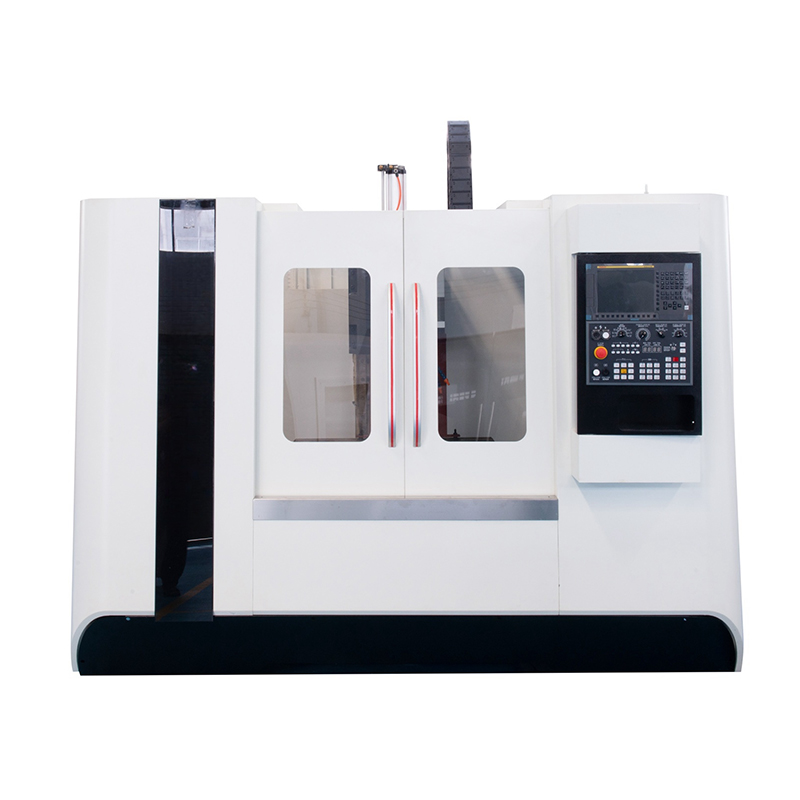 CNC Machine
 Cutomized Die-Cutting Products for Electronics Industry
 New Energy Automation Die Cutting Products
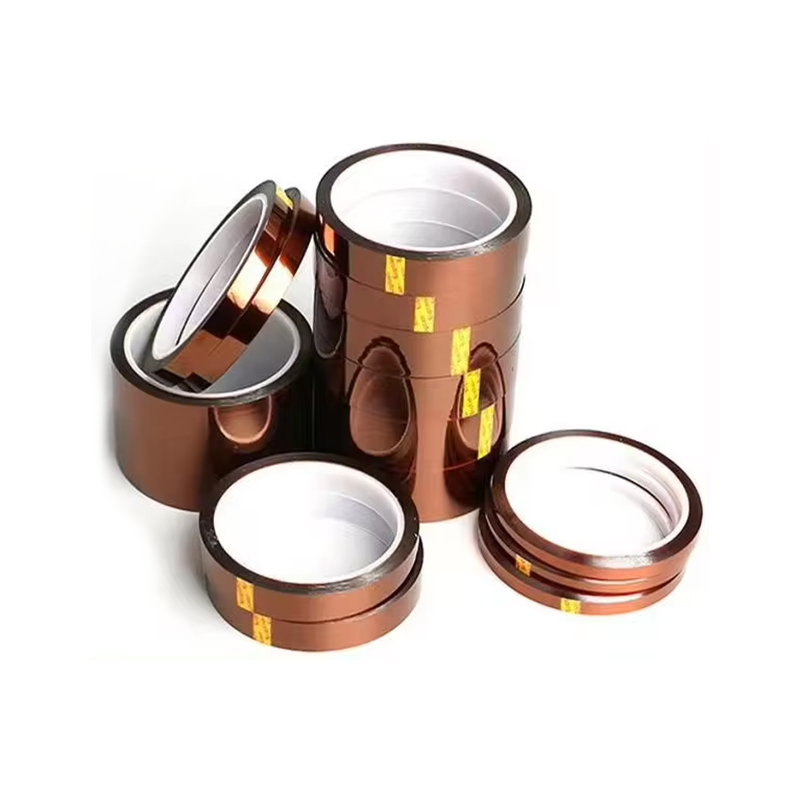 Customeized Die-Cut Products in Package Industry
 Bespoke Touch Screen for Gaming and Entertainment Devices
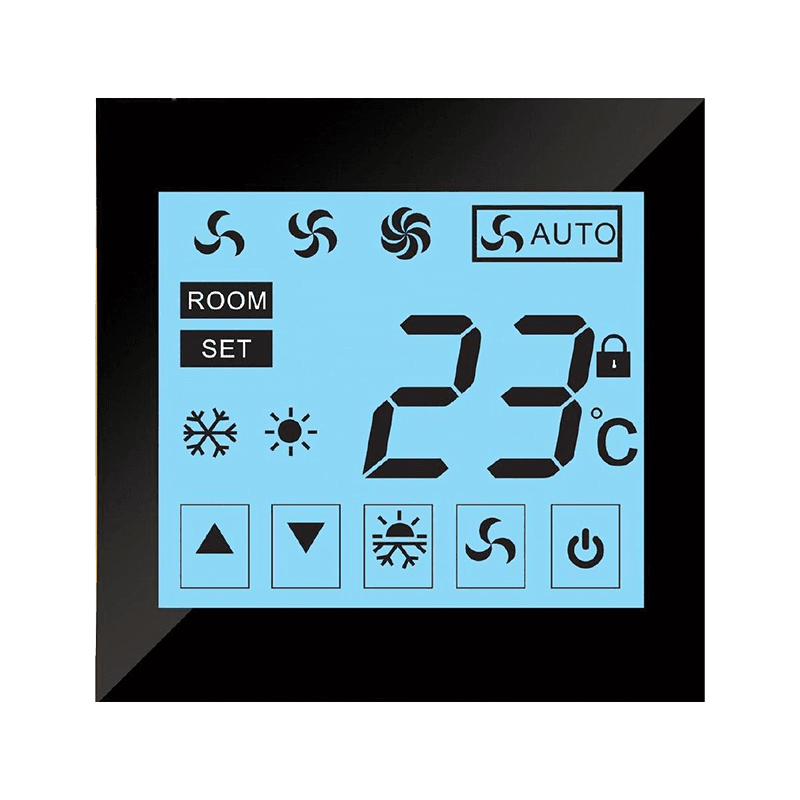 Custom Touch Screen in Smart Home Industry
 Customized Personalized Touch Panel Screen
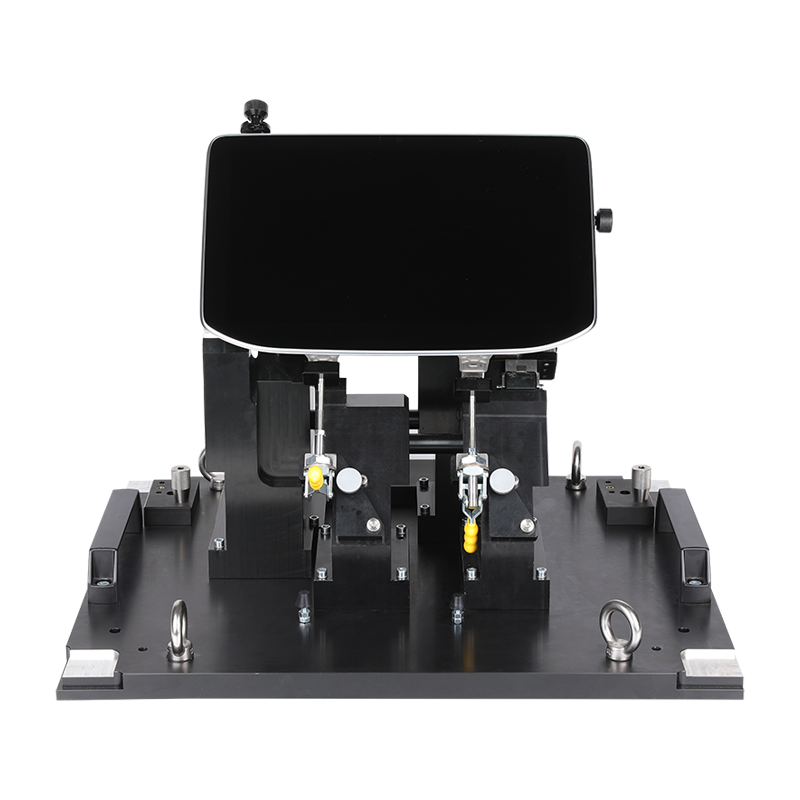 Design Manufacturing and Assembly of Special Customized Custom Electrical Cabinet
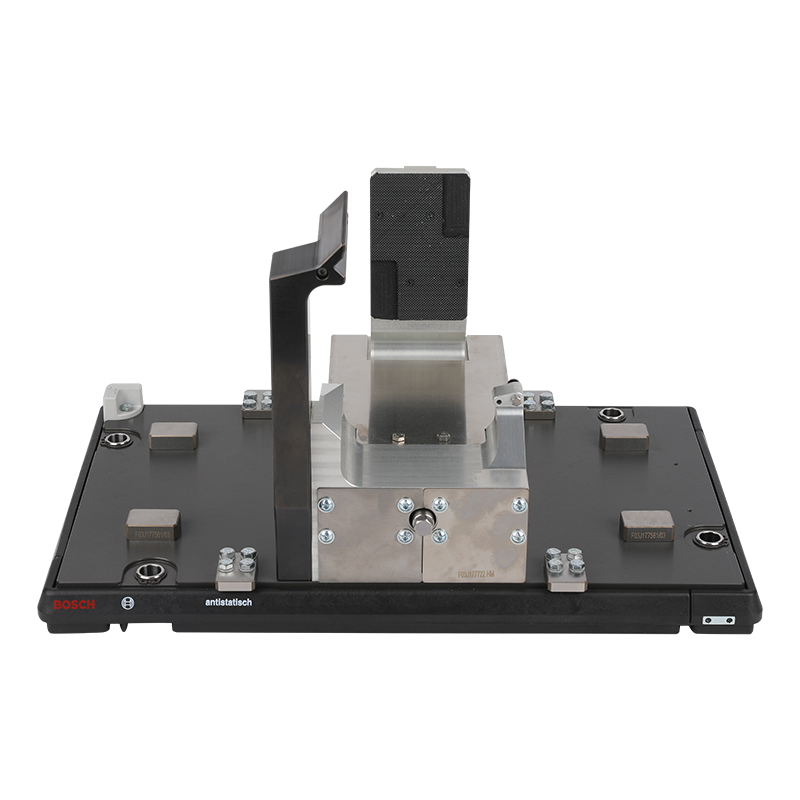 Industrial Robot Automatic Production Line Design Manufacture and Assembly
 Customized Design Automation Equipment

+86-18118122885

+86-512-66233336

joy.qian@szhengmai.com

No. 8, Guangdian Road, Guangfu Town, Wuzhong District, Suzhou, Jiangsu, China.
Copyright © 2023 Suzhou Heimat Precision Machinery Co., Ltd. All Rights Reserved.Custom CNC Parts Processing Manufacturers

|
