 English
 русский
News
Home / News / Industry News / CNC Aerospace Parts: Precision Machining for Aviation and Space Applications

 English
 Search
Suzhou Heimat Precision Machinery Co., Ltd.
+86-18118122885
joy.qian@szhengmai.com
In aerospace manufacturing, there is no room for guesswork. Every bracket, housing, shaft, and fitting that goes into an aircraft or spacecraft must meet exacting dimensional and material standards, because a single out-of-tolerance part can jeopardize the performance of an entire system. CNC aerospace parts are the precision components that make modern flight possible, and understanding how they are designed, machined, and verified is essential for anyone sourcing them.
CNC aerospace parts are components produced with computer numerical control (CNC) machining equipment for use in airplanes, helicopters, satellites, launch vehicles, and ground-support systems. The category includes everything from small rivets and threaded fasteners to complex structural brackets, valve bodies, actuator housings, and transmission shafts. Despite the wide variety of geometries, all aerospace CNC parts share one defining feature: they are manufactured to tight tolerances from materials approved for flight-critical service.
Because the stakes are high, the design intent behind every part is documented in engineering drawings that specify dimensions, surface finish, material grade, and inspection requirements. Our CNC machining services are built around reading those requirements correctly and translating them into finished components that perform as expected from the first article through full production runs. This is why many aerospace programs classify such parts as safety-critical items and subject them to strict first-article inspection before series production begins.
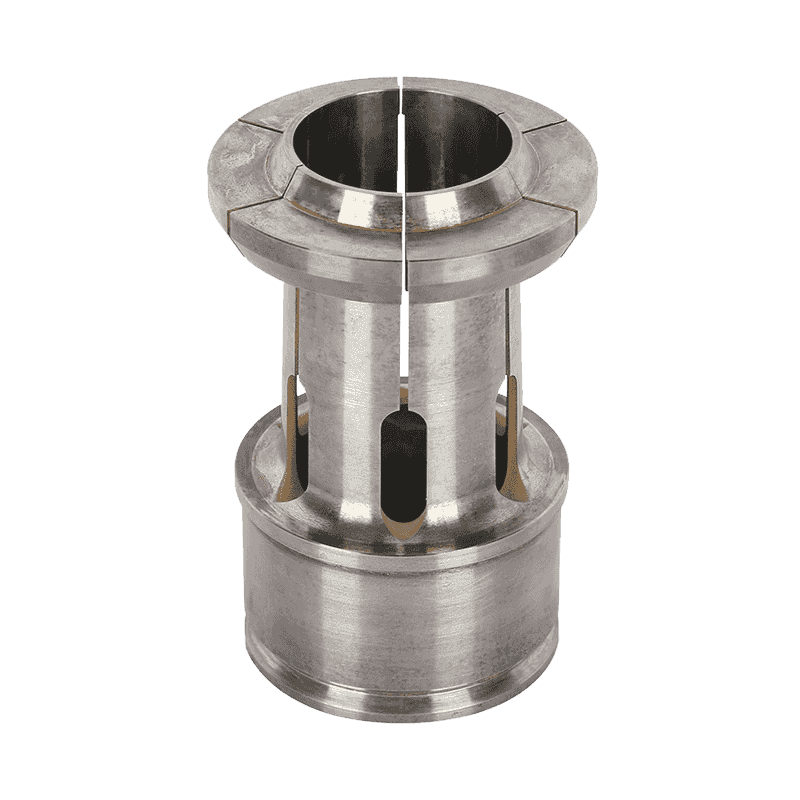 CNC Machined Aerospace Components with Tight TolerancesThis machining service addresses aerospace demands for parts held to 0.01 mm or tighter tolerances, using aluminum, titanium, or steel. It is relevant here because the surrounding text emphasizes safety-critical requirements and first-article inspection.View Product →
Aerospace assemblies operate under extreme loads, rapid temperature changes, and continuous vibration. Components must fit together with minimal clearance yet remain free to move where motion is intended. For this reason, parts are commonly specified with tolerances of 0.01 mm or less, and many critical features are held even tighter.
Precision is not only about fit. Consistent machining ensures that load paths behave as predicted, that sealing surfaces close properly, and that moving parts do not wear prematurely. Repeatability is equally important: when a production batch contains hundreds or thousands of parts, every unit must match the approved sample within the specified tolerance. This is why rigorous process control, calibrated tooling, and systematic inspection are non-negotiable in aerospace machining.
Material selection drives both performance and machinability. The table below summarizes common material families used in aerospace CNC machining, along with typical applications and key characteristics.
| Material | Typical Applications | Key Properties |
|---|---|---|
| Aluminum alloys (6061, 7075) | Structural brackets, housings, wing ribs | High strength-to-weight ratio, good machinability |
| Titanium alloys (Ti-6Al-4V) | Engine components, landing gear, fasteners | High-temperature strength, corrosion resistance |
| Stainless steel (304, 17-4 PH) | Hydraulic fittings, actuators, valves | Strength, toughness, corrosion resistance |
| Nickel superalloys (Inconel 718) | Turbine blades, combustion components | Retains strength at extreme temperatures |
| Engineered polymers (PEEK, Ultem) | Interior components, electrical insulators | Lightweight, chemical resistance |
Machining aerospace materials requires process knowledge that goes beyond basic CNC programming. Titanium and nickel alloys, for example, tend to work-harden and generate intense cutting heat, so feeds, speeds, and tool geometry must be carefully controlled. Choosing the correct tooling and coolant strategy is just as important as the material itself, and an experienced machining partner will review these details before the first chip is cut. If you are specifying titanium parts, our guide on how to specify CNC machining titanium correctly offers practical advice on avoiding common design pitfalls.
Aerospace parts are rarely simple blocks of metal. Many feature deep pockets, thin walls, compound angles, and tight internal passages. Producing these geometries typically requires a combination of processes.
Our in-house equipment includes machining centers, CNC lathes, engraving machines, and wire cutting machines, allowing us to keep critical operations under one roof and maintain full control over quality and delivery.
CNC aerospace parts appear throughout an airframe and its subsystems. The list below shows common component families we manufacture for aerospace customers.
Customized high-precision axis parts are among the most requested aerospace components, since drive shafts, actuator shafts, and transmission shafts all demand exceptional roundness, concentricity, and surface quality. Equally important are fasteners and rivets, which hold assemblies together under alternating loads and must meet strict traceability requirements.
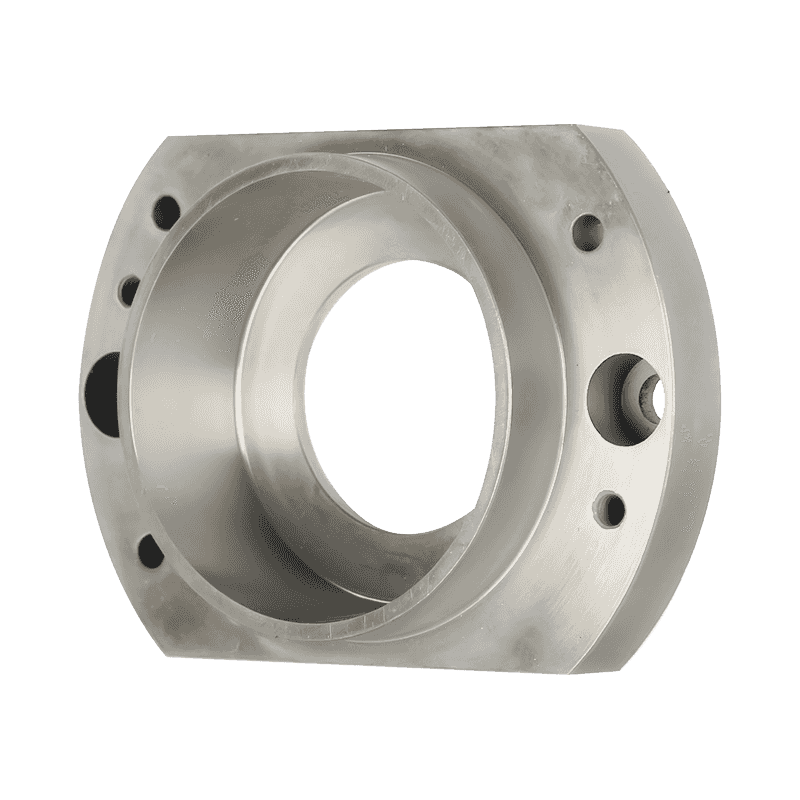 Custom High-Precision Axis Parts for Aerospace UseThese axis parts are specified for drive, actuator, and transmission shafts needing exceptional roundness and surface quality. The context highlights their role in assemblies under alternating loads and the need for documented conformance to AS9100 standards.View Product →
 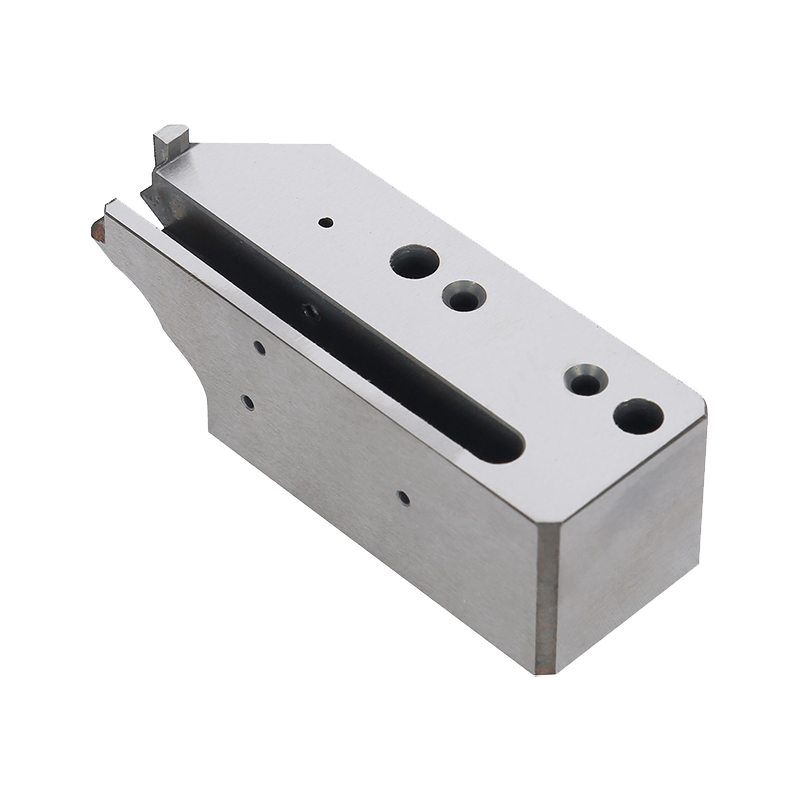 High-Precision Fastener Rivets for Aerospace AssembliesEven small rivets require extreme precision to keep components tightly connected in harsh aerospace environments. The adjacent text notes their critical role under alternating loads and strict traceability requirements, making them a key focus for buyers.View Product →
Aerospace buyers expect more than a good-looking machined part; they need documented proof that every component conforms. That is why quality management systems are central to aerospace CNC machining. Many OEMs and tier-one suppliers require certification to AS9100, the aerospace-specific extension of ISO 9001, which adds requirements for risk management, configuration control, and traceability.
At Suzhou Heimat Precision Machinery, we maintain ISO 9001 and ISO 14001 management systems and operate a complete inspection facility to verify dimensional accuracy on critical features. For every order, we work from the customer’s drawings and specifications, and we can provide inspection reports, material certificates, and other documentation to support your own quality process.
Selecting the right partner for CNC aerospace parts goes beyond comparing hourly rates. Here are the key capabilities we recommend evaluating:
Our team has spent more than a decade supporting customers across aerospace, automation, energy, and medical industries, and we offer one-stop service from drawing review and prototyping to batch production and assembly. If you are working on a new aerospace project, we welcome the chance to review your prints and provide a competitive quotation. Get in touch through our contact page to discuss your requirements.
CNC aerospace parts demand precision, traceability, and a manufacturing partner who understands what is at stake. By focusing on the right materials, processes, and quality controls, you can bring components to life with confidence. Whether you need a single prototype or a long production run, the right machining team makes all the difference.
If you have any questions, please fill out the contact form at the bottom of the page and contact us.
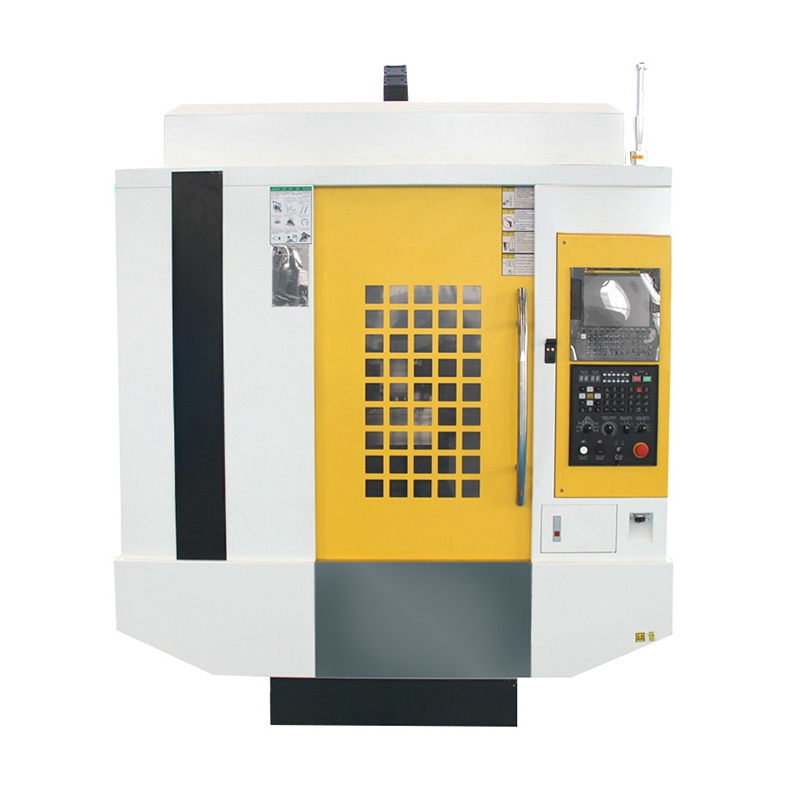 CNC Drilling and Tapping Machin
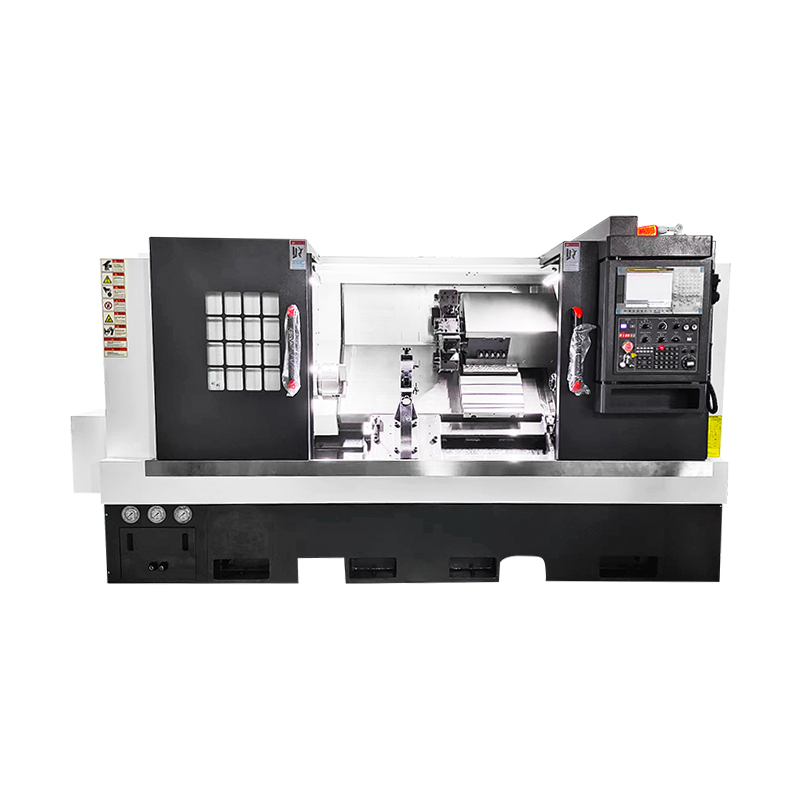 CNC Lathe Machine
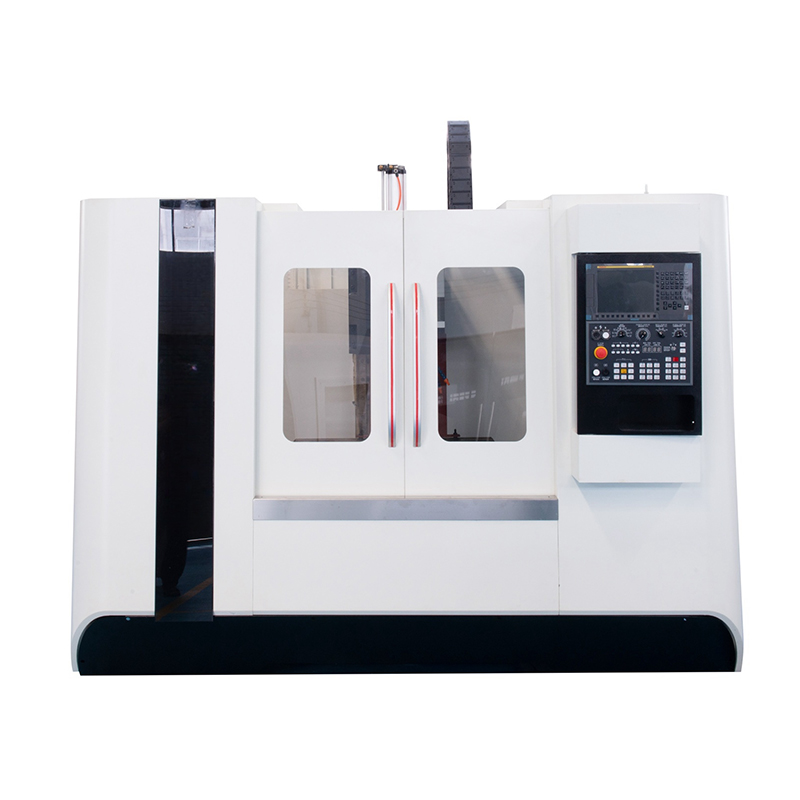 CNC Machine
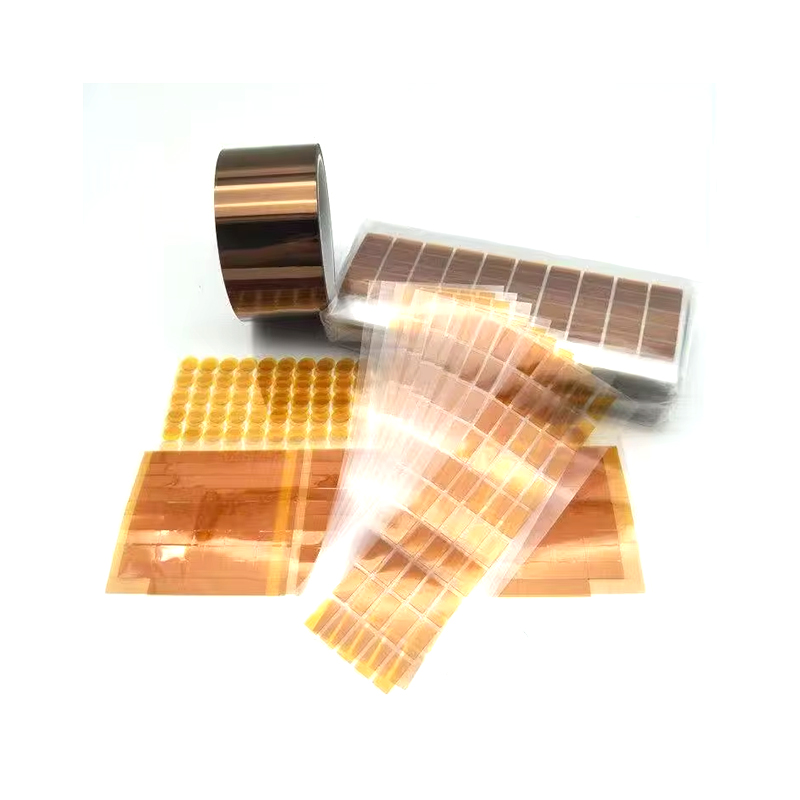 Cutomized Die-Cutting Products for Electronics Industry
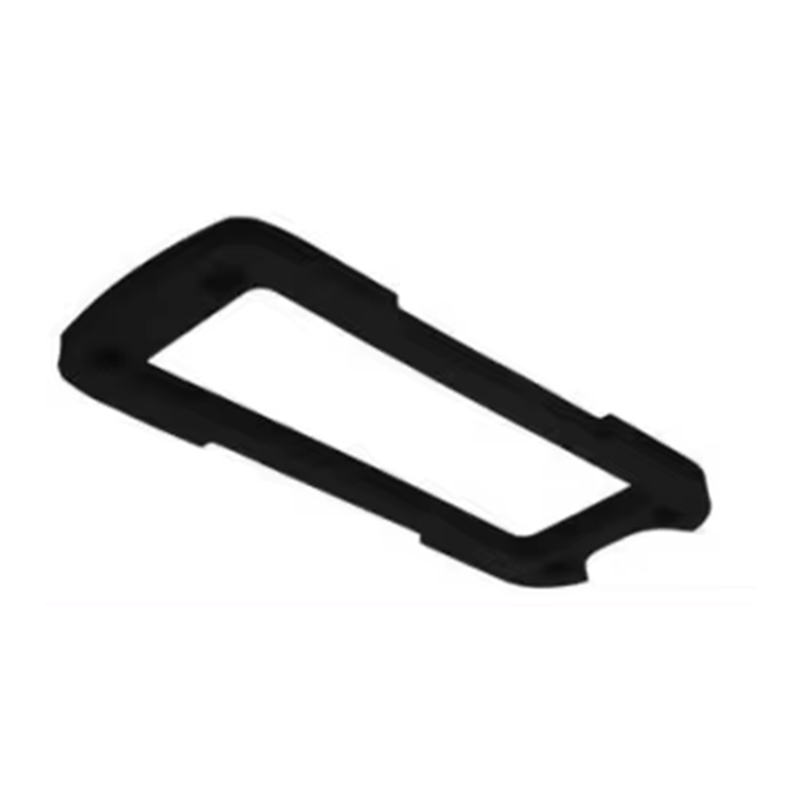 New Energy Automation Die Cutting Products
 Customeized Die-Cut Products in Package Industry
 Bespoke Touch Screen for Gaming and Entertainment Devices
 Custom Touch Screen in Smart Home Industry
 Customized Personalized Touch Panel Screen
 Design Manufacturing and Assembly of Special Customized Custom Electrical Cabinet
 Industrial Robot Automatic Production Line Design Manufacture and Assembly
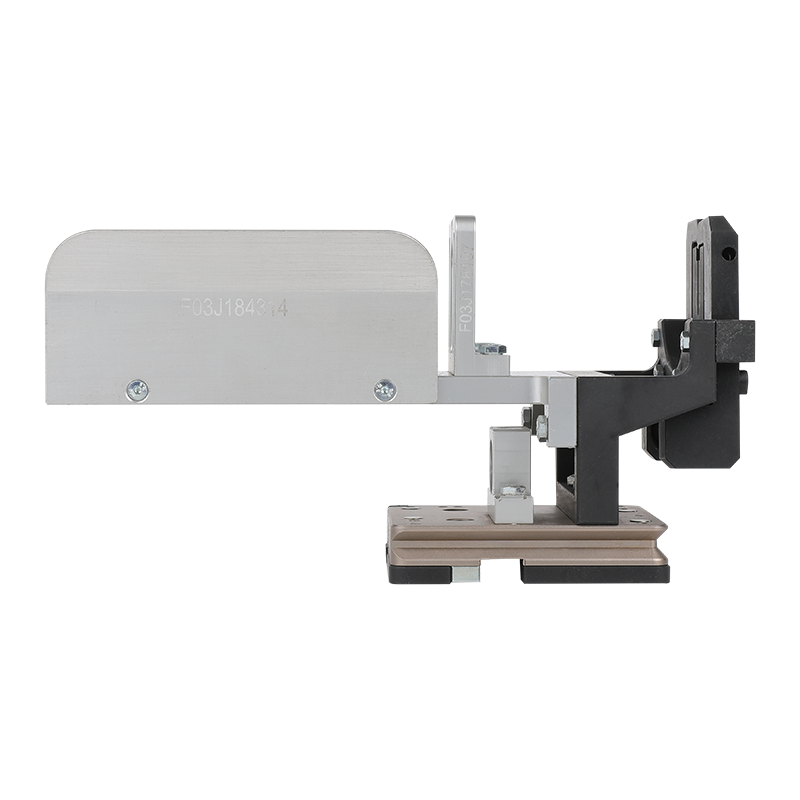 Customized Design Automation Equipment

+86-18118122885

+86-512-66233336

joy.qian@szhengmai.com

No. 8, Guangdian Road, Guangfu Town, Wuzhong District, Suzhou, Jiangsu, China.
Copyright © 2023 Suzhou Heimat Precision Machinery Co., Ltd. All Rights Reserved.Custom CNC Parts Processing Manufacturers

|
 Previous