 English
 русский
News
Home / News / Industry News / Precision Die-Cut Products for Electronics, Packaging & Automation Applications

 English
 Search
Suzhou Heimat Precision Machinery Co., Ltd.
+86-18118122885
joy.qian@szhengmai.com
When we talk about precision manufacturing, die-cut products are often the unsung heroes behind the scenes. From the gaskets that seal an electronic enclosure to the insulating layers inside a battery pack, these custom-shaped components are critical to the performance and reliability of countless modern devices. At our shop, we have spent years fine-tuning the art and science of die cutting, and we want to share what we have learned about their design, application, and manufacturing.
In the simplest terms, die-cut products are components that are cut to precise specifications using a specialized tool called a die. A die acts like a cookie cutter, but for industrial materials. It can be a steel-rule die for softer materials like foam and paper, or a more robust metal stamping die for thin metals and composites. The process allows us to produce large quantities of identical parts quickly, with tight tolerances that would be difficult to achieve with a manual blade or shear.
The key to quality die cutting lies in understanding both the material and the die design. A poorly designed die can cause tearing, burrs, or inconsistent edge quality. Over the years, we have developed a deep understanding of how different materials behave under pressure and shear, which allows us to optimize tooling for each unique project. This experience is something we bring to every new inquiry, ensuring that your parts are not just cut, but cut right the first time.
One of the most rewarding aspects of our work is seeing how die-cut products solve real challenges across so many different fields. While the basic process is similar, the end use cases vary dramatically. Below is a quick overview of the primary industries we serve and the common die-cut components we produce for them.
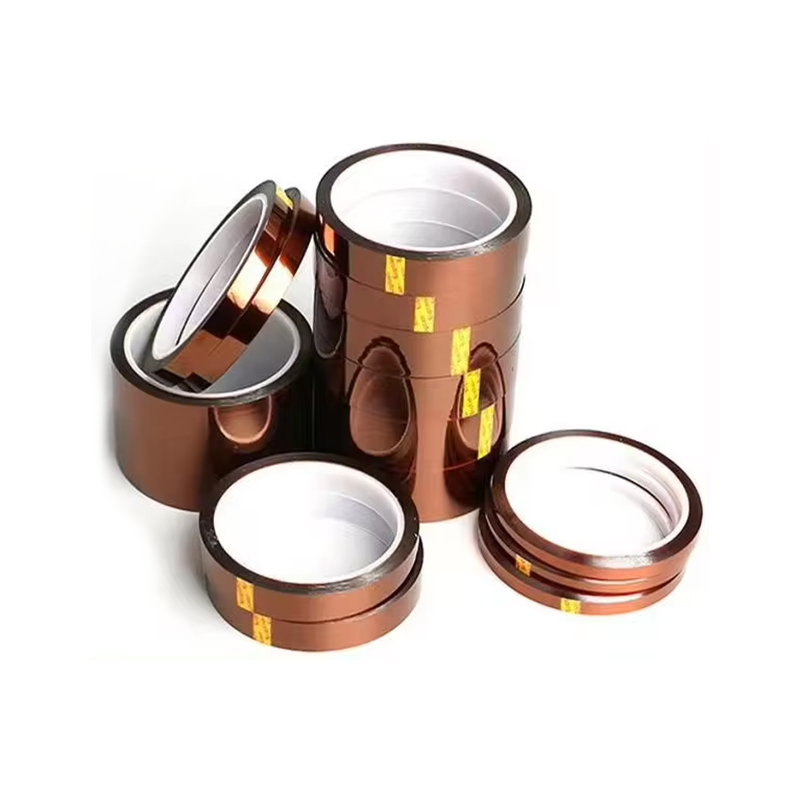 Customeized Die-Cut Products in Package IndustryDie cutting products are produced by precise cutting processes to make various Die materials into products of specific shapes and sizes. These Die materials usually ha...View Product →
 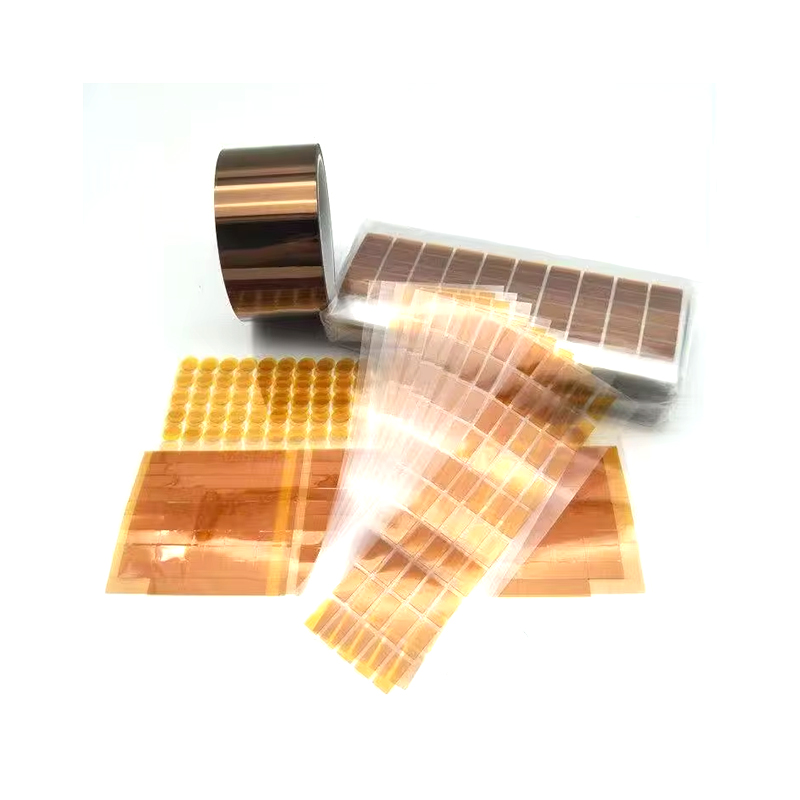 Cutomized Die-Cutting Products for Electronics IndustryCNC Drilling and Tapping MachinView Product →
 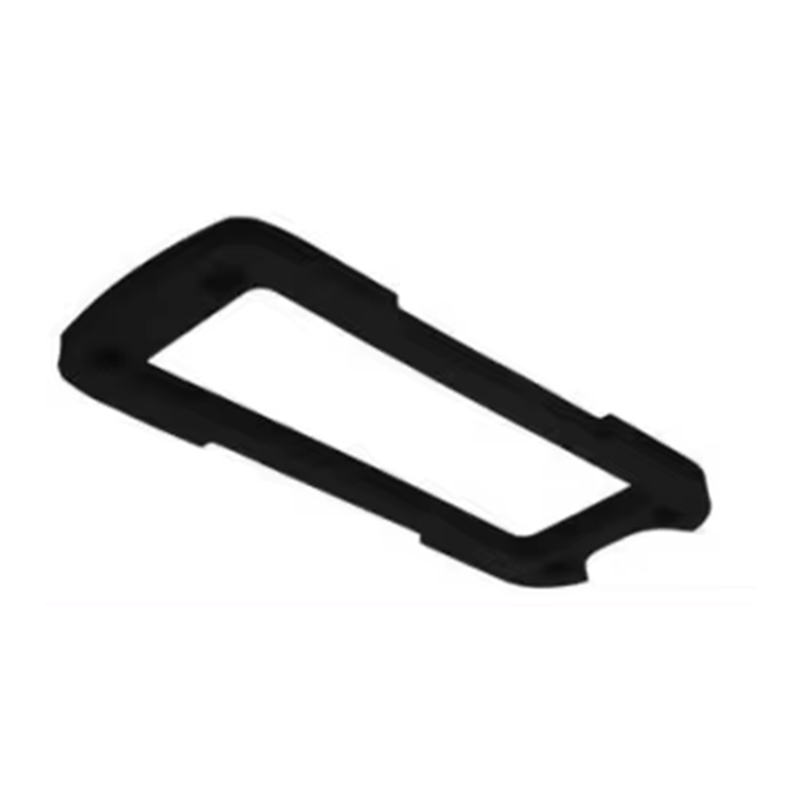 New Energy Automation Die Cutting ProductsDie cutting products hold significant importance in the realm of new energy vehicles. Our die-cutting products offer precise shaping and sizing capabilities, enabling ...View Product →
| Industry | Typical Die-Cut Products | Common Materials |
|---|---|---|
| Electronics | Insulators, gaskets, EMI/RFI shielding | Polyimide, silicone foam, copper foil |
| Medical Device | Seals, adhesive pads, sterilizable covers | Medical-grade silicone, non-woven fabrics |
| Aerospace | Vibration damping pads, thermal interface materials | High-temperature silicone, acrylic adhesives |
| New Energy (Battery) | Cell separators, insulating gaskets, cooling pads | PET, polypropylene, aluminum composite |
As you can see, die-cut products are a go-to solution whenever you need a precise, repeatable shape from a sheet material. Whether you are designing a consumer gadget or a heavy-duty industrial machine, there is a good chance die cutting can deliver the component you need faster and more cost-effectively than other methods.
Material selection is where the real expertise comes into play. Choosing the wrong material can lead to part failure, poor sealing, or expensive production delays. Over the years, we have worked with hundreds of different substrates, and we have a strong sense of how each one performs in a die-cut environment.
Closed-cell foams like EPDM and silicone are ideal for sealing applications where moisture and dust ingress must be prevented. Open-cell foams, on the other hand, are often used for thermal management or sound damping. Rubbers, especially silicone, offer excellent temperature resistance and flexibility, making them perfect for gaskets in harsh environments. When specifying a foam or rubber die-cut part, it is crucial to consider its compressibility and recovery rate—factors that directly affect seal performance over the product's life.
Pressure-sensitive adhesives (PSAs) are frequently supplied as die-cut pads or parts for bonding, mounting, or masking. These materials require a release liner to protect the adhesive before use, and the die must cut through both the adhesive and the liner without leaving a sticky residue on the blade. Films such as polyimide (Kapton) or polyester (Mylar) are often used for electrical insulation because they combine high dielectric strength with thinness and thermal stability.
For applications requiring dimensional stability and strength, thin metals such as stainless steel or aluminum can be die cut to create shims, spacers, or grounding pads. Composites reinforced with aramid or glass fibers also cut well with the right die tooling. These materials are more demanding on the tooling, but the results are unmatched when you need a rigid, thin component that holds its shape.
Die cutting is often chosen because it can produce parts with excellent dimensional repeatability at high volumes. However, achieving tight tolerances requires careful attention to the tooling and the process. The sharpness of the die, the amount of pressure applied, and even the temperature of the material can all affect the final cut quality.
Our approach is to start with the end use in mind. For example, a gasket for a critical precision application may require a tolerance of 0.1mm, while a simple protective pad can handle a looser tolerance of 0.5mm. By understanding your quality needs upfront, we can design the most efficient tooling without over-engineering the job. This is where our experience in both CNC machining and die cutting gives us an edge—we see the full picture of precision manufacturing, not just one part of it.
Working with a custom die-cut partner offers significant advantages over trying to handle these parts in-house. First, we have the tooling expertise and inventory to respond quickly. We can design and produce steel-rule dies in a matter of days, not weeks. Second, we purchase materials in larger volumes, which translates to better pricing for our customers. Finally, we handle quality assurance and inspection, so you can focus on your core product assembly.
If you have a project in mind—or even if you are just beginning to explore whether die cutting is the right solution—we invite you to reach out to our team. We speak the language of precision manufacturing and would be happy to discuss your material, tolerance, and volume requirements. Let us help you turn your design into a reliable, cost-effective reality.
If you have any questions, please fill out the contact form at the bottom of the page and contact us.
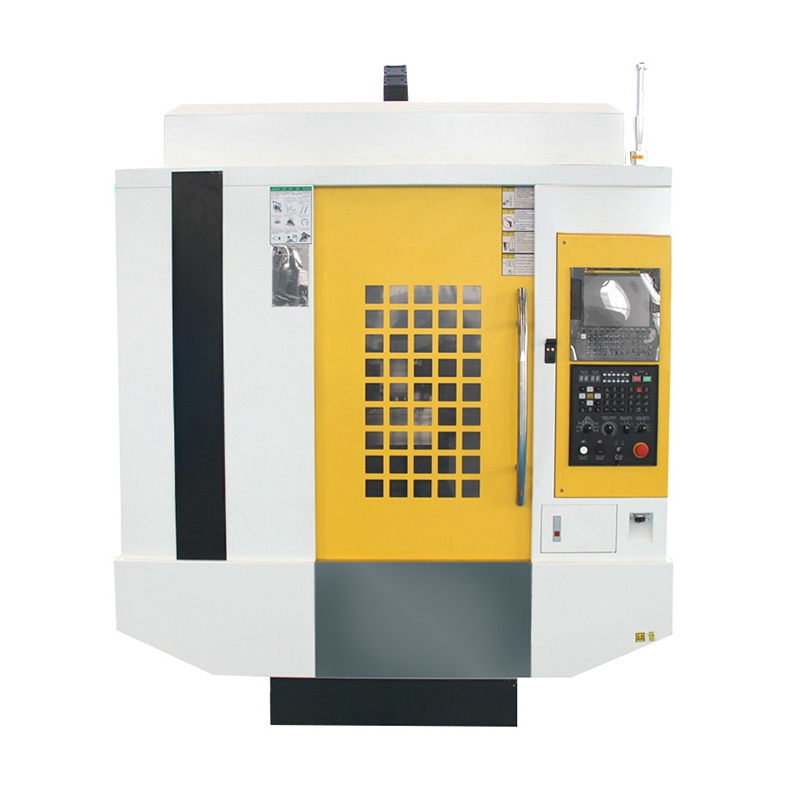 CNC Drilling and Tapping Machin
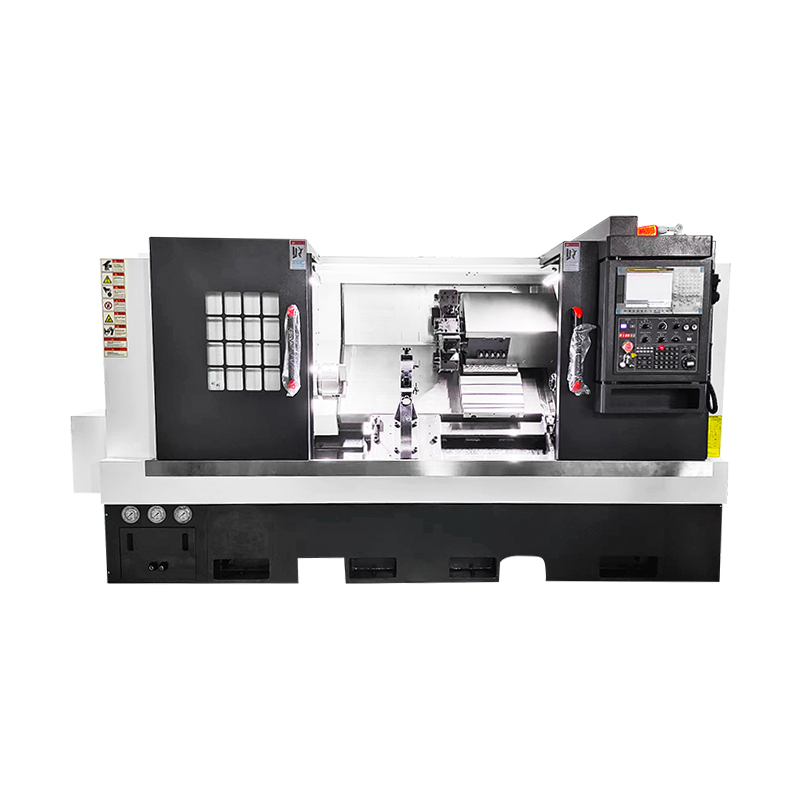 CNC Lathe Machine
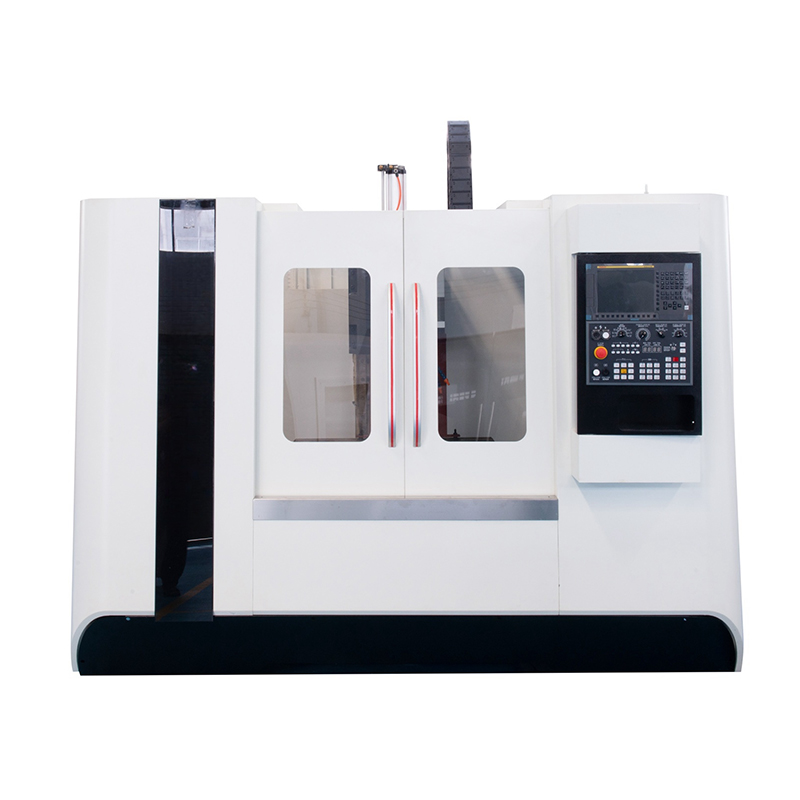 CNC Machine
 Cutomized Die-Cutting Products for Electronics Industry
 New Energy Automation Die Cutting Products
 Customeized Die-Cut Products in Package Industry
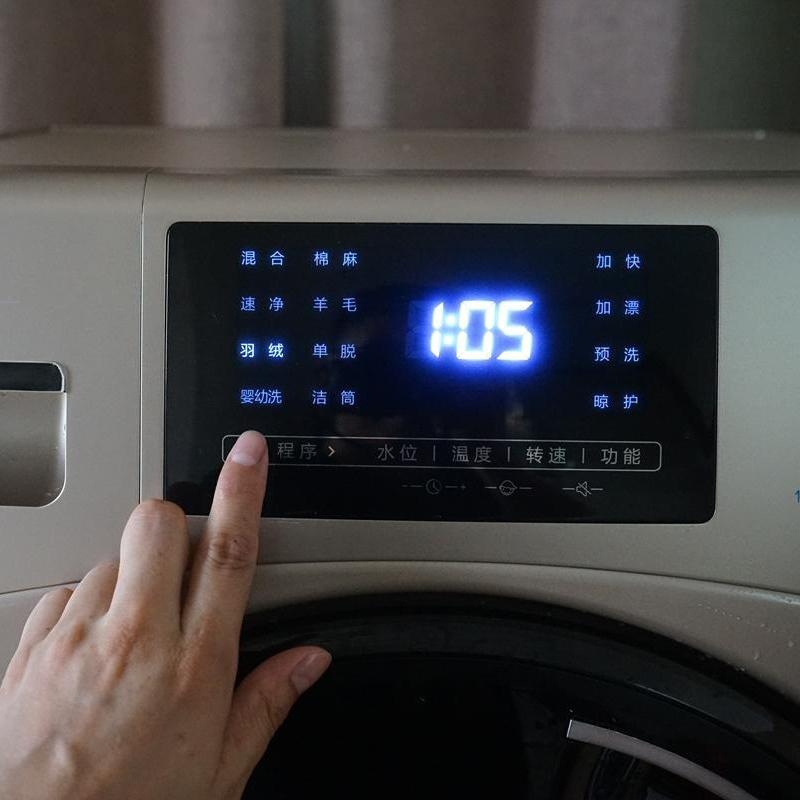 Bespoke Touch Screen for Gaming and Entertainment Devices
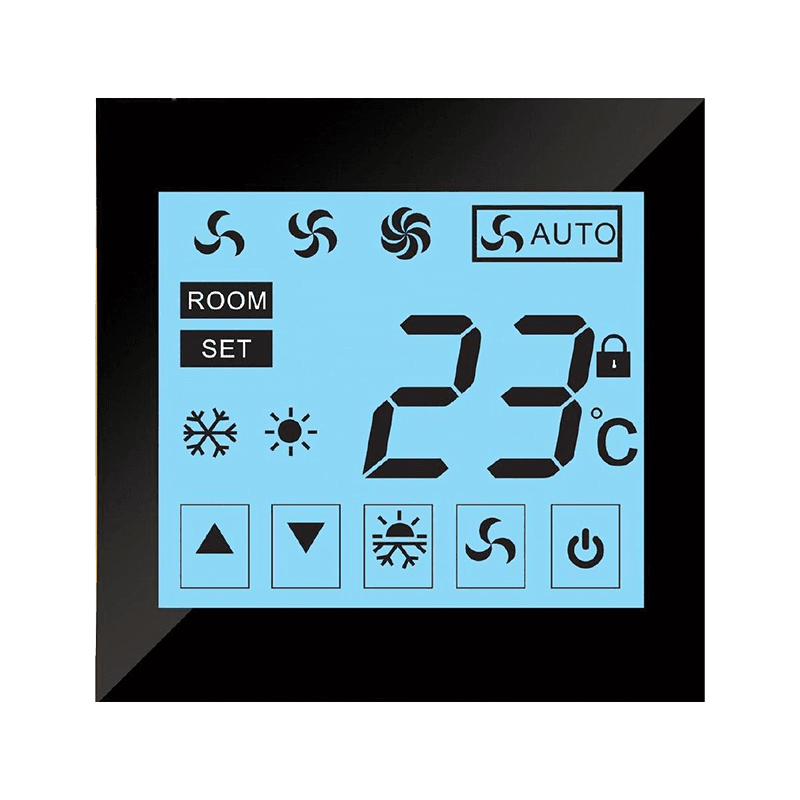 Custom Touch Screen in Smart Home Industry
 Customized Personalized Touch Panel Screen
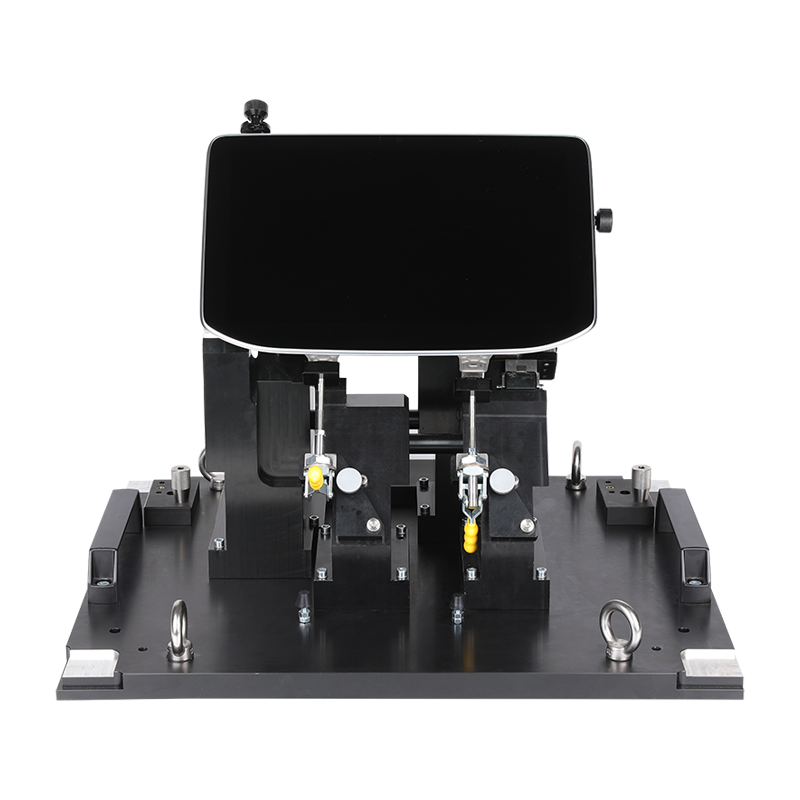 Design Manufacturing and Assembly of Special Customized Custom Electrical Cabinet
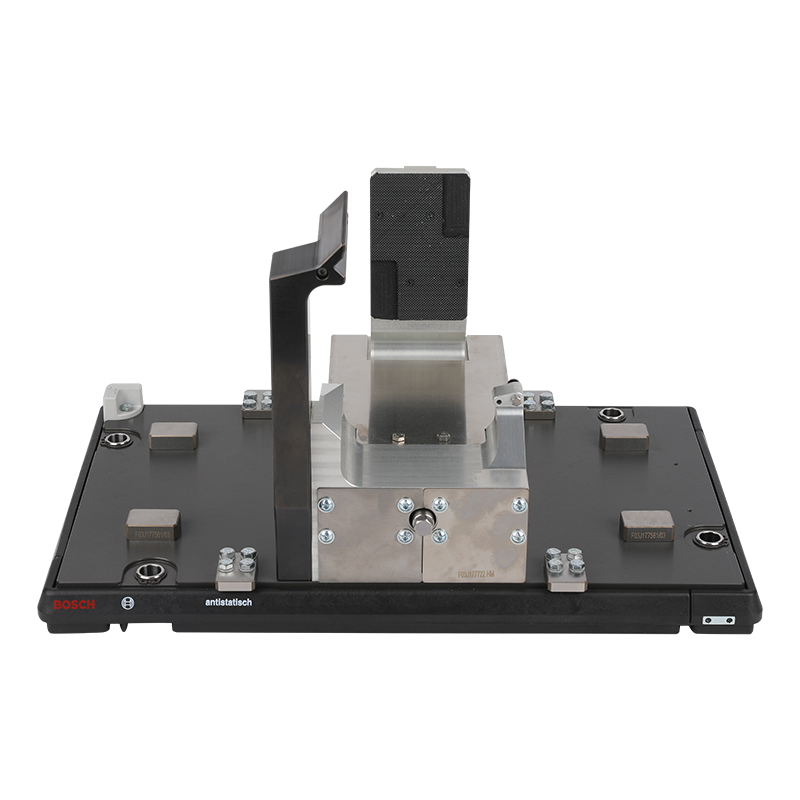 Industrial Robot Automatic Production Line Design Manufacture and Assembly
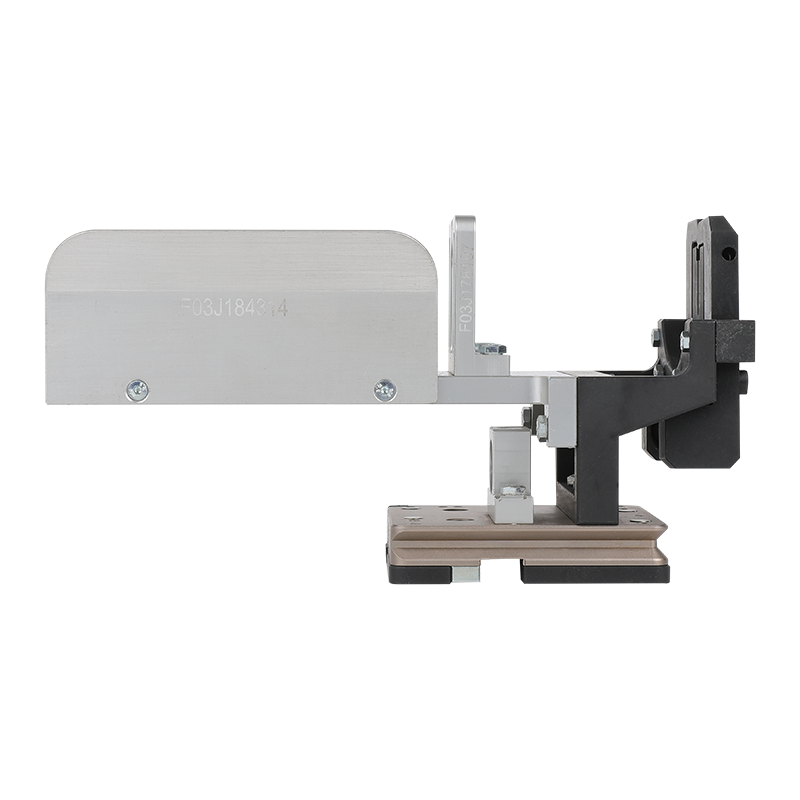 Customized Design Automation Equipment

+86-18118122885

+86-512-66233336

joy.qian@szhengmai.com

No. 8, Guangdian Road, Guangfu Town, Wuzhong District, Suzhou, Jiangsu, China.
Copyright © 2023 Suzhou Heimat Precision Machinery Co., Ltd. All Rights Reserved.Custom CNC Parts Processing Manufacturers

|
