 English
 русский
News
Home / News / Industry News / Expert Aluminum Prototype Machining: Precision CNC Services for Rapid Prototyping

 English
 Search
Suzhou Heimat Precision Machinery Co., Ltd.
+86-18118122885
joy.qian@szhengmai.com
When a new product design reaches the prototyping stage, speed and accuracy are everything. Aluminum prototype machining has become the go‑to method for engineers and project managers who need functional parts that truly represent production intent. Over the years, we have helped countless clients turn their concepts into machined aluminum prototypes, and we would like to share what we have learned from the shop floor.
Aluminum offers a unique combination of properties that make it ideal for prototype parts. It is lightweight yet strong, has excellent thermal conductivity, and machines beautifully on CNC equipment. For functional testing, fit checks, and even low‑volume pre‑production runs, aluminum prototypes deliver the mechanical performance you need without the long lead times and high tooling costs associated with other materials.
Common aluminum alloys we see in prototype work include 6061‑T6 (versatile and cost‑effective) and 7075‑T6 (higher strength, often used in aerospace and racing applications). Each alloy has its own machining characteristics, and selecting the right one depends on the part’s end use. Our team routinely guides clients through this decision, drawing on decades of hands‑on experience with aluminum.
Every great prototype starts with a solid CAD model. We work directly from your 3D files, or if you need help, we can assist with design for manufacturability (DFM). Small adjustments—like rounding internal corners or adjusting wall thickness—can make a big difference in machining time and final quality without compromising function.
Once the geometry is finalized, our programmers create toolpaths optimized for aluminum. Because aluminum generates stringy chips, proper chip evacuation is critical. We use high‑pressure coolant and pecking cycles to keep the cutting zone clean and avoid re‑cutting chips that could mar the surface finish.
On the machine, we select speeds and feeds that maximize material removal while maintaining dimensional stability. Aluminum’s high thermal conductivity actually helps dissipate heat, but thin‑walled sections can still distort if not handled carefully. Our machinists monitor tool deflection and use climb milling strategies to achieve tight tolerances. After machining, we deburr every edge, apply any required surface finish (as‑machined, bead blast, anodize, etc.), and inspect critical dimensions with CMM equipment.
Aluminum prototypes serve virtually every sector of modern manufacturing. In the automation industry, we regularly produce brackets, housings, and linkages that test fit and function before committing to production tooling. For aerospace, weight‑saving and strength are paramount, and 7075‑T6 prototypes allow designers to validate structural performance. Medical device developers also rely on aluminum prototypes for instrument housings and fixture components that must be sterile and biocompatible after surface treatment.
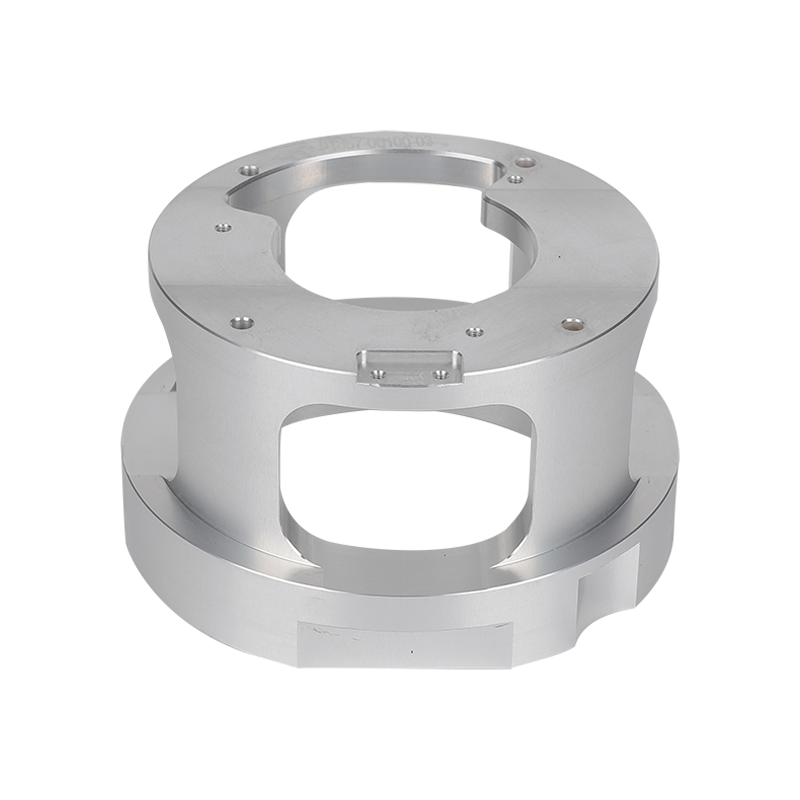 Custom CNC Parts for Automation EquipmentThese milled components are designed for production line equipment and robotic arms, enabling iterative testing of fit and function before full production.View Product →
In many cases, a single prototype run reveals assembly interference or tolerance issues that would be expensive to fix in production. That is why we encourage iterative prototyping—our fast turnaround on aluminum parts means you can test, refine, and retest in days, not weeks.
Choosing the right manufacturing partner is as important as choosing the right alloy. You need a team that understands aluminum’s behavior, has the equipment to hold tight tolerances, and communicates clearly about lead times and costs. At Suzhou Heimat Precision Machinery, we have been providing CNC precision machining services since 2010, serving clients from North America, Europe, and Asia. Our shop is equipped with modern 3‑axis and 4‑axis machining centers, and we maintain ISO 9001 and ISO 14001 certifications to ensure consistent quality.
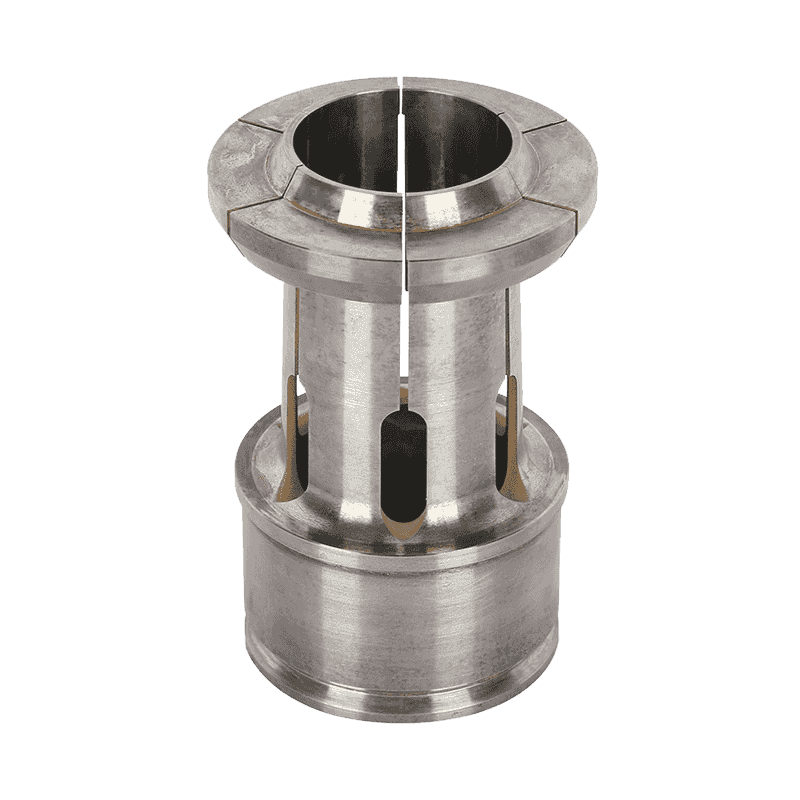 CNC Machined Parts for Aerospace EquipmentProduced from aluminum, titanium, or steel alloys, these parts benefit from our ISO-certified shops with 3- and 4-axis machining for tight-tolerance aerospace prototypes.View Product →
Whether you need a single aluminum prototype for a proof‑of‑concept or a small batch for market testing, we can tailor our process to your timeline. We also offer post‑machining services such as anodizing, bead blasting, and silk‑screen marking, so your prototypes arrive ready for assembly or presentation.
If you are ready to move your design forward, we invite you to share your CAD files or project requirements. Our engineering team will review the geometry, suggest any DFM improvements, and provide a competitive quote. We take pride in being a hands‑on partner, not just a parts supplier. Reach out through our contact page or give us a call—let’s make your next aluminum prototype the best it can be.
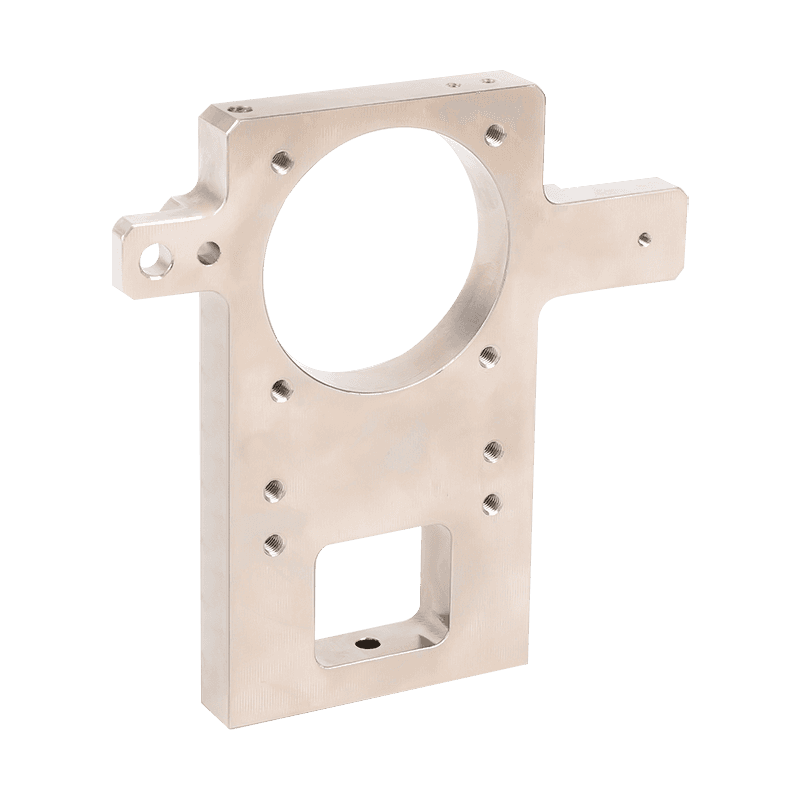 High-Precision Medical Equipment PartsMachined from 316L stainless steel with strict quality control, these parts support sterile housings and fixtures; our team offers DFM reviews and competitive quotes.View Product →
If you have any questions, please fill out the contact form at the bottom of the page and contact us.
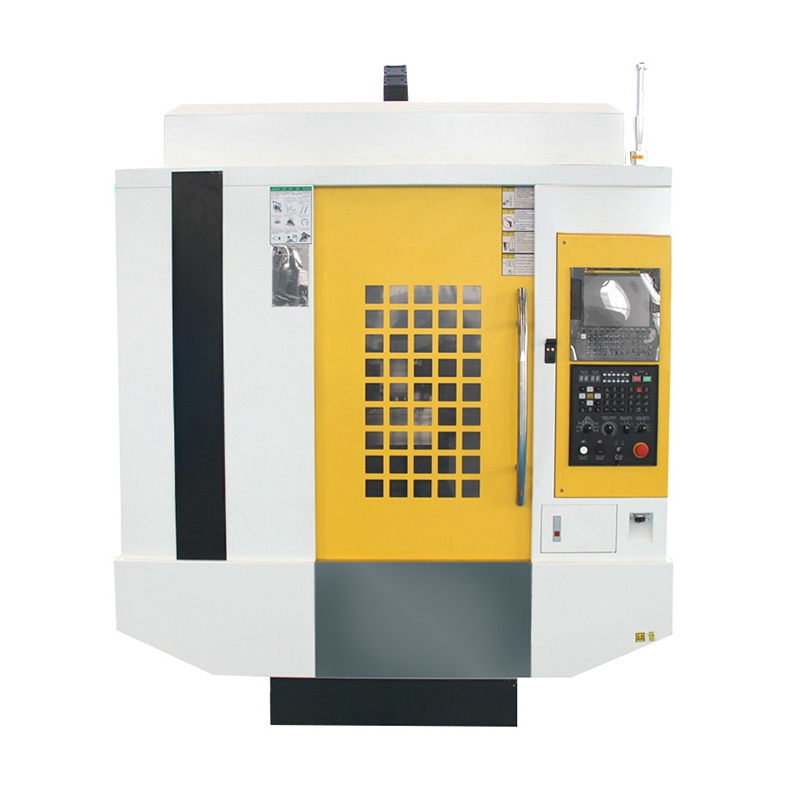 CNC Drilling and Tapping Machin
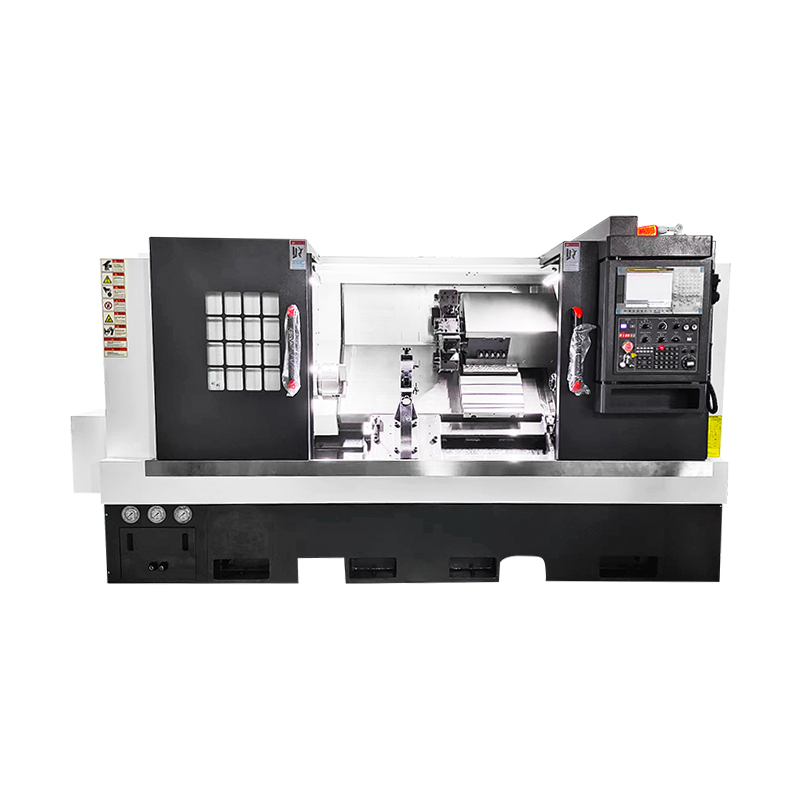 CNC Lathe Machine
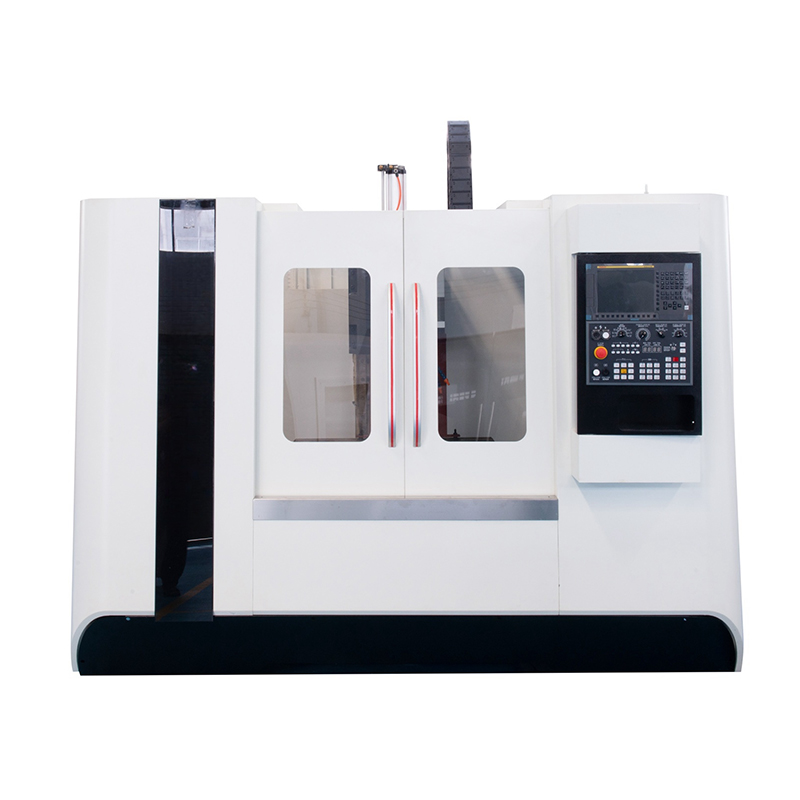 CNC Machine
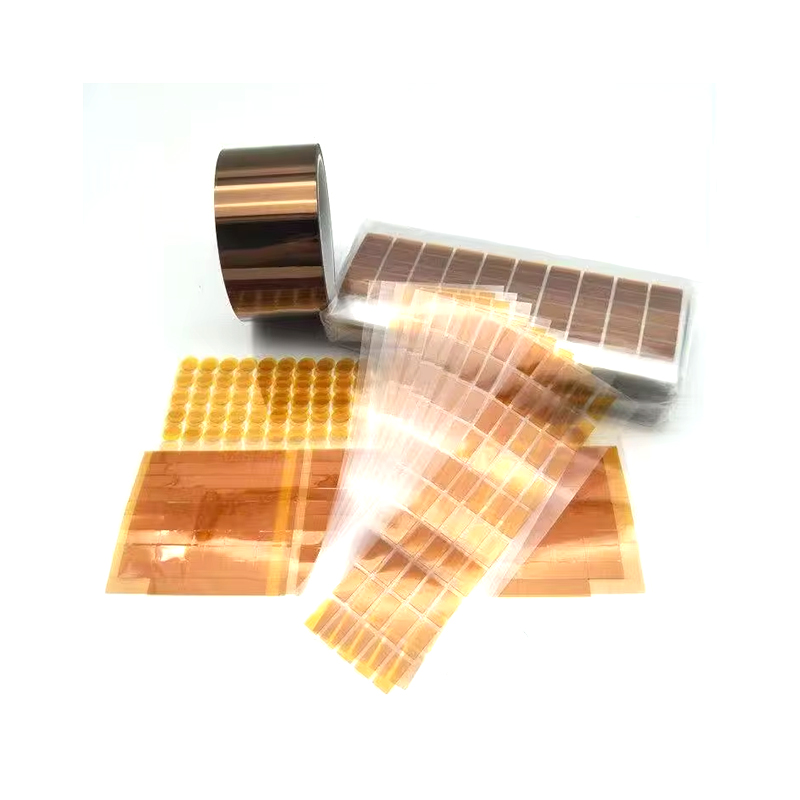 Cutomized Die-Cutting Products for Electronics Industry
 New Energy Automation Die Cutting Products
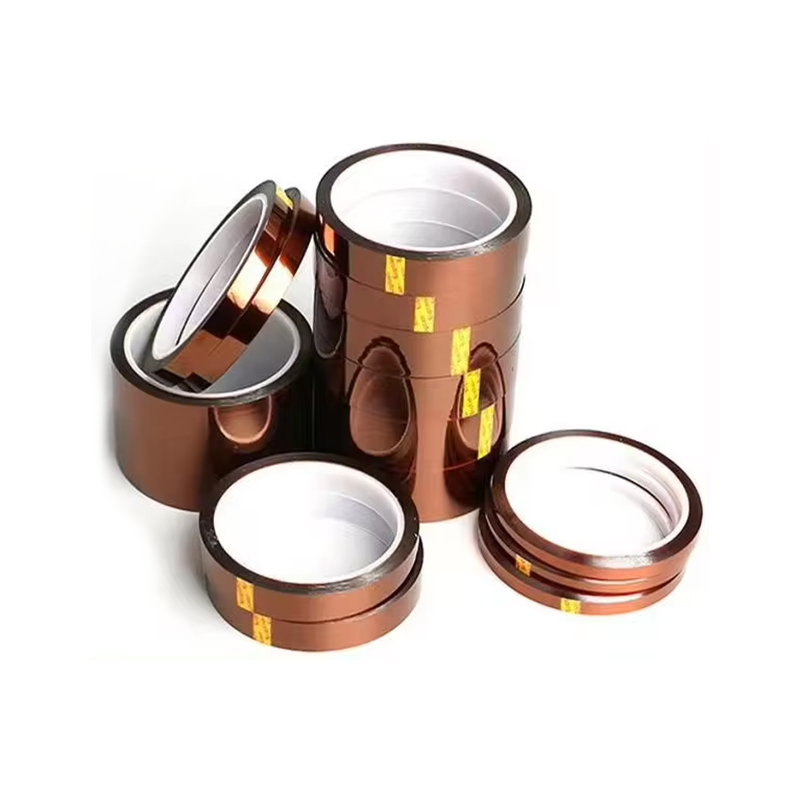 Customeized Die-Cut Products in Package Industry
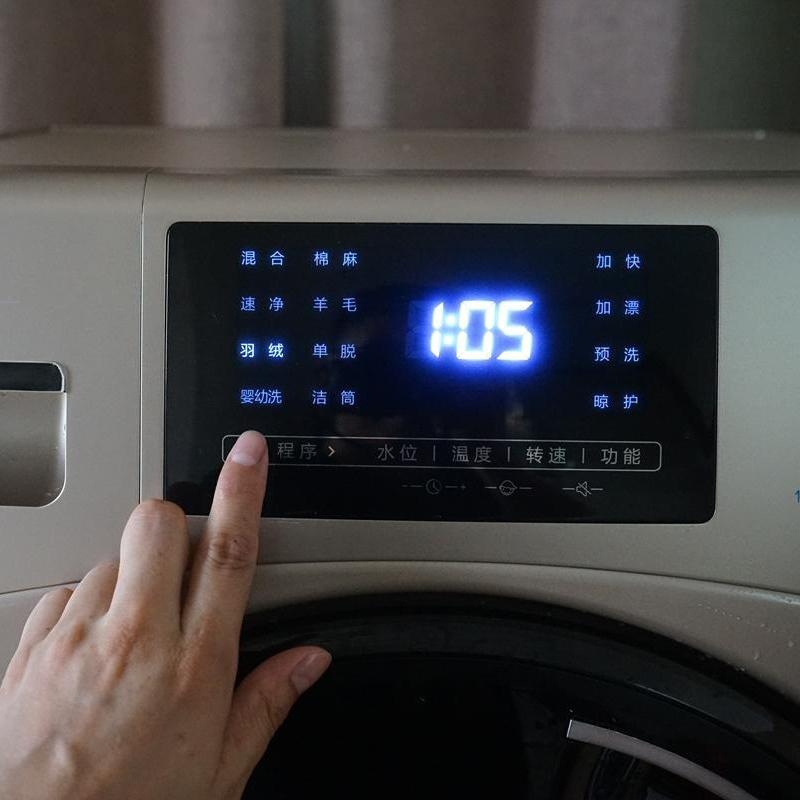 Bespoke Touch Screen for Gaming and Entertainment Devices
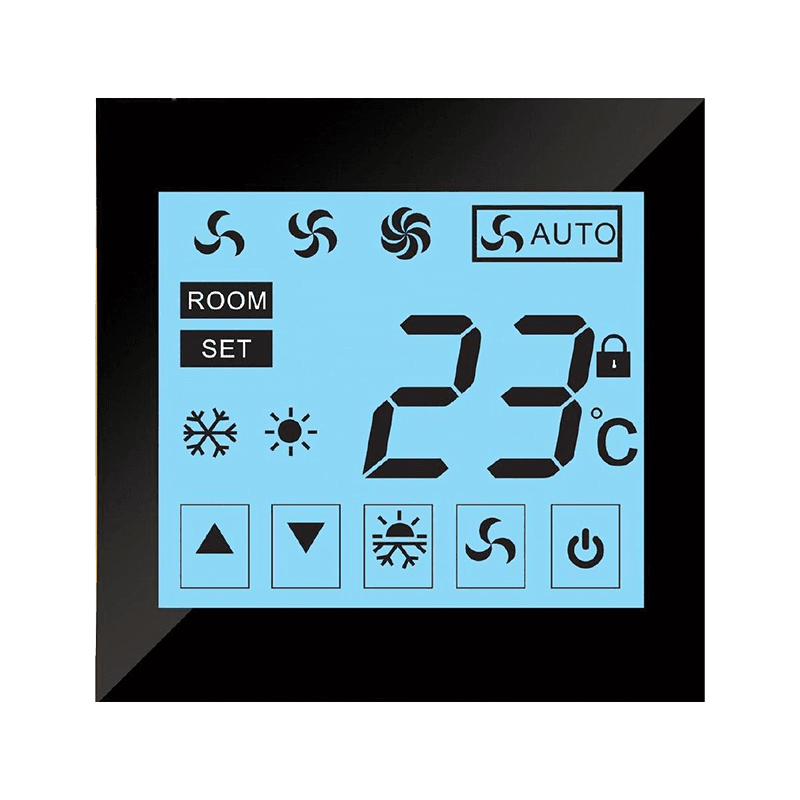 Custom Touch Screen in Smart Home Industry
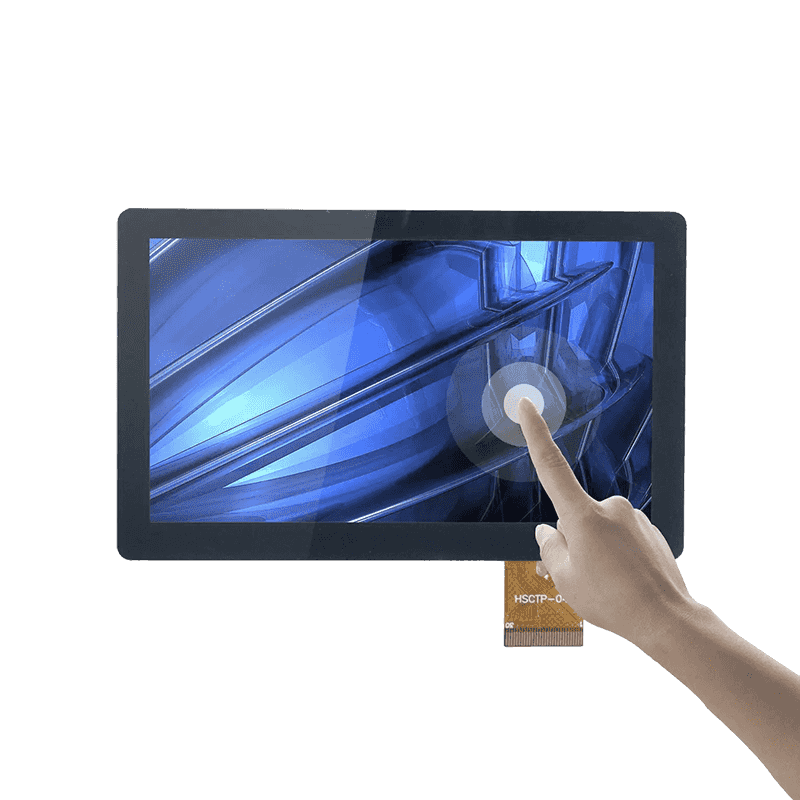 Customized Personalized Touch Panel Screen
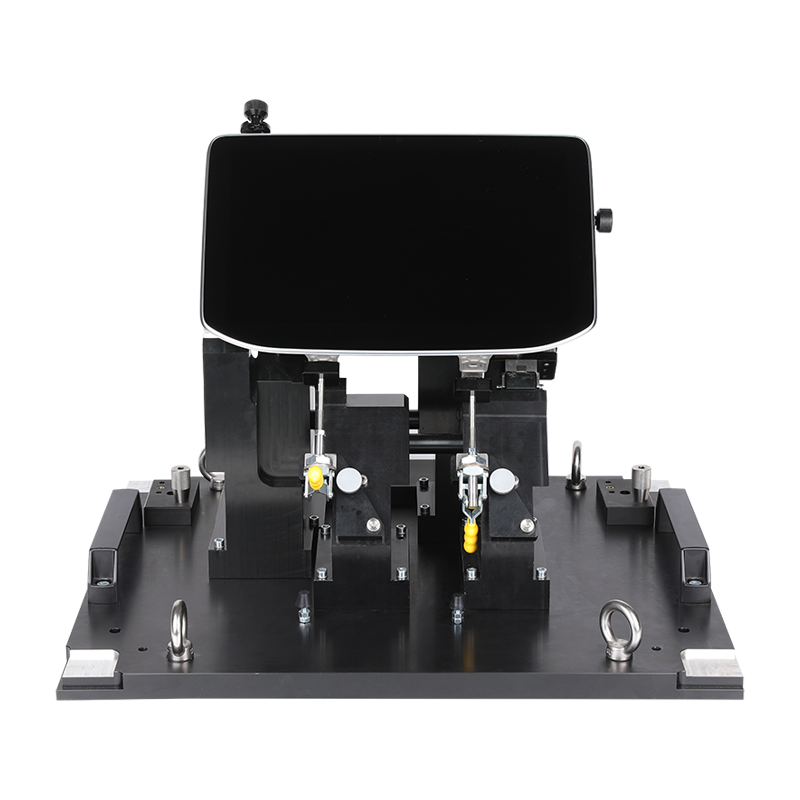 Design Manufacturing and Assembly of Special Customized Custom Electrical Cabinet
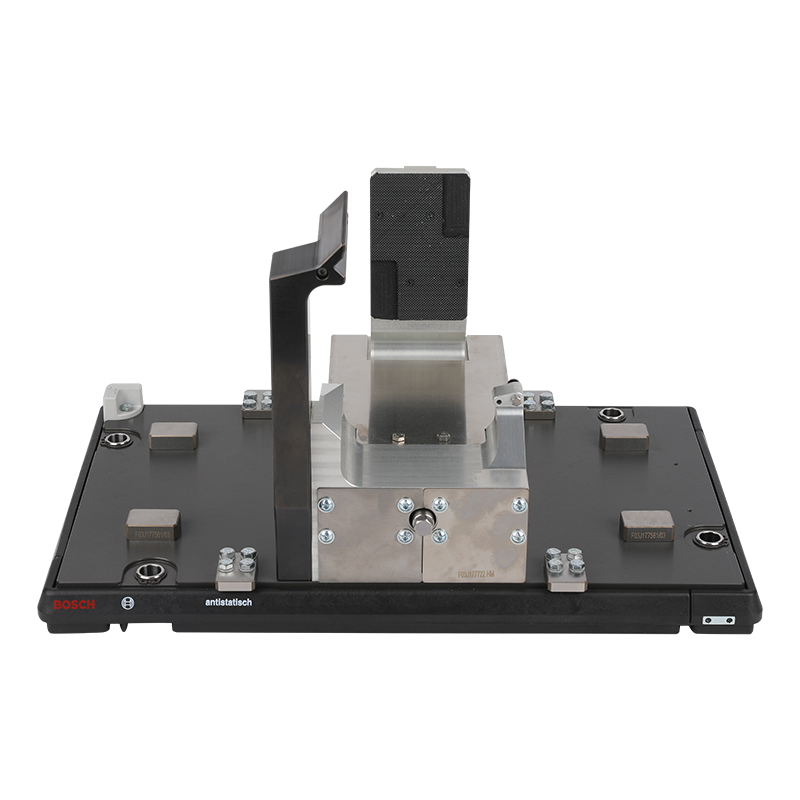 Industrial Robot Automatic Production Line Design Manufacture and Assembly
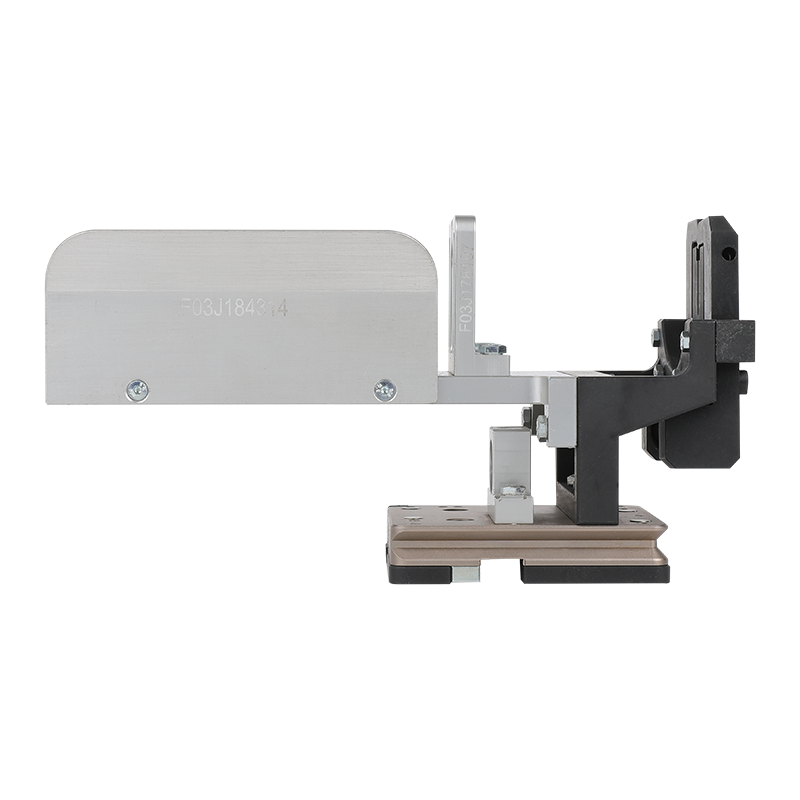 Customized Design Automation Equipment

+86-18118122885

+86-512-66233336

joy.qian@szhengmai.com

No. 8, Guangdian Road, Guangfu Town, Wuzhong District, Suzhou, Jiangsu, China.
Copyright © 2023 Suzhou Heimat Precision Machinery Co., Ltd. All Rights Reserved.Custom CNC Parts Processing Manufacturers

|
 Previous