 English
 русский
News
Home / News / Industry News / CNC Aluminum Parts: Alloys, Tolerances, Finishes, and How to Choose a Supplier

 English
 Search
Suzhou Heimat Precision Machinery Co., Ltd.
+86-18118122885
joy.qian@szhengmai.com
Ordering CNC aluminum parts is not just uploading a CAD file and comparing prices. The real decision is whether your alloy grade, tolerances, surface finish, and supplier process control are aligned with how the part will be used. Get those four things right at the start, and you avoid most scrap, rework, and delivery arguments.
Aluminum is one of the most common material families in custom CNC machining because it machines quickly, holds fine details, and has a strong strength-to-weight ratio. But writing “aluminum” on a drawing is not enough. You need to specify an alloy, a temper, critical tolerances, and a finishing requirement before a shop can quote it accurately. That applies whether you need one prototype or a production batch of machined brackets.
Aluminum appears in aerospace brackets, automation frames, medical instrument housings, and energy equipment because it is practical. It cuts fast, which shortens cycle time and reduces cost. It is light, which helps moving parts, robots, and portable equipment. And it is naturally corrosion-resistant when treated correctly.
Aluminum also responds well to secondary work. You can anodize it, bead-blast it, chemically convert it, or powder coat it without changing the alloy’s core behavior. That gives design engineers room to solve cosmetic, conductive, wear, and corrosion needs on the same part.
The starting point is still the same: define the service condition first, then choose the alloy. For an automated assembly line, that usually means a lightweight bracket with accurate hole positions. Automation builders often prefer customized CNC parts for automation equipment because these parts need to stay consistent across repeated machine builds.
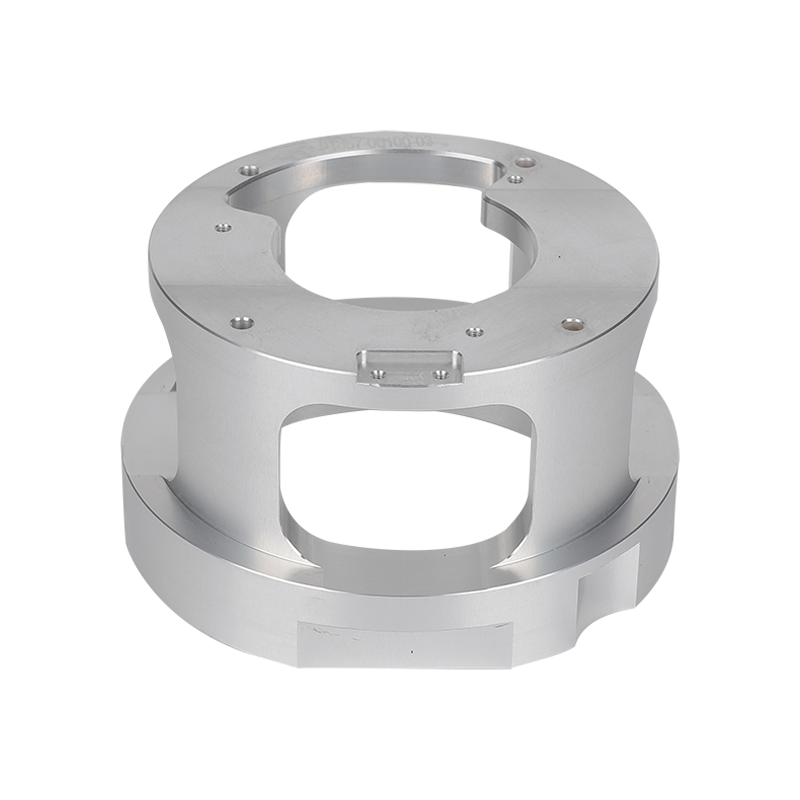 Custom Automation Equipment Customized CNC Parts Suppliers, OEM CompanySuzhou Heimat Precision Machinery Co., Ltd. is China Custom Automation Equipment Customized CNC Parts Suppliers and Company. We Offer Cu...View Product →
Most CNC aluminum parts are machined from bar, plate, or billet. The alloy you choose drives strength, corrosion resistance, anodizing appearance, and final cost.
| Alloy | Why it is used | Typical application |
|---|---|---|
| 6061-T651 | Good strength, excellent machinability, welds and anodizes well | Brackets, housings, covers, general custom parts |
| 7075-T651 | Higher strength than 6061, good for fatigue-loaded parts | Structural links, robot arms, aerospace fittings |
| 2024-T351 | High fatigue strength and good machinability | Aerospace structural parts and bushings |
| 6082-T6 | Strong structural alloy common in European drawings | Transportation and machine frames |
For most custom CNC aluminum parts, 6061-T651 is a safe default. It is easy to machine, dimensionally stable, and predictable under anodizing. If the part carries a repeated shock or high bending load, 7075 or 2024 may be worth the higher material price.
High-strength alloys are not automatically better. They cost more, can be less corrosion resistant, and sometimes need slower machining conditions. If the part is anodized for color matching, alloy composition changes the final tint. Choose 6061 for an even finish and use high-strength alloys only where the stress calculation really needs them. For high-load uses such as customized high-precision axis parts, material state and traceability matter as much as the machining tolerance.
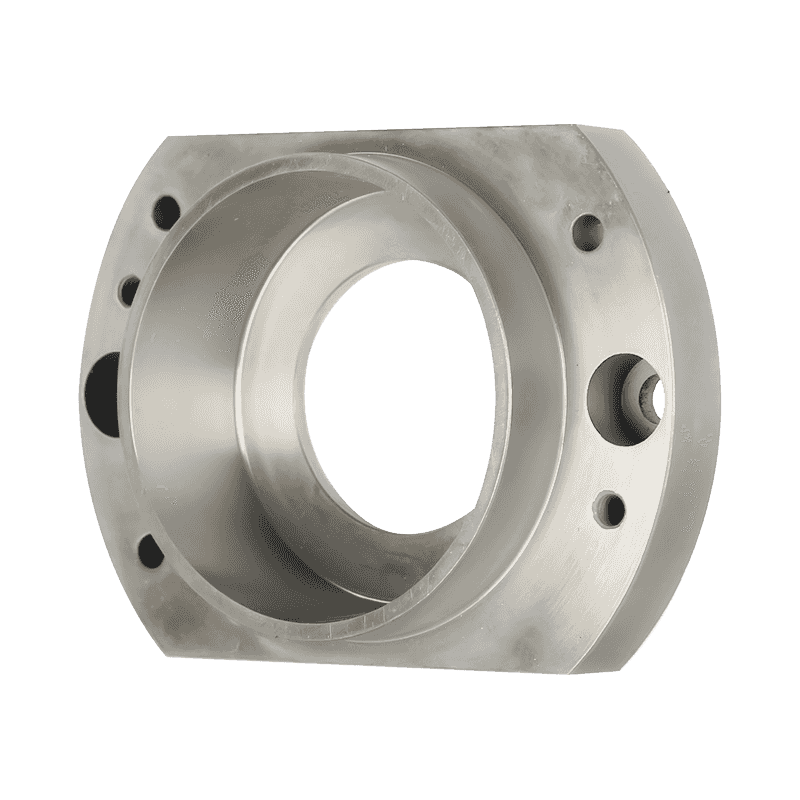 Custom Customized High Precision Axis Parts Suppliers, OEM CompanySuzhou Heimat Precision Machinery Co., Ltd. is China Custom Customized High Precision Axis Parts Suppliers and Company. We Offer Custom O...View Product →
Tolerance requirements should be tied to function. A mounting plate with an adjustment slot does not need the same precision as a bore that holds a bearing. This matters because every extra tight dimension adds setup time, inspection time, and cost.
| Tolerance class | Typical value | When to use |
|---|---|---|
| General | ±0.1 mm | Non-critical faces, clearance holes, part length |
| Precision | ±0.025 mm | Hole-to-hole positions, press-fit features, mating diameters |
| High precision | ±0.005 mm | Reference surfaces and bearing seats; often requires secondary grinding or hand fitting |
If you are unsure what to put on a drawing, what tolerances CNC machining can actually hold explains where the practical limits sit. A good shop will tell you when a tolerance is too tight for the geometry, not just charge for it.
The finish affects appearance, corrosion performance, and final dimensions. Decide it before machining starts so the shop can compensate for material removal.
Anodizing changes dimensions slightly because the coating grows from the surface. If a hole has to stay within tight tolerance after anodizing, the machinist needs to leave enough allowance or mask the hole. This is a common source of rejected CNC aluminum parts.
The cheapest quote can become the most expensive part if the shop ignores design issues, uses unverified material, or has weak inspection. Before you place an order, confirm four things:
Suzhou Heimat Precision Machinery has operated as a custom precision manufacturer since 2010 and has shipped parts to more than 20 countries. Our ISO 9001 and ISO 14001 management systems support production for automation, energy, medical, and aerospace equipment. If you need to see how a supplier documents important details, review our CNC precision machining parts for examples of how drawings, materials, and quality notes are handled. Factories that inspect with calibrated equipment and documented procedures are less likely to surprise you later. For more detail, see how a CNC parts factory controls dimensional accuracy.
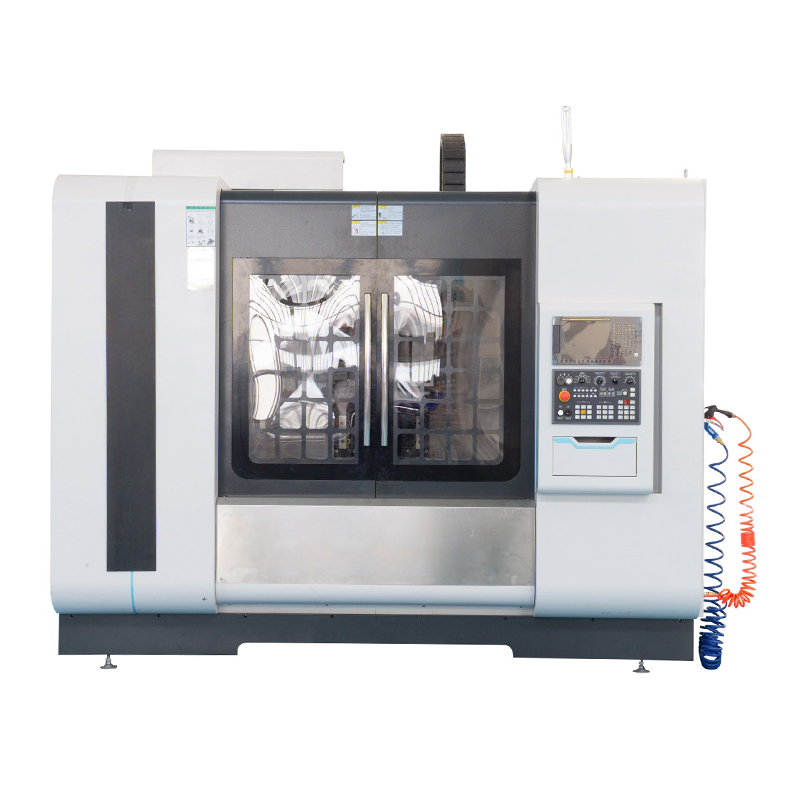 China Custom High Precision CNC Machining Parts Manufacturers, SuppliersAs China High Precision CNC Machining Parts Suppliers And Custom High Precision CNC Machining Parts Manufacturers, Suzhou Heimat Precisio...View Product →
To make quoting faster and more accurate, prepare a complete package:
The order in which you make decisions determines how easy it is to get good CNC aluminum parts. Start with the working condition, select a realistic alloy, mark only the features that truly need tight tolerance, choose a finish early, and work with a shop that reviews the design instead of simply cutting it.
You also want a supplier that can handle the whole loop from drawing review to inspection and delivery. When you have a part ready for quotation, discuss your open aluminum part project with our engineering team and we will give you feedback before metal is cut.
If you have any questions, please fill out the contact form at the bottom of the page and contact us.
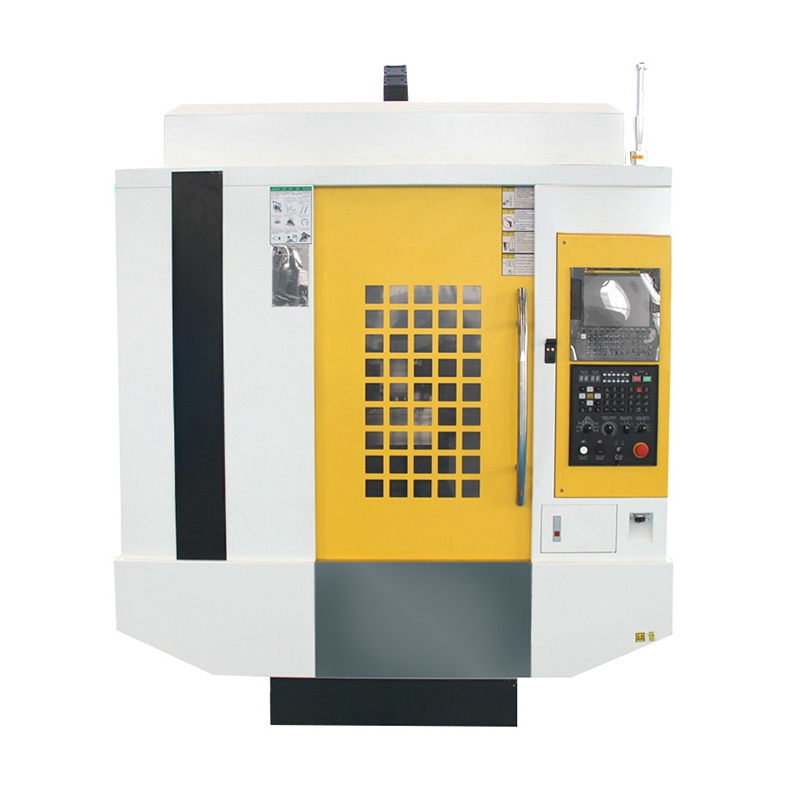 CNC Drilling and Tapping Machin
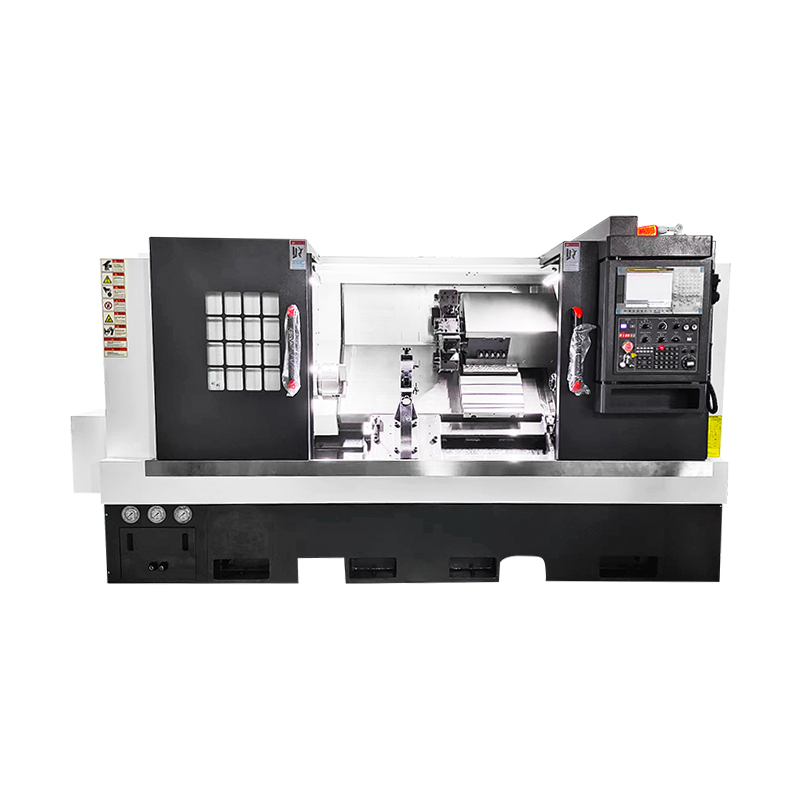 CNC Lathe Machine
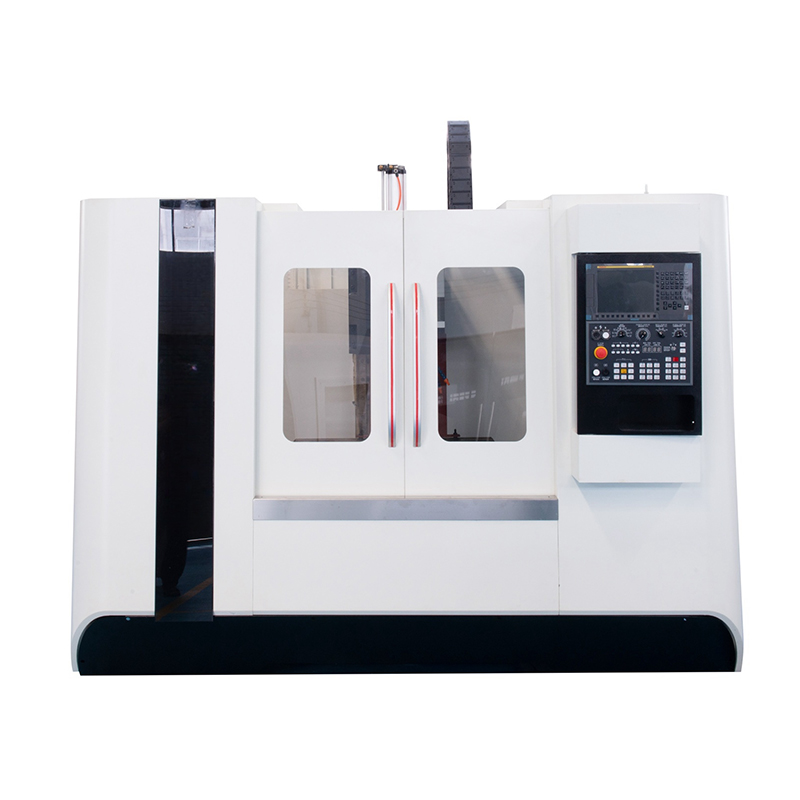 CNC Machine
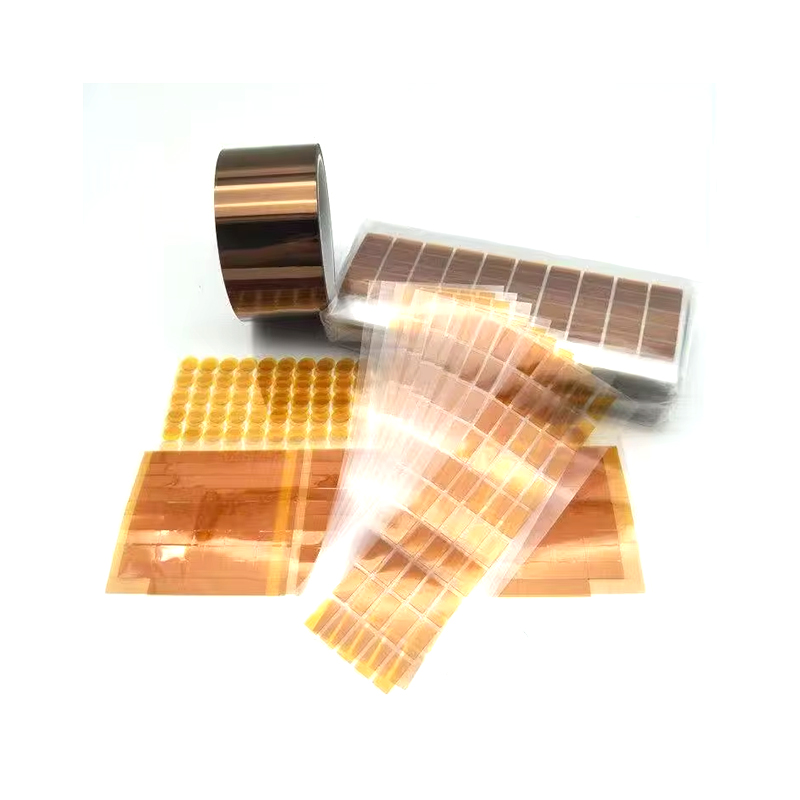 Cutomized Die-Cutting Products for Electronics Industry
 New Energy Automation Die Cutting Products
 Customeized Die-Cut Products in Package Industry
 Bespoke Touch Screen for Gaming and Entertainment Devices
 Custom Touch Screen in Smart Home Industry
 Customized Personalized Touch Panel Screen
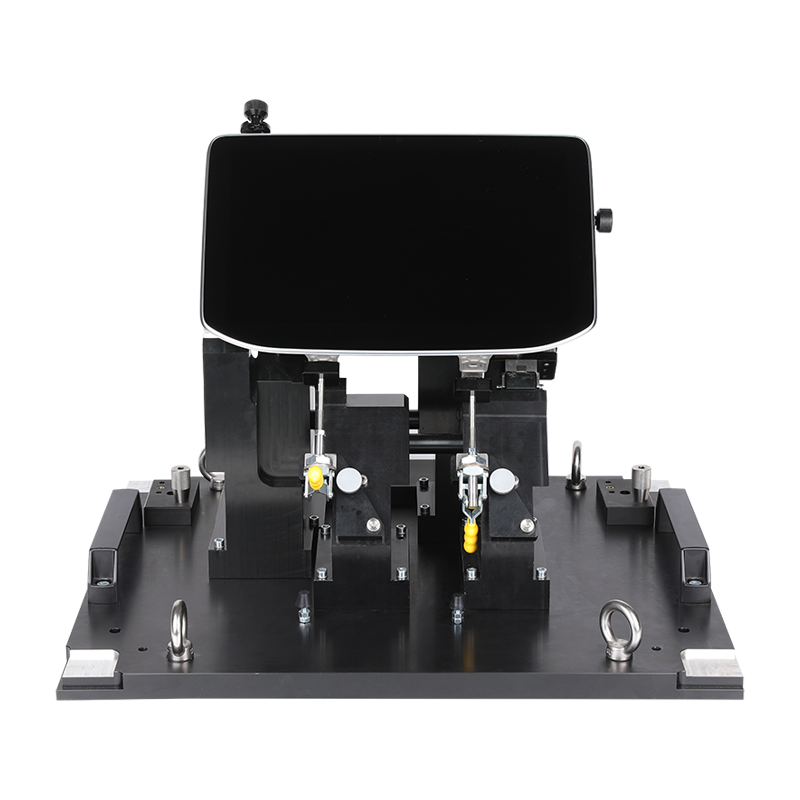 Design Manufacturing and Assembly of Special Customized Custom Electrical Cabinet
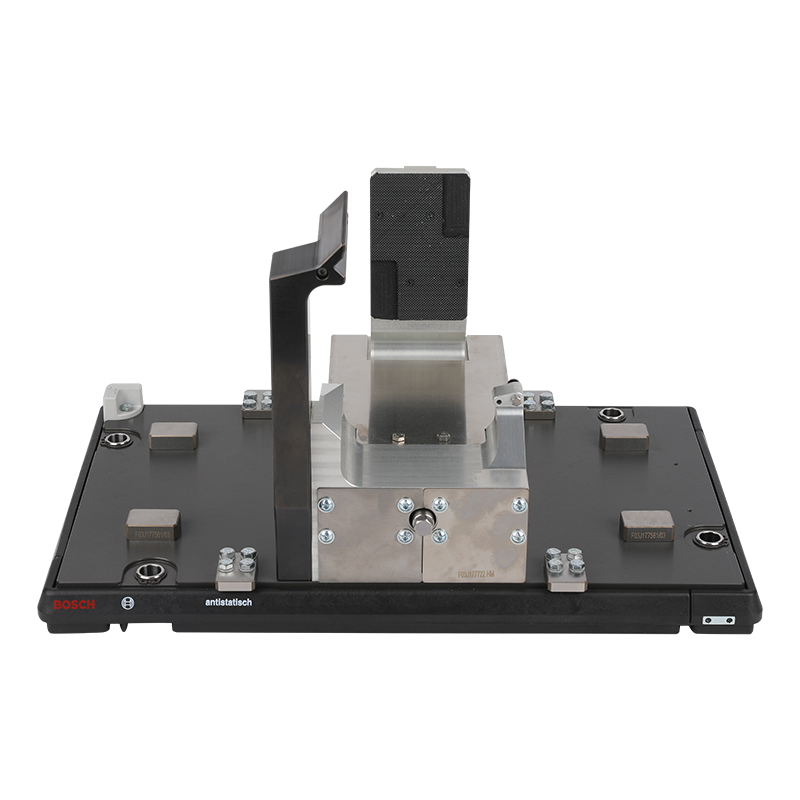 Industrial Robot Automatic Production Line Design Manufacture and Assembly
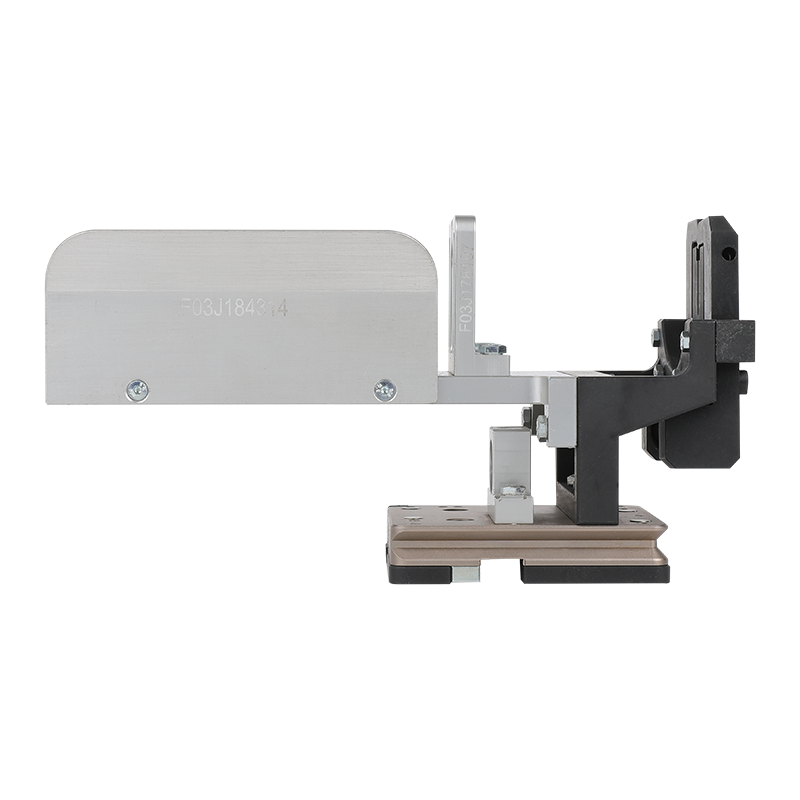 Customized Design Automation Equipment

+86-18118122885

+86-512-66233336

joy.qian@szhengmai.com

No. 8, Guangdian Road, Guangfu Town, Wuzhong District, Suzhou, Jiangsu, China.
Copyright © 2023 Suzhou Heimat Precision Machinery Co., Ltd. All Rights Reserved.Custom CNC Parts Processing Manufacturers

|
