 English
 русский
News
Home / News / Industry News / Why has CNC parts machining become a core technology in multiple industries?

 English
 Search
Suzhou Heimat Precision Machinery Co., Ltd.
+86-18118122885
joy.qian@szhengmai.com
In modern manufacturing, CNC (Computer Numerical Control) technology has become a crucial tool for improving production efficiency and precision. CNC parts machining not only achieves high-precision and high-efficiency production requirements but also provides highly customized parts for various industries. These parts are widely used in mechanical equipment, aerospace, automotive, medical, electronics, and many other fields, playing a vital role in these sectors.
The core of CNC parts machining lies in using a computer numerical control system to control the movement of the machine tool, thereby achieving precise machining of the workpiece. This process typically involves placing the workpiece on a CNC machine tool and precisely controlling the tool's movement path through CNC system instructions, allowing the machining process to be completed efficiently and accurately. CNC machining technology can include various processes such as turning, milling, grinding, and drilling, with the appropriate machining method selected based on the material and requirements of different parts.
Compared with traditional manual machining, CNC technology can complete more complex machining tasks in a shorter time and is less susceptible to human error, thus greatly improving the machining accuracy and consistency of parts.
One of the biggest advantages of CNC parts machining is its high precision. Through precise computer control, CNC machine tools can perform machining at the micron level. This is especially important for parts requiring strict tolerances and complex geometric shapes. In industries with high precision requirements, such as aerospace and medical equipment, CNC machining technology is widely used and is crucial for ensuring product quality.
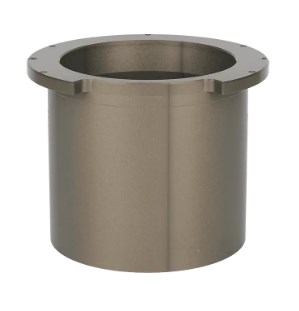
Due to the high level of automation of CNC machining tools, manual intervention in the manufacturing process is greatly reduced. The CNC system can automatically complete machining tasks according to pre-set programs, greatly improving production efficiency. Especially in mass production, CNC machine tools can perform continuous machining, saving a significant amount of time and labor.
Traditional machining methods often struggle with complex parts. However, CNC machining technology can achieve the machining of complex shapes and details through precise control of the CNC program, such as internal hole machining, bevel machining, and machining of irregular curves. Therefore, CNC parts machining can meet the needs of most industries for complex parts, even those that cannot be completed with traditional machining methods.
CNC machining technology not only guarantees high-precision and high-efficiency processing but also offers high flexibility. Based on the needs of different customers, manufacturers can conduct customized production, ensuring that the dimensions, shapes, and materials of the parts fully meet the requirements. Whether it's small-batch production or single-piece customization, CNC machining provides quick response and flexible adjustments, helping companies quickly adapt to market changes.
CNC parts are widely used in various industries. The following are some typical application areas:
In the aerospace field, the high precision and complex shape processing capabilities of CNC parts are crucial. Aircraft engines and fuselage components all require precise CNC machining. Especially in engine parts, airframe frames, and aviation instruments, CNC machining ensures high reliability and safety of the products.
CNC parts processing is also widely used in automotive manufacturing. From engine components to body parts, CNC machining technology ensures the precision and quality of each part. Especially in high-performance cars, luxury cars, and smart cars, the quality requirements for parts are extremely high, and CNC machining is undoubtedly an important means to ensure these standards.
In the field of medical equipment, the application of CNC parts is also becoming increasingly widespread. Many medical devices, such as surgical instruments, dental equipment, and imaging equipment, need to be manufactured through CNC machining. Medical devices require very high precision, so CNC technology helps manufacturers achieve finer processing, ensuring that every piece of medical equipment meets strict quality standards.
CNC parts are also very important in electronic products, especially in mobile phones, computers, and communication equipment. The casings, frames, and internal structural parts of electronic devices often require high precision, and CNC machining can meet these needs. In addition, CNC machining can also produce precision connectors, sockets, and other electronic components.
The selection of materials for CNC parts is crucial, as different application scenarios require different materials. Common CNC machining materials include metals (such as aluminum, steel, stainless steel, titanium alloys, etc.), plastics, and composite materials. Each material has different characteristics, and choosing the appropriate material can reduce production costs while ensuring part performance.
Metal materials are the most common materials in CNC machining, especially aluminum alloys, stainless steel, and copper. These materials are widely used in industries such as aerospace, automotive, and medical equipment. The selection of metal materials is usually determined by the strength requirements, corrosion resistance, and working environment of the part.
Plastic materials also play an important role in CNC machining, especially in consumer electronics and home appliances. Commonly used plastic materials include ABS, polycarbonate, and nylon. Plastic materials typically have lower weight and good corrosion resistance, but their strength and high-temperature resistance are not as good as metal materials.
The application of composite materials is becoming increasingly widespread, especially in areas requiring high strength and lightweight properties, such as aerospace and automotive manufacturing. Composite materials typically combine the advantages of different materials, such as carbon fiber and glass fiber, to provide better performance and lower weight.
The main advantages of CNC machining include high precision, high efficiency, the ability to process complex shapes, and highly customized production capabilities.
Yes, CNC machining technology is very suitable for small-batch production. Its flexibility makes small-batch production efficient and cost-effective.
Choosing the right material requires considering factors such as the part's operating environment, strength requirements, and corrosion resistance. Common materials include metals, plastics, and composite materials.
CNC machining accuracy is guaranteed through high-precision machine tools, advanced CNC systems, and strict quality control processes. During the machining process, precise control of the machine tool and tools ensures high consistency in part dimensions and shape.
If you have any questions, please fill out the contact form at the bottom of the page and contact us.
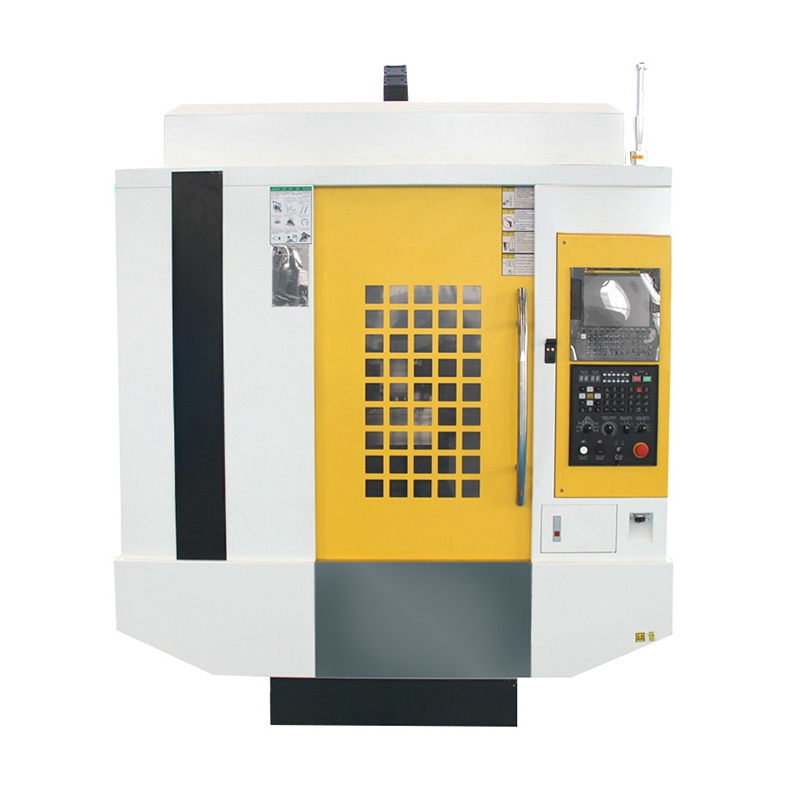 CNC Drilling and Tapping Machin
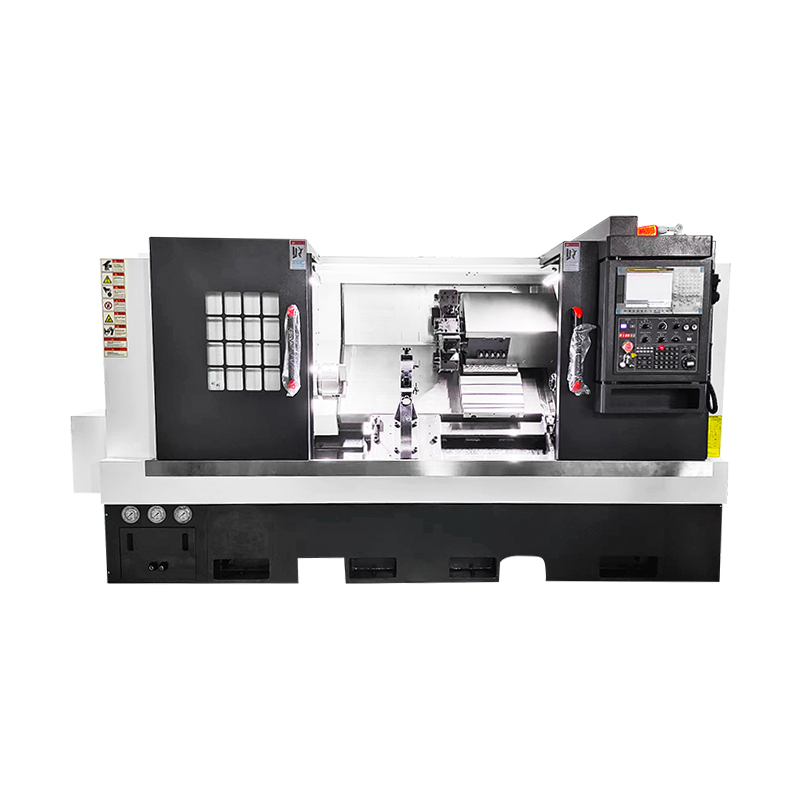 CNC Lathe Machine
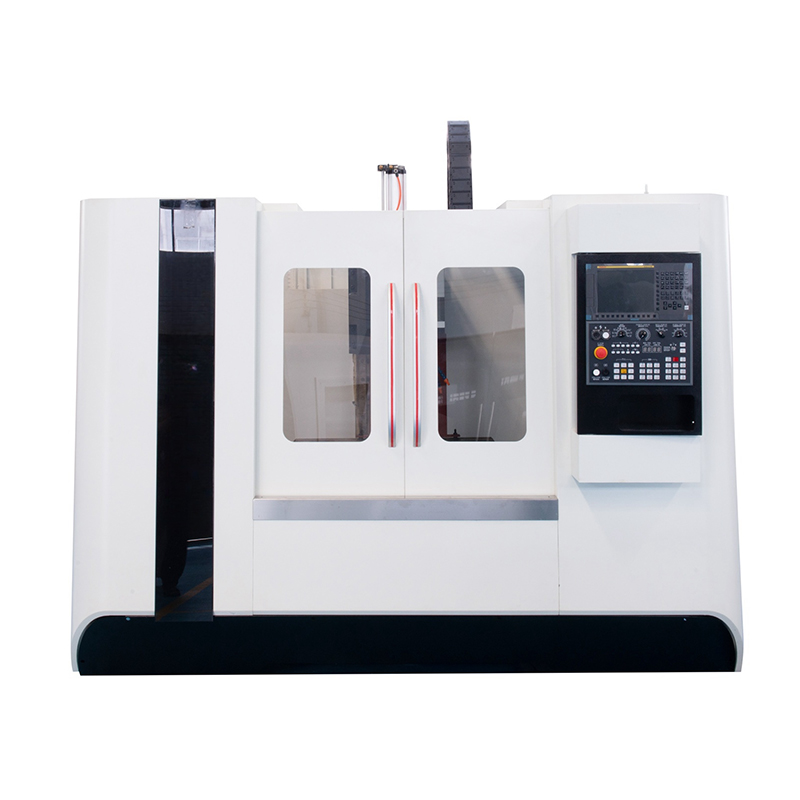 CNC Machine
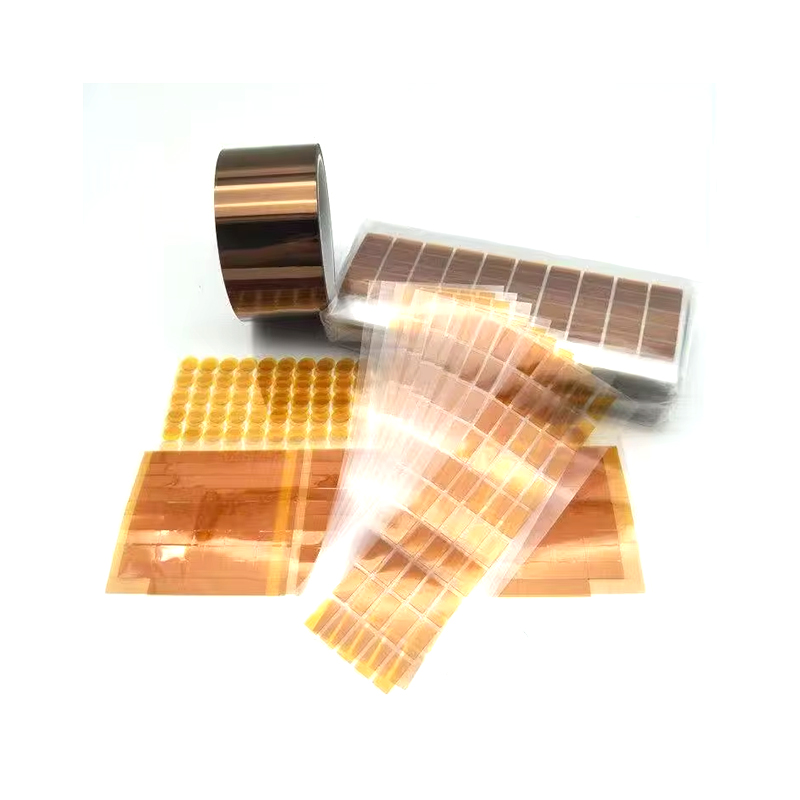 Cutomized Die-Cutting Products for Electronics Industry
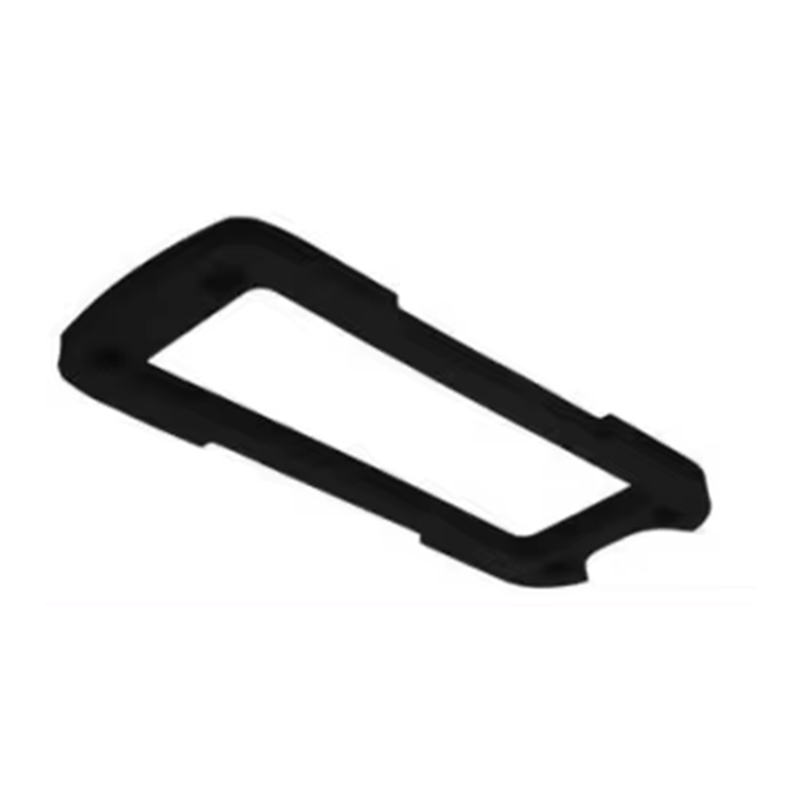 New Energy Automation Die Cutting Products
 Customeized Die-Cut Products in Package Industry
 Bespoke Touch Screen for Gaming and Entertainment Devices
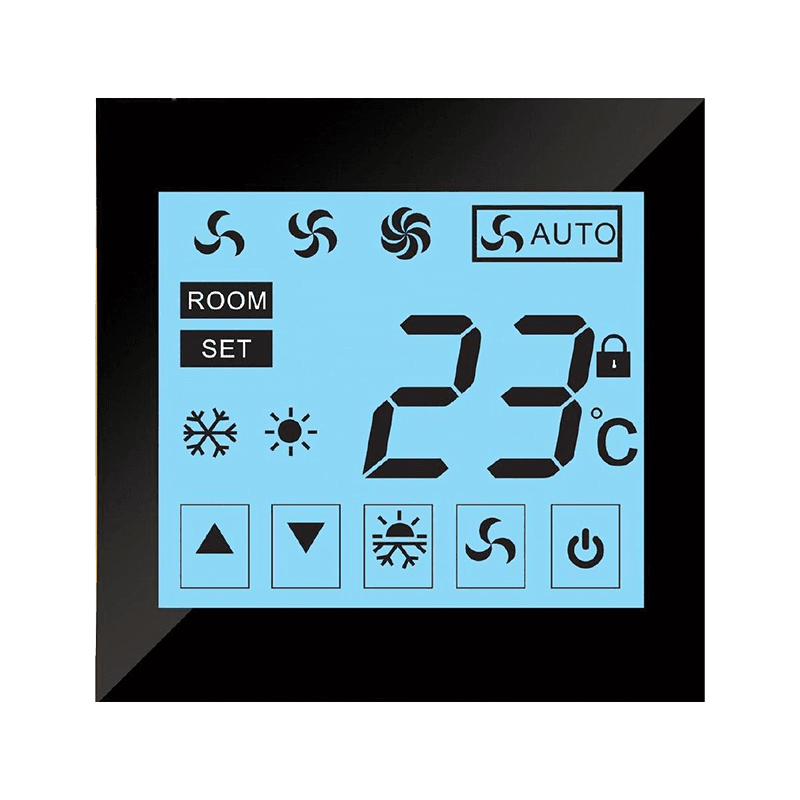 Custom Touch Screen in Smart Home Industry
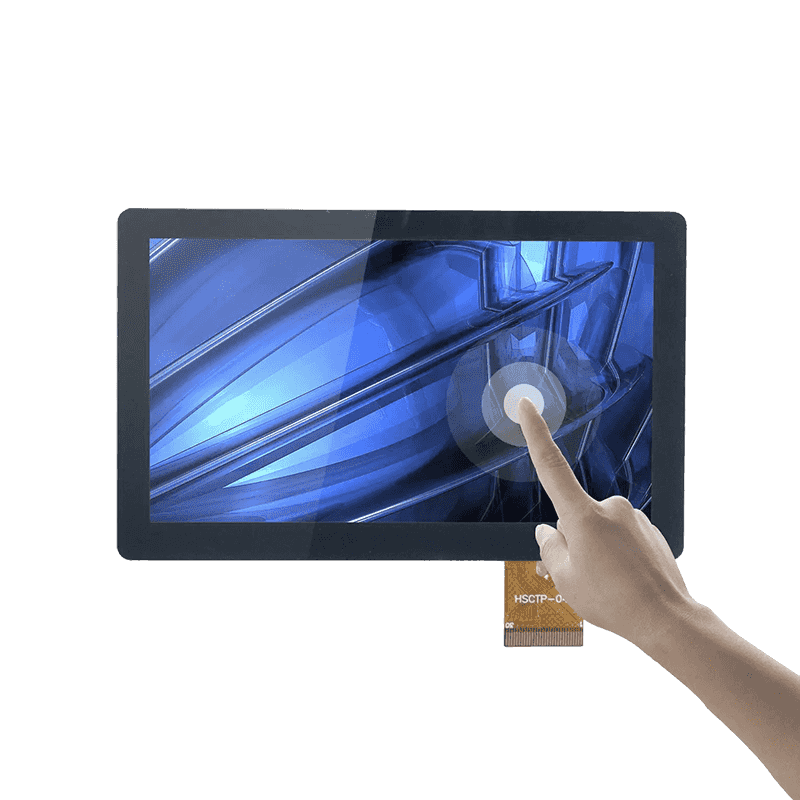 Customized Personalized Touch Panel Screen
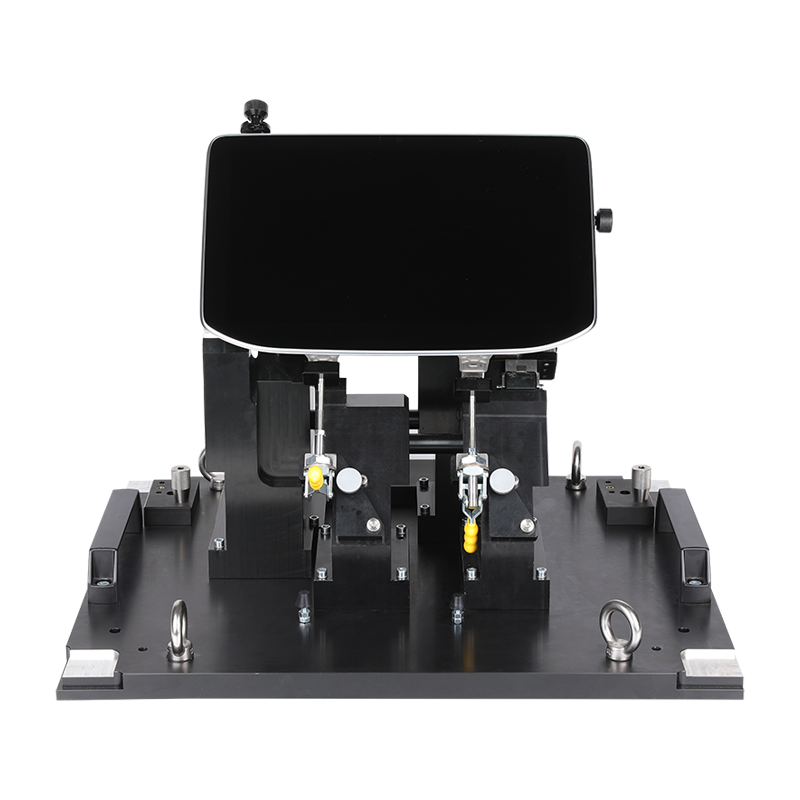 Design Manufacturing and Assembly of Special Customized Custom Electrical Cabinet
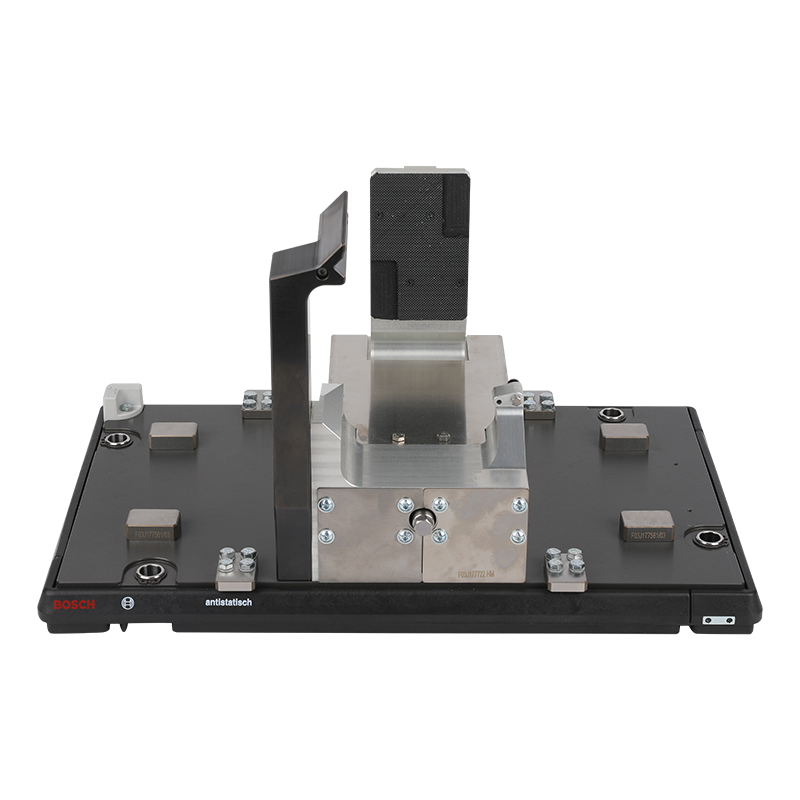 Industrial Robot Automatic Production Line Design Manufacture and Assembly
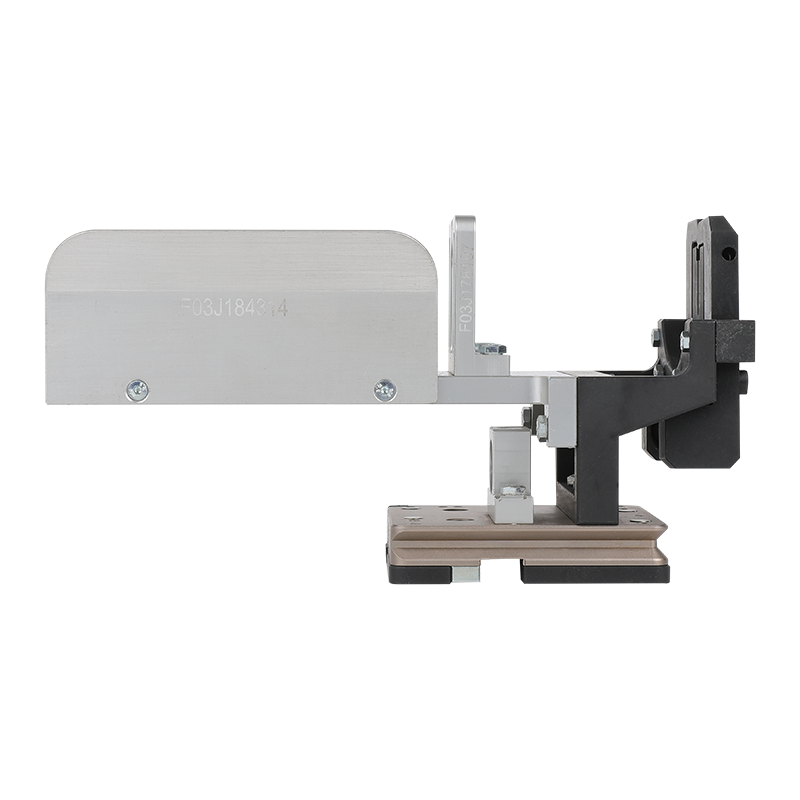 Customized Design Automation Equipment

+86-18118122885

+86-512-66233336

joy.qian@szhengmai.com

No. 8, Guangdian Road, Guangfu Town, Wuzhong District, Suzhou, Jiangsu, China.
Copyright © 2023 Suzhou Heimat Precision Machinery Co., Ltd. All Rights Reserved.Custom CNC Parts Processing Manufacturers

|
 Previous