 English
 русский
News
Home / News / Industry News / What changes can High Precision CNC Machining Parts bring to product performance?

 English
 Search
Suzhou Heimat Precision Machinery Co., Ltd.
+86-18118122885
joy.qian@szhengmai.com
In modern manufacturing systems, High Precision CNC Machining Parts have become an indispensable basic component of high-end industrial products. Whether for applications requiring extremely high precision, stability, or consistency, high-precision CNC machined parts directly determine the upper limit of overall machine performance. With the continuous improvement of processing technology and equipment capabilities, the market's focus on high-precision CNC machined parts is gradually shifting from "whether it can be processed" to "whether the processing quality is sufficiently stable and reliable."
The core of High Precision CNC Machining Parts lies in "high precision" and "repeatability." This precision is reflected not only in dimensional control but also in comprehensive dimensions such as geometric tolerances, surface quality, and assembly fit. High-precision CNC machined parts usually need to maintain rigorous geometric relationships under complex structures, placing higher demands on thermal deformation, stress release, and tool path control during the machining process.
From the product perspective, high-precision CNC machined parts often have the characteristics of compact structure and high functional integration. This means that the machining process must be completed in one or very few clamping operations, thus avoiding the accumulation of errors. This requirement for overall processing consistency is difficult to achieve stably over the long term with ordinary processing methods.
The machining precision of High Precision CNC Machining Parts directly determines the performance of the parts in actual use. High precision brings not only dimensional accuracy but, more importantly, smoothness, durability, and reliability during operation. Insufficient precision often leads to abnormal wear, vibration, or functional degradation after assembly, while high-precision CNC machining can effectively reduce these potential risks.
At the product level, high-precision CNC machined parts usually have better surface integrity. Microscopic control of tool marks and material structure stability ensure that the parts remain stable during long-term use. This quality foundation, established from the manufacturing stage, is an important factor that distinguishes high-end products from ordinary products.
High Precision CNC Machining Parts usually use engineering materials with high performance requirements. The differences in the behavior of different materials during the cutting process directly affect the final machining results. The hardness, toughness, and thermal conductivity of the material all place more stringent matching requirements on tool selection, processing parameters, and cooling methods.
From a structural perspective, high-precision CNC machined parts often feature thin walls, deep cavities, or complex curved surfaces. These features are highly susceptible to deformation or vibration during the machining process. Only through meticulous machining path planning and stable equipment control can the parts maintain their design accuracy despite their complex structures.
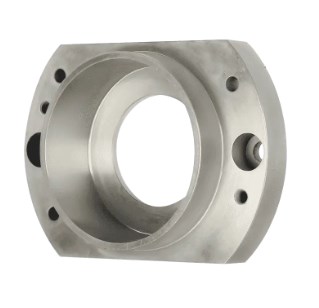
In high-precision CNC machined parts, surface quality is not merely an aesthetic requirement, but a crucial component of functional performance. Excellent surface finish significantly improves the assembly fit of the parts, reduces friction and stress concentration, and contributes to the overall durability of the product.
Continuous control of cutting parameters and tool condition during the high-precision CNC machining process is key to achieving high-quality surfaces. Through reasonable machining strategies, it is possible to maintain a uniform and fine machining texture on the part surface while ensuring dimensional accuracy, thus meeting the demanding quality requirements of high-end applications.
The value of high-precision CNC machined parts lies not only in the quality of individual pieces but also in the consistent stability of batch manufacturing. Stable manufacturing capabilities mean that every part maintains the same level of precision, which is crucial for subsequent assembly and overall performance.
From a product perspective, stability is the most compelling quality indicator of high-precision CNC machined parts. Parts that can maintain consistent machining results over time, regardless of complex structures or high-precision fitting requirements, are more likely to gain market and customer trust.
The core advantages lie in their extremely high dimensional consistency, structural accuracy, and surface quality, ensuring long-term stable operation of parts in complex application environments.
High-precision machining significantly improves product assembly accuracy, operational stability, and service life, forming an important foundation for high-quality products.
Because any minor machining fluctuations will be amplified in the final product, only strict control of the machining process can ensure that the parts achieve the expected performance.
Yes, it is very important. Good surface quality not only improves appearance but also directly affects the functional performance and long-term reliability of the parts.
If you have any questions, please fill out the contact form at the bottom of the page and contact us.
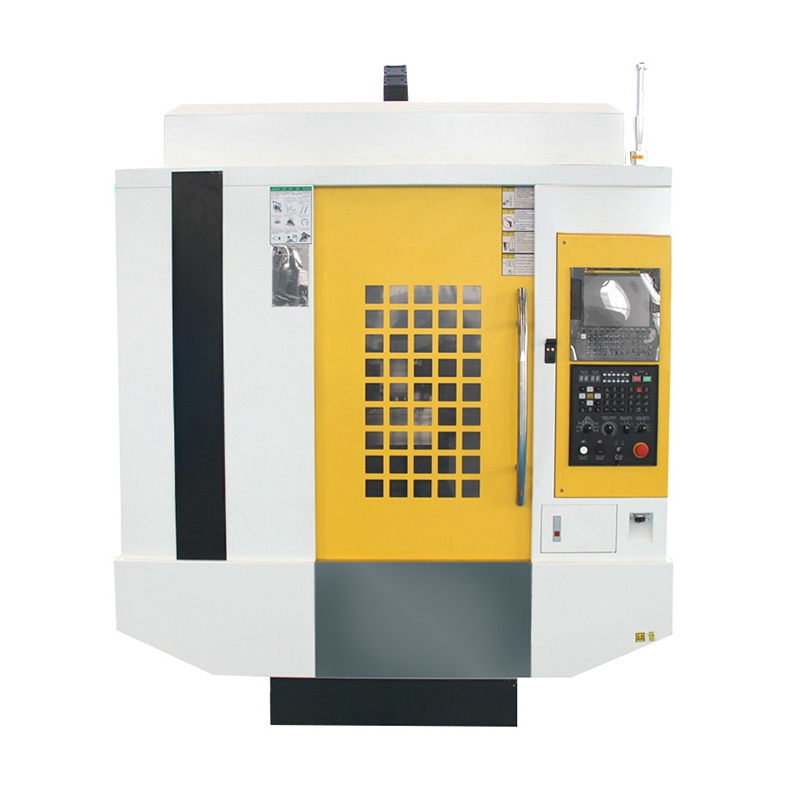 CNC Drilling and Tapping Machin
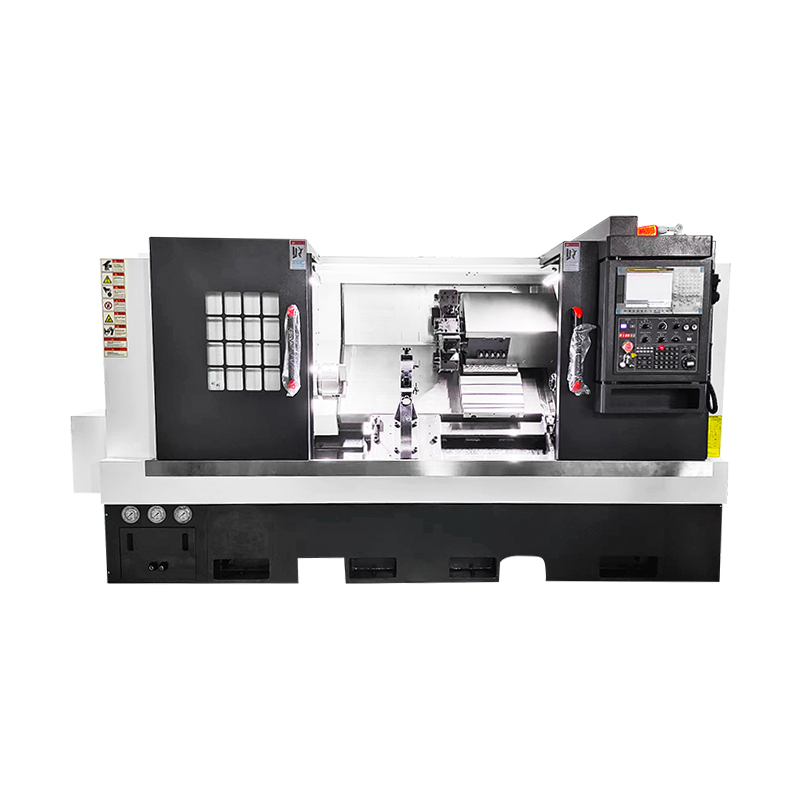 CNC Lathe Machine
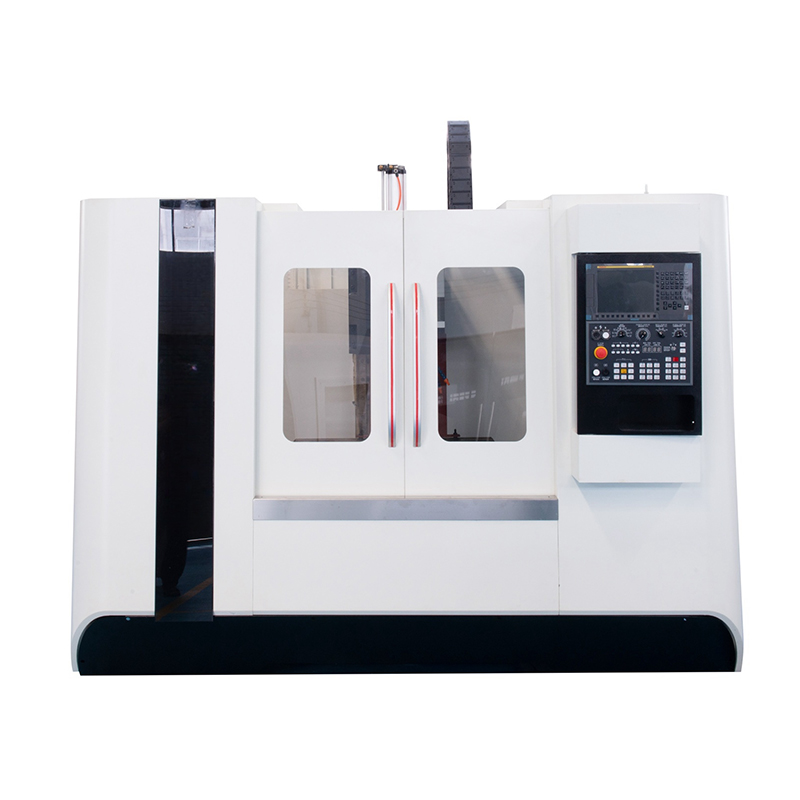 CNC Machine
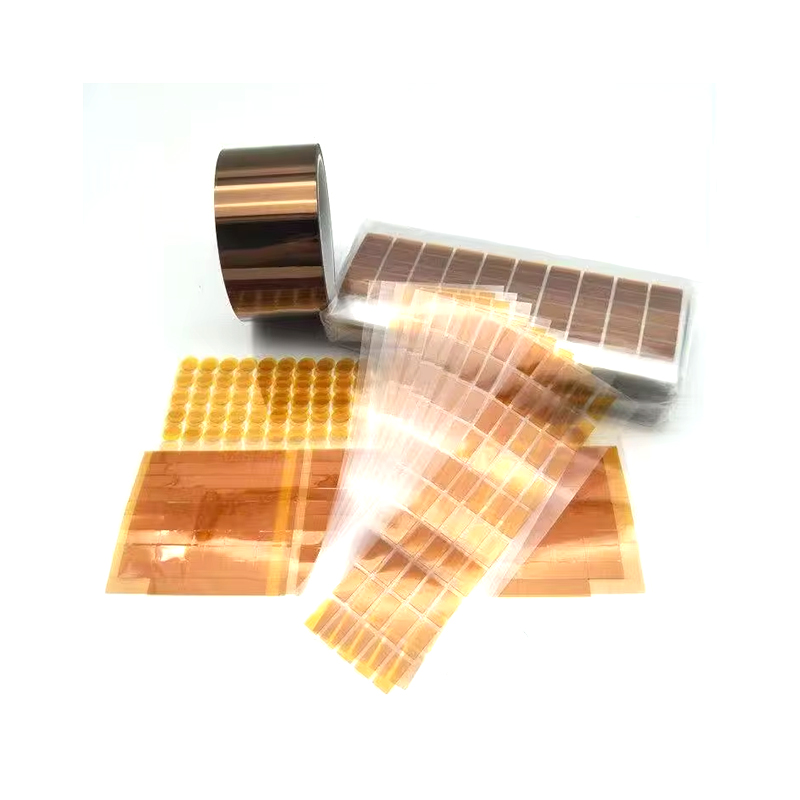 Cutomized Die-Cutting Products for Electronics Industry
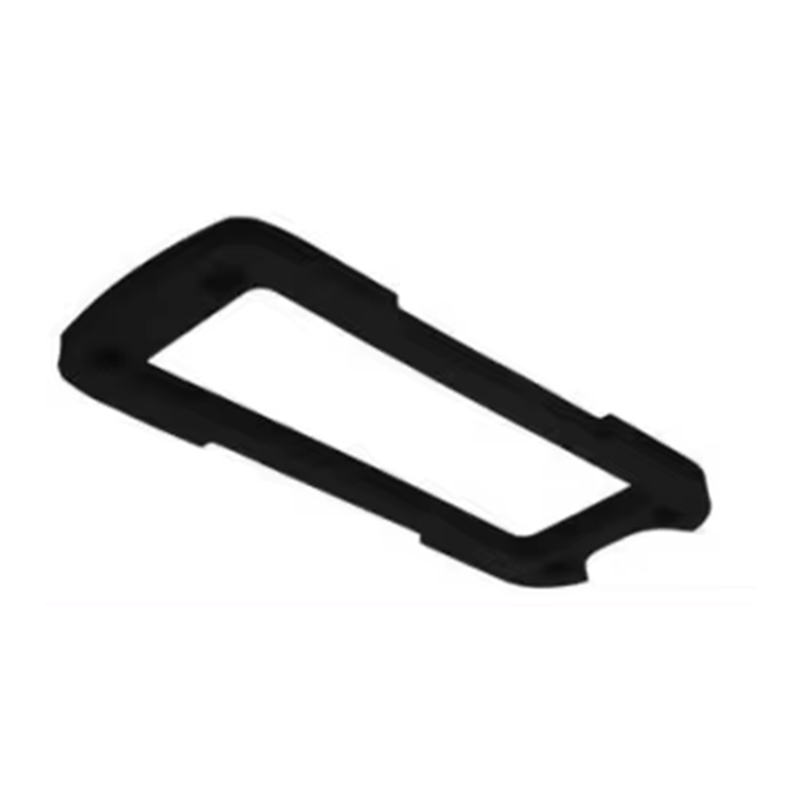 New Energy Automation Die Cutting Products
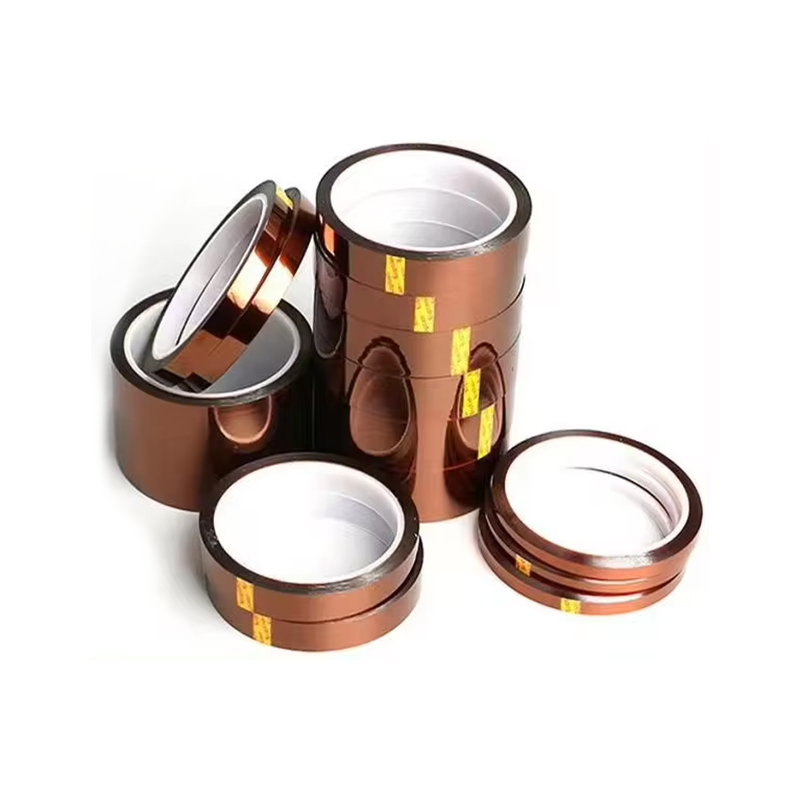 Customeized Die-Cut Products in Package Industry
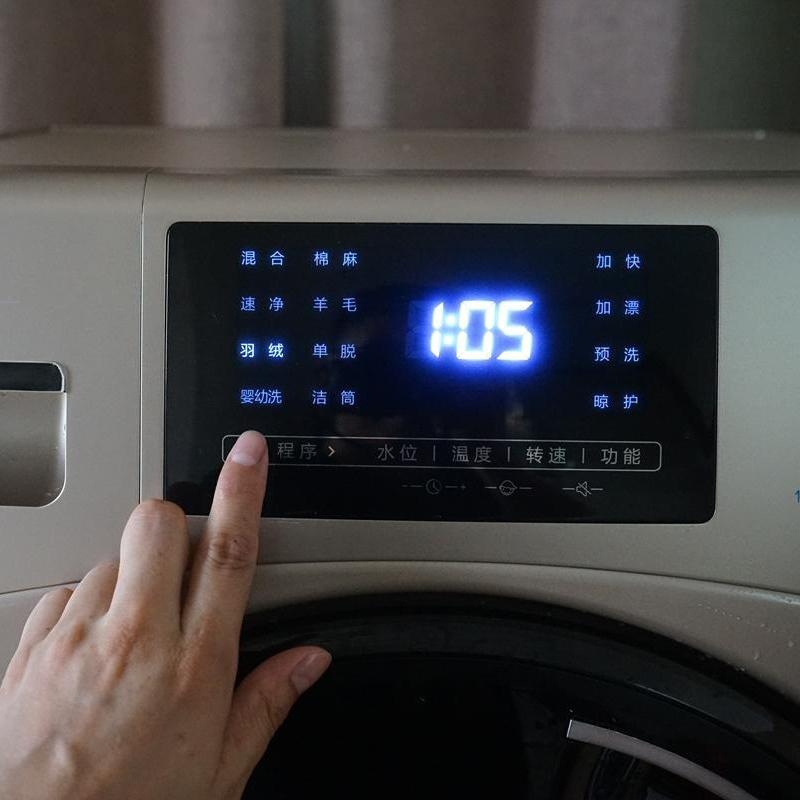 Bespoke Touch Screen for Gaming and Entertainment Devices
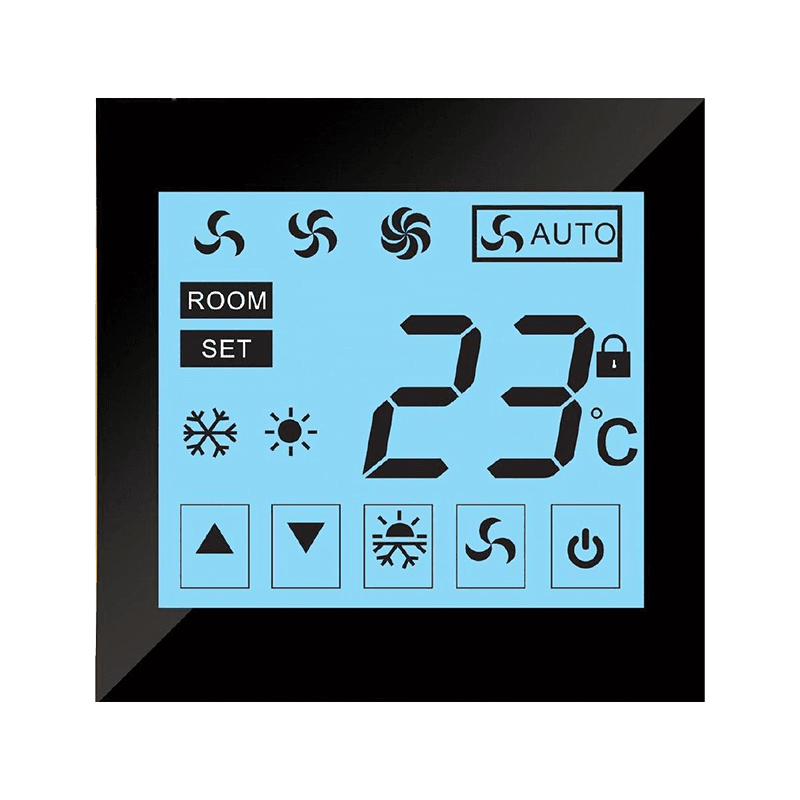 Custom Touch Screen in Smart Home Industry
 Customized Personalized Touch Panel Screen
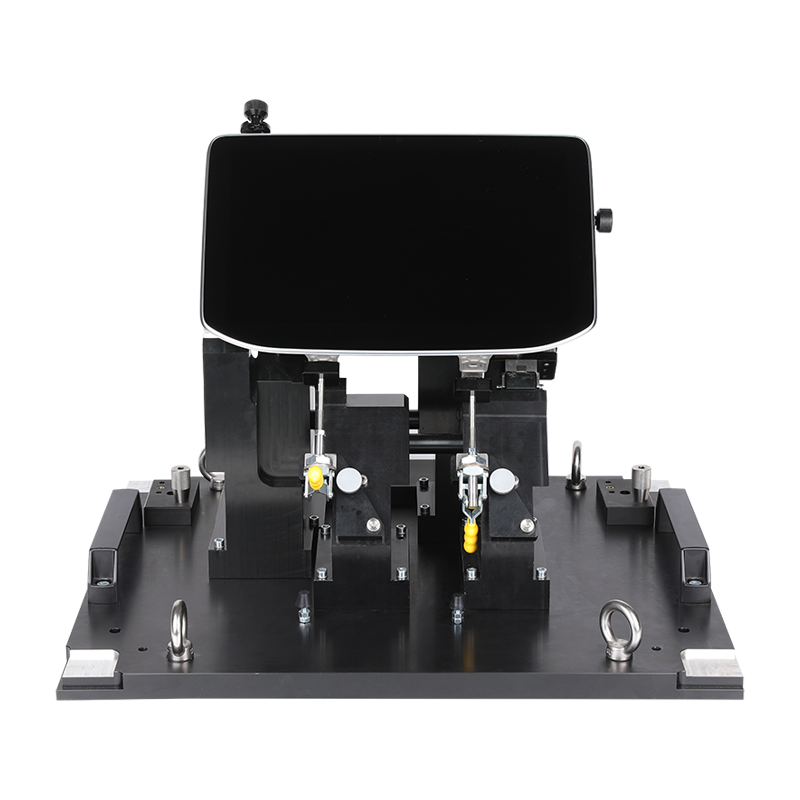 Design Manufacturing and Assembly of Special Customized Custom Electrical Cabinet
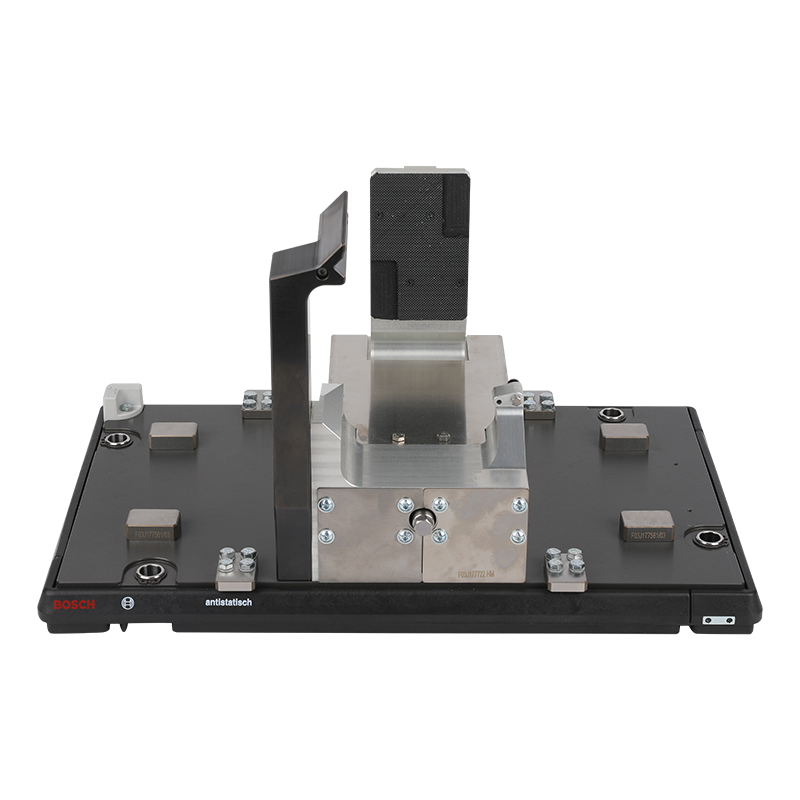 Industrial Robot Automatic Production Line Design Manufacture and Assembly
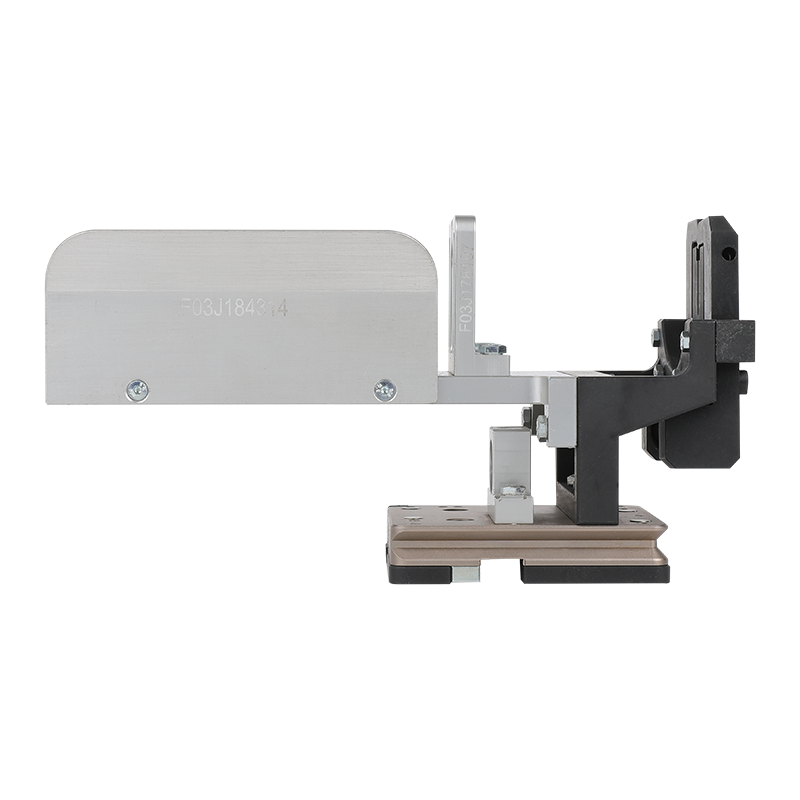 Customized Design Automation Equipment

+86-18118122885

+86-512-66233336

joy.qian@szhengmai.com

No. 8, Guangdian Road, Guangfu Town, Wuzhong District, Suzhou, Jiangsu, China.
Copyright © 2023 Suzhou Heimat Precision Machinery Co., Ltd. All Rights Reserved.Custom CNC Parts Processing Manufacturers

|
 Previous