 English
 русский
News
Home / News / Industry News / How does Precision Sheet Metal Fabrication differ from traditional processing methods?

 English
 Search
Suzhou Heimat Precision Machinery Co., Ltd.
+86-18118122885
joy.qian@szhengmai.com
In modern manufacturing, Precision Sheet Metal Fabrication is a fundamental and critical technology widely used in various industries, including electronics, automotive, aerospace, and telecommunications. With continuous technological advancements, precision sheet metal fabrication has not only improved product accuracy and appearance quality but also significantly increased production efficiency.
Precision sheet metal fabrication refers to the process of transforming metal sheets into precise components through various processing techniques. Its core characteristic is the strict control over the dimensions, shape, and surface quality of the metal sheets. Common processing methods include laser cutting, CNC punching, bending, welding, and surface treatment. Compared to traditional sheet metal processing, precision sheet metal fabrication focuses more on detail and accuracy, enabling the production of high-precision products with extremely small tolerances, smooth surfaces, and complex shapes.
The greatest advantage of precision sheet metal fabrication is its high precision. Through advanced CNC equipment and laser cutting technology, it can achieve extremely fine cutting and shaping of metal sheets. These technologies can achieve processing accuracy at the micron level, ensuring that products meet strict dimensional tolerance requirements. This makes precision sheet metal fabrication an ideal choice for high-precision industries such as aerospace and communication equipment.
Traditional sheet metal processing may require multiple steps and considerable time to handle complex shapes, while precision sheet metal fabrication can integrate multiple processes directly on one machine using advanced equipment and processes. For example, CNC laser cutting can directly cut complex geometric shapes according to CAD drawings, reducing manual operation and processing errors, and shortening the production cycle.
Precision sheet metal fabrication typically uses non-contact processing methods such as laser cutting or waterjet cutting. These methods minimize deformation and scratches on the metal sheets, improving the smoothness and aesthetics of the processed surface. For some demanding applications, such as electronic product casings and medical devices, surface quality requirements are particularly stringent, and precision sheet metal fabrication can meet these needs.
In precision sheet metal fabrication, highly automated CNC equipment and robotic systems can significantly improve production efficiency. Laser cutting, bending, stamping, and other processes can be highly automated on a single production line, reducing manual intervention and improving production stability and consistency. Compared with traditional manual processing methods, precision sheet metal processing not only shortens delivery times but also increases production capacity.
Precision sheet metal processing applications cover almost all manufacturing fields that require high precision and high quality.
In the electronics industry, precision sheet metal processing is mainly used to manufacture various electronic product casings, frames, and internal components. As electronic products continue to develop towards miniaturization and thinness, precision sheet metal processing ensures the high precision and complex shape requirements of these components. Whether it's mobile phones, laptops, or home appliances, precision sheet metal processing technology can provide perfect solutions.
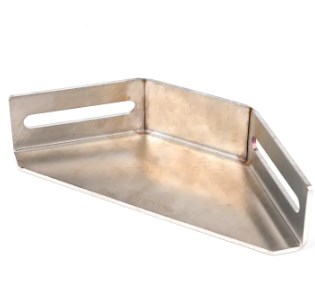
The aerospace industry has extremely strict requirements for the precision, strength, and reliability of components. Precision sheet metal processing, through high-precision processing techniques, can produce complex components that meet aerospace standards. These components usually need to withstand extreme temperature changes and high-pressure environments, and precision sheet metal processing ensures their reliability under these harsh conditions.
The medical industry has very high standards for the precision and safety of equipment. Precision sheet metal processing plays an important role in manufacturing the casings, brackets, and other components of medical devices and equipment. Through precise processing techniques, sheet metal components can ensure structural stability and aesthetic appearance without affecting equipment performance.
Sheet metal processing in the automotive industry is mainly applied to the manufacturing of car bodies and frames. As automotive manufacturing develops towards high precision and high complexity, precision sheet metal processing technology has also been widely used. Through precise cutting and forming processes, the assembly accuracy and overall appearance of automotive parts can be greatly improved, reducing errors and defect rates in automobile production.
Precision sheet metal processing involves a variety of processes, including laser cutting, CNC bending, stamping, and welding.
Using a laser beam to heat the metal sheet to a molten or vaporized state, thereby achieving the cutting of the metal sheet. Laser cutting has the characteristics of high precision, smooth cuts, and minimal deformation, and is widely used in precision sheet metal processing.
This process uses CNC bending machines to bend metal sheets into the desired shapes. CNC bending machines can precisely control the bending angle and position, ensuring the processing accuracy of the product.
This involves shaping metal sheets through molds, and is a common mass production process. Stamping can quickly and efficiently produce a large number of standardized parts.
In precision sheet metal processing, welding technology is mainly used to connect multiple metal components into a single unit. Common welding methods include laser welding, TIG welding, and spot welding. These welding processes ensure the strength and appearance quality of the welds.
With its high precision, high efficiency, and broad application prospects, precision sheet metal processing has become an indispensable part of modern manufacturing. From electronic products to aerospace, from automotive manufacturing to medical equipment, precision sheet metal processing provides technical support and quality assurance for various industries. With continuous technological advancements and innovations, precision sheet metal processing will continue to play a vital role in manufacturing, driving further improvements in product quality and production efficiency.
Compared to traditional sheet metal processing, precision sheet metal processing focuses more on product accuracy and surface quality, employing more advanced processing technologies (such as laser cutting and CNC bending) to achieve higher processing accuracy and more complex shapes.
Common sheet metal materials include stainless steel, aluminum alloys, carbon steel, copper and its alloys, etc. Different materials have different processing characteristics and application scenarios.
When choosing a precision sheet metal processing service provider, in addition to considering price, you should also consider their technical capabilities, equipment level, and past production experience. The ability to provide customized services, ensure delivery times, and maintain quality control are also important factors to consider.
Quality control in precision sheet metal processing is usually achieved through strict equipment maintenance, process optimization, and inspection procedures. During the production process, high-precision processes such as CNC equipment and laser cutting are used to ensure that the processing accuracy meets the standard requirements. Finished products undergo multiple inspection procedures to ensure stable and reliable product quality.
If you have any questions, please fill out the contact form at the bottom of the page and contact us.
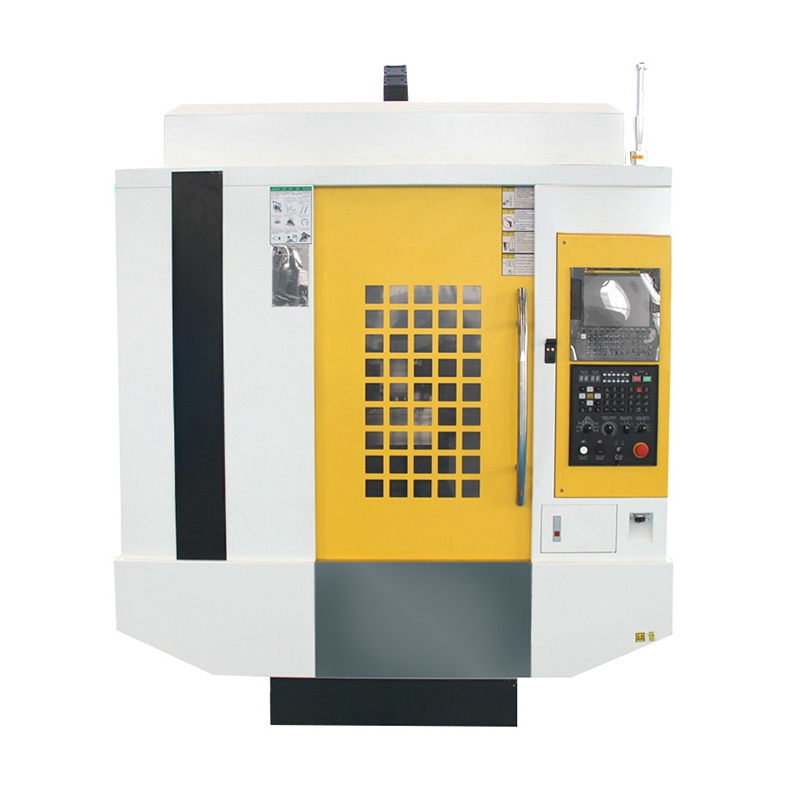 CNC Drilling and Tapping Machin
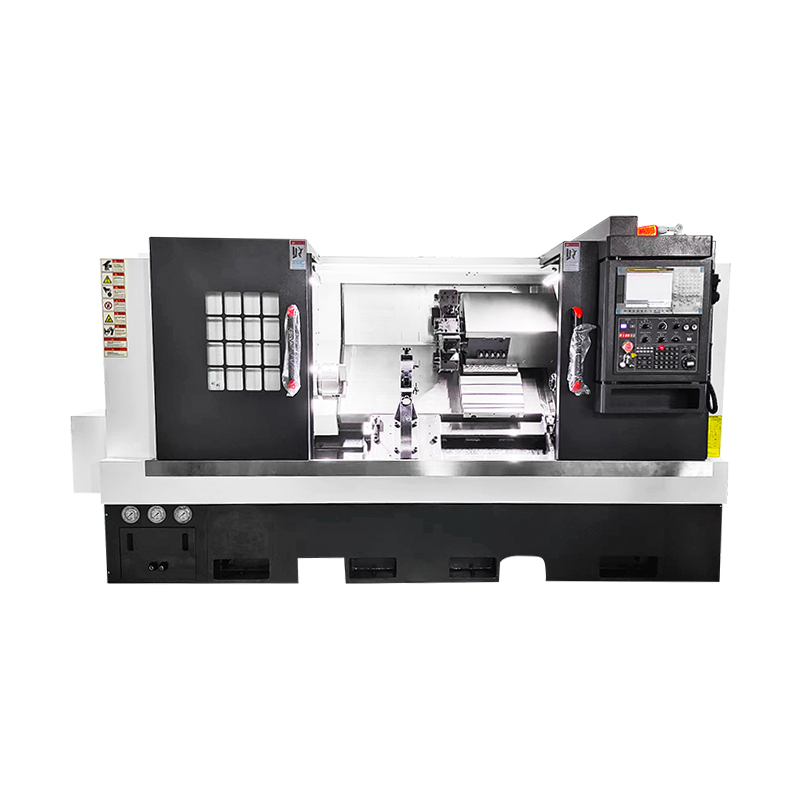 CNC Lathe Machine
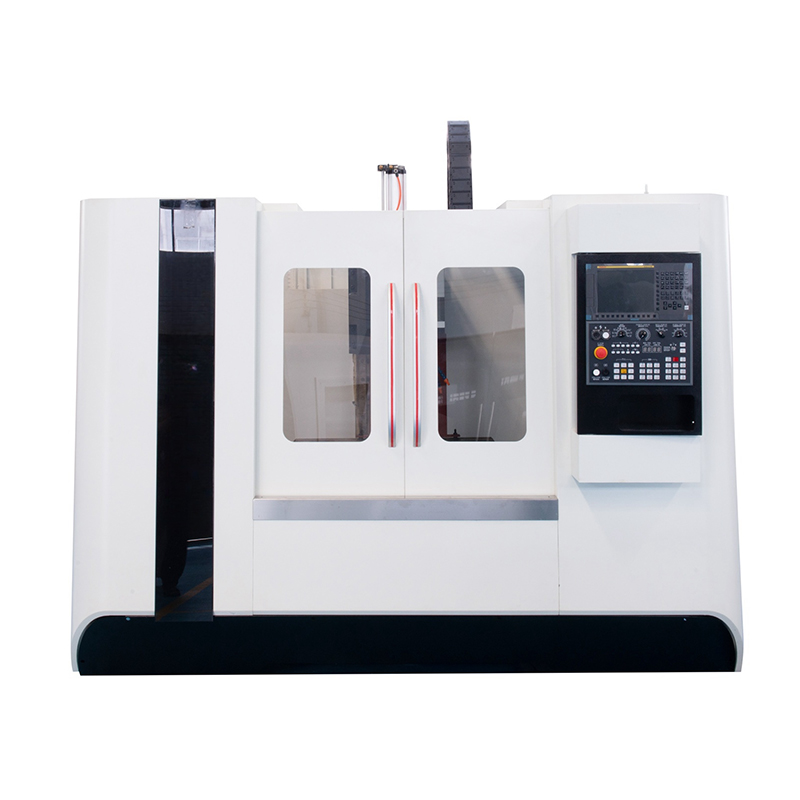 CNC Machine
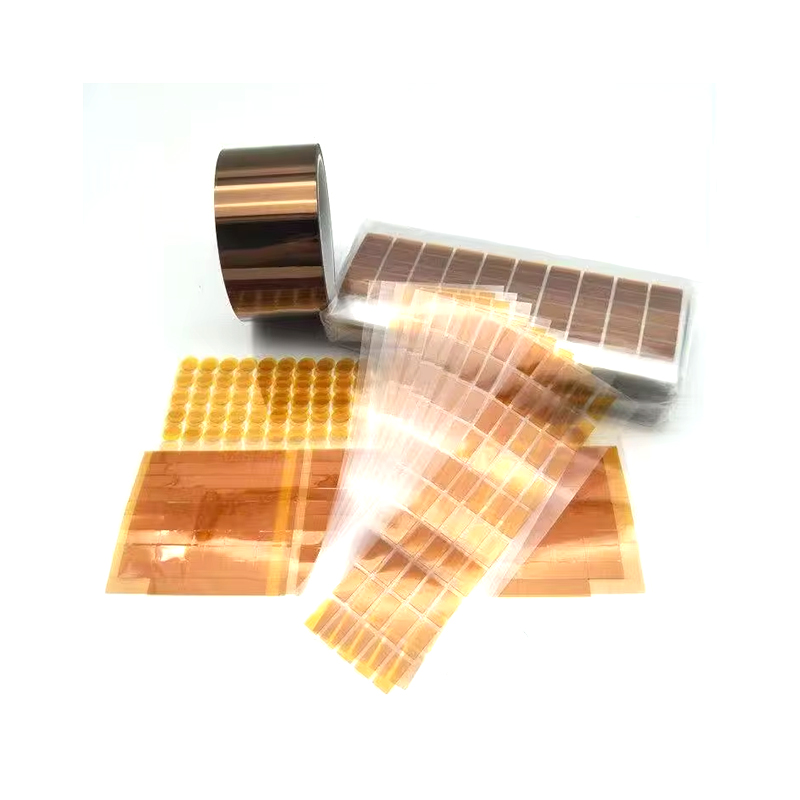 Cutomized Die-Cutting Products for Electronics Industry
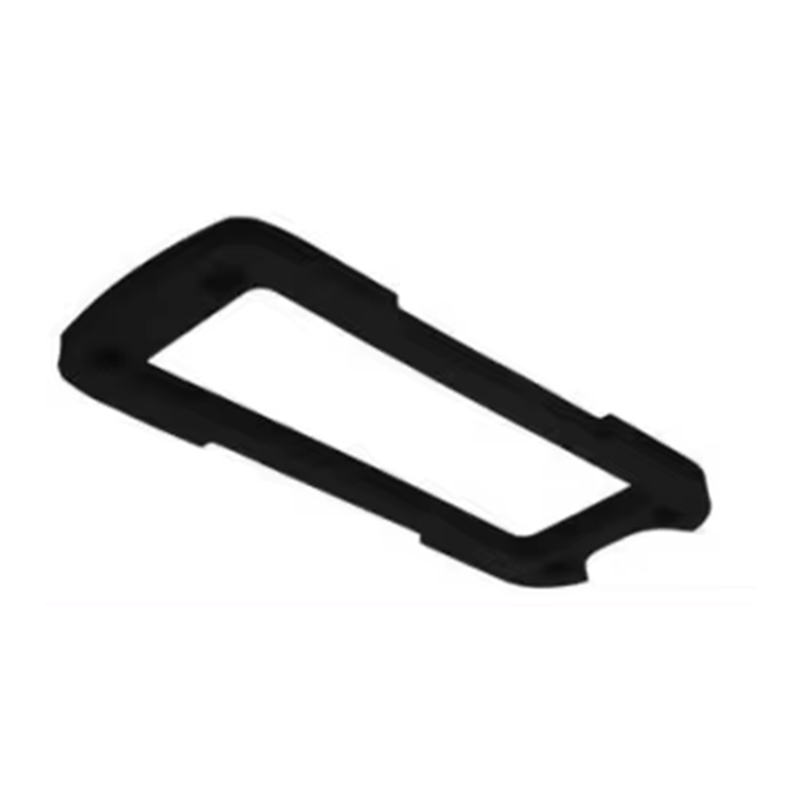 New Energy Automation Die Cutting Products
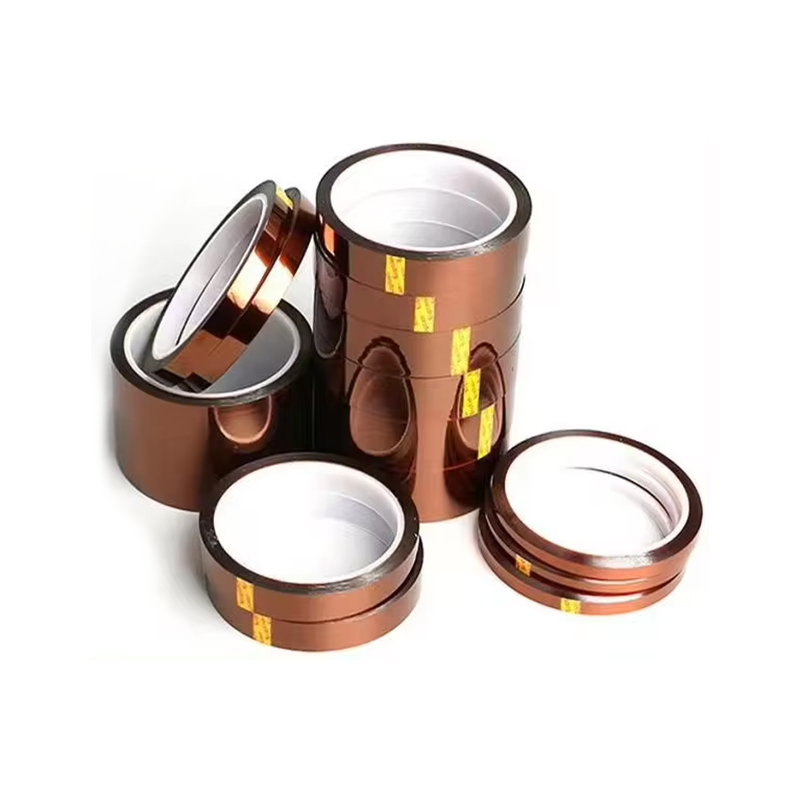 Customeized Die-Cut Products in Package Industry
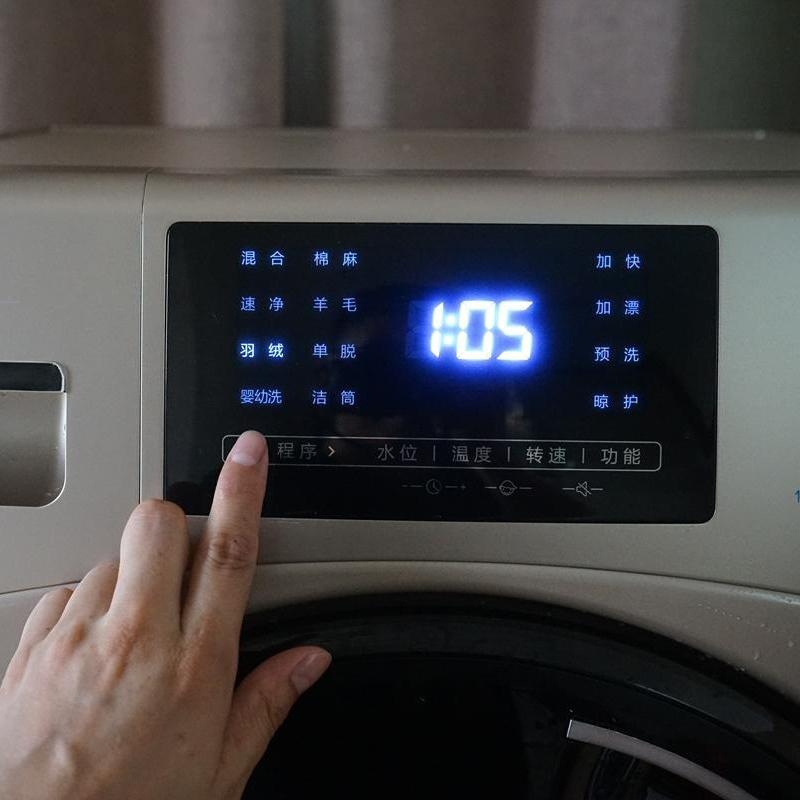 Bespoke Touch Screen for Gaming and Entertainment Devices
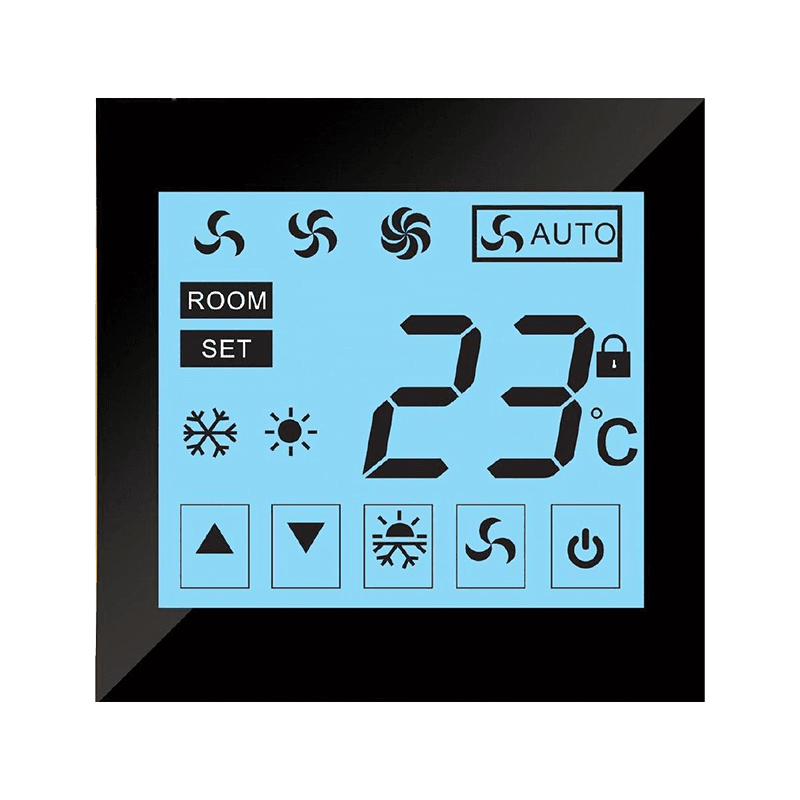 Custom Touch Screen in Smart Home Industry
 Customized Personalized Touch Panel Screen
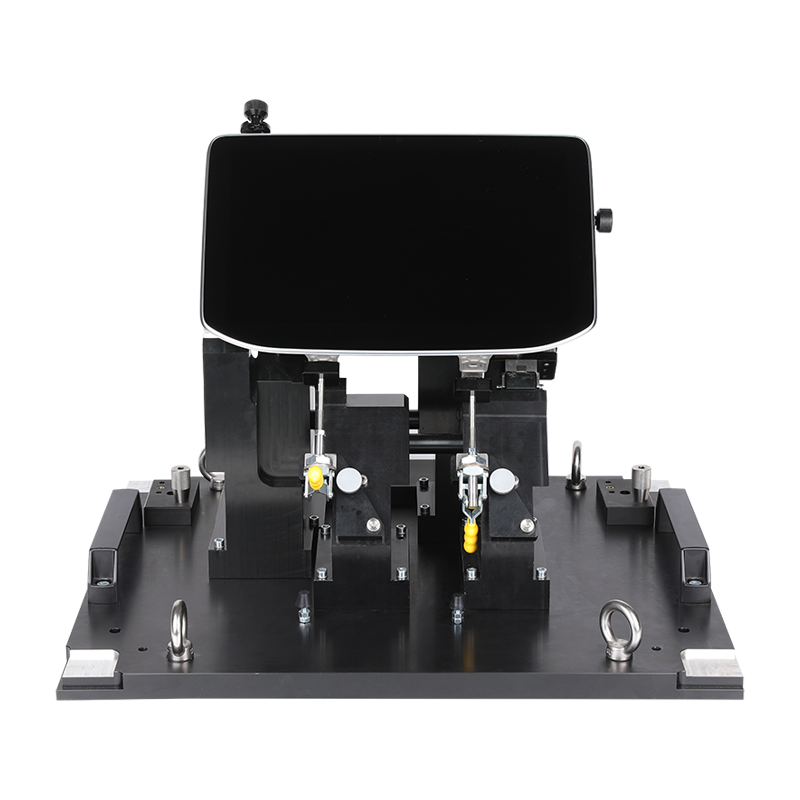 Design Manufacturing and Assembly of Special Customized Custom Electrical Cabinet
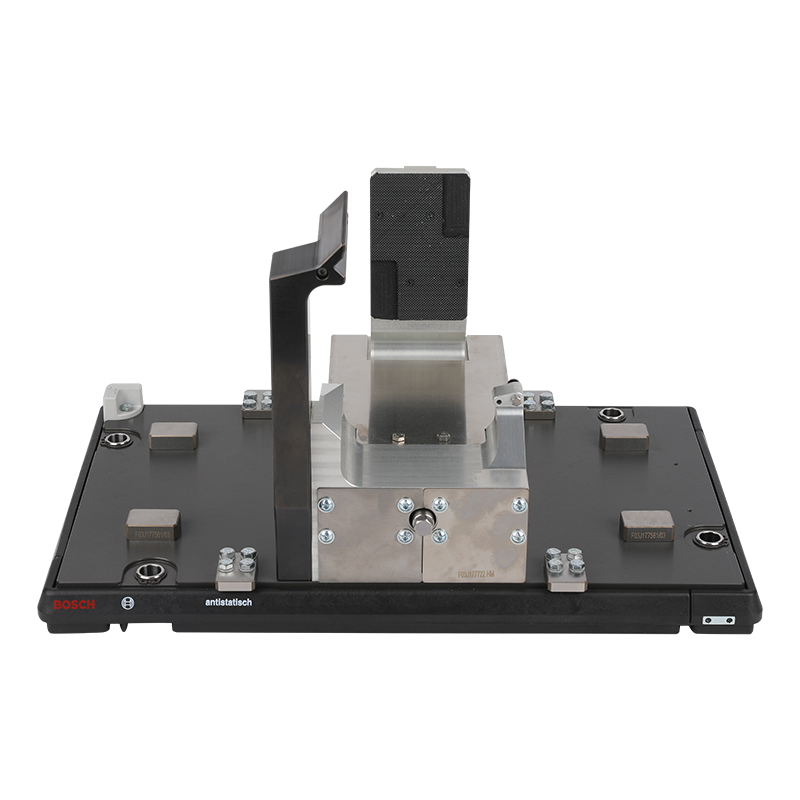 Industrial Robot Automatic Production Line Design Manufacture and Assembly
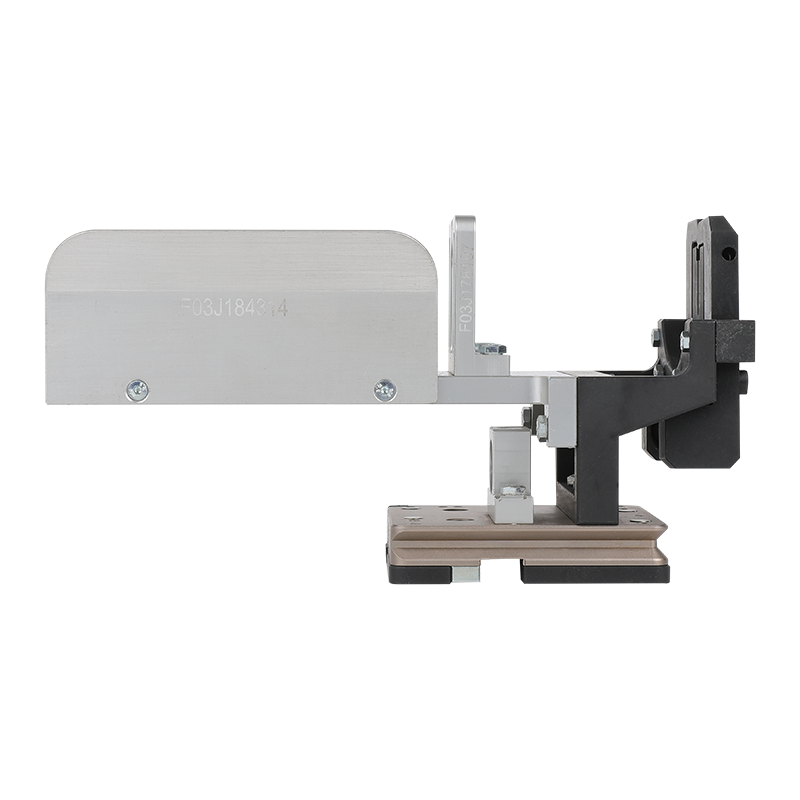 Customized Design Automation Equipment

+86-18118122885

+86-512-66233336

joy.qian@szhengmai.com

No. 8, Guangdian Road, Guangfu Town, Wuzhong District, Suzhou, Jiangsu, China.
Copyright © 2023 Suzhou Heimat Precision Machinery Co., Ltd. All Rights Reserved.Custom CNC Parts Processing Manufacturers

|
 Previous