 English
 русский
News
Home / News / Industry News / Custom Mechanical Parts: The Future of Precision Manufacturing and Innovative Design

 English
 Search
Suzhou Heimat Precision Machinery Co., Ltd.
+86-18118122885
joy.qian@szhengmai.com
In modern industrial manufacturing, custom mechanical parts have become a crucial driving force behind technological advancement and innovation. With the development of technology and the ever-changing manufacturing demands, the need for customized mechanical parts is becoming increasingly prominent. These customized parts not only meet the functional requirements of specific equipment but also optimize the overall performance of products, providing strong support for various industries.
The production process of custom mechanical parts usually begins with a needs analysis. Unlike traditional standardized production, custom parts are typically tailored for specific equipment or systems, aiming to solve specific problems that the equipment may encounter during operation. For example, in high-precision mechanical systems, the dimensions, materials, and load-bearing capacity of parts have extremely high requirements. Customized design ensures a perfect fit between each part, thereby improving the operating efficiency and stability of the equipment.
The design process of custom mechanical parts usually involves multiple steps. From initial needs discussions to technical drawing, material selection, processing technology development, and final production verification, every step requires a high level of professionalism and technical support. Especially with the support of advanced design tools such as computer-aided design (CAD) and computer-aided engineering (CAE), designers can more accurately simulate the performance of parts in real-world working environments, ensuring that they meet the expected functional requirements.
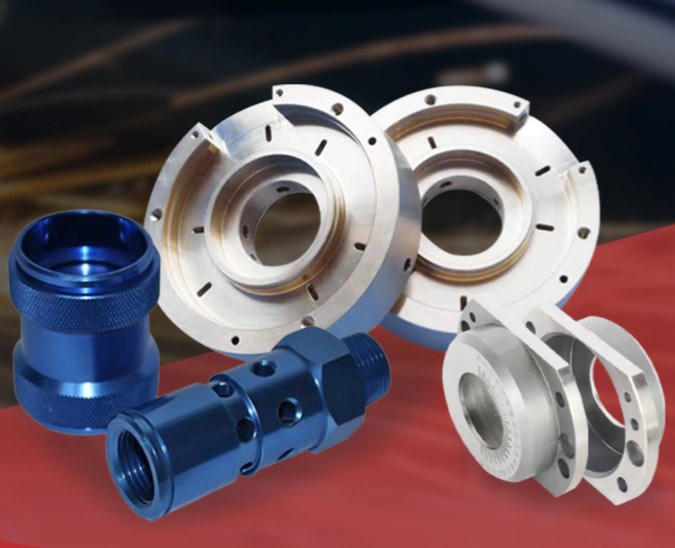
The production of custom mechanical parts relies not only on advanced design concepts but also on powerful manufacturing technologies. With the popularization of CNC technology and 3D printing technology, the manufacturing precision and efficiency of custom parts have been significantly improved. CNC machine tools can automatically process parts according to computer programming, ensuring that the dimensional accuracy of parts reaches the micron level, greatly improving the stability and consistency of the production process.
The emergence of 3D printing technology has further expanded the manufacturing boundaries of custom parts. Compared with traditional manufacturing methods, 3D printing can produce parts with complex structures in a shorter time and without the need for molds, greatly reducing manufacturing costs. Especially in small-batch production or the manufacturing of complex structural parts, 3D printing technology demonstrates unique advantages.
The manufacturing of custom mechanical parts also depends on the selection of materials. Different materials have different mechanical properties, corrosion resistance, and thermal conductivity characteristics, requiring careful selection during design and manufacturing based on the specific working environment and usage requirements. Common materials include various alloy steels, stainless steels, aluminum alloys, and composite materials.
The biggest advantage of custom mechanical parts is that they can be tailored to the specific needs of the customer, solving complex problems that traditional standard parts cannot address. In many high-end manufacturing fields, such as aerospace, automotive manufacturing, and precision instruments, equipment has extremely high requirements for parts, and standardized parts often fail to meet their precision and functional requirements. Custom parts, however, can improve overall production efficiency while ensuring equipment performance.
Custom mechanical parts can also significantly shorten equipment development cycles. In some equipment development processes, engineers may need to modify the design of parts multiple times to finally meet all performance requirements. Through custom parts, engineers can flexibly adjust the design and quickly produce parts that meet the requirements, thus accelerating the development process.
Custom mechanical parts can also effectively reduce equipment failure rates. Because each part is designed and manufactured according to the specific needs of the equipment, the adaptability and compatibility of the parts are greatly improved. This not only reduces the cost of equipment repair and replacement, but also increases the service life of the equipment and reduces the maintenance difficulty of the entire production line.
The application of custom mechanical parts is very wide, covering almost all industries that require precision mechanical components. The advantages of customized parts are particularly prominent in fields with high technical requirements. For example, in the aerospace field, the weight, strength, and high-temperature resistance of parts are extremely critical, and custom mechanical parts can be precisely designed and manufactured according to these specific requirements, ensuring the safe and efficient operation of spacecraft and aircraft.
In the automotive manufacturing industry, custom parts also play a crucial role. With the continuous advancement of automotive technology, car manufacturers are increasingly focusing on the personalization and high performance of parts. In this process, custom parts can help car manufacturers produce unique components according to the needs of different car models, improving the performance and quality of the entire vehicle.
The medical equipment, precision instruments, and robotics industries also have a strong demand for custom mechanical parts. In these industries, mechanical parts not only need to have high precision and high reliability, but also need to meet various special working environments and functional requirements. Customized mechanical parts can provide better support for these devices and improve their overall performance.
Custom mechanical parts are mechanical parts designed and manufactured according to the specific needs of the customer. These parts typically do not conform to the specifications of standardized products, but are custom-designed for specific equipment or systems to improve the functionality, reliability, and efficiency of the equipment.
Custom mechanical parts can be precisely designed according to specific needs, ensuring a perfect fit between the parts and the equipment, thus improving the performance and stability of the equipment. At the same time, custom parts can shorten the equipment development cycle, reduce failure rates, and increase the service life of the equipment.
The design of custom mechanical parts is usually carried out by engineers who analyze customer needs and use software tools such as CAD and CAE for simulation and optimization. The design process needs to consider factors such as the material, dimensions, functional requirements, and working environment of the part.
The production process of custom mechanical parts includes multiple stages such as design, material selection, processing, assembly, and testing. Common processing technologies include advanced manufacturing technologies such as CNC machining and 3D printing, ensuring the precision and quality of the parts.
Custom mechanical parts are widely used in various industries, including aerospace, automotive manufacturing, medical equipment, precision instruments, and robotics. Equipment in these industries has extremely high requirements for parts, and standard parts cannot meet their specific performance needs.
If you have any questions, please fill out the contact form at the bottom of the page and contact us.
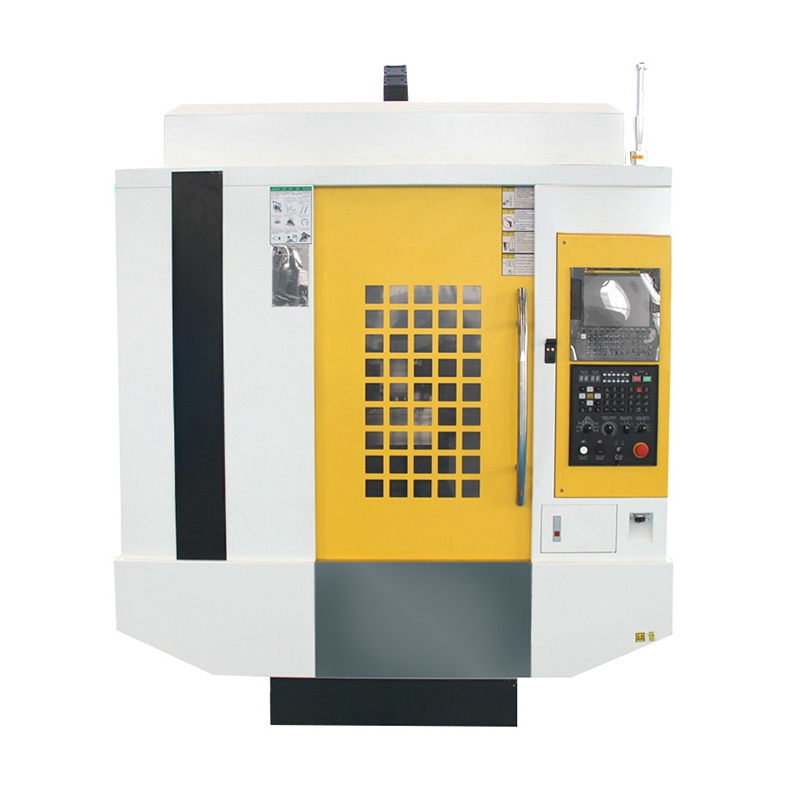 CNC Drilling and Tapping Machin
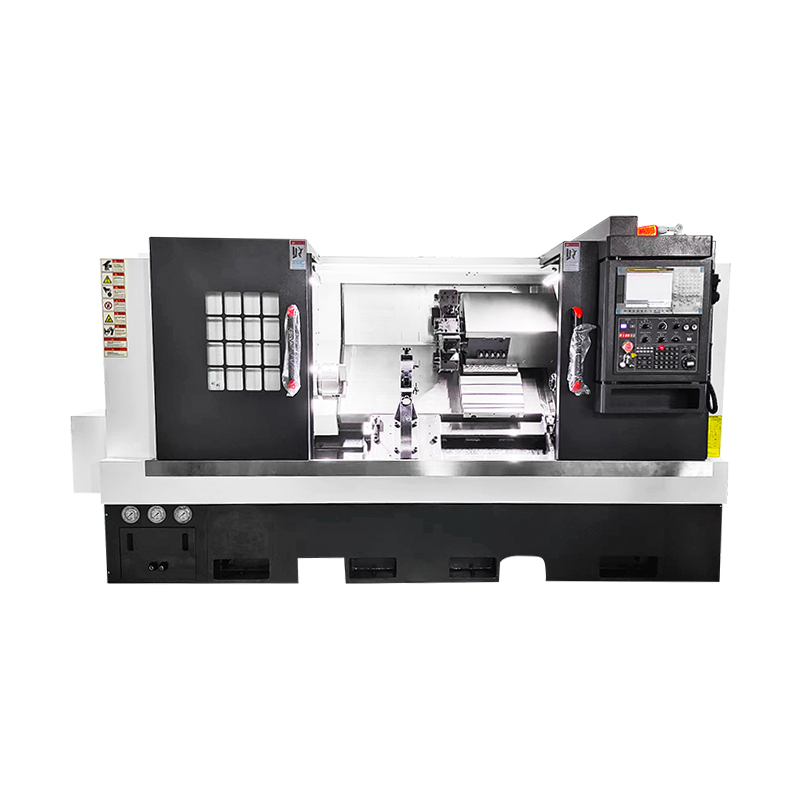 CNC Lathe Machine
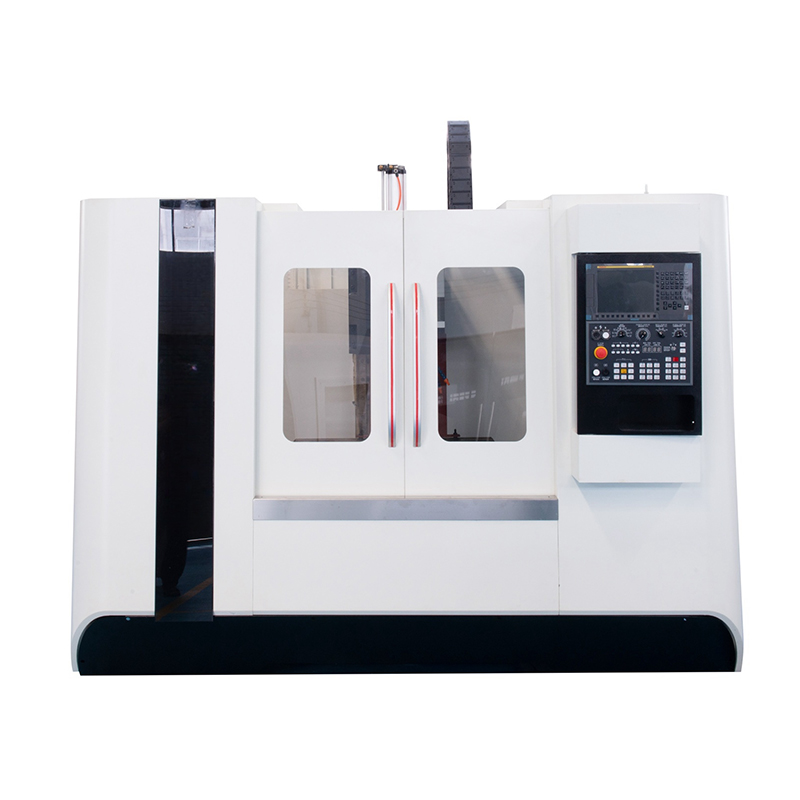 CNC Machine
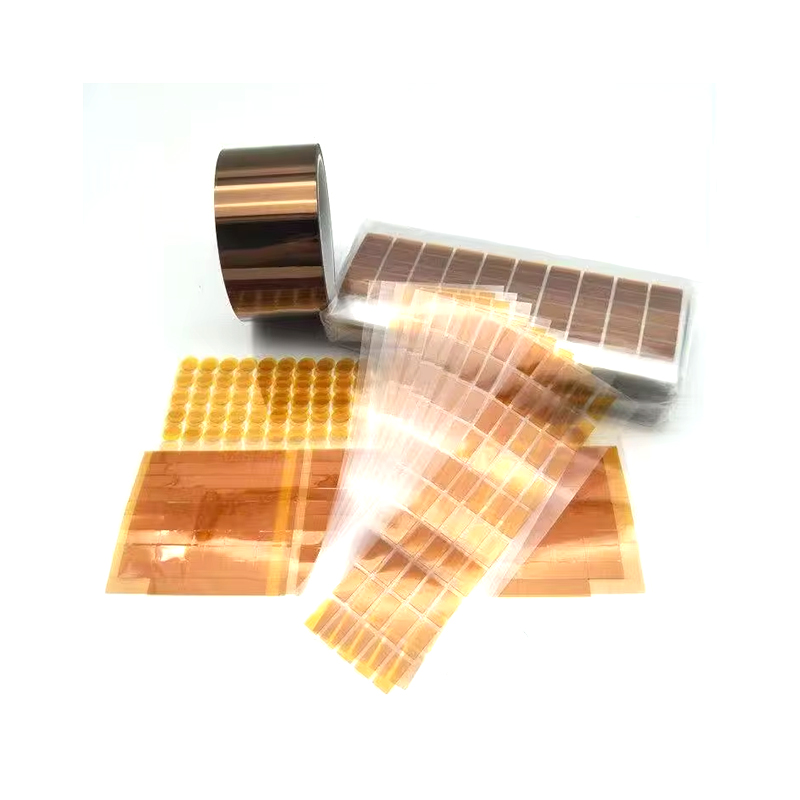 Cutomized Die-Cutting Products for Electronics Industry
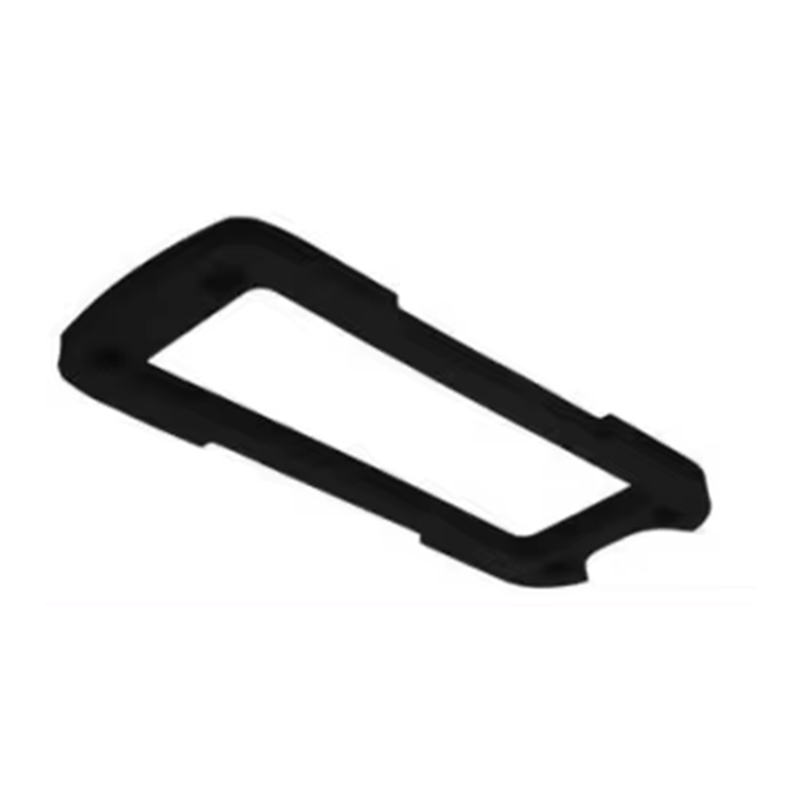 New Energy Automation Die Cutting Products
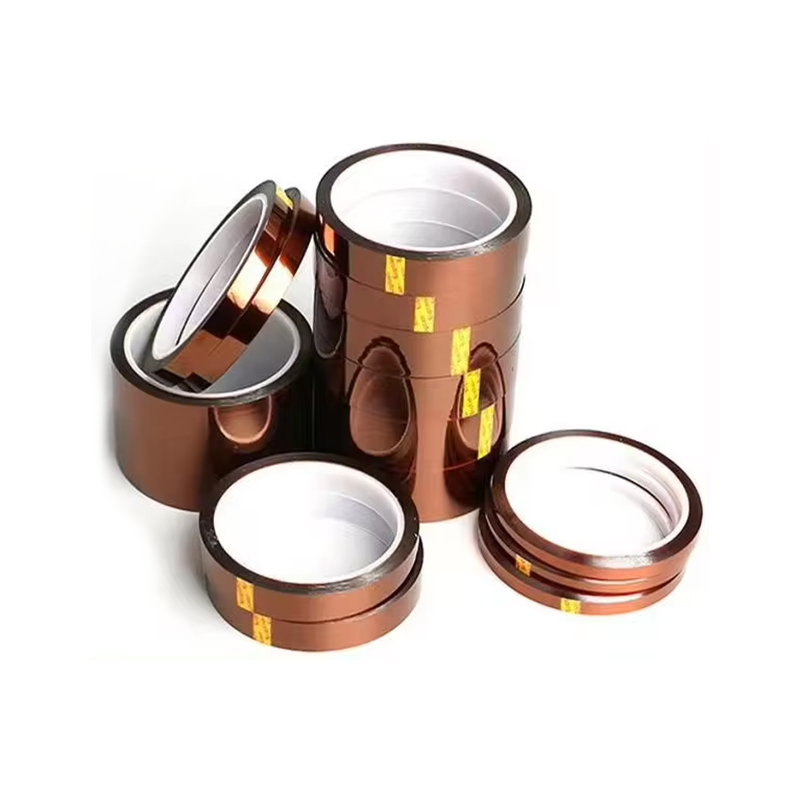 Customeized Die-Cut Products in Package Industry
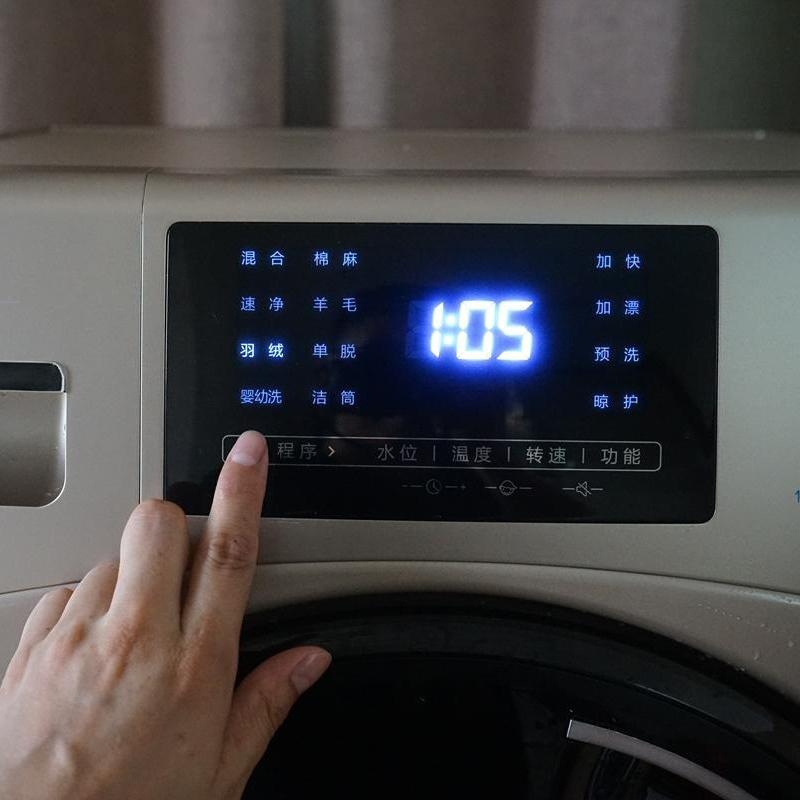 Bespoke Touch Screen for Gaming and Entertainment Devices
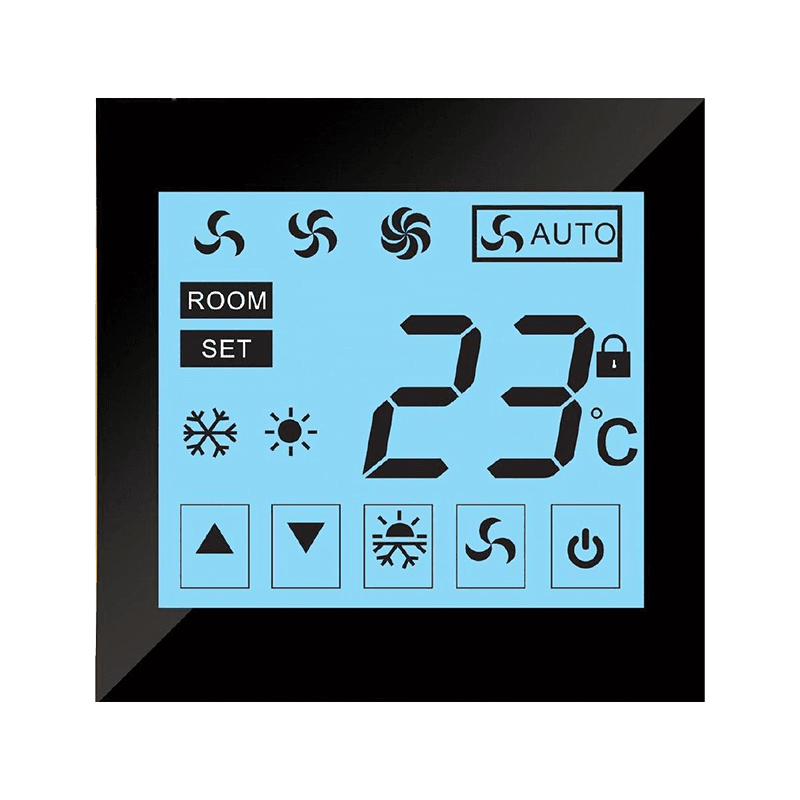 Custom Touch Screen in Smart Home Industry
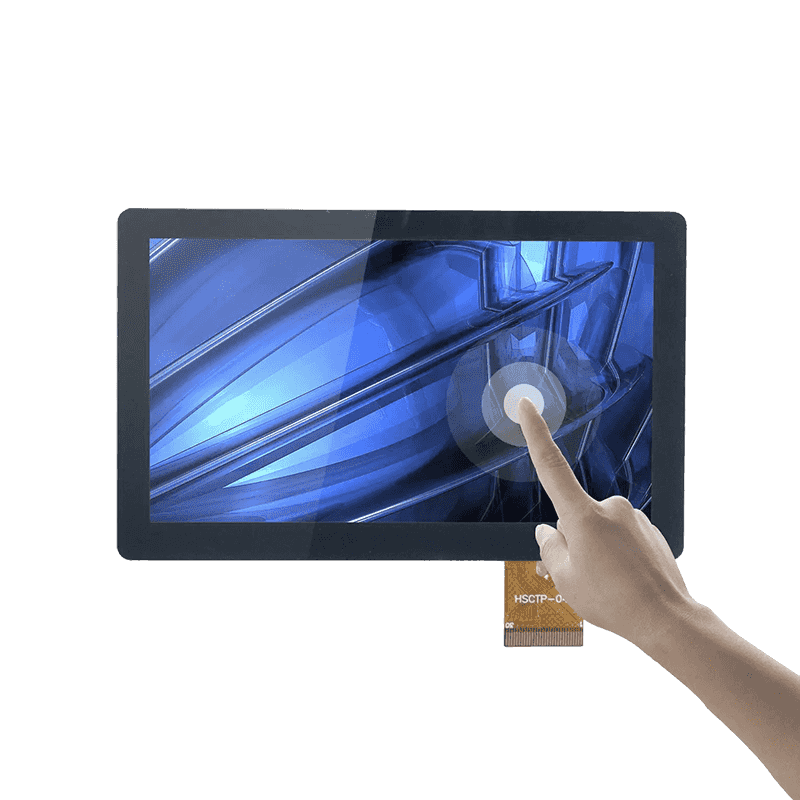 Customized Personalized Touch Panel Screen
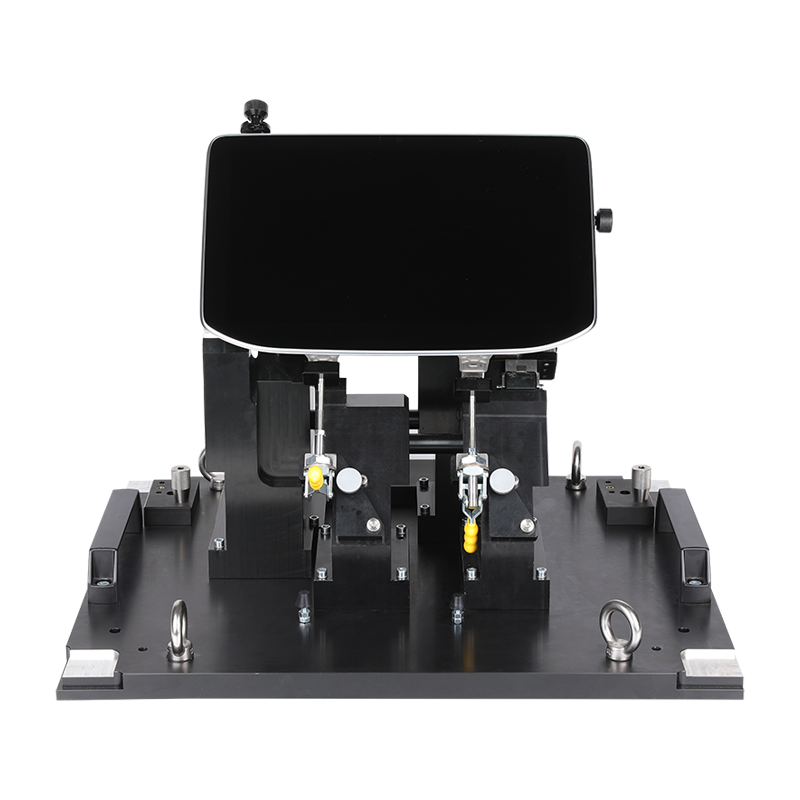 Design Manufacturing and Assembly of Special Customized Custom Electrical Cabinet
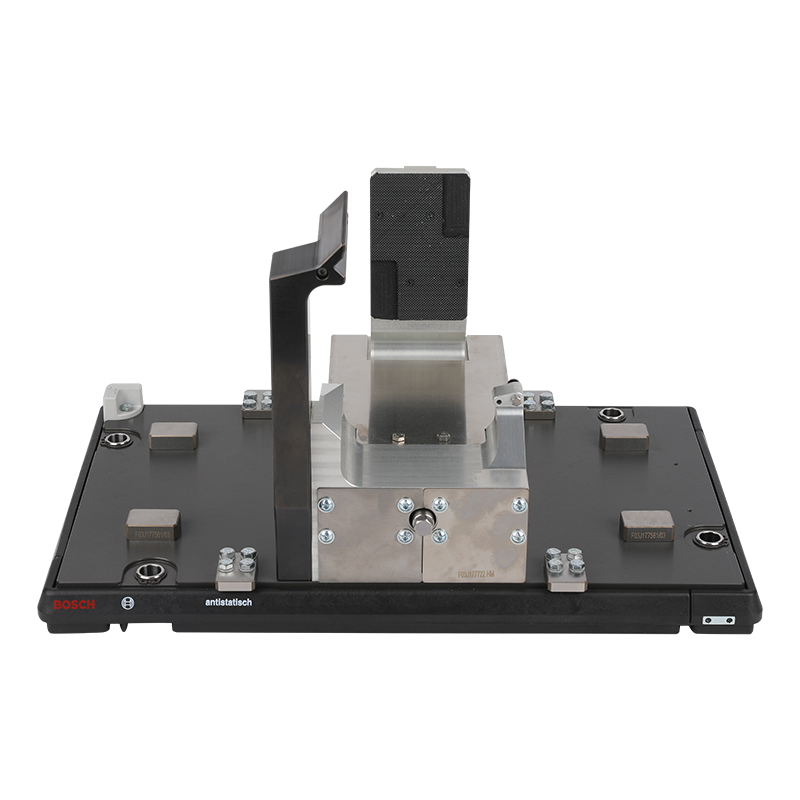 Industrial Robot Automatic Production Line Design Manufacture and Assembly
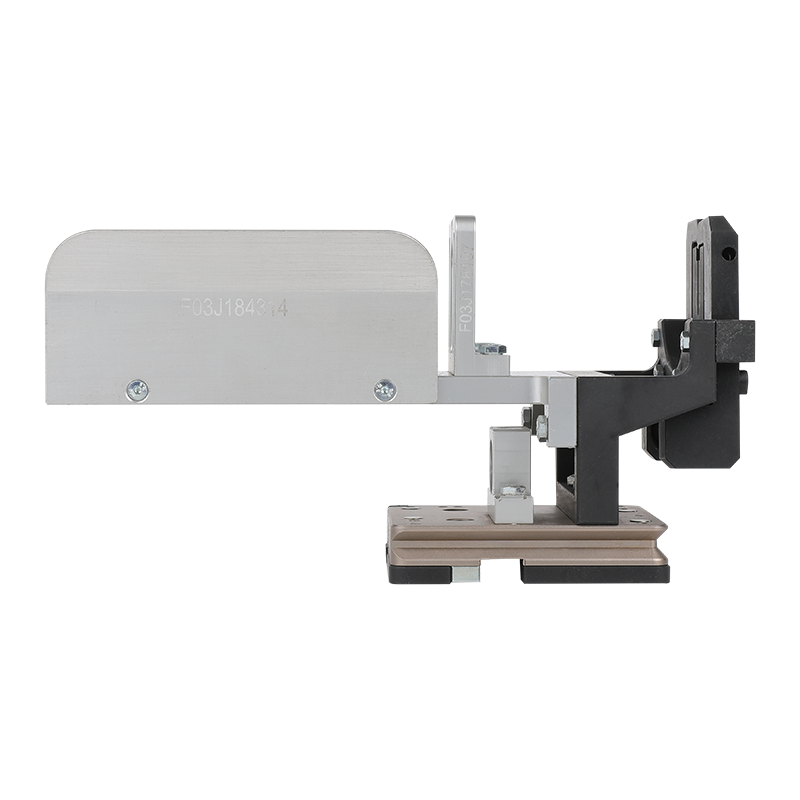 Customized Design Automation Equipment

+86-18118122885

+86-512-66233336

joy.qian@szhengmai.com

No. 8, Guangdian Road, Guangfu Town, Wuzhong District, Suzhou, Jiangsu, China.
Copyright © 2023 Suzhou Heimat Precision Machinery Co., Ltd. All Rights Reserved.Custom CNC Parts Processing Manufacturers

|
 Previous