 English
 русский
News
Home / News / Industry News / Why are CNC machinery parts crucial for machine tool processing accuracy?

 English
 Search
Suzhou Heimat Precision Machinery Co., Ltd.
+86-18118122885
joy.qian@szhengmai.com
In modern manufacturing, CNC (Computer Numerical Control) machinery has become a key tool for achieving high-precision and high-efficiency machining. CNC machinery parts, as core components of the entire equipment, directly affect the stability, accuracy, and lifespan of the machine.
CNC machinery parts include spindle components, ball screws, guide rails, bearings, gears, and transmission components, all of which perform different but closely related functions in machining. The spindle assembly determines the cutting speed and cutting stability, the ball screw and guide rails together affect the positioning accuracy of the machine tool, and high-performance bearings ensure the smooth operation of parts at high speeds. Each part works together like a gear, and none can be omitted.
The material, processing accuracy, and assembly process of the parts directly relate to the overall performance of the CNC machine tool. For example, high-hardness steel and special heat treatment techniques can significantly improve the wear resistance and deformation resistance of parts, while precisely machined guide rails and ball screws ensure stable movement of the machine tool within the micron range. These factors collectively determine the performance of the CNC machine tool when cutting complex parts, especially in high-end manufacturing fields such as aerospace, automotive molds, and precision electronics.
Material is a crucial factor in determining the performance of CNC machinery parts. Commonly used materials include high-strength alloy steel, stainless steel, aluminum alloys, and ceramic composite materials. High-strength alloy steel, through heat treatment and precision machining, can maintain stability under high load and high-speed operation conditions. Aluminum alloys and lightweight composite materials have advantages in reducing the overall weight of the machine tool and improving dynamic response speed.
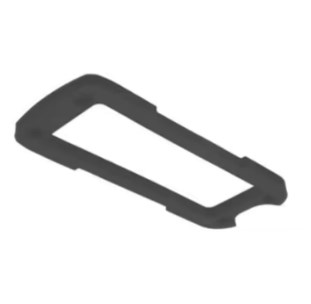
In addition to the material itself, surface treatment processes also significantly affect part performance. For example, surface treatments such as nitriding, carburizing, or hard chrome plating can improve the wear resistance and corrosion resistance of parts, thus extending their service life. The optimization of these processing technologies and material choices enables CNC machinery parts to maintain high precision and high stability during long-term operation.
The processing accuracy of CNC machinery parts directly affects the overall performance of the machine. Modern CNC parts are usually manufactured through high-precision turning and milling, grinding, wire cutting, and CNC grinding processes. Every process requires strict tolerance control and surface roughness requirements to ensure the positioning accuracy and smooth movement of parts after assembly.
Advanced measurement and inspection technologies also play a crucial role in the machining process. Using coordinate measuring machines (CMMs), laser interferometers, and digital measurement systems, the geometric shape, dimensional accuracy, and surface morphology of parts can be comprehensively inspected, ensuring that every part meets high-standard machining requirements.
High-quality CNC mechanical parts not only improve the machining capabilities of the machine tool itself but also bring significant competitive advantages to manufacturing companies. First, precision parts ensure that the machine tool maintains high accuracy even during long-term operation, reducing rework and material waste, and improving production efficiency. Second, the wear resistance and stability of high-quality parts extend equipment lifespan, reducing maintenance costs and downtime. In addition, optimized parts can improve the dynamic performance of the machine tool, resulting in smoother machining and less vibration, thus guaranteeing the quality of complex part processing.
These advantages are not only reflected in individual equipment but also create value gains throughout the entire production process. By choosing high-performance CNC mechanical parts, companies can obtain stable production capacity and product quality assurance in fierce market competition, thereby improving customer satisfaction and market competitiveness.
Even the most advanced CNC mechanical parts require professional assembly and regular maintenance to achieve maximum performance. During assembly, the clearance between parts, bearing preload, and lubrication methods directly affect the accuracy and stability of the machine tool. High-standard assembly processes ensure that the machine tool remains stable during high-speed operation, reducing vibration and deviations.
In terms of maintenance, regular inspection of part wear, lubrication oil replacement, and fastener calibration are key to maintaining the long-term efficient operation of CNC machine tools. Through scientific maintenance management, not only can the service life of parts be extended, but sudden failures can also be avoided, improving the stability of the production line.
A: High-precision machining ensures stable machine tool movement, reduces vibration and deviations, thereby improving processing quality and equipment lifespan.
A: The material determines the wear resistance, strength, and stability of the parts, directly affecting the performance of the machine tool under high-speed or heavy-load machining.
A: Surface treatment can improve wear resistance, corrosion resistance, and lubrication performance, thereby extending the service life of parts and maintaining accuracy.
A: Through scientific assembly, proper lubrication, and regular maintenance, the stability of parts can be maintained, reducing wear and tear and preventing malfunctions.
If you have any questions, please fill out the contact form at the bottom of the page and contact us.
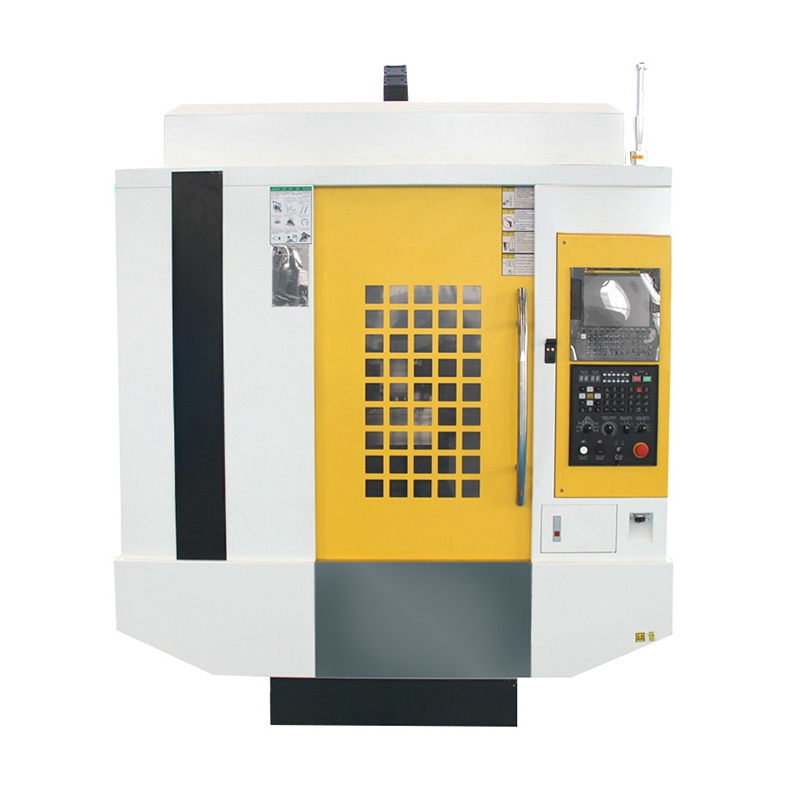 CNC Drilling and Tapping Machin
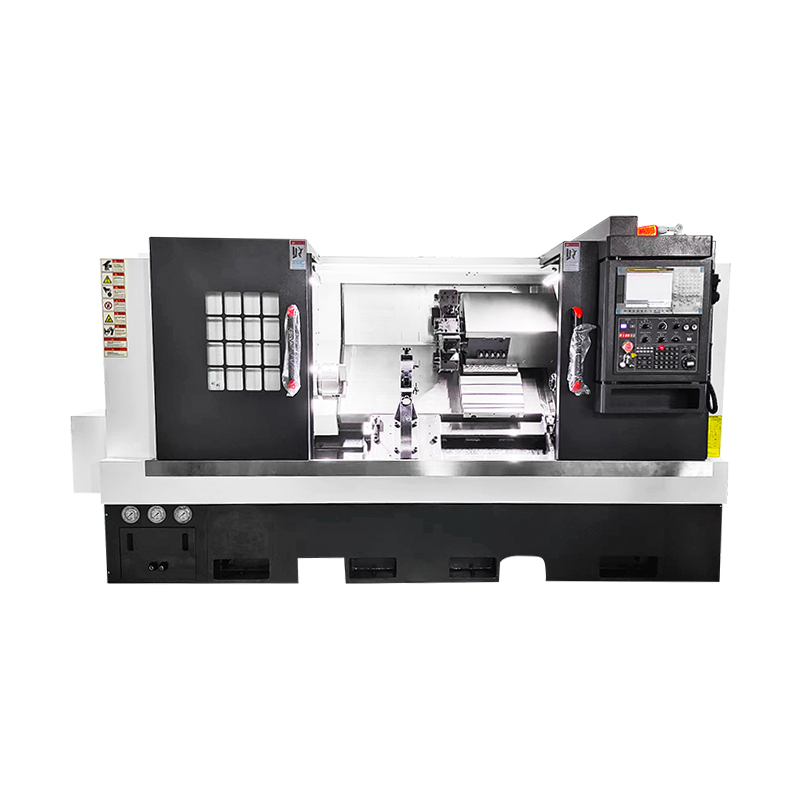 CNC Lathe Machine
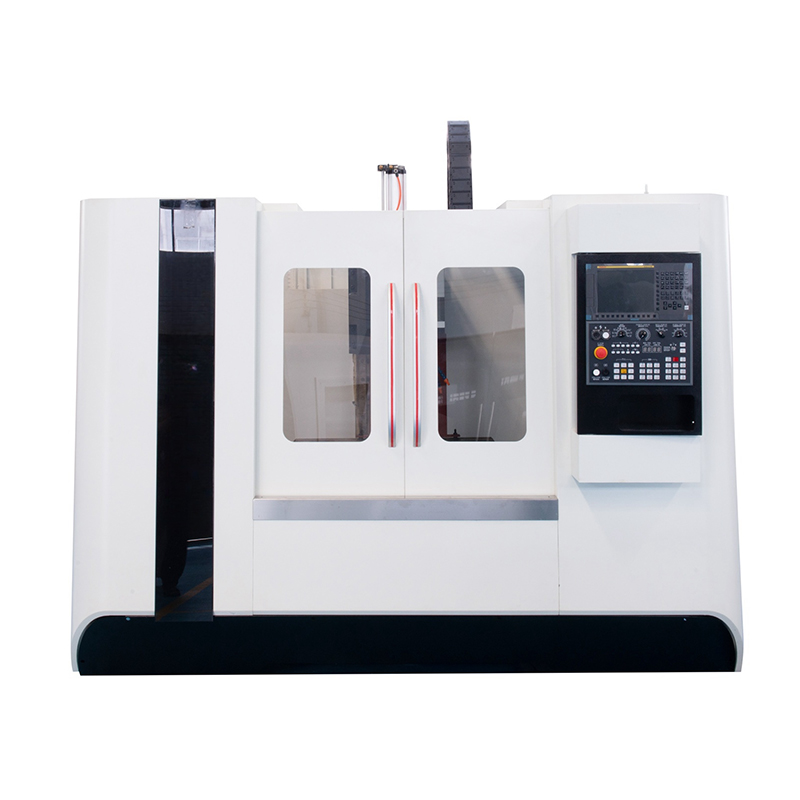 CNC Machine
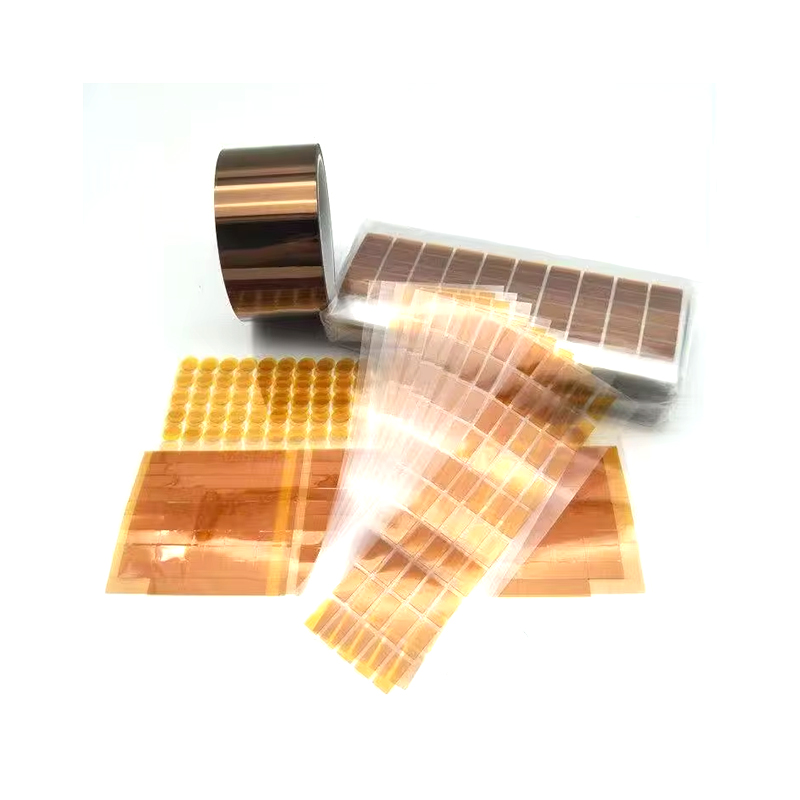 Cutomized Die-Cutting Products for Electronics Industry
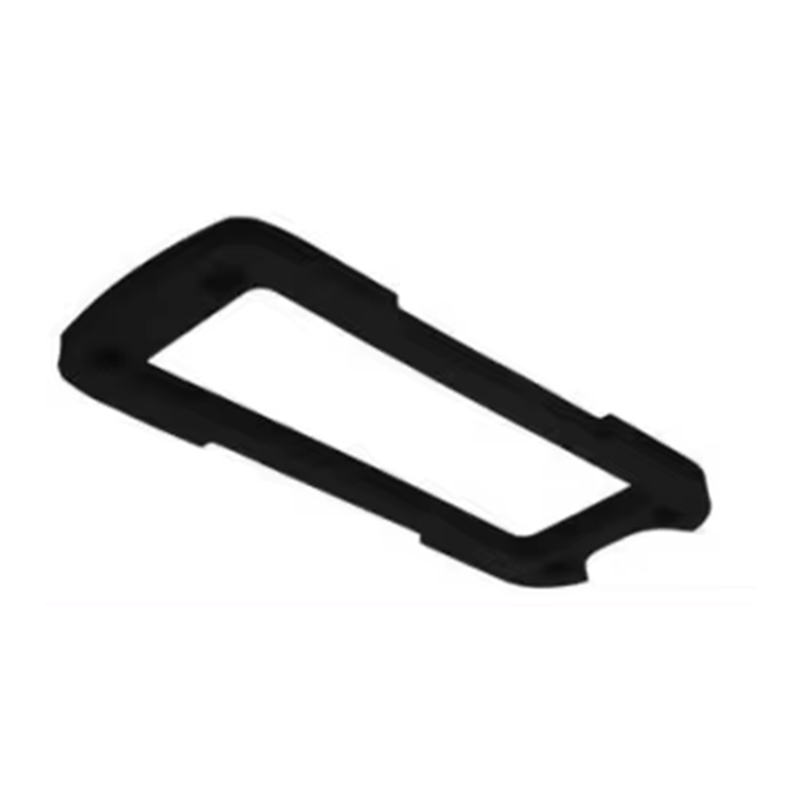 New Energy Automation Die Cutting Products
 Customeized Die-Cut Products in Package Industry
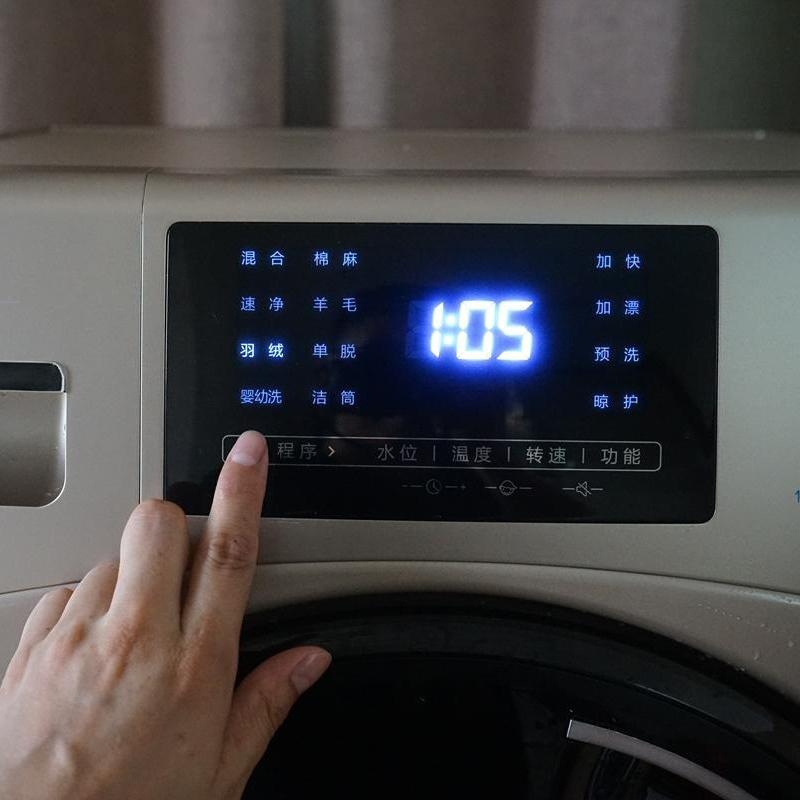 Bespoke Touch Screen for Gaming and Entertainment Devices
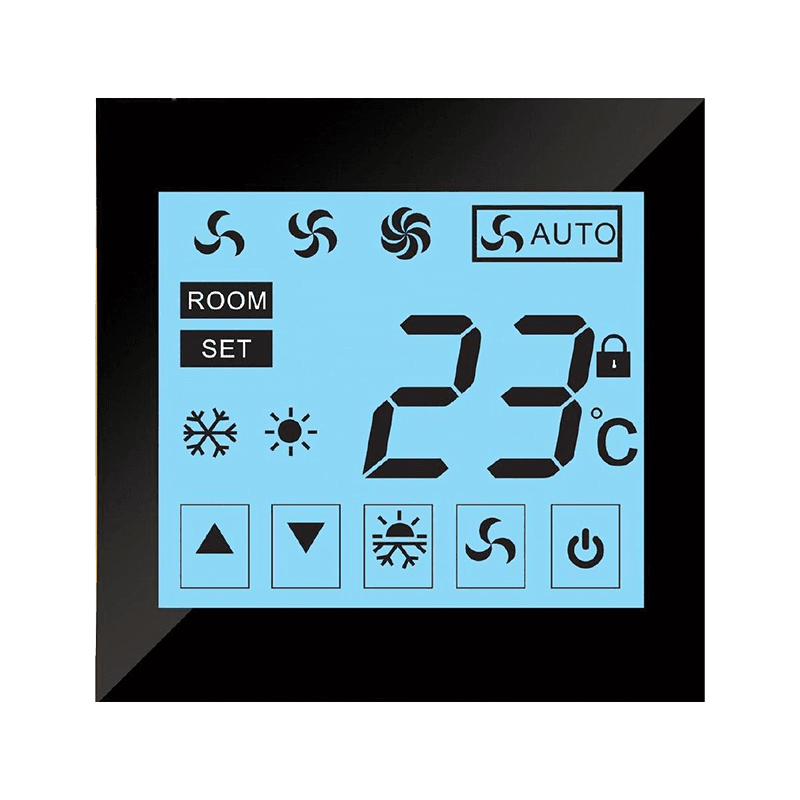 Custom Touch Screen in Smart Home Industry
 Customized Personalized Touch Panel Screen
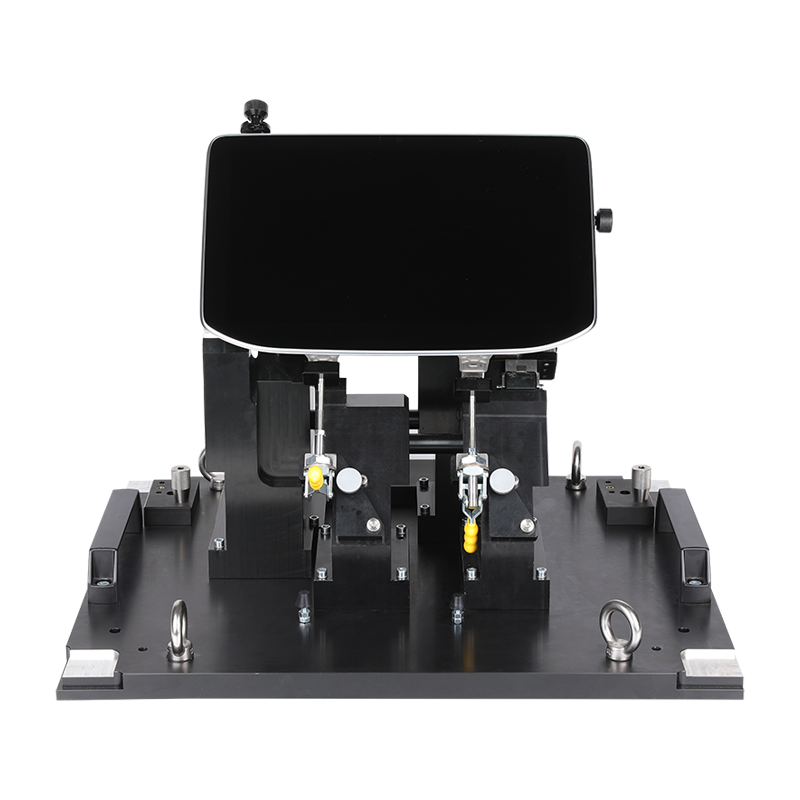 Design Manufacturing and Assembly of Special Customized Custom Electrical Cabinet
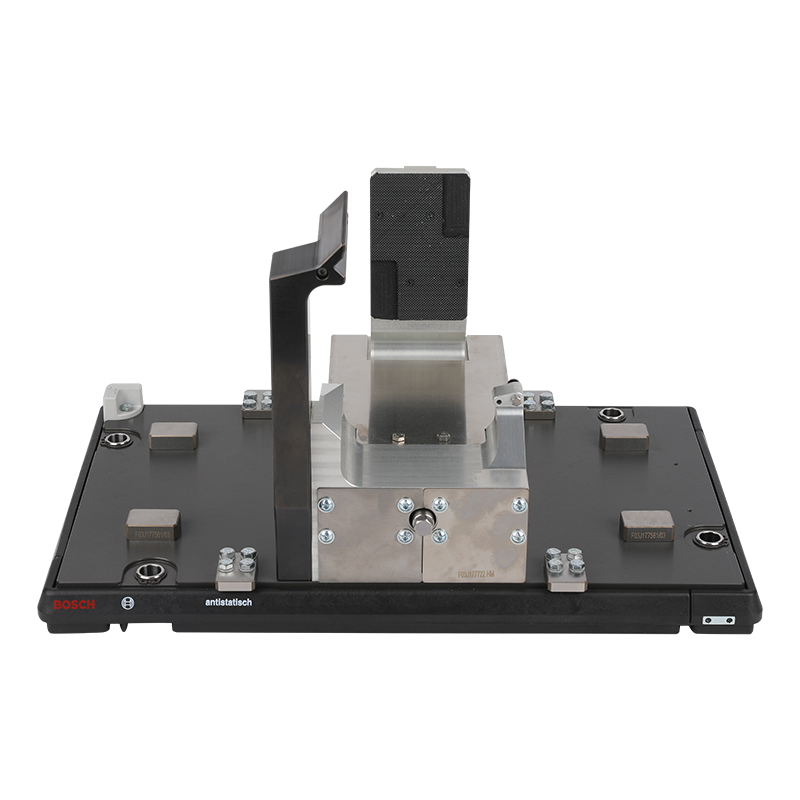 Industrial Robot Automatic Production Line Design Manufacture and Assembly
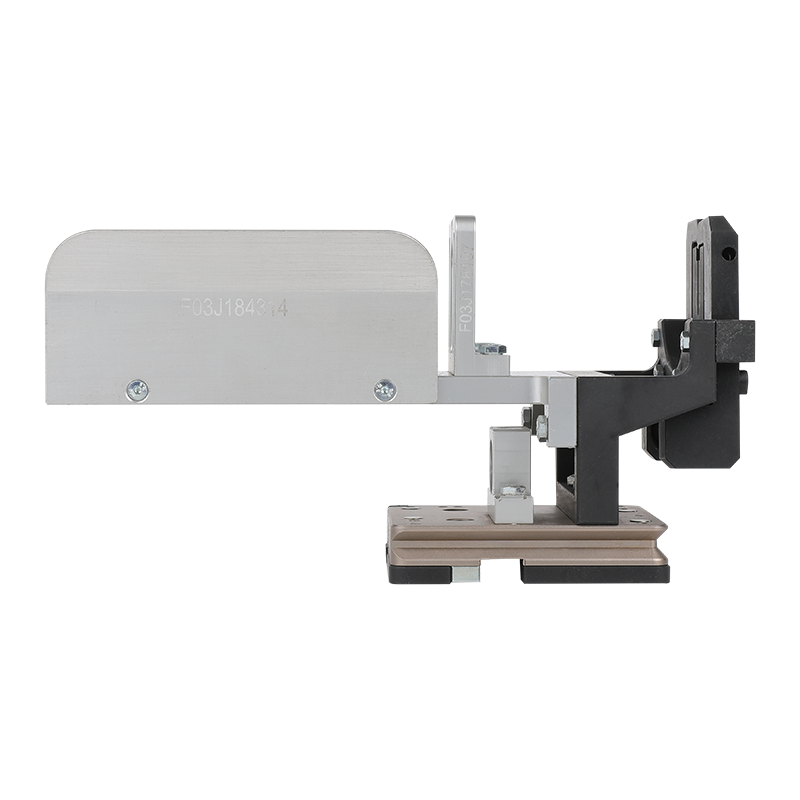 Customized Design Automation Equipment

+86-18118122885

+86-512-66233336

joy.qian@szhengmai.com

No. 8, Guangdian Road, Guangfu Town, Wuzhong District, Suzhou, Jiangsu, China.
Copyright © 2023 Suzhou Heimat Precision Machinery Co., Ltd. All Rights Reserved.Custom CNC Parts Processing Manufacturers

|
 Previous