 English
 русский
News
Home / News / Industry News / CNC Steel Parts: A Practical Guide to Precision Machining and Sourcing

 English
 Search
Suzhou Heimat Precision Machinery Co., Ltd.
+86-18118122885
joy.qian@szhengmai.com
Steel is often the first material engineers reach for when a part has to carry load, resist wear, or hold its shape under heat. That is also why CNC steel parts sit at the center of so much custom manufacturing: the material is familiar, but the machining strategy, heat treatment, and inspection plan decide whether the finished component performs as expected. At Suzhou Heimat Precision Machinery, we have been machining custom parts since 2010, and much of our daily work involves turning drawings into steel components that fit cleanly into automation equipment, energy systems, aerospace assemblies, and medical devices. This guide shares what we have learned on the shop floor, without the usual sales pitch.
Steel is not one material. Carbon steel, alloy steel, stainless steel, and tool steel all behave differently under the cutter. A grade that machines cleanly with high-speed steel tooling may need carbide inserts and a different coolant strategy. A part that looks simple on a drawing can become difficult when a thin wall begins to chatter or a deep pocket traps chips. Compared with aluminum, steel generally rewards rigidity, conservative speeds and feeds, and a thoughtful setup. It also punishes rushed decisions with tool wear, poor surface finish, or dimensional drift.
When customers ask for CNC steel parts, the first useful question is not “which CNC machine?” but “what must the part do?” A shaft that transmits torque has different priorities from a bracket that positions a sensor, or a housing that protects electronics. Once we understand load, corrosion exposure, mating surfaces, and expected service life, the material and process route become much clearer.
Grade selection is a practical balance between strength, machinability, corrosion resistance, and cost. The table below covers several steel families we see regularly in custom part enquiries. It is not a substitute for engineering review, but it helps frame the conversation before drawings go to the shop floor.
| Grade | Typical characteristics | Common applications | Machining notes |
|---|---|---|---|
| 1018 carbon steel | Good weldability and moderate strength | Brackets, fixtures, general machine parts | Machines easily; consider black oxide or plating for corrosion protection |
| 1045 carbon steel | Higher strength than 1018, responds well to heat treatment | Shafts, gears, pins, wear parts | Control heat and tool wear; stress relief helps on tight-tolerance parts |
| 4140 alloy steel | Good toughness and fatigue resistance | Drive components, high-load fixtures, tooling | Use rigid setups and appropriate inserts; heat treatment can improve properties |
| 304 stainless steel | Good corrosion resistance and formability | Food equipment, enclosures, general industrial parts | Work hardening and chip control require careful feeds and coolant |
| 316 stainless steel | Better chloride resistance than 304 | Medical fixtures, marine-adjacent parts, chemical equipment | Machines similarly to 304 but can be more demanding on tooling |
| 17-4 PH stainless steel | High strength after aging, good corrosion resistance | Aerospace components, shafts, high-stress fittings | Plan heat treatment carefully; machining condition and aging affect final dimensions |
Material certificates matter, especially when a part will be heat treated or used in a regulated industry. We prefer to confirm the mill certificate, condition, and heat-treatment state before machining, because small assumptions at this stage can create expensive surprises later.
Most CNC steel parts pass through turning, milling, drilling, or tapping, and many require a combination of these operations. A turned shaft may need milled flats and cross-drilled holes. A machined housing may need precise bores, tapped mounting points, and a flat sealing face. For steel, the key is to keep the setup rigid and the process predictable. Chatter, tool deflection, and heat buildup are rarely solved by simply slowing down; they are solved by improving workholding, choosing the right tool geometry, and controlling chip evacuation.
Typical machining tolerances can be held to around ±0.01 mm on many features, with tighter requirements possible through careful process control or secondary grinding. Thin walls, deep pockets, fine threads, and close hole-to-edge distances deserve early review. We also consider how heat treatment may move the part. If a component will be hardened after machining, it may need stock allowance or a finishing operation afterward.
A reliable steel part is built on a clear process, not just a good machine. Our usual route looks like this:
CNC machining gives the shape, but finishing often decides how long a steel part lasts. Black oxide offers a thin, dark surface that is common on fixtures and machine components. Zinc plating provides economical corrosion protection for carbon steel, while nickel plating can improve wear resistance and appearance. For stainless steel, passivation helps remove free iron from the surface and supports corrosion resistance. Heat treatment is equally important: hardening, tempering, and nitriding can raise strength or wear resistance, but they must be planned around machining allowances and final tolerances.
We always ask where the part will be used and how it will be maintained. A finish that looks good in a photo may not survive coolant, cleaning chemicals, or outdoor exposure. The right answer usually comes from the service environment, not from a catalogue alone.
Steel parts appear in almost every industrial sector, but each sector asks something different from the machining team. Aerospace buyers care about traceability and high-load performance. Automation builders need repeatable geometry and fast turnaround. Energy customers want robust parts that tolerate vibration, torque, and weather. Medical equipment manufacturers need clean finishes and careful attention to burrs and fine features. These differences shape material choice, inspection level, and documentation.
In aerospace and high-load assemblies, steel parts often work as shafts, fasteners, fittings, and structural components. The machining challenge is not just hitting a tolerance once; it is holding that tolerance consistently across a batch while keeping evidence of material and process control. Parts may need certification, heat treatment, and careful handling before assembly.
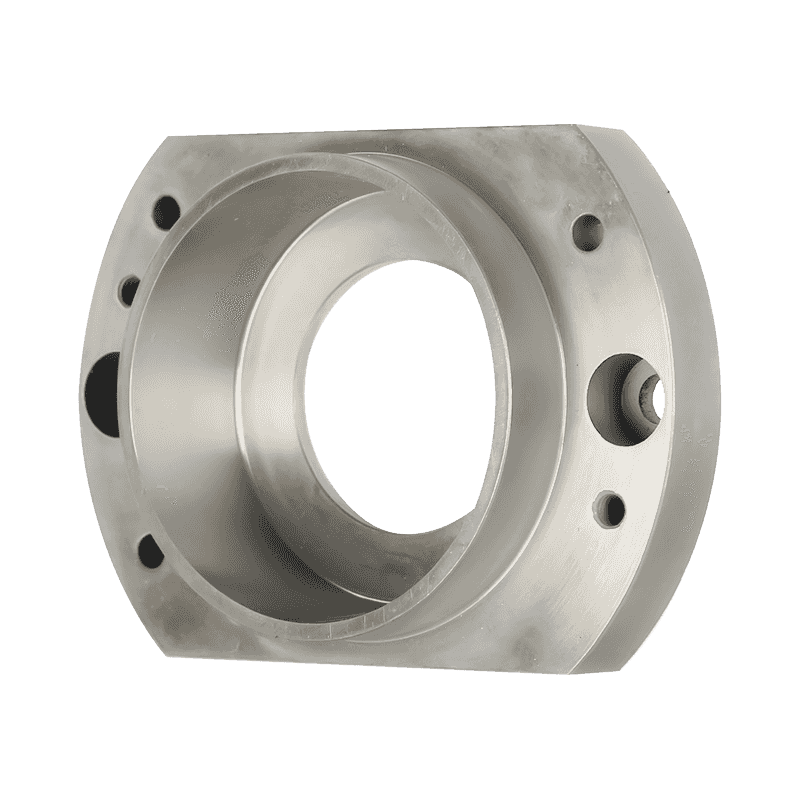 Customized High-Precision Axis Parts for AerospaceCustomized high-precision axis parts for aerospace equipment, presented as OEM CNC machined components with strict quality control and high reliability.View Product →
Automation equipment is built around repeatable motion. A steel bracket, mounting plate, or custom machined component may look minor, but if it shifts or wears, the whole station loses accuracy. We see many requests for custom CNC parts used in automated assembly lines and robotic arms, where flatness, hole position, and thread quality matter as much as the overall shape.
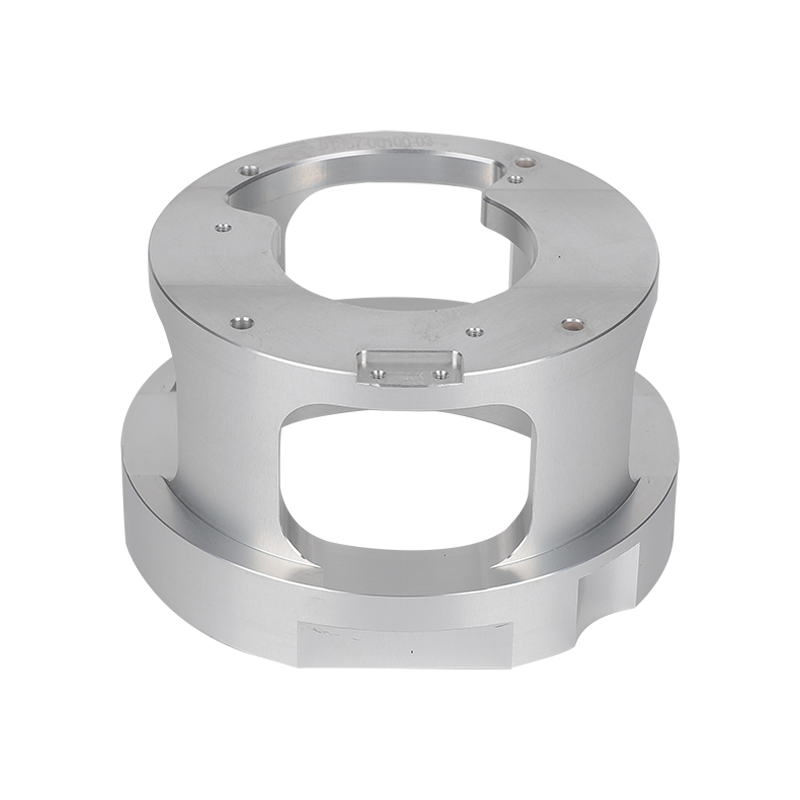 Customized CNC Parts for Automation EquipmentCustomized CNC milled parts for production line equipment and robotic arms, relevant where repeatable motion and custom machined components are needed.View Product →
Energy equipment often combines heavy loads with long service intervals. A transmission shaft or mounting component may be difficult to access once installed, so reliability is critical. Steel grades with good toughness and fatigue resistance are common, and the machining plan must account for heat treatment, surface protection, and inspection of critical diameters or mounting faces.
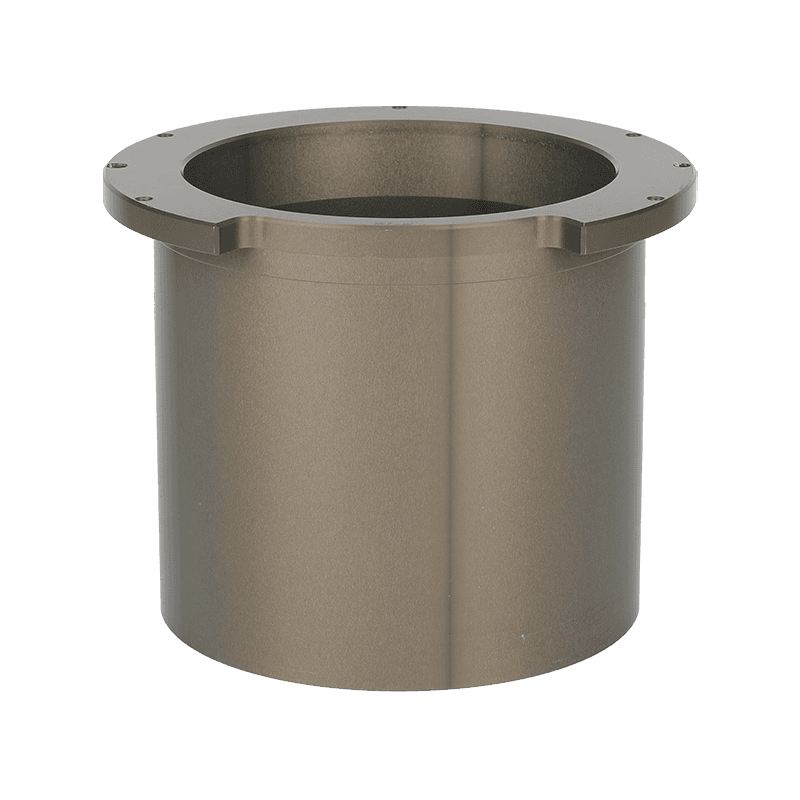 Custom CNC Transmission Shaft for Wind Power SystemsCustom CNC machined transmission shaft for wind power systems, described as connecting turbine blades to the gearbox and requiring strict processing and inspection.View Product →
Quality control is not a final inspection booth at the end of the line. For CNC steel parts, it begins with the material certificate and the drawing review. Before production, we check that the material condition, tolerance stack, and finishing requirements are understood. During machining, operators inspect critical features as the process develops, especially on first articles or parts with tight bores, threads, and flatness requirements.
We work within ISO 9001 and ISO 14001 management frameworks and maintain inspection records so that customers can trace what was checked and how. For buyers, the practical question is simple: can the supplier show you not only a good sample, but a repeatable process behind it?
Choosing a supplier for CNC steel parts is easier when you look past the price per piece. Ask how the supplier reviews drawings, how they handle material substitution, and what happens when a feature is difficult to machine. A good partner will flag a tolerance that adds cost without adding function, or a sharp corner that could be relieved to improve strength and tool life. Clear communication during quoting often prevents delays during production.
If you are comparing suppliers, our guide to choosing China CNC parts suppliers covers more of the questions we recommend asking. It reflects the same practical approach we use when reviewing a new enquiry.
Steel parts rarely fail because of one dramatic mistake. More often, a small detail was missed: a heat-treatment allowance, a thread callout, a burr on a sealing face, or a material certificate that did not match the application. Good machining is a chain of small, careful decisions. If you have a drawing for a CNC steel part and want a straightforward conversation about material, tolerances, finishing, and production, contact our team at Suzhou Heimat Precision Machinery. We will tell you what we can do, what we need to know, and where the risks are before the chips start flying.
If you have any questions, please fill out the contact form at the bottom of the page and contact us.
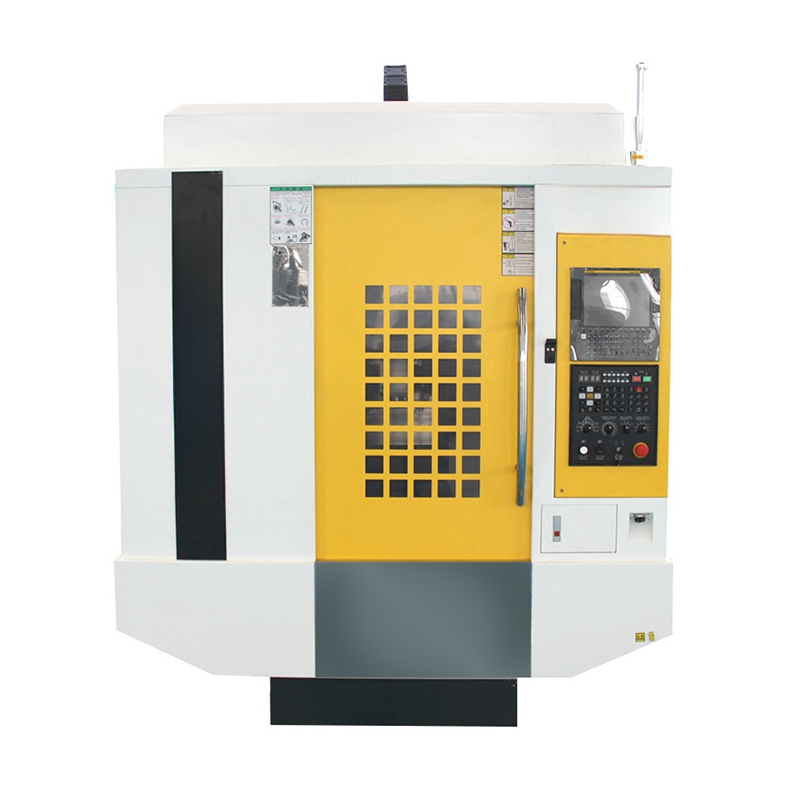 CNC Drilling and Tapping Machin
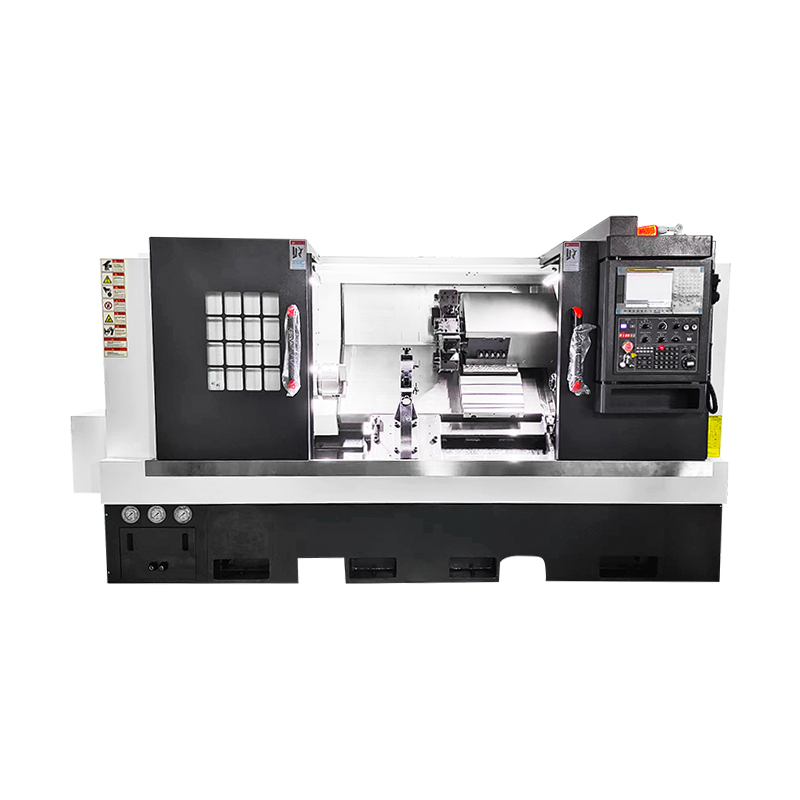 CNC Lathe Machine
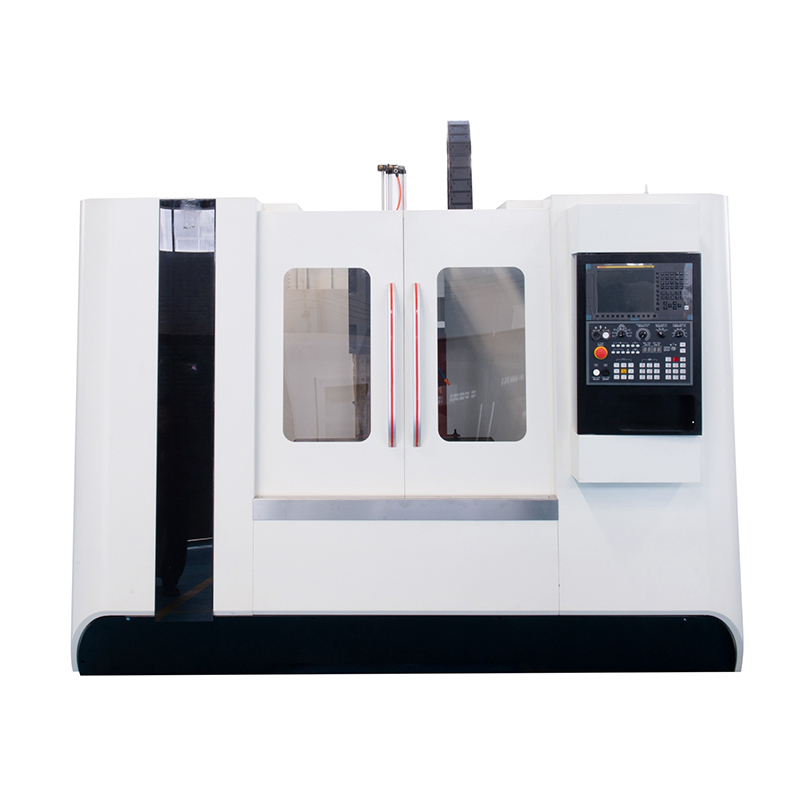 CNC Machine
 Cutomized Die-Cutting Products for Electronics Industry
 New Energy Automation Die Cutting Products
 Customeized Die-Cut Products in Package Industry
 Bespoke Touch Screen for Gaming and Entertainment Devices
 Custom Touch Screen in Smart Home Industry
 Customized Personalized Touch Panel Screen
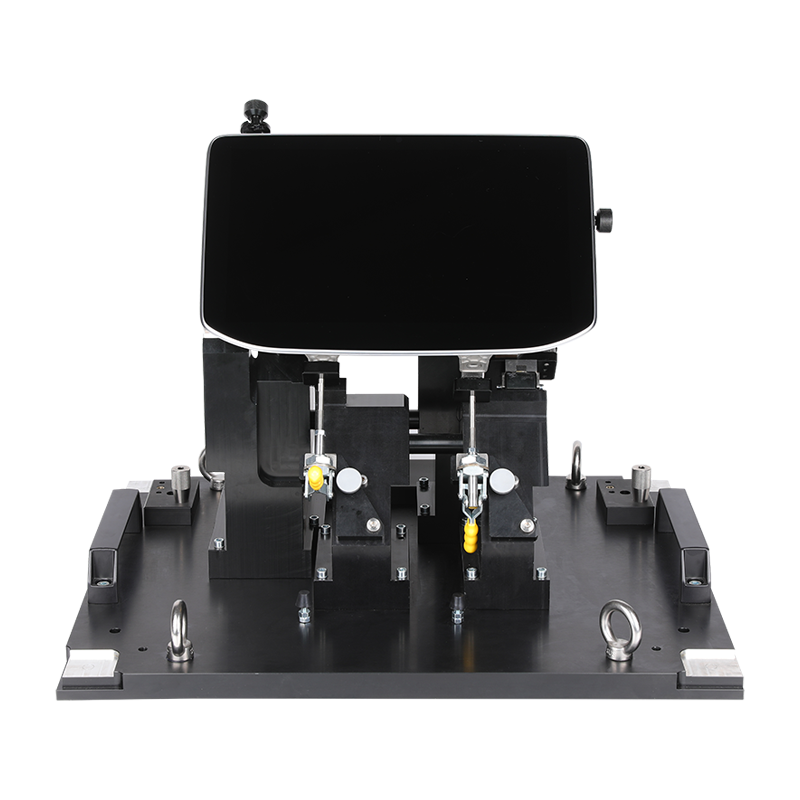 Design Manufacturing and Assembly of Special Customized Custom Electrical Cabinet
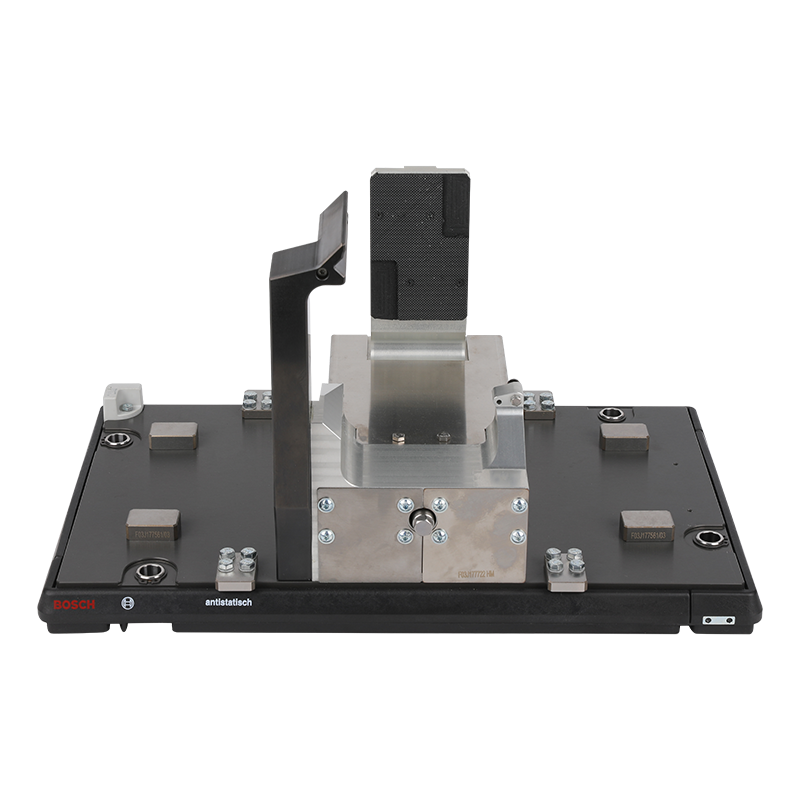 Industrial Robot Automatic Production Line Design Manufacture and Assembly
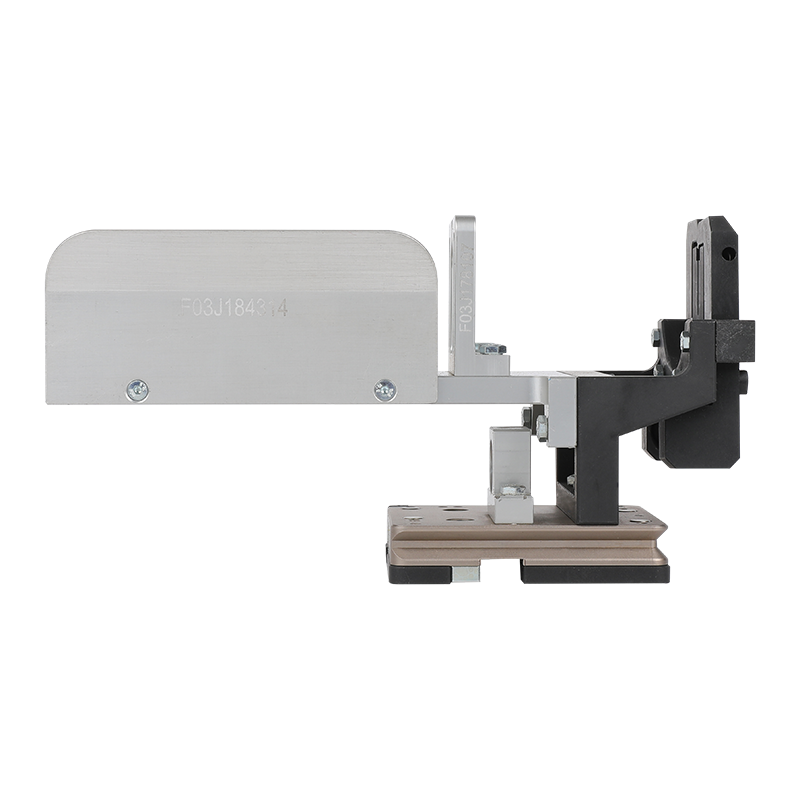 Customized Design Automation Equipment

+86-18118122885

+86-512-66233336

joy.qian@szhengmai.com

No. 8, Guangdian Road, Guangfu Town, Wuzhong District, Suzhou, Jiangsu, China.
Copyright © 2023 Suzhou Heimat Precision Machinery Co., Ltd. All Rights Reserved.Custom CNC Parts Processing Manufacturers

|
