 English
 русский
News
Home / News / Industry News / When should you opt for custom mechanical parts over standard components?

 English
 Search
Suzhou Heimat Precision Machinery Co., Ltd.
+86-18118122885
joy.qian@szhengmai.com
In the realm of modern engineering and manufacturing, the decision to utilize custom mechanical parts is often the defining factor between a mediocre product and a market-leading solution. While standard off-the-shelf components serve general purposes adequately, they frequently fall short when specific performance metrics, unique geometries, or distinct environmental resistances are required. The core answer to why one should invest in custom fabrication lies in precision engineering and optimized functionality. By tailoring components to the exact specifications of an application, engineers can eliminate the compromises inherent in using generic parts, thereby enhancing the overall efficiency, longevity, and reliability of the mechanical assembly. Furthermore, custom parts allow for the consolidation of multiple components into a single unit, reducing assembly time and potential points of failure.
Standard parts are produced in mass quantities with generalized tolerances and materials. While cost-effective for broad applications, they are not designed for specialized machinery where space constraints, load requirements, or chemical exposures are unique. Custom mechanical parts bridge this gap by offering exact fitment and performance characteristics. For instance, a custom gear can be designed with specific tooth geometry to handle higher torque in a smaller footprint than a standard catalog gear. This level of specification ensures that the machinery operates at peak efficiency without the need for modification or "engineering around" a standard part. Customization transforms a potential design bottleneck into a performance advantage.
Choosing the correct fabrication method is critical, as it dictates the cost, speed, and capability of the production run. Different processes yield different results regarding surface finish, tolerance, and structural integrity.
Machining and Turning remain the gold standard for high-precision metal parts. This subtractive process involves cutting material away from a solid block to create the desired shape. It offers unparalleled accuracy and is suitable for a vast range of materials, from aluminum alloys to engineering-grade plastics. However, it can generate significant waste material.
Injection Molding is the preferred method for high-volume production of plastic parts. While the initial tooling cost is high, the per-unit cost drops significantly for large runs. It allows for complex shapes and features that would be impossible to machine efficiently.
Additive Manufacturing (3D Printing) has revolutionized prototyping and low-volume production. It allows for the creation of complex internal geometries, such as lattice structures, that reduce weight while maintaining strength. It is ideal for rapid iteration and functional prototypes before committing to hard tooling.
| Process | Best For | Tolerance Quality |
|---|---|---|
| CNC Machining | High precision, metal prototypes, end-use parts | Excellent |
| Injection Molding | Mass production of plastic components | Good |
| 3D Printing | Complex geometries, rapid prototyping | Moderate |
The choice of material is as critical as the design itself. A perfectly designed part will fail prematurely if the material cannot withstand the operating environment. Engineers must consider factors such as tensile strength, corrosion resistance, thermal stability, and fatigue life.
For high-stress applications, alloy steels are frequently chosen for their superior strength and durability. However, if weight is a concern, such as in aerospace or automotive applications, aluminum or carbon fiber composites provide an excellent strength-to-weight ratio. In corrosive environments, stainless steel or specific engineering plastics like PEEK are preferred to prevent degradation. The thermal expansion coefficient must also be considered when parts are subjected to varying temperatures, ensuring that tolerances are maintained throughout the operating range.
Creating a design that functions well on paper is only half the battle; the design must also be practical to manufacture. Design for Manufacturability (DFM) is the process of designing parts to be easy and cost-effective to produce. Ignoring DFM principles can lead to exorbitant costs and production delays.
One primary rule is to avoid features that require specialized tooling or setups. For example, deep holes with small diameters can be difficult to drill and may require custom tooling. Similarly, sharp internal corners can be challenging to machine and may result in stress concentrations. By adding fillets or radii to internal corners, the machinist can use standard tooling, and the part will have better structural integrity. Another crucial aspect is the specification of tolerances. Over-specifying tolerances—making them tighter than necessary—drives up costs significantly. Engineers should only apply tight tolerances to mating surfaces or critical features, leaving non-critical areas with standard tolerances.
Custom parts offer the unique opportunity to consolidate assemblies. Instead of designing a bracket, a spacer, and a fastener separately, a custom part could potentially integrate all these features into a single component. This reduces the bill of materials, minimizes inventory management, and speeds up the assembly process. Furthermore, designing parts with self-locating features can eliminate the need for complex fixtures during assembly.
Ensuring that the final product matches the design intent requires rigorous quality control. Advanced metrology equipment is used to verify dimensions and surface finishes. Coordinate Measuring Machines (CMM) are the industry standard for validating complex geometries, capable of probing points in three dimensions with high accuracy. Surface roughness testers ensure that finishes meet the requirements for friction or aesthetic purposes.
For critical components, material certification is often required. This documentation traces the raw material back to its melt source, ensuring it meets the chemical and physical property requirements. First Article Inspection (FAI) is another standard practice where the very first part off the line is subjected to a comprehensive inspection to verify that the production setup is correct before mass production begins. Quality is not inspected into a product; it is manufactured into it. However, rigorous inspection protocols ensure that the manufacturing process remains within the defined parameters, catching deviations before they become costly failures.
While the initial investment for custom mechanical parts is higher than purchasing standard components, the long-term economic benefits often outweigh the upfront costs. The calculation should consider the total cost of ownership, not just the purchase price. Custom parts can reduce warranty claims by improving reliability and extending the service life of the equipment. They can also reduce the physical footprint of a machine, allowing for more compact packaging or increased functionality within the same space.
Furthermore, custom parts can provide a competitive edge. By integrating unique features into a component, businesses can create products that are difficult for competitors to replicate. This exclusivity can be a significant advantage in the marketplace. When evaluating the cost, it is essential to factor in the potential savings from reduced assembly time, lower replacement rates, and the elimination of modifications needed to adapt standard parts.
| Factor | Standard Parts | Custom Parts |
|---|---|---|
| Initial Cost | Low | Higher (setup/tooling) |
| Design Fit | Compromised | Optimized |
| Maintenance | Frequent replacement | Longer intervals |
The landscape of custom mechanical parts is continuously evolving with technology. The rise of digital inventory systems allows manufacturers to store designs digitally and produce parts on demand, reducing the need for physical warehousing. This shift towards "manufacturing as a service" enables companies to order parts in smaller batches without the penalty of high setup costs, fostering a more agile supply chain.
Furthermore, the integration of Artificial Intelligence in design software helps engineers optimize parts for weight and strength automatically. Generative design algorithms can explore thousands of permutations that a human designer might overlook, often resulting in organic-looking structures that use minimal material while maximizing performance. As these technologies mature, the barrier to entry for custom parts will lower, making high-precision engineering accessible to a broader range of industries and applications.
If you have any questions, please fill out the contact form at the bottom of the page and contact us.
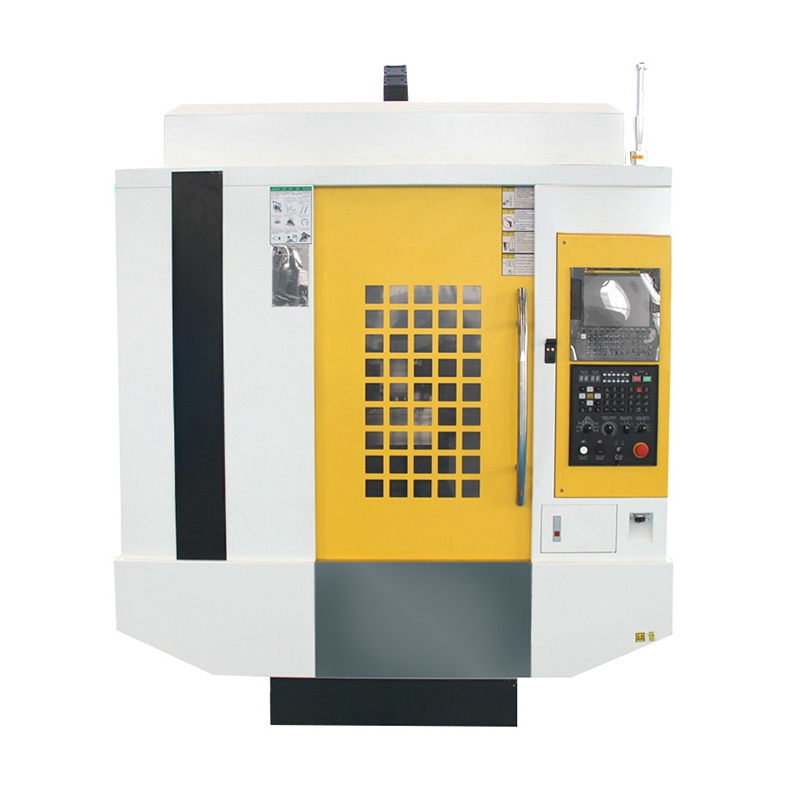 CNC Drilling and Tapping Machin
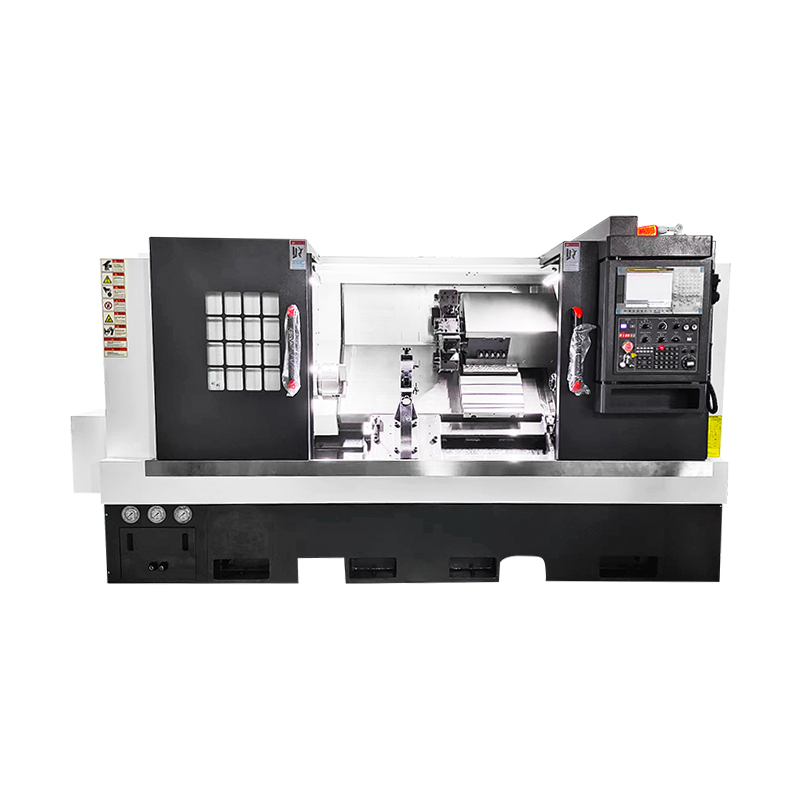 CNC Lathe Machine
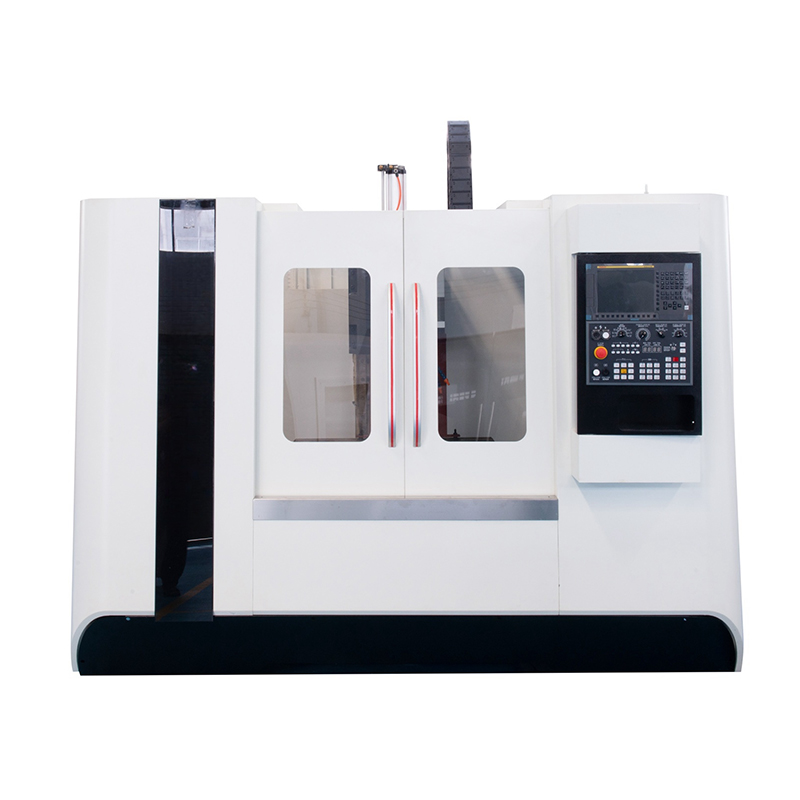 CNC Machine
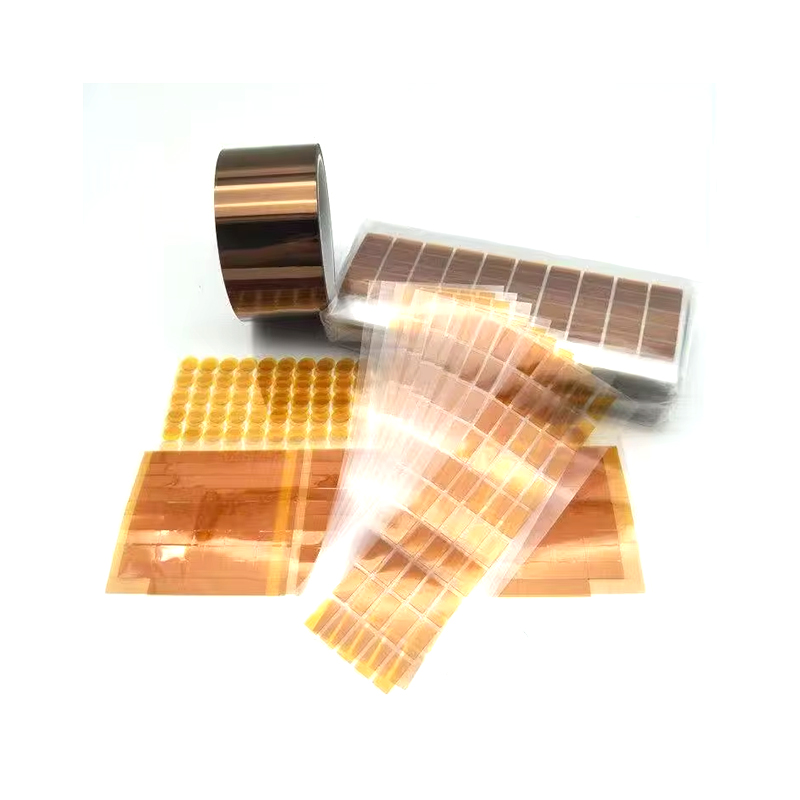 Cutomized Die-Cutting Products for Electronics Industry
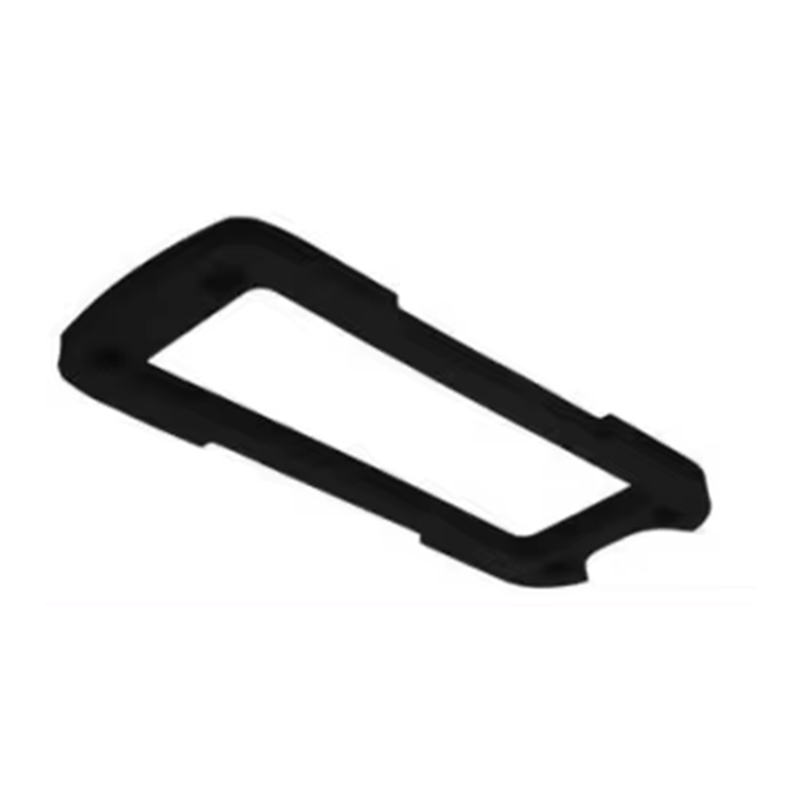 New Energy Automation Die Cutting Products
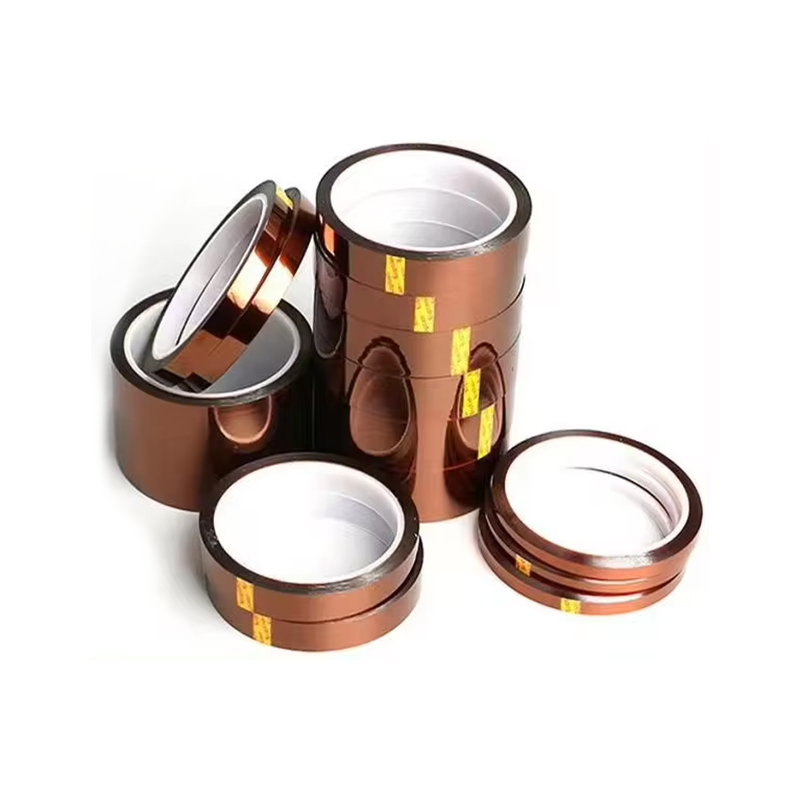 Customeized Die-Cut Products in Package Industry
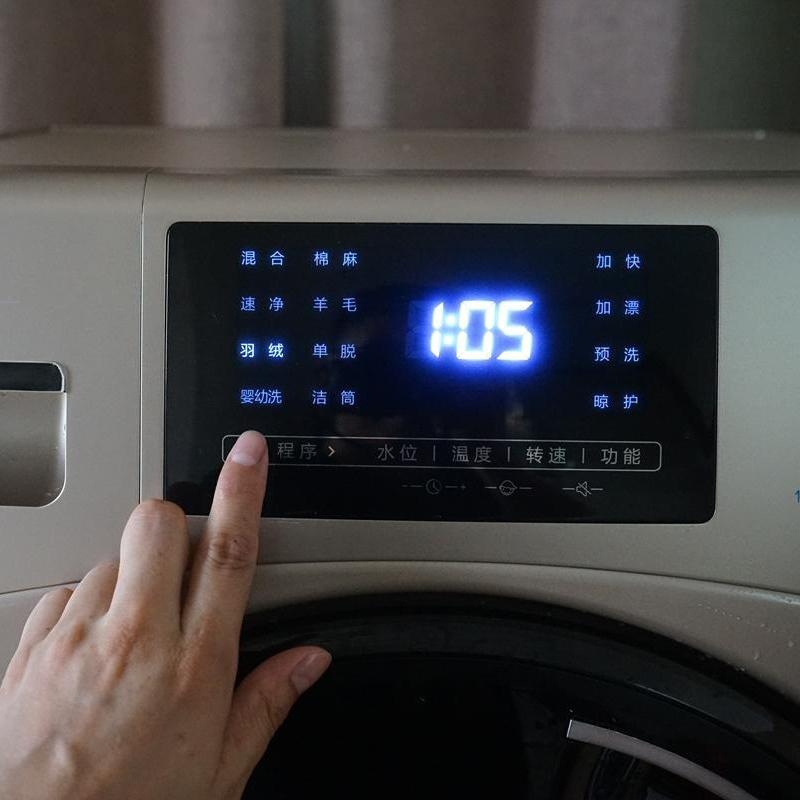 Bespoke Touch Screen for Gaming and Entertainment Devices
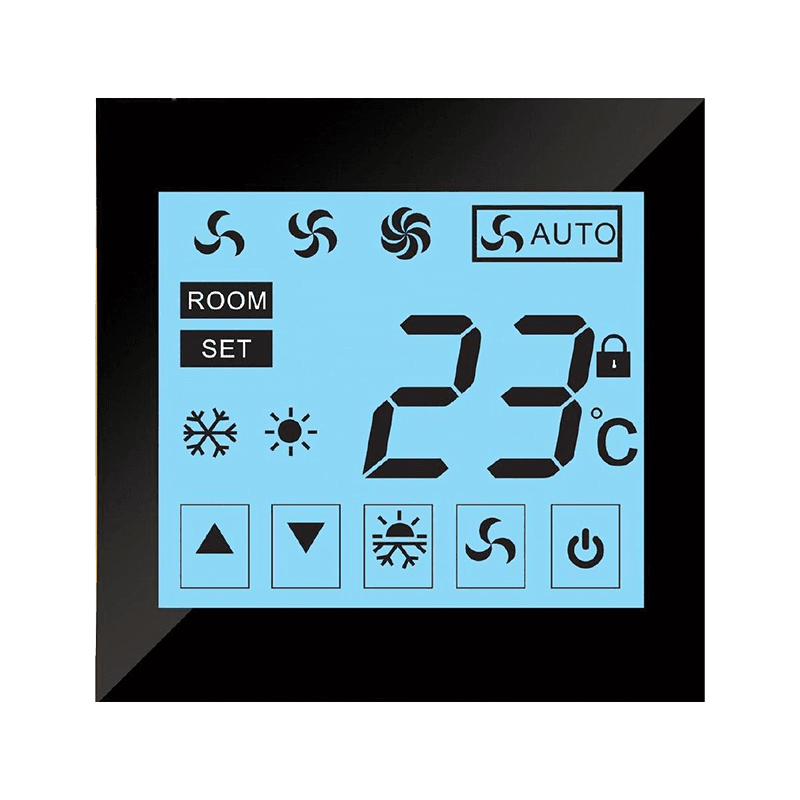 Custom Touch Screen in Smart Home Industry
 Customized Personalized Touch Panel Screen
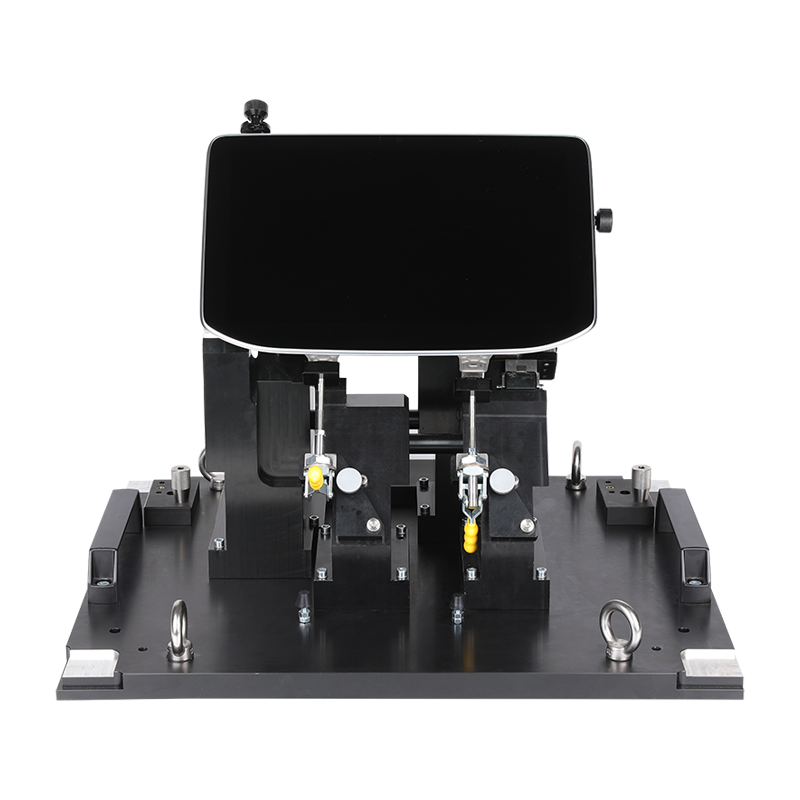 Design Manufacturing and Assembly of Special Customized Custom Electrical Cabinet
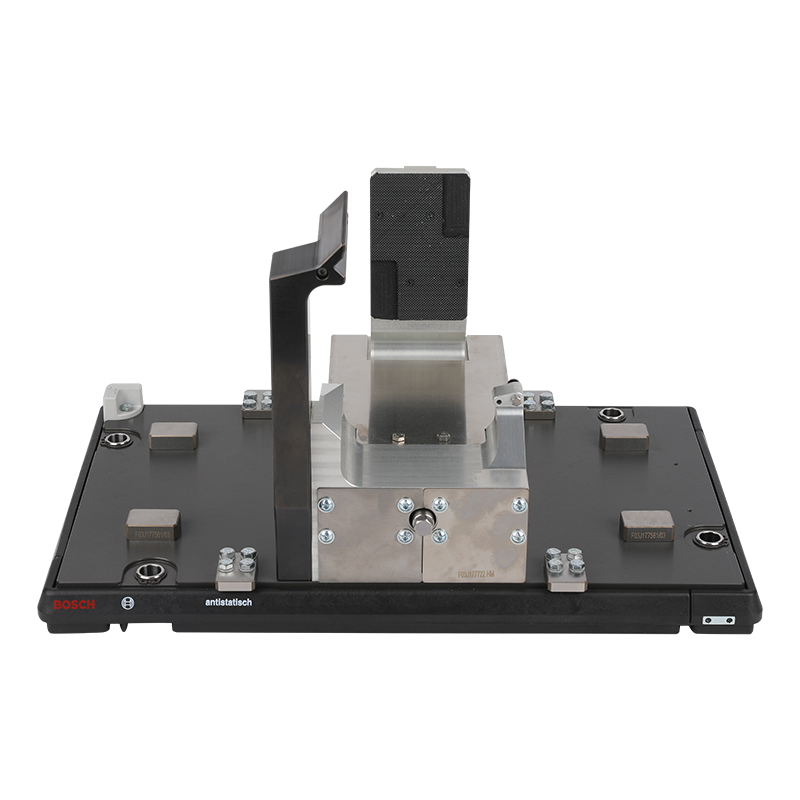 Industrial Robot Automatic Production Line Design Manufacture and Assembly
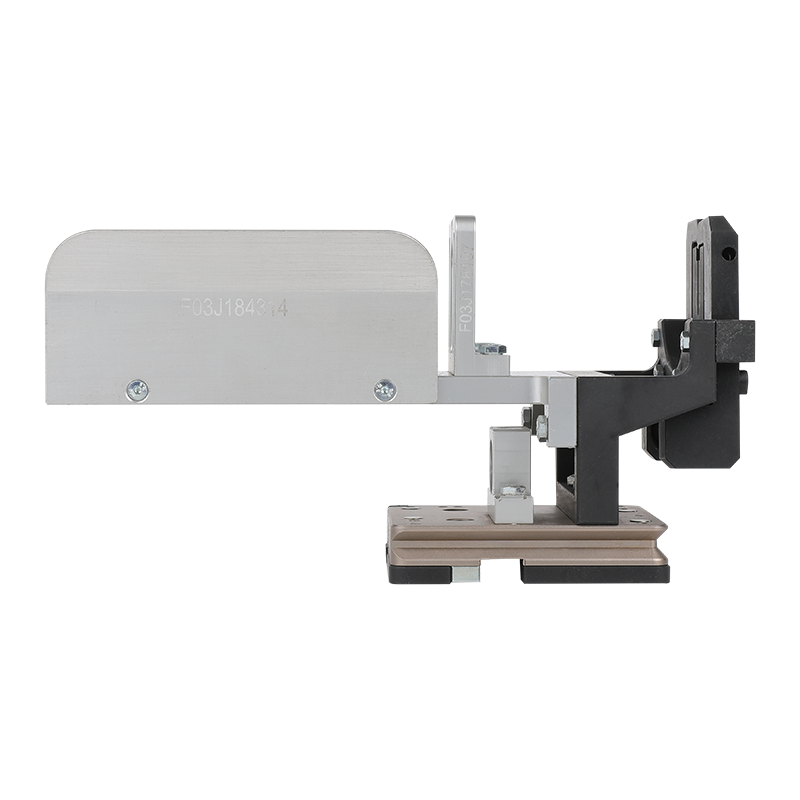 Customized Design Automation Equipment

+86-18118122885

+86-512-66233336

joy.qian@szhengmai.com

No. 8, Guangdian Road, Guangfu Town, Wuzhong District, Suzhou, Jiangsu, China.
Copyright © 2023 Suzhou Heimat Precision Machinery Co., Ltd. All Rights Reserved.Custom CNC Parts Processing Manufacturers

|
 Previous