 English
 русский
News
Home / News / Industry News / How do custom automation parts improve system efficiency and reduce equipment downtime?

 English
 Search
Suzhou Heimat Precision Machinery Co., Ltd.
+86-18118122885
joy.qian@szhengmai.com
Customized automation equipment parts are fundamental components engineered specifically to meet unique manufacturing demands, resolving spatial constraints and overcoming complex operational challenges. These bespoke components are critical for optimizing production efficiency, ensuring seamless system integration, and maintaining long-term equipment reliability. When standard, off-the-shelf components cannot fulfill the precise kinematic requirements or environmental tolerances of a specialized production line, customized parts provide the only viable engineering solution. By utilizing tailored components, manufacturers can significantly reduce mechanical friction, eliminate unnecessary design compromises, and lower the risk of unexpected equipment failure.
The primary advantage of utilizing customized components lies in their ability to exact match specific operational parameters. Standard parts often force engineers to alter their machine designs to accommodate the limitations of the component, leading to suboptimal performance. Customization reverses this dynamic, allowing the part to be designed around the machine's exact requirements. This approach ensures perfect dimensional accuracy, optimal weight distribution, and the selection of ideal materials for the specific working environment.
In modern industrial environments, machinery must operate within strict tolerances to maintain product quality. Customized parts ensure that every gear, bracket, and actuator aligns perfectly with the machine's intended motion path. This precision alignment minimizes mechanical vibration and friction, which are leading causes of premature wear. By designing parts that fit exactly into the intended assembly, engineers can maintain the structural integrity of the entire automated system while maximizing operational precision and safety.
Customized automation equipment parts can be classified into several distinct categories based on their function within the automated system. Understanding these categories is essential for identifying where bespoke solutions can deliver the most significant improvements to an automated production line.
Power transmission components, such as custom gears, drive shafts, and specialized couplings, are frequently tailored to accommodate non-standard gear ratios or unique spatial limitations. A standard motor might operate at a standard speed, but the specific process may require a distinct torque output that standard gearboxes cannot provide. Custom transmission parts bridge this gap, ensuring that the mechanical power is delivered efficiently from the drive source to the point of operation without unnecessary energy loss.
In robotic automation, the end effector is the component that interacts directly with the product. Because products vary drastically in shape, fragility, and weight, customized grippers are often mandatory. For instance, handling delicate electronic components requires grippers designed with specific soft materials and pneumatic pathways that apply precise pressure. Customizing these end effectors ensures product integrity and maximizes the success rate of automated picking and placing tasks.
The structural integrity of an automated machine relies heavily on its framework. Custom brackets and mounting plates are frequently required when integrating new technology into legacy systems or when designing machines for unusually tight factory floors. Custom structural components allow engineers to mount sensors, actuators, and conveyors in exact positions, optimizing the machine's footprint and ensuring operator accessibility for future maintenance.
Designing and manufacturing customized automation equipment parts requires a comprehensive understanding of engineering principles and material science. The decision to customize a part must be backed by thorough analysis to ensure the final component delivers the expected performance over a long service life.
The choice of material dictates the part's durability, weight, and resistance to environmental factors. For high-speed moving parts, lightweight materials such as aluminum alloys or advanced engineering plastics are preferred to reduce inertia and energy consumption. Conversely, components subjected to high mechanical stress or abrasive environments require hardened steel or specialized alloys. Selecting the appropriate material is the most crucial step in ensuring the longevity and reliability of customized automation parts.
| Material Type | Strength Profile | Weight Characteristic | Typical Industrial Application |
|---|---|---|---|
| Aluminum Alloys | Moderate | Lightweight | High-speed robotic arm brackets |
| Stainless Steel | Extremely High | Heavy | Heavy-load structural support frames |
| Engineering Plastics | Variable | Very Lightweight | Corrosion-resistant guide rails |
Automated systems operate on precision. When specifying customized parts, engineers must define strict dimensional tolerances. A part manufactured with tolerances that are too loose may introduce play into the system, leading to inaccurate movements and accelerated wear. Conversely, tolerances that are excessively tight can increase manufacturing costs exponentially and cause parts to bind under thermal expansion. Defining the optimal tolerance is a delicate balance between functional necessity and manufacturing economics.
The creation of customized automation equipment parts follows a rigorous engineering workflow. This process guarantees that the final component not only fits the designated assembly but also performs reliably under continuous industrial operation. Skipping steps in this process often leads to integration failures and costly production delays.
The process begins with a thorough assessment of the engineering problem. Engineers must define the exact loads, speeds, temperatures, and chemical exposures the part will endure. During this phase, feasibility studies are conducted to determine if a custom part is truly necessary or if a modified standard component can achieve the same result. This stage prevents unnecessary engineering expenses.
Once the requirements are locked, the design phase commences utilizing advanced CAD software. Following the digital design, modern manufacturing techniques such as CNC machining or additive manufacturing are employed to create a prototype. Prototyping is a vital step that allows engineers to verify the physical fit and function of the customized part before committing to full-scale production. The prototype is integrated into a test rig to evaluate its performance under simulated operational stresses. Only after successful testing does the part enter final production.
Integrating customized parts into an automated system requires a shift in how maintenance is approached. Because these parts are unique, they cannot simply be pulled from a generic local supplier when a failure occurs. Proper lifecycle management is essential to prevent extended downtimes.
Facilities utilizing customized components must maintain a proactive inventory of critical spares. Since the manufacturing lead time for a custom part can be significantly longer than for a standard component, having replacements immediately available is crucial. Engineers must identify which custom parts are most susceptible to wear and ensure that backup units are stocked in the maintenance facility.
Because custom parts often operate under specific, highly tuned conditions, their wear patterns may differ from standard components. Implementing predictive maintenance strategies, such as vibration analysis and thermal imaging, allows facility managers to monitor the health of these customized parts in real time. By identifying microscopic wear before it leads to catastrophic failure, plants can schedule maintenance during planned downtime rather than facing emergency production halts.
If you have any questions, please fill out the contact form at the bottom of the page and contact us.
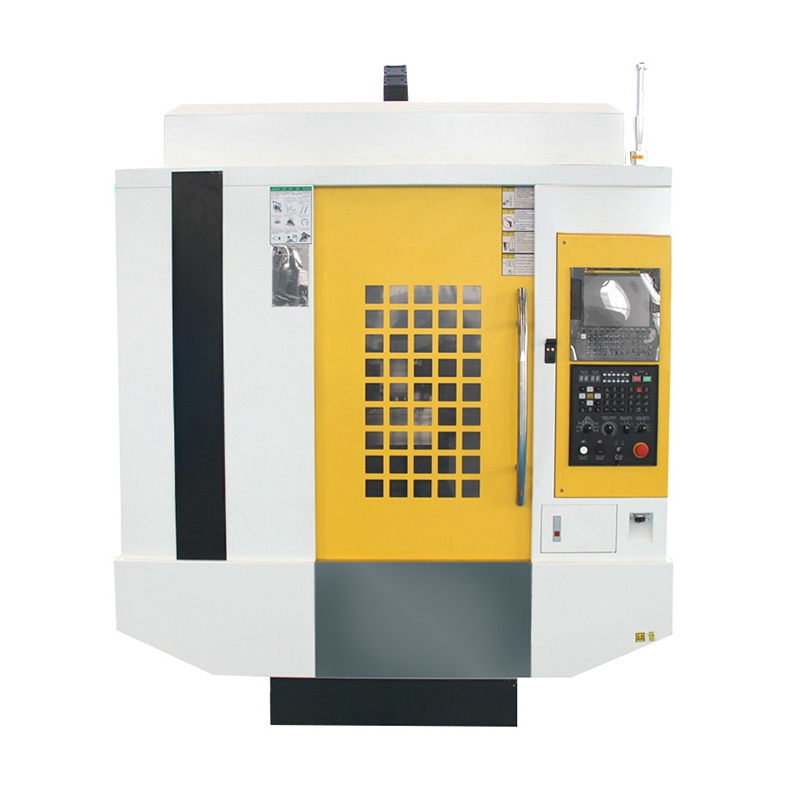 CNC Drilling and Tapping Machin
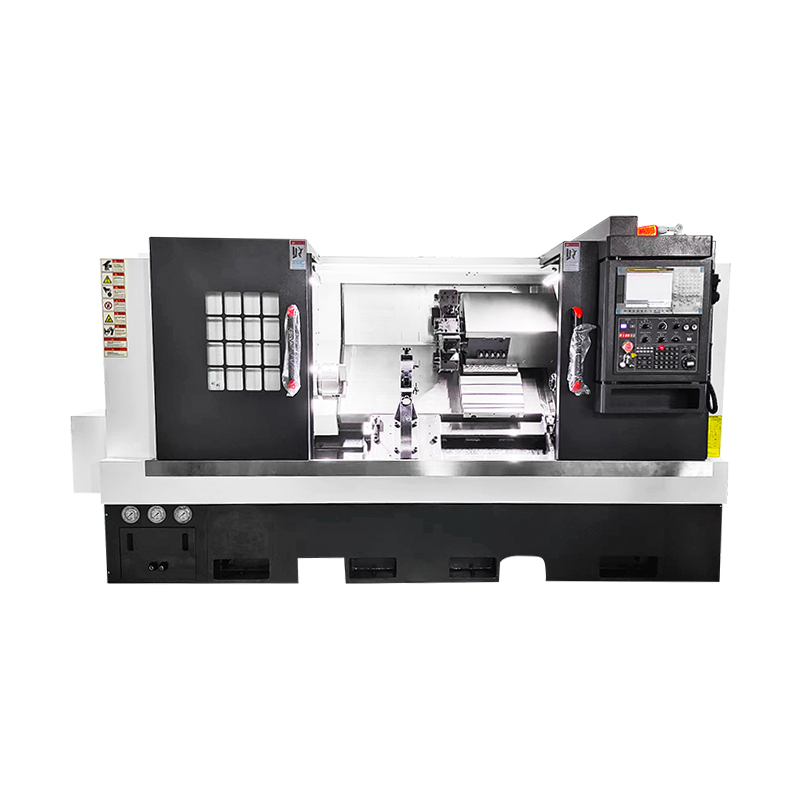 CNC Lathe Machine
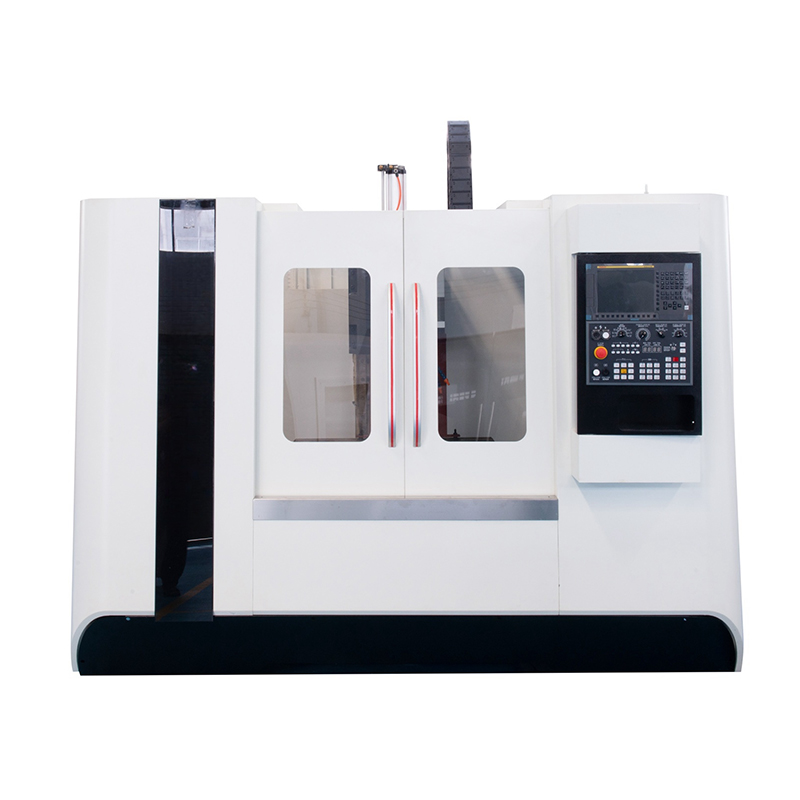 CNC Machine
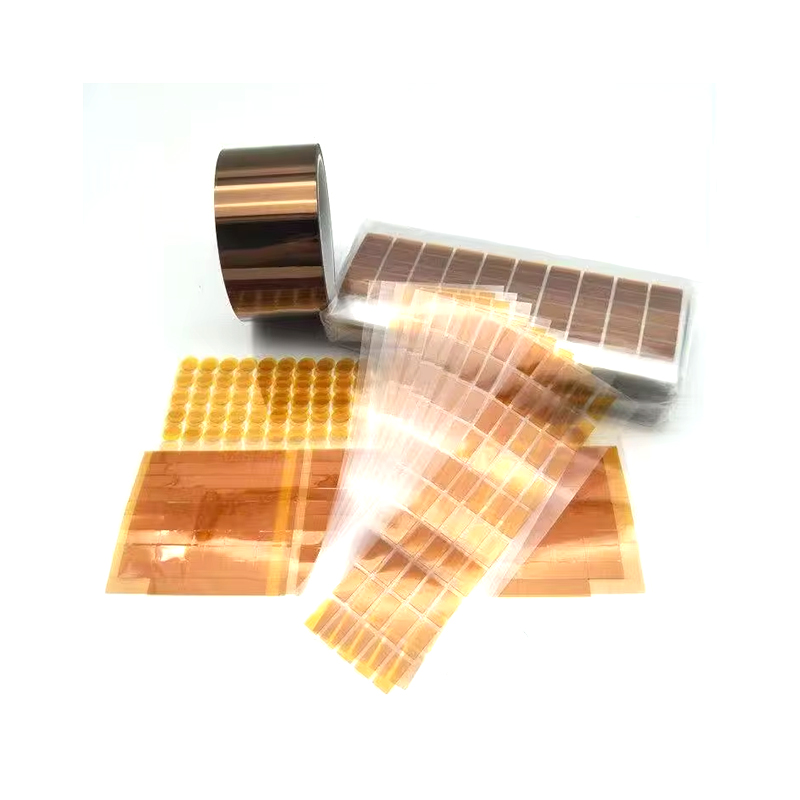 Cutomized Die-Cutting Products for Electronics Industry
 New Energy Automation Die Cutting Products
 Customeized Die-Cut Products in Package Industry
 Bespoke Touch Screen for Gaming and Entertainment Devices
 Custom Touch Screen in Smart Home Industry
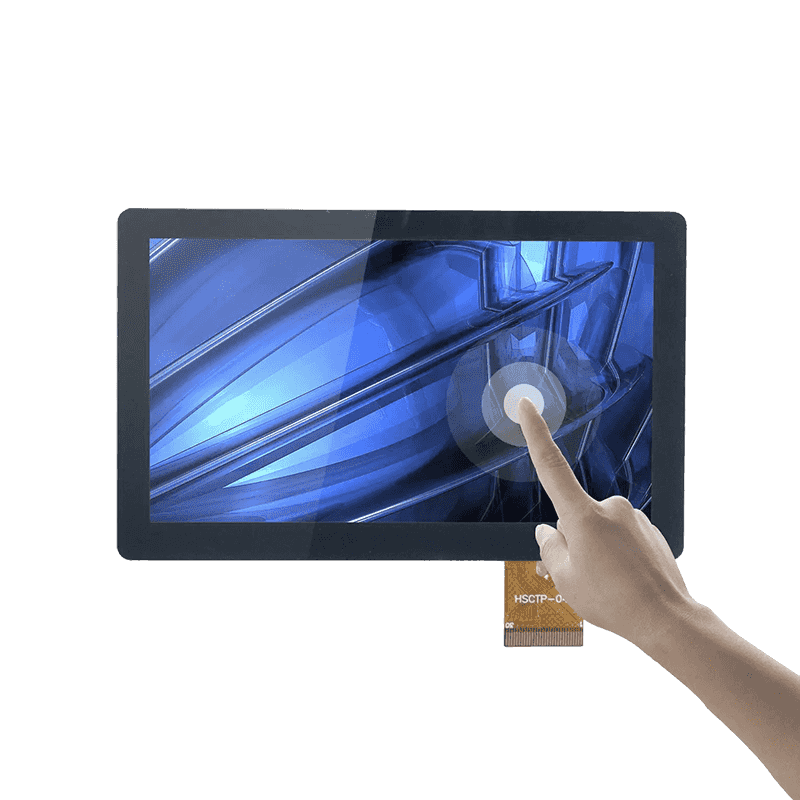 Customized Personalized Touch Panel Screen
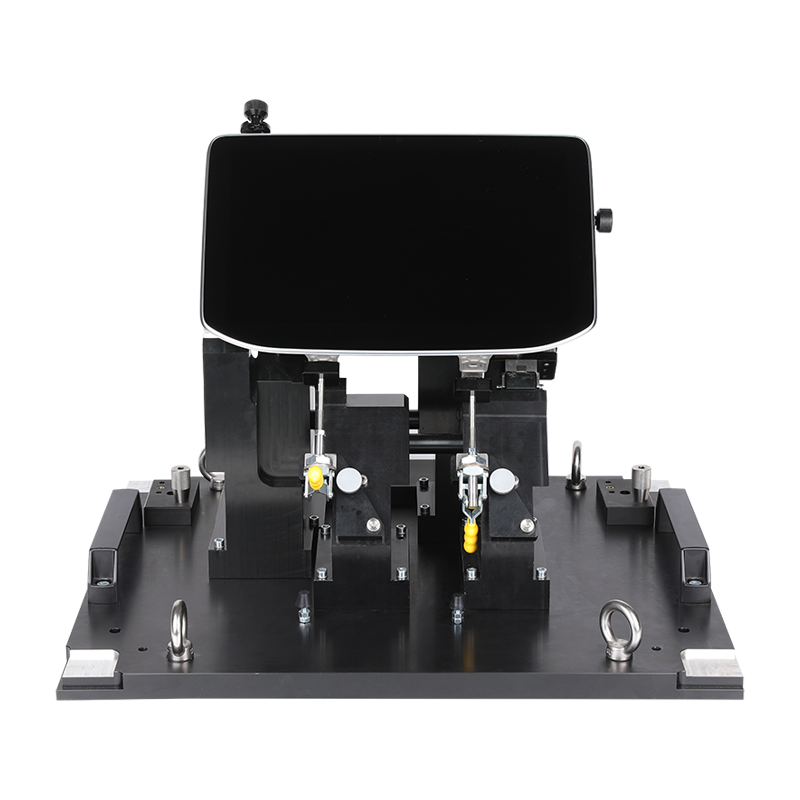 Design Manufacturing and Assembly of Special Customized Custom Electrical Cabinet
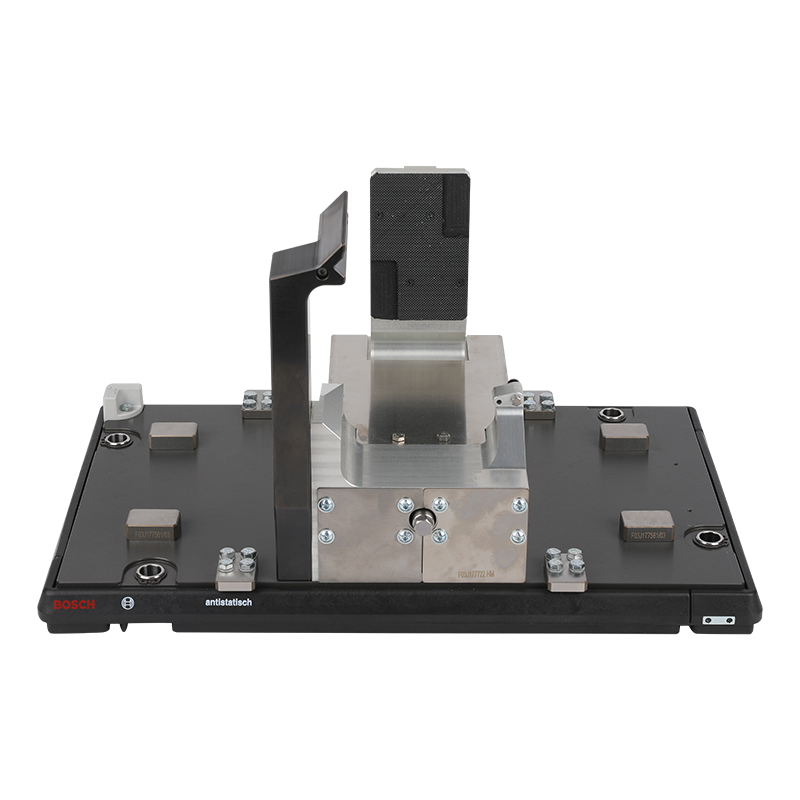 Industrial Robot Automatic Production Line Design Manufacture and Assembly
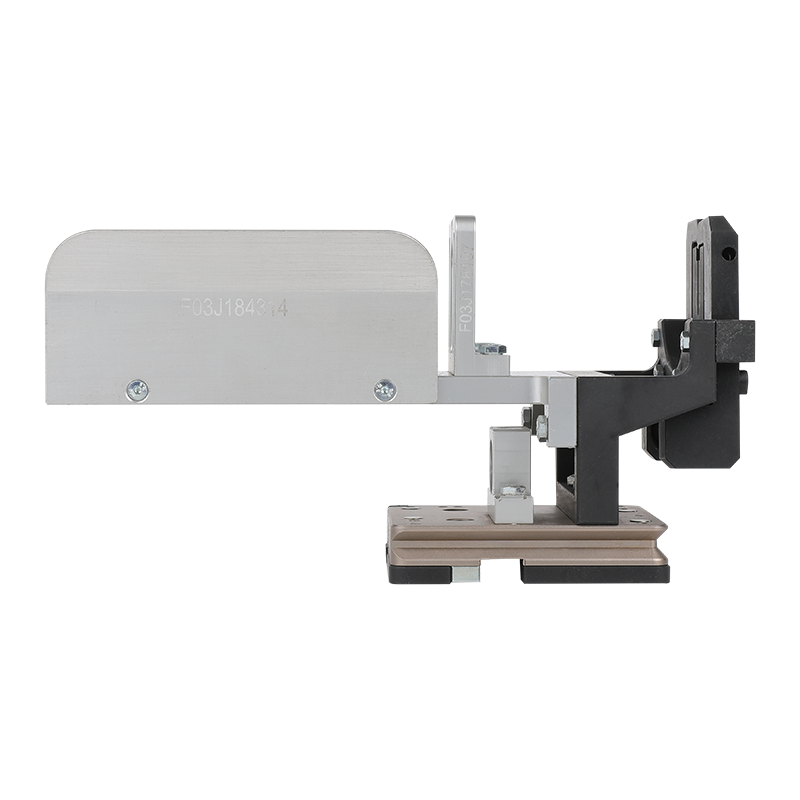 Customized Design Automation Equipment

+86-18118122885

+86-512-66233336

joy.qian@szhengmai.com

No. 8, Guangdian Road, Guangfu Town, Wuzhong District, Suzhou, Jiangsu, China.
Copyright © 2023 Suzhou Heimat Precision Machinery Co., Ltd. All Rights Reserved.Custom CNC Parts Processing Manufacturers

|
 Previous