 English
 русский
News
Home / News / Industry News / How does the CNC parts factory ensure the dimensional accuracy and quality of its parts?

 English
 Search
Suzhou Heimat Precision Machinery Co., Ltd.
+86-18118122885
joy.qian@szhengmai.com
A CNC parts factory serves as the backbone of modern industrial manufacturing, providing highly precise, scalable, and versatile solutions for both custom prototypes and mass production. Partnering with a capable CNC facility ensures optimal material selection, strict quality control, and efficient turnaround times. Ultimately, the success of any hardware project heavily relies on the technical proficiency and operational reliability of the chosen CNC machining factory.
When evaluating a CNC machining facility, it is crucial to understand the specific technical capabilities they offer. Advanced factories typically house a diverse range of equipment to handle complex geometries and varying production volumes.
Modern factories rely on multi-axis CNC machines to produce intricate parts. While standard 3-axis machining is suitable for basic geometries, 4-axis and 5-axis CNC machines allow for the creation of highly complex components in a single setup. This reduces human error, increases precision, and significantly shortens production time.
A comprehensive factory will offer both CNC milling and turning services. CNC turning is ideal for cylindrical parts, while milling handles flat or irregular surfaces. Many advanced facilities utilize live-tooling lathes, which combine both turning and milling operations, allowing for the complete machining of complex parts without transferring them between different machines.
The versatility of a CNC parts factory is largely defined by the range of materials it can effectively process. A top-tier facility will have experience working with a wide variety of metals and plastics, catering to multiple industries.
Quality control is the most critical aspect of any CNC parts factory. Without stringent inspection protocols, even the most advanced machinery cannot guarantee reliable output. Factories must adhere to international quality standards and employ sophisticated metrology equipment.
Coordinate Measuring Machines (CMM) are standard in reputable factories. These devices use tactile probes to measure the physical geometries of a machined part, ensuring it matches the digital CAD file exactly. Additionally, surface roughness testers and optical comparators are utilized to verify the aesthetic and functional quality of the part's exterior. Implementing a rigorous first-article inspection process ensures that any potential programming or setup errors are caught before full-scale production begins.
Selecting the right manufacturing partner requires evaluating several practical criteria. The ideal factory should align with your project's technical requirements, budget, and timeline. Below is a comparison of key evaluation metrics to consider during the selection process.
| Evaluation Criteria | What to Look For | Impact on Project |
|---|---|---|
| Technical Equipment | Multi-axis machines, live-tooling lathes | Determines part complexity and precision |
| Quality Control | CMM machines, ISO certifications | Ensures consistency and reduces defect rates |
| Material Expertise | Experience with specific metals and plastics | Affects tool wear, surface finish, and structural integrity |
| Communication | Responsive engineering support, DFM feedback | Streamlines the production process and prevents delays |
Understanding the workflow inside a CNC parts factory helps clients appreciate the timeline and technical steps involved in producing custom components. The process is highly systematic and relies on seamless digital integration.
Collaborating effectively with a CNC parts factory requires an understanding of Design for Manufacturability (DFM). By optimizing designs before submitting them for production, engineers can drastically reduce costs and improve the structural integrity of the final part.
One of the most important considerations is maintaining consistent wall thickness. Thin walls can vibrate during machining, leading to poor surface finishes or part failure. Similarly, designers should avoid sharp internal corners, as round cutting tools naturally leave a radius. Specifying standard corner radii allows the factory to use common tooling, which reduces setup time and material costs. Adhering to standard tolerances wherever possible also prevents unnecessary and expensive precision machining on non-critical features. By following these practical guidelines, clients can ensure a smooth, efficient, and cost-effective manufacturing process.
If you have any questions, please fill out the contact form at the bottom of the page and contact us.
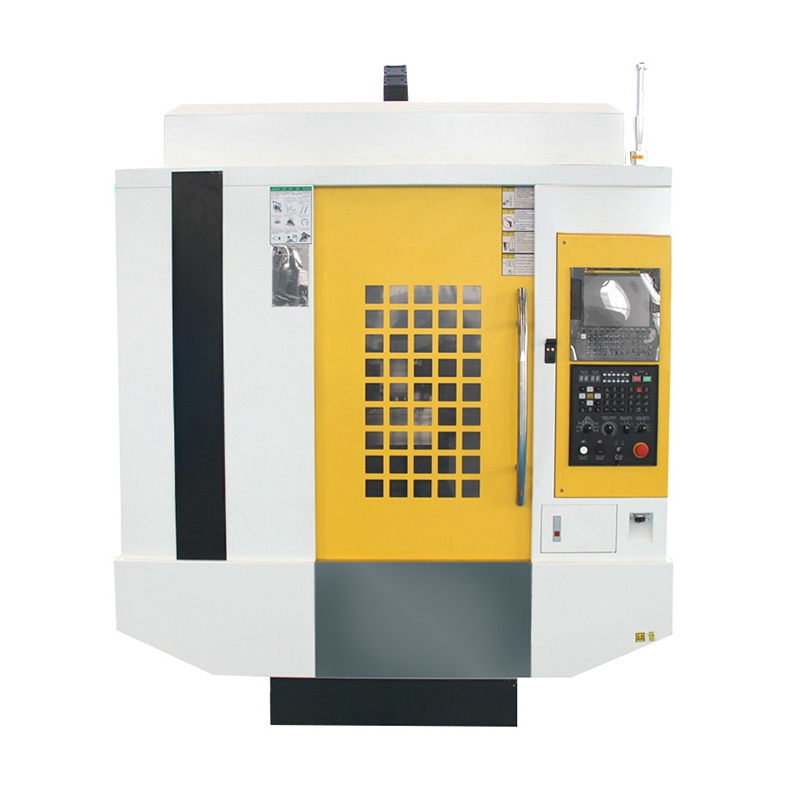 CNC Drilling and Tapping Machin
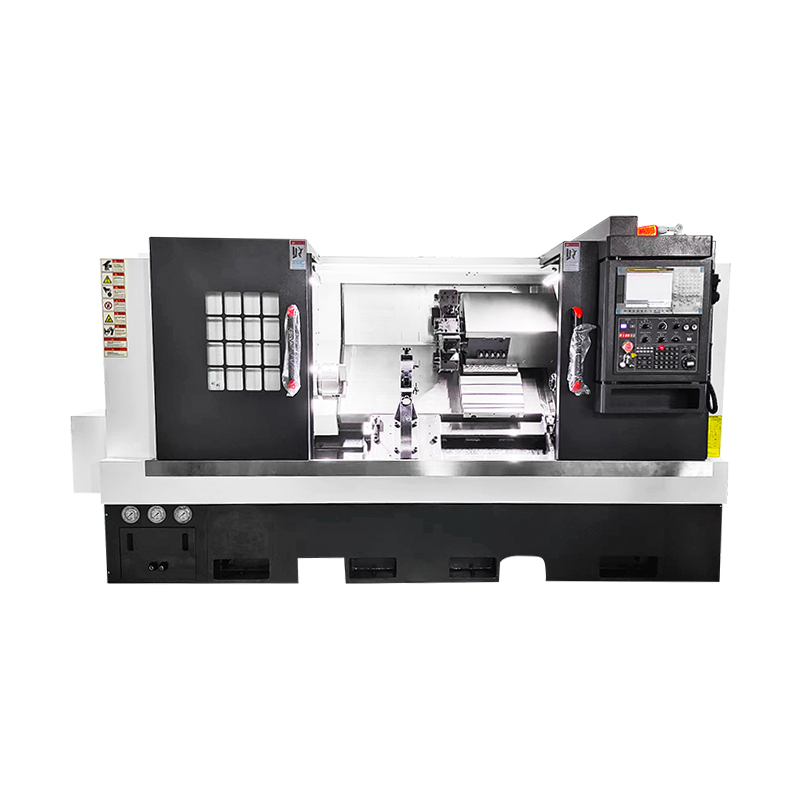 CNC Lathe Machine
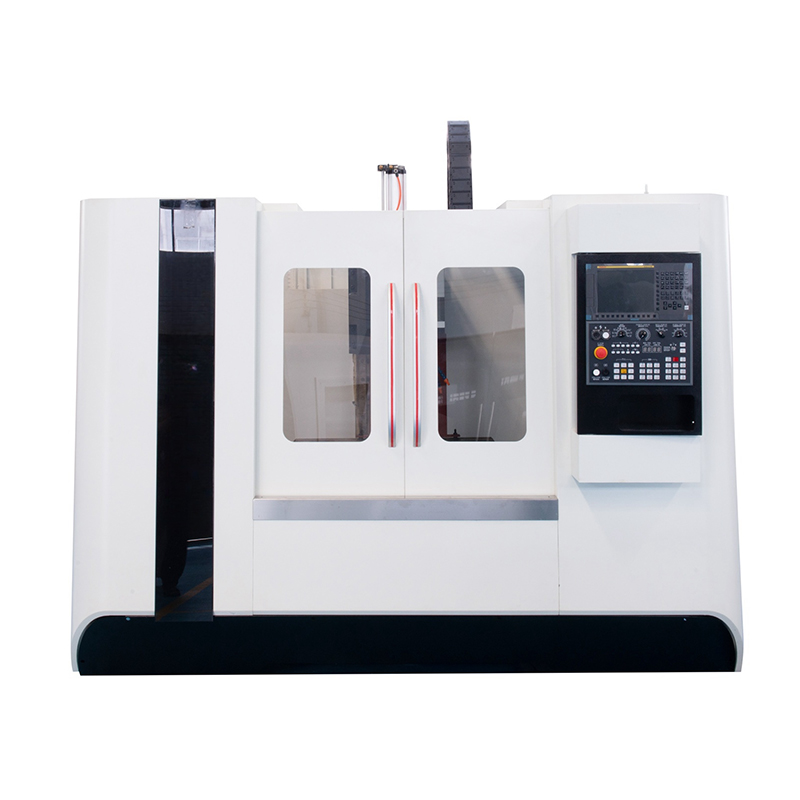 CNC Machine
 Cutomized Die-Cutting Products for Electronics Industry
 New Energy Automation Die Cutting Products
 Customeized Die-Cut Products in Package Industry
 Bespoke Touch Screen for Gaming and Entertainment Devices
 Custom Touch Screen in Smart Home Industry
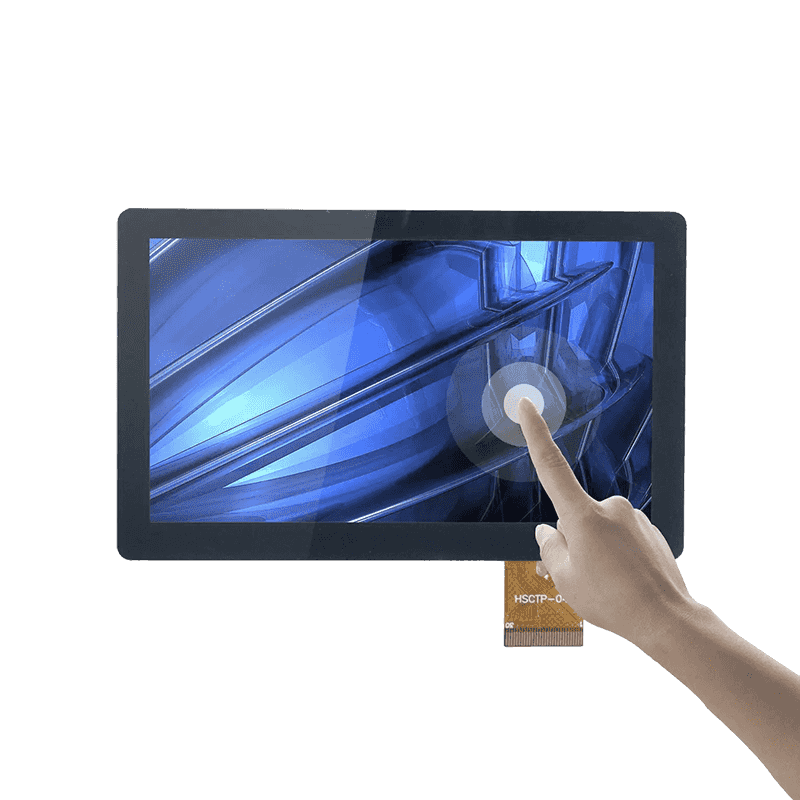 Customized Personalized Touch Panel Screen
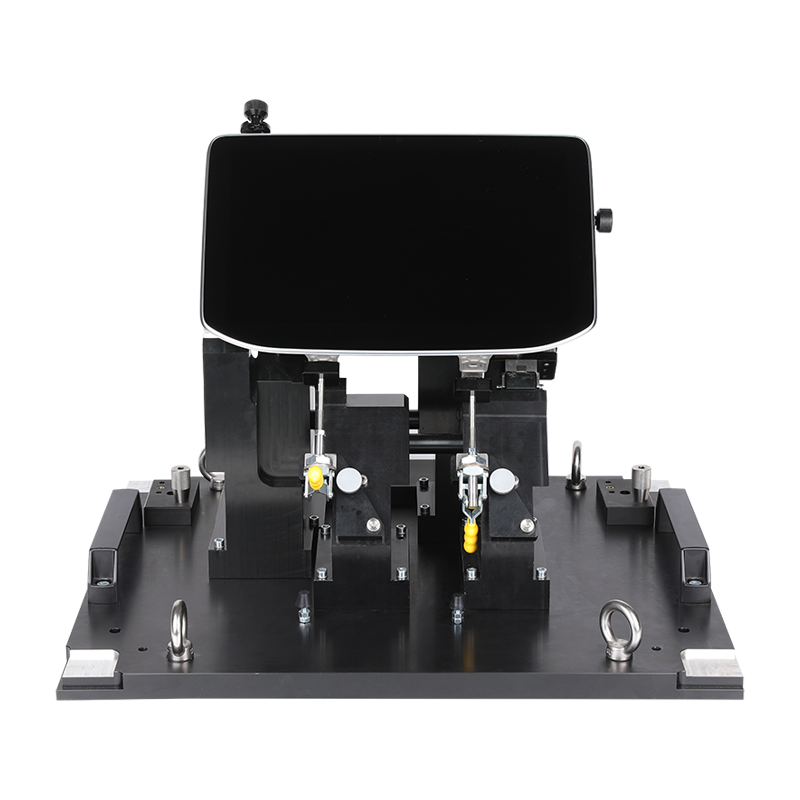 Design Manufacturing and Assembly of Special Customized Custom Electrical Cabinet
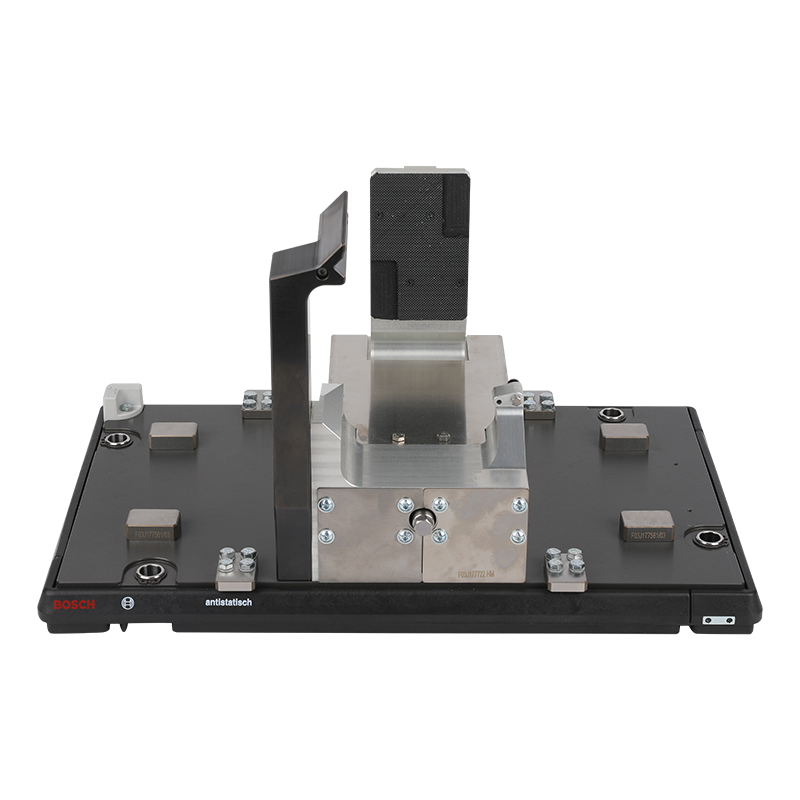 Industrial Robot Automatic Production Line Design Manufacture and Assembly
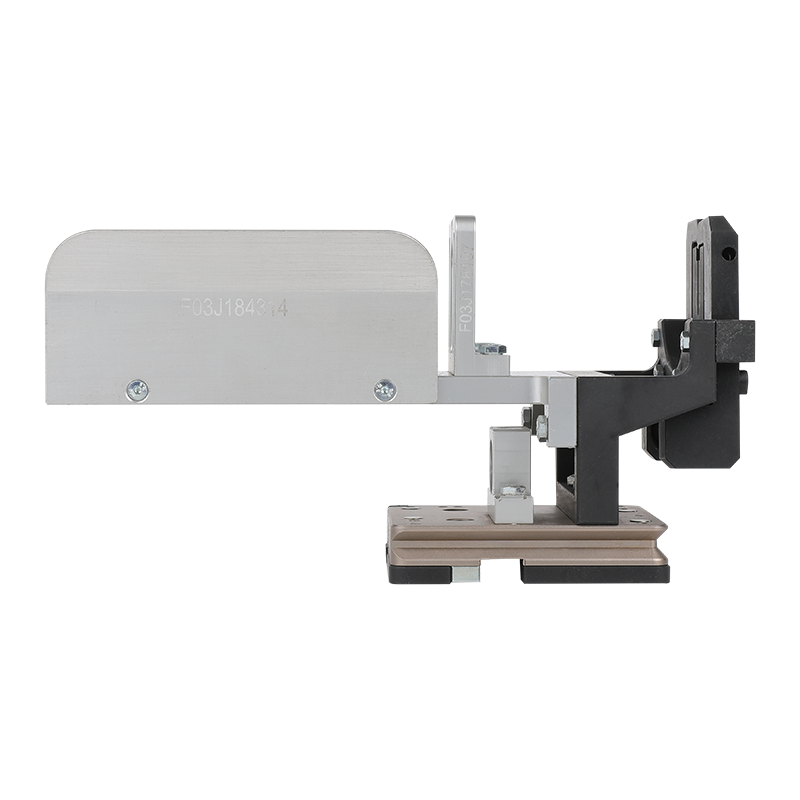 Customized Design Automation Equipment

+86-18118122885

+86-512-66233336

joy.qian@szhengmai.com

No. 8, Guangdian Road, Guangfu Town, Wuzhong District, Suzhou, Jiangsu, China.
Copyright © 2023 Suzhou Heimat Precision Machinery Co., Ltd. All Rights Reserved.Custom CNC Parts Processing Manufacturers

|
 Previous