 English
 русский
News
Home / News / Industry News / How to ensure precision and tolerance in custom mechanical manufacturing?

 English
 Search
Suzhou Heimat Precision Machinery Co., Ltd.
+86-18118122885
joy.qian@szhengmai.com
In modern engineering, custom mechanical parts are the fundamental enablers that allow designers to transcend the boundaries of off-the-shelf components. They provide the exact geometrical tolerances and material properties required for specialized applications, ensuring optimal functionality, improved system integration, and extended operational lifespan. Rather than forcing a design to adapt to available standard parts, custom manufacturing empowers engineers to tailor every aspect of a component to the precise demands of the project. This approach directly leads to enhanced overall system performance, reduction in unnecessary weight, and the ability to operate in highly specific or extreme environments where standard catalog items fail.
Standard components are designed for generalized use, which inherently means they are not optimized for any single specific application. When engineers attempt to build complex systems using only standard parts, they often encounter spatial constraints, weight issues, or performance bottlenecks. Custom mechanical parts solve these issues by providing bespoke solutions. For instance, in aerospace or advanced robotics, space is at a premium, and every gram of weight matters. By utilizing custom parts, engineers can design components that perfectly fit into confined spaces while integrating multiple functions into a single piece, thereby reducing assembly time and potential points of failure.
Furthermore, custom parts allow for the implementation of specialized geometric features that cannot be found in standard inventories. This includes complex internal cooling channels, customized mounting interfaces, and specific gear tooth profiles that optimize torque transmission for a unique load profile. By eliminating the compromises associated with standard parts, custom manufacturing ensures that the mechanical system operates at its theoretical maximum efficiency.
The creation of custom mechanical parts relies on a variety of advanced manufacturing processes. The choice of process depends on the part's geometry, the required material, the production volume, and the necessary tolerances. Understanding these processes is essential for designing parts that are both functional and cost-effective to produce.
CNC machining is perhaps the most prevalent method for producing custom mechanical parts. It involves the use of computer-controlled cutting tools to remove material from a solid block. CNC processes include milling, turning, and drilling, which can achieve extremely high precision and tight tolerances. This method is highly versatile, capable of working with a vast array of materials including various metals, plastics, and composites. CNC machining is ideal for creating durable, high-strength custom parts for functional prototypes and end-use applications. Its subtractive nature means it is best suited for parts where the geometry does not contain deeply hidden internal cavities that cutting tools cannot reach.
Additive manufacturing has revolutionized the production of custom mechanical parts by building components layer by layer from digital models. This process is unparalleled for creating highly complex geometries and internal structures that are impossible to achieve with traditional machining. For low-volume production or rapid prototyping, 3D printing offers significant cost and time advantages. Techniques such as Selective Laser Melting (SLM) for metals and Fused Deposition Modeling (FDM) for thermoplastics allow engineers to quickly iterate through design concepts. While surface finish and mechanical strength may sometimes require post-processing, additive manufacturing provides ultimate design freedom.
For custom parts that require higher production volumes, injection molding and casting become economically viable. Injection molding is primarily used for custom plastic components, where molten material is injected into a custom-machined mold. It allows for the rapid production of identical parts with excellent surface finishes. Casting, on the other hand, involves pouring liquid metal into a mold. Methods like investment casting or die casting are used to create complex metal parts that would be too expensive or time-consuming to machine from solid blocks. While the initial tooling costs for these processes are substantial, the per-part cost drops dramatically as volume increases.
Selecting the appropriate material is a critical step in the design of custom mechanical parts. The material dictates the part's strength, weight, thermal stability, corrosion resistance, and overall lifespan. Engineers must balance these mechanical requirements with the manufacturability and cost of the material.
| Material Category | Key Properties | Typical Applications |
|---|---|---|
| Aluminum Alloys | Lightweight, excellent strength-to-weight ratio, good corrosion resistance | Aerospace brackets, automotive housings, robotic arms |
| Stainless Steel | High tensile strength, superior corrosion and heat resistance | Medical instruments, food processing machinery, marine components |
| Engineering Plastics | Low friction, electrical insulation, chemical resistance | Gears, bearings, insulating washers, enclosure interiors |
| Titanium Alloys | Exceptional strength, biocompatible, highly resistant to extreme temperatures | High-performance engine parts, surgical implants, racing components |
The choice between these materials often involves trade-offs. For example, while titanium offers unmatched performance, its high cost and machining difficulty make it unsuitable for budget-sensitive projects. Aluminum provides a more economical alternative with adequate performance for many structural applications. Engineers must conduct thorough stress and thermal analyses to ensure the selected material will withstand the operational environment without failure.
The journey from concept to a finalized custom mechanical part requires a rigorous design and prototyping phase. This phase is crucial for validating that the part will perform as intended under real-world conditions. Skipping or rushing this phase often leads to costly rework and project delays.
Tolerance refers to the permissible limit of variation in a physical dimension. In custom mechanical parts, specifying the correct tolerances is a delicate balancing act. Overly tight tolerances will exponentially increase manufacturing costs and time, as they require slower machining speeds and additional inspection. Conversely, tolerances that are too loose may result in parts that do not fit together properly, leading to vibration, noise, or premature wear. Engineers must identify critical mating surfaces and apply tight tolerances only where necessary, leaving non-critical features with standard, broader tolerances to keep manufacturing efficient.
Before committing to mass production or final implementation, custom parts must undergo iterative testing. This usually begins with computer-aided engineering (CAE) simulations, such as Finite Element Analysis (FEA), to predict how the part will react to physical forces, heat, and vibration. Following successful simulations, physical prototypes are manufactured. These prototypes are subjected to rigorous bench testing and field trials to validate their performance. The data gathered from these tests is used to refine the design, a process that may be repeated several times until the part meets all performance criteria.
While custom mechanical parts offer superior performance, they can be expensive and time-consuming to produce. Implementing strategic optimization methods during the design and manufacturing phases can help control costs and reduce lead times without compromising quality.
Design for Manufacturability is an engineering practice that focuses on designing parts in a way that makes them easy and cost-effective to produce. By applying DFM principles, engineers can avoid features that require complex tooling or lengthy setup times. Key DFM considerations include:
By adhering to these guidelines, the manufacturing process becomes more streamlined, significantly reducing both machining time and the likelihood of production errors.
The strategy for fulfilling production volumes greatly impacts cost and lead time. For custom parts that are used frequently and consistently, batch production is highly advantageous. Producing parts in batches allows for economies of scale, spreading the setup and programming costs over multiple units. It also ensures a steady supply of components, preventing assembly line stoppages. On the other hand, for highly specialized, one-off components or rapidly evolving prototypes, on-demand manufacturing is preferred. Additive manufacturing and agile CNC services excel in this area, delivering parts quickly without the need for inventory storage, though the per-part cost is higher. Balancing these two strategies based on the project's lifecycle is key to efficient resource management.
If you have any questions, please fill out the contact form at the bottom of the page and contact us.
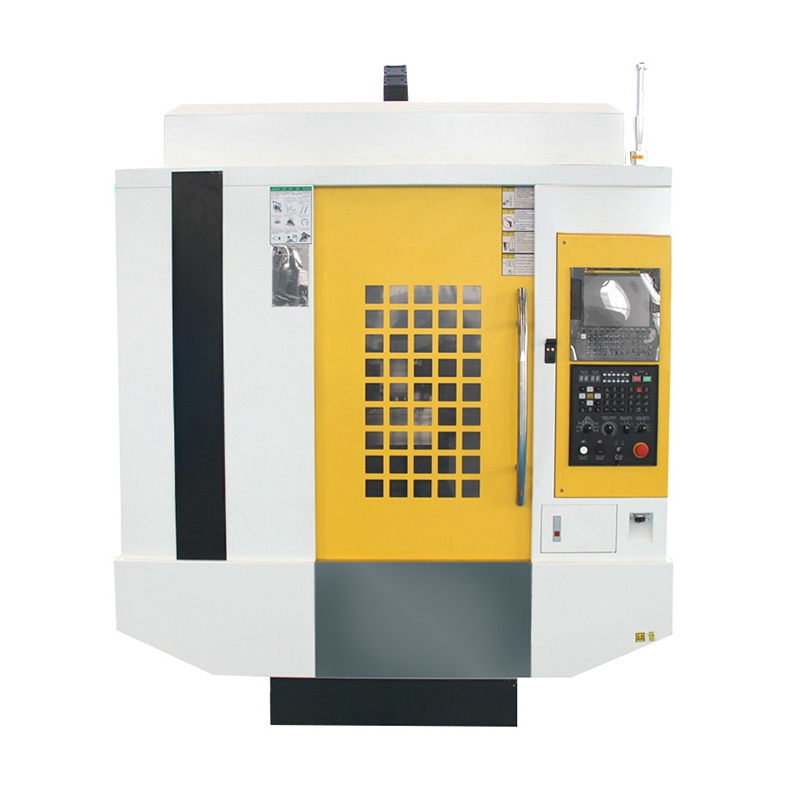 CNC Drilling and Tapping Machin
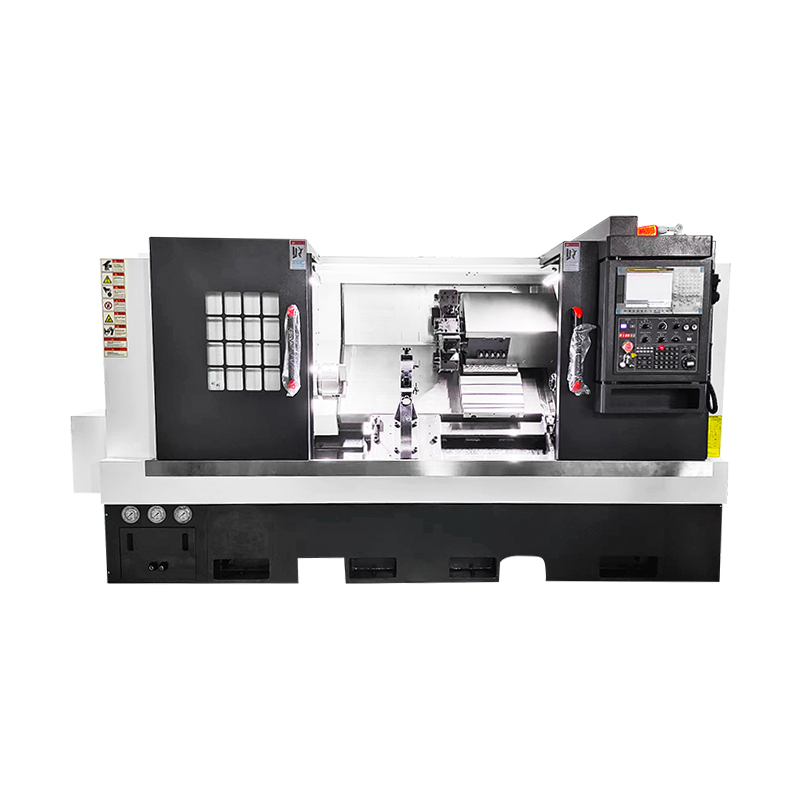 CNC Lathe Machine
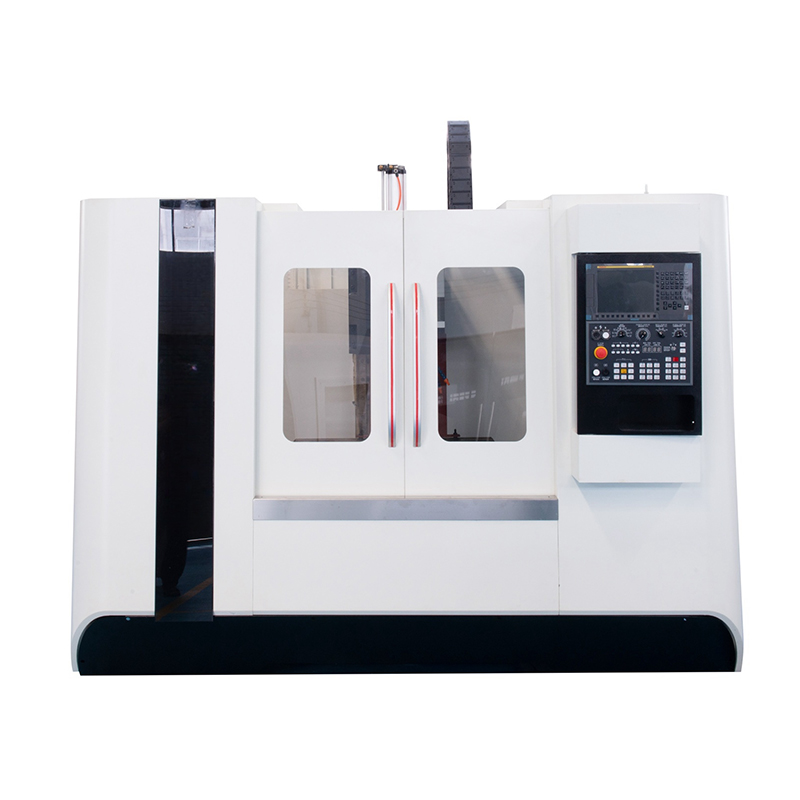 CNC Machine
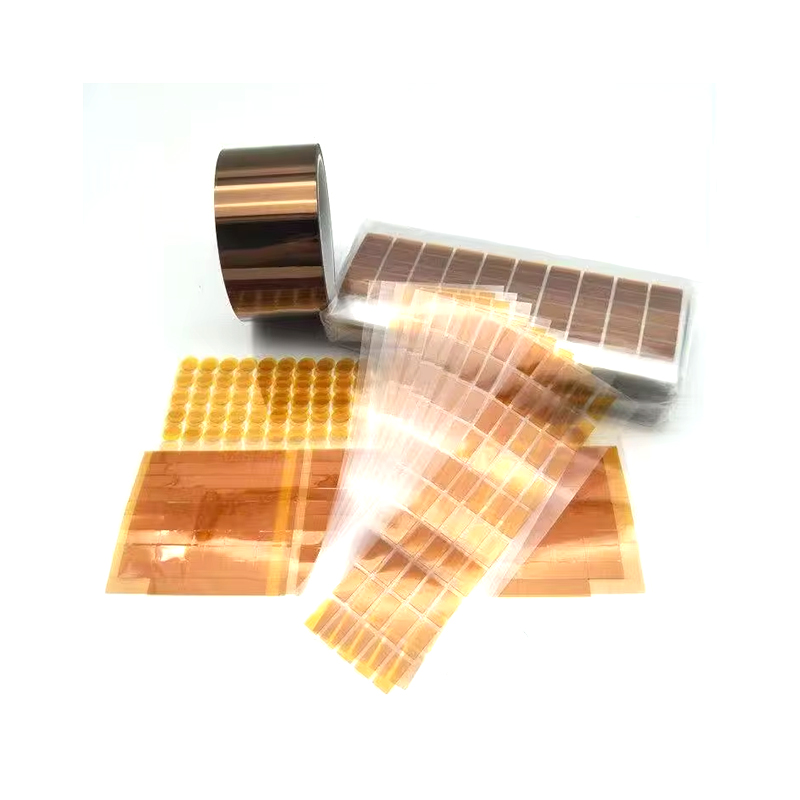 Cutomized Die-Cutting Products for Electronics Industry
 New Energy Automation Die Cutting Products
 Customeized Die-Cut Products in Package Industry
 Bespoke Touch Screen for Gaming and Entertainment Devices
 Custom Touch Screen in Smart Home Industry
 Customized Personalized Touch Panel Screen
 Design Manufacturing and Assembly of Special Customized Custom Electrical Cabinet
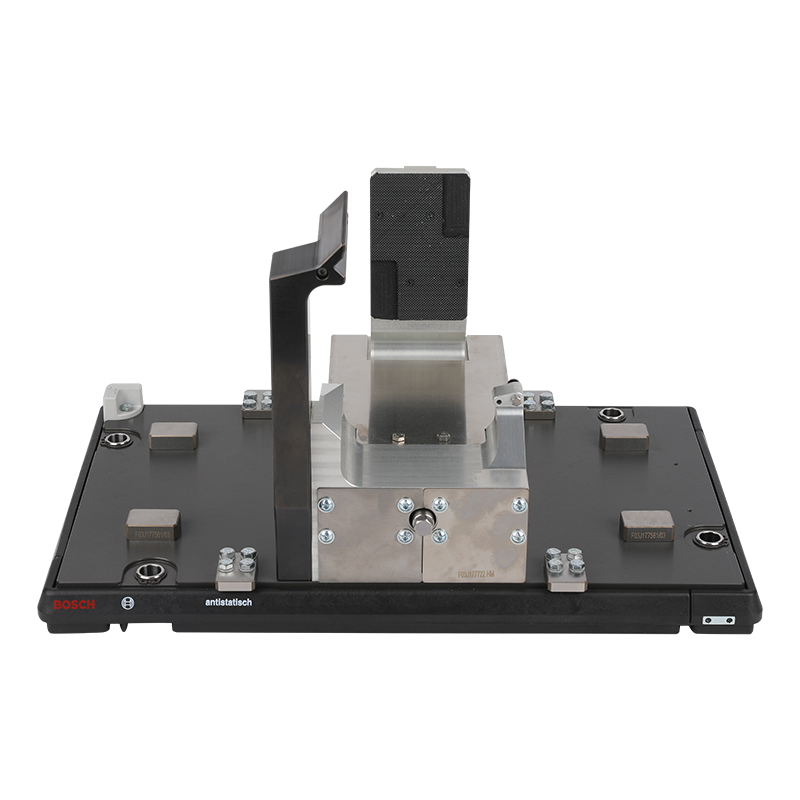 Industrial Robot Automatic Production Line Design Manufacture and Assembly
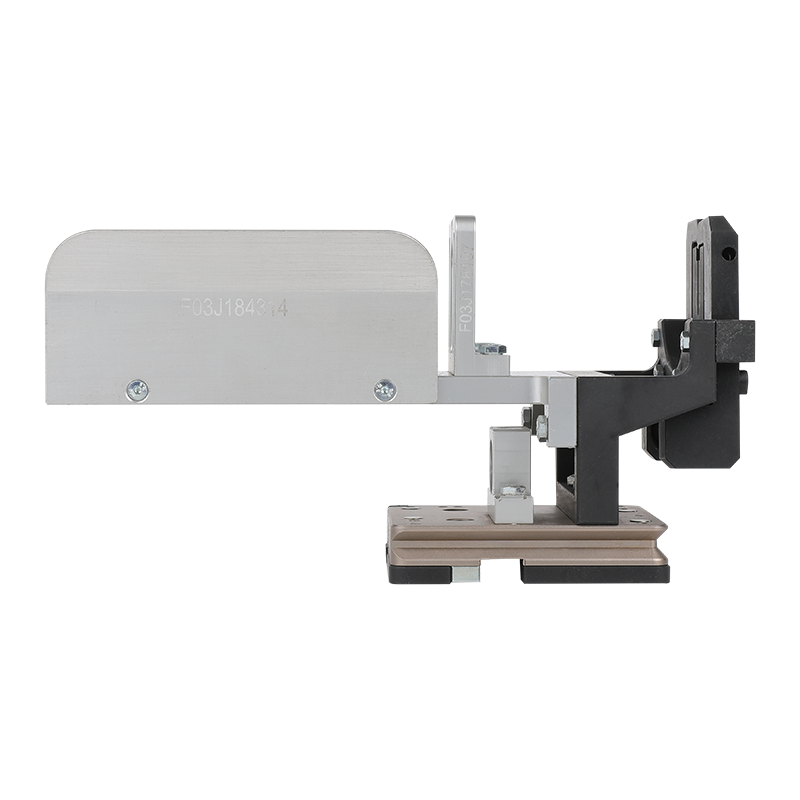 Customized Design Automation Equipment

+86-18118122885

+86-512-66233336

joy.qian@szhengmai.com

No. 8, Guangdian Road, Guangfu Town, Wuzhong District, Suzhou, Jiangsu, China.
Copyright © 2023 Suzhou Heimat Precision Machinery Co., Ltd. All Rights Reserved.Custom CNC Parts Processing Manufacturers

|
 Previous