 English
 русский
News
Home / News / Industry News / In the sheet metal processing industry, which innovative technologies are changing production processes?

 English
 Search
Suzhou Heimat Precision Machinery Co., Ltd.
+86-18118122885
joy.qian@szhengmai.com
The sheet metal fabrication industry has undergone significant advancements in recent years. As manufacturers face increasing pressure to improve production speed, reduce costs, and maintain high quality, innovative technologies have emerged as game changers. This article explores the cutting-edge technologies that are transforming the sheet metal fabrication industry and how businesses can leverage them for better results.
The sheet metal fabrication industry plays a critical role in numerous sectors, including automotive, aerospace, HVAC, and construction. However, the industry faces several challenges, including labor costs, long production cycles, and difficulty maintaining quality control. By adopting advanced technologies, manufacturers can overcome these obstacles and unlock new opportunities for growth and efficiency.
Automation and robotics are at the forefront of the sheet metal fabrication revolution. These technologies help manufacturers improve precision, speed, and efficiency in their production processes. For example, robotic welding and cutting systems are increasingly replacing manual labor, leading to faster production times and reduced error rates.
While traditional manual labor requires skilled workers and is more prone to human error, robotic systems are designed to operate with high precision and consistency, drastically improving the overall output. The following table highlights the differences between traditional and robotic sheet metal fabrication systems:
| Factor | Traditional Systems | Robotic Systems |
| Precision | Lower, depends on skill | High, automated control |
| Production Speed | Slower, manual input required | Faster, continuous operation |
| Labor Costs | Higher, skilled labor needed | Lower, minimal labor required |
Robotic systems provide significant advantages in terms of speed and accuracy, making them ideal for industries demanding high-volume production, such as sheet metal fabrication for HVAC systems.
In the past, the prototyping process for sheet metal fabrication was lengthy and expensive. However, digital design technologies like CAD/CAM and 3D printing have transformed this process, enabling faster and more cost-effective product development. 3D printing, in particular, allows for rapid prototyping of sheet metal parts with minimal material waste.
Moreover, 3D printing can support custom sheet metal fabrication for small businesses, offering unique, bespoke parts tailored to specific business needs, with reduced costs compared to traditional methods.
Laser cutting and waterjet cutting technologies have significantly improved the precision and flexibility of sheet metal fabrication. These methods are commonly used in applications that require high levels of accuracy and the ability to cut complex shapes from metal sheets.
Both laser and waterjet cutting technologies offer precise cutting capabilities, but each has its strengths and ideal use cases:
| Factor | Laser Cutting | Waterjet Cutting |
| Precision | Very high, especially for thin materials | High, especially for thick materials |
| Heat-Affected Zone | Small, can cause thermal distortion | None, no heat involved |
| Material Types | Best for thin metals | Can cut thick and abrasive materials |
These technologies are particularly beneficial for high precision sheet metal fabrication, enabling manufacturers to produce intricate and customized parts for various industries, including aerospace and automotive.
Precision welding technologies like laser welding and TIG/MIG welding are essential for ensuring the structural integrity of sheet metal products. These welding methods deliver high-quality, stable joints that meet the stringent requirements of industries such as aerospace, automotive, and HVAC.
Laser welding offers superior precision compared to traditional welding methods. Below is a comparison between the two:
| Factor | Laser Welding | Traditional Welding |
| Precision | Extremely high, fine control | Moderate, depends on skill |
| Speed | Faster, continuous process | Slower, more labor-intensive |
| Strength | Stronger, consistent joints | Varies, more prone to defects |
In particular, laser welding is becoming increasingly popular in sheet metal fabrication for HVAC systems, where high-quality joints are essential for long-term performance and durability.
The Internet of Things (IoT) and big data technologies have brought smart management to the sheet metal fabrication industry. These technologies allow manufacturers to monitor equipment in real-time, predict failures before they happen, and optimize production processes for maximum efficiency.
IoT-enabled smart factories are improving operational efficiency in industries like affordable sheet metal fabrication near me, where reducing production costs and increasing speed are critical for maintaining a competitive edge.
As the sheet metal fabrication industry continues to evolve, the adoption of innovative technologies will remain crucial for staying competitive. Automation, digital design, advanced cutting methods, and smart management tools are transforming the production process, enabling businesses to offer better, faster, and more customized products. Companies that embrace these innovations will position themselves for success in a rapidly changing market.
If you have any questions, please fill out the contact form at the bottom of the page and contact us.
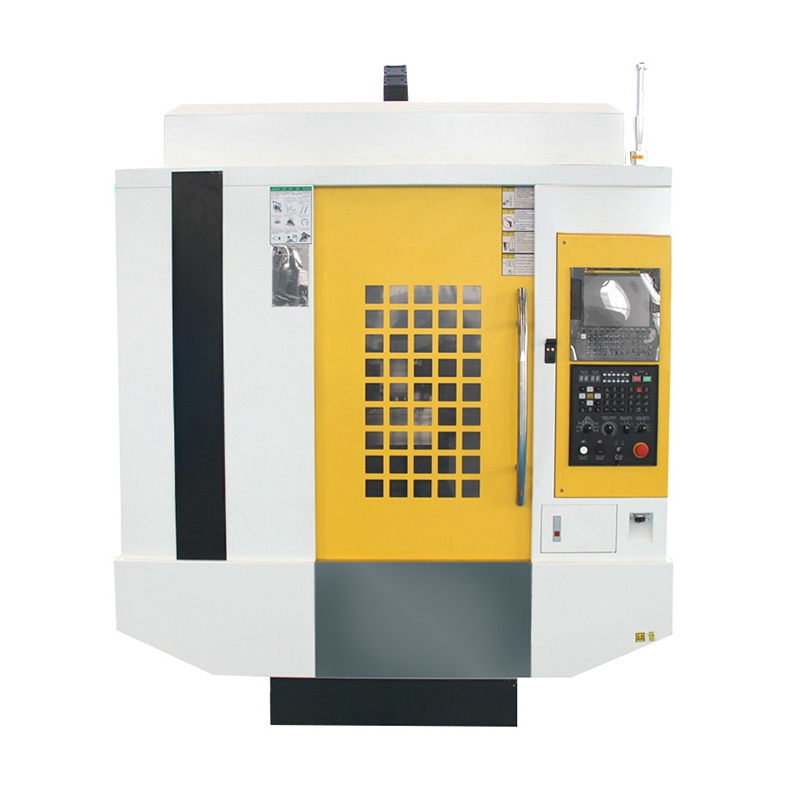 CNC Drilling and Tapping Machin
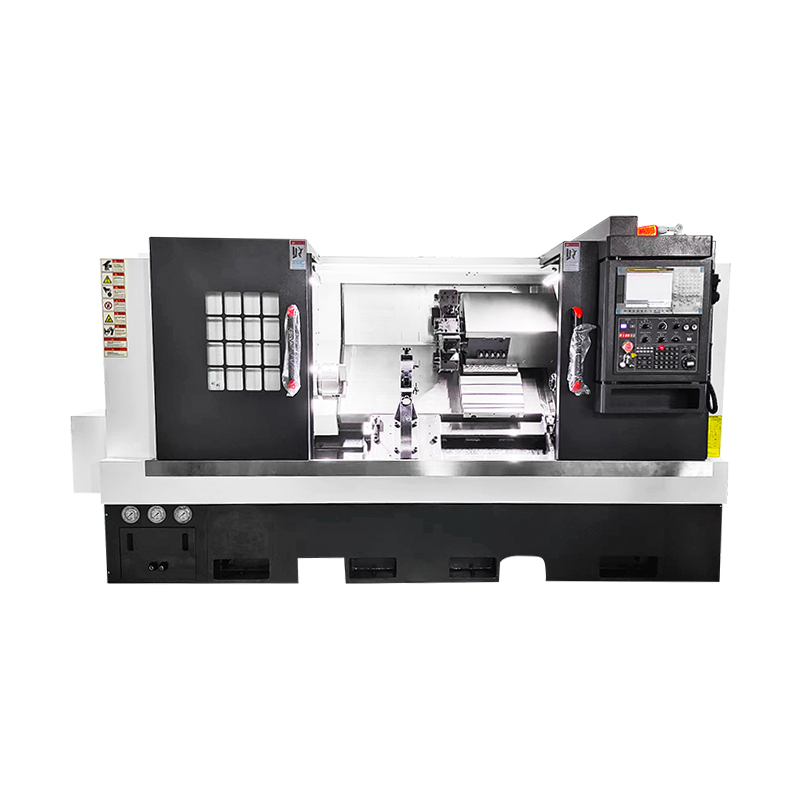 CNC Lathe Machine
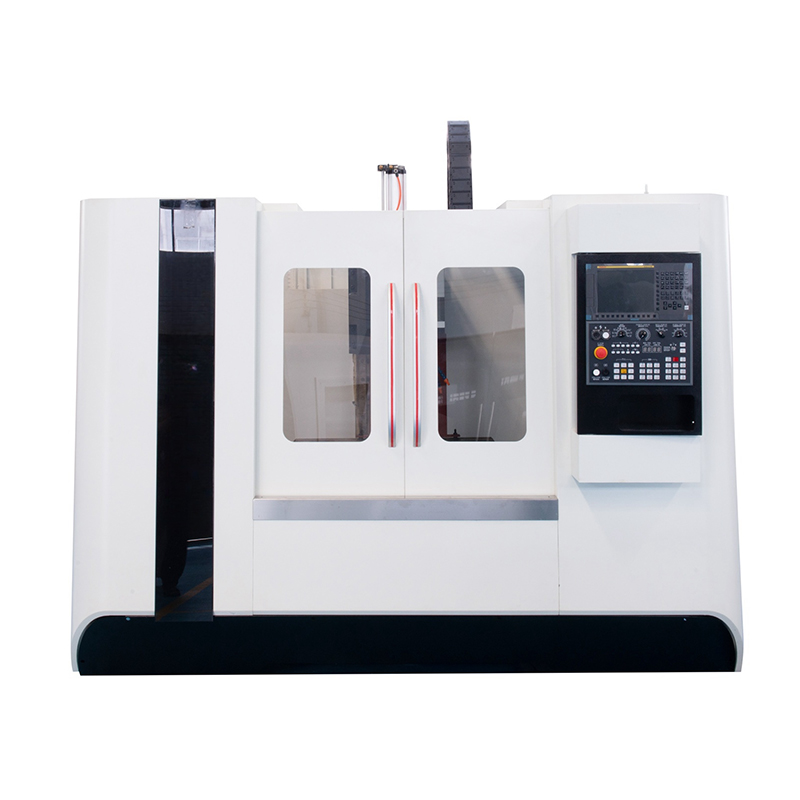 CNC Machine
 Cutomized Die-Cutting Products for Electronics Industry
 New Energy Automation Die Cutting Products
 Customeized Die-Cut Products in Package Industry
 Bespoke Touch Screen for Gaming and Entertainment Devices
 Custom Touch Screen in Smart Home Industry
 Customized Personalized Touch Panel Screen
 Design Manufacturing and Assembly of Special Customized Custom Electrical Cabinet
 Industrial Robot Automatic Production Line Design Manufacture and Assembly
 Customized Design Automation Equipment

+86-18118122885

+86-512-66233336

joy.qian@szhengmai.com

No. 8, Guangdian Road, Guangfu Town, Wuzhong District, Suzhou, Jiangsu, China.
Copyright © 2023 Suzhou Heimat Precision Machinery Co., Ltd. All Rights Reserved.Custom CNC Parts Processing Manufacturers

|
 Previous